The meeting was convened on Zoom by Director Rex Parker at 1930. Following a brief introduction Program ChairVictor Davis introduced speaker Dr. Mario Motta, MD, who gave us a presentation entitled The Environmental and Medical Consequences of Light Pollution. Many of the studies to which he referred and his astrophotos are available on his website at www.mariomotta.com. His talk was followed by fifteen minutes of questions and a five minute break. Attending were 36 online.
Some 27 continued with us when we reconvened at 2115 with an Unjournal Presentation by Member Jim Peck about his childhood visit to Meteor Crater in Arizona and the Meteorite Study Kit he bought.
The business meeting opened at 2115 with Outreach Chair Bill Murray expressing thanks for Members Jeff Pinyan, Ira Polans, Dave Skitt and Gene Allen who brought basic visual scopes to his How to Buy Your First Telescope presentation at the NJ State Museum Planetarium on November 25. After his talk they represented the AAAP and shared their experiences with the attendees. Bill also recommended the free Science Under the Stars talk at the Planetarium on January 20 at 1600. It will be entitled Strange New Worlds and deal with the recent discoveries of exoplanets by Dr Josh Winn, a Princeton University professor. Watch the museum Events page to see when you can register to attend:
Observatory Co-Chair Dave Skitt reported that the observatory was without electrical power. The Park is supplied by both PSE&G and JCP&L which complicates reporting and repair. Member Tom Swords installed the new-to-us GSO focuser on the Orion XT12i Dobsonian and collimated it. He also collimated the Explore Scientific 5” refractor. Purchase of a couple of multi-bandpass filters is planned along with additional filter drawers to protect them by permanently holding them to reduce handling.
Rex presented a fairly in-depth review of the Galileo Project being lead at Harvard University by former AAAP speaker Avi Loeb. As stated on their website, “The goal of the Galileo Project is to bring the search for extraterrestrial technological signatures of Extraterrestrial Technological Civilizations (ETCs) from accidental or anecdotal observations and legends to the mainstream of transparent, validated and systematic scientific research. This project is complementary to traditional SETI, in that it searches for physical objects, and not electromagnetic signals, associated with extraterrestrial technological equipment.”
Appreciation was expressed for Member Rich Sherman who spent his time and energy to drive to the Everglades and set up his telescope in the hope of sending us video of the over-publicized “occultation” or “eclipse” of Betelgeuse by an asteroid. His location unfortunately got clouded out. The videos later offered online from unclouded locations showed a barely perceptible dimming, not the winking out that was expected.
The meeting was adjourned at 2228.
Membership currently numbers 200, with 55 having joined in 2023. There have been 123 renewals while 49 have allowed their membership to expire, giving us a 72% retention rate.
Different space missions have different goals. The scripting of operations is done accordingly. For example, the Hubble Space Telescope had the goal of looking at different parts of the sky and capturing images of the stars and the galaxies. Chandrayaan 3 had the goal of landing closer to the south pole of the moon. Sometimes gambles are taken midstream to see if a better outcome can be obtained. Like an afterthought which did not exist in the initial script for the mission. Let us look at a couple of such examples.
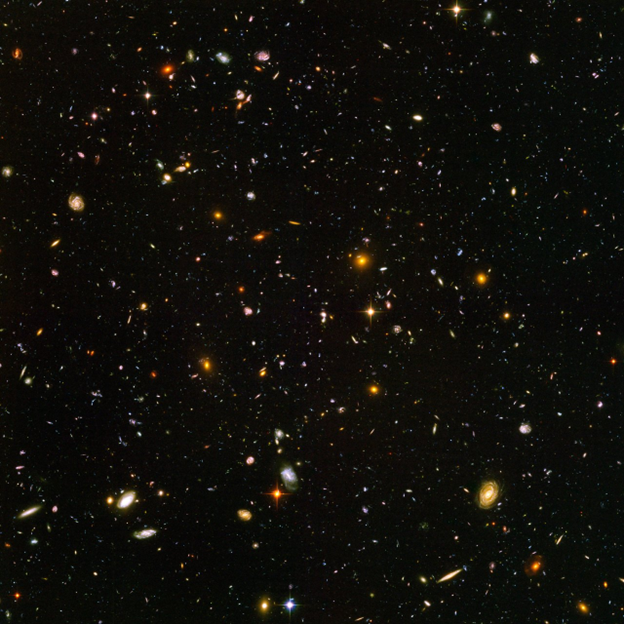
In 1995, scientists took a gamble using Hubble. They decided to focus the telescope on a dark patch of the sky where there seems to be nothing visible either to the naked eye or the other powerful ground based telescopes. They were surprised to find thousands of galaxies from the early history of our universe showing up in this deep field image. They followed it up with an ultra deep field image in 2004. The image given below courtesy NASA, required 800 exposures taken over the course of 400 Hubble orbits around the Earth. Obviously, such complex images are assembled from thousands of individual pictures and colors are assigned based on the frequencies of the signals received.
Bottomline is that dark patches of sky may not be really dark. It could be the limitation of our sensors – eyes or man made sensors. It is possible that the gamble would have failed and we could have come up with pure darkness or absence of any visible objects. And thereby wasted Hubble observation time which could have been used for some other purpose. There are lots of requests from different astronomers for observation time on such telescopes. The allocation of observation time is done after careful considerations.
Chandrayaan 3 is India’s moon landing mission. The lander landed closer to the South Pole in Aug 2023. The orbiter called the propulsion module (PM) orbited the moon for some time thereafter. The mission team realized that there is still about 100 kg of propellant left in the PM. The team might have been defensive in determining the amount of the propellant required. Since all the maneuvers went according to the plan, there was no need to dip into the propellant reserve. The team then decided to bring the PM back to the Earth.
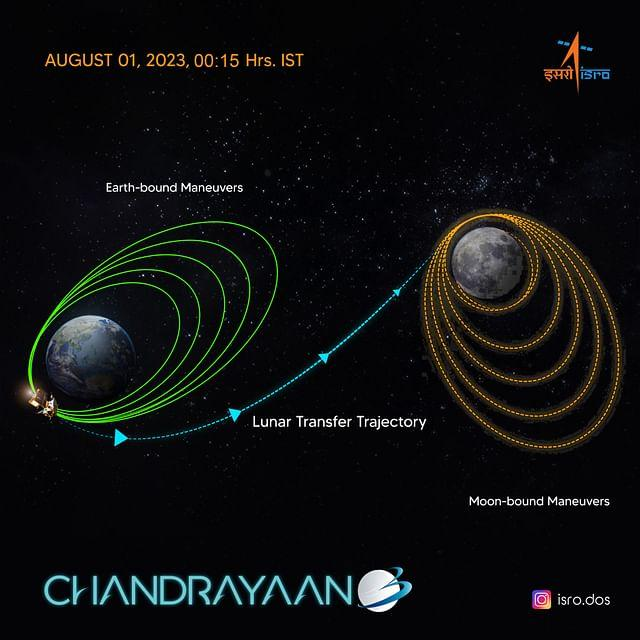
To understand how the PM was brought back to the Earth, the following picture, courtesy ISRO (Indian Space Research Organization), shows how it was sent to the moon in the first place. A series of elongated orbits around the Earth before insertion into the Lunar Transfer Trajectory. And then some orbits around the Moon to stabilize into a close circular orbit. The reverse process was undertaken to bring it back to the Earth. It took a couple of months before the PM reached the Earth in December 2023.
The gamble could have failed and the PM could have been lost in space. But then there was no use of the PM orbiting the moon till it exhausted its fuel. With this return journey, it was proved that ISRO can use the gravity assist of the Moon to fling back a spacecraft towards the Earth.
A second afterthought was to see if the Lander could be re-ignited to take off from the lunar surface. A brief reignition did occur and the Lander did raise a few feet into the air and landed again a few feet away. It is a small distance, but then it proved that if a lunar sample needs to be carried back to the Earth, the lander can take off and dock with the PM, which can bring it back to the Earth. These afterthoughts laid the groundwork for future missions with more capabilities.
Both these afterthoughts proved to be beneficial. Good sense prevailed in coming up with such ideas and executing them successfully.
Some days ago, I received this beautiful picture from David. He saw these lovely clouds appear high over Newcastle, UK, recently, at dawn and at dusk. I know a bit about the common clouds floating above us, some beautiful, some dark, some low and some white fluffy ones flying high, but nacreous ones had eluded my attention. So I decided to learn more about them for two reasons. First, to really know what they are and secondly, to impress my husband who at the moment is studying weather in his bid to get a pilot’s license. His new hobby!
Here is what I learnt. Nacreous clouds, also known as polar stratospheric clouds or mother-of-pearl clouds, are rare and form in or near the polar regions at extremely high altitudes, typically in the stratosphere, where temperatures plummet to frigid levels. What makes nacreous clouds particularly stunning is their vibrant iridescence, a result of sunlight scattering through tiny ice crystals within the cloud. The play of colors—ranging from pinks and purples to blues and greens creates a painting on the polar heavens of ethereal beauty.
The occurrence of nacreous clouds is often associated with the presence of polar stratospheric ozone depletion, making them an indirect indicator of environmental changes. As we explore the vast reaches of the cosmos, understanding Earth’s atmospheric processes becomes crucial in drawing parallels with other celestial bodies and expanding our comprehension of the broader universe.
Ancient Stars Forged Elements Heavier Than Anything Ever Found in Nature Stars at the very dawn of time must have been capable of creating elements far heavier than anything that has ever been found naturally occurring on Earth, or at all in the wider Universe. That’s the conclusion a team of astronomers led by Ian Roederer of the University of Michigan has drawn after examining 42 stars in the Milky Way…more
-ScienceAlert
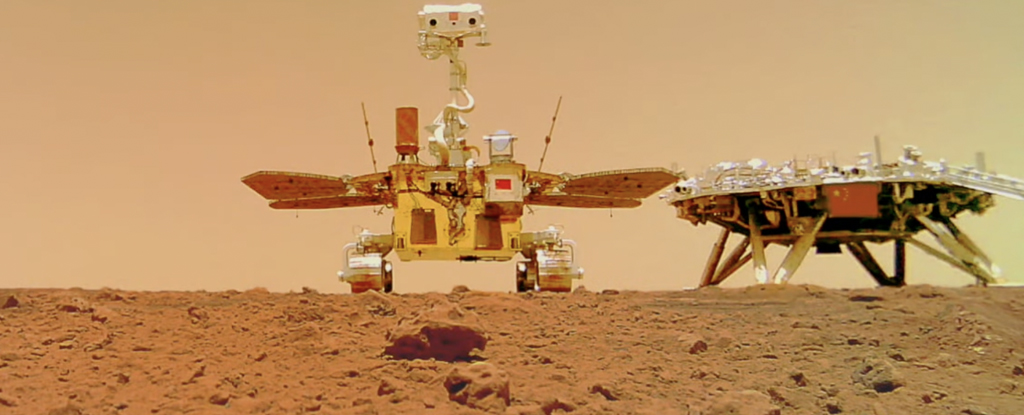
China’s Lander Detects Giant Polygonal Structures Buried Beneath Mars China’s Zhurong rover was equipped with a ground-penetrating radar system, allowing it to peer beneath Mars‘s surface. Researchers have announced new results from the scans of Zhurong’s landing site in Utopia Planitia, saying they identified irregular polygonal wedges located at a depth of about 35 meters all along the robot’s journey…more
-arstechinca.com
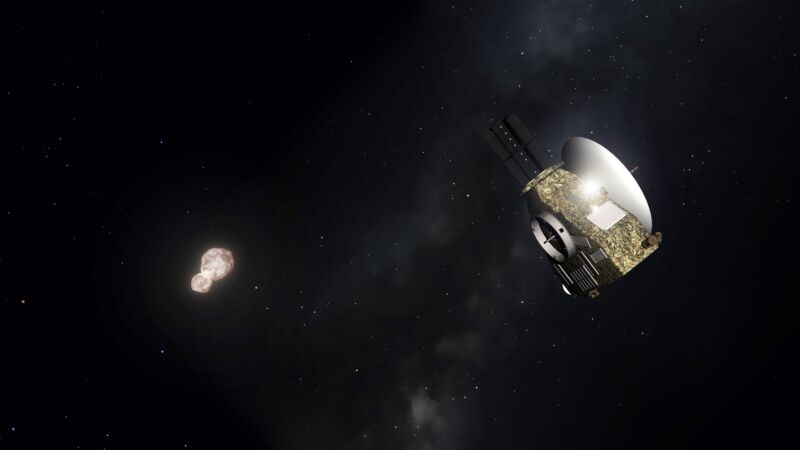
Deep into the Kuiper Belt, New Horizons is still doing science New Horizons is now nearly twice as far from the Sun as Pluto, the outer planets are receding fast, and interstellar space is illuminated by the vast swath of the Milky Way ahead. But the spacecraft’s research is far from over. Its instruments are all functioning and responsive, and the New Horizons team has been working hard…more
-livescience.com
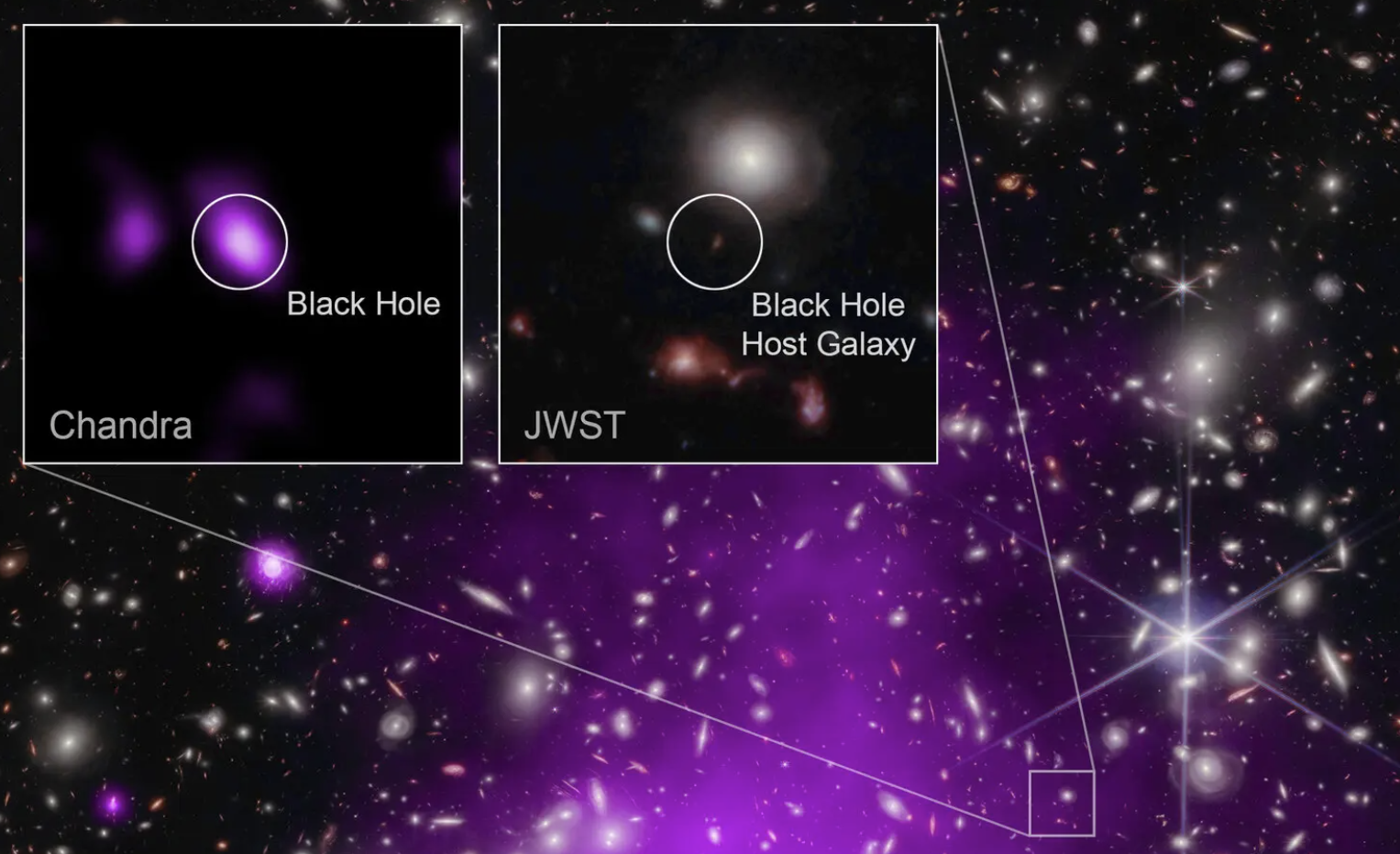
James Webb telescope discovers oldest black hole in the universe The James Webb Space Telescope (JWST) has spotted the oldest black hole ever seen, an ancient monster with the mass of 1.6 million suns lurking 13 billion years in the universe’s past. The James Webb Space Telescope, whose cameras enable it to look back in time to our universe’s beginnings…more
-NYT
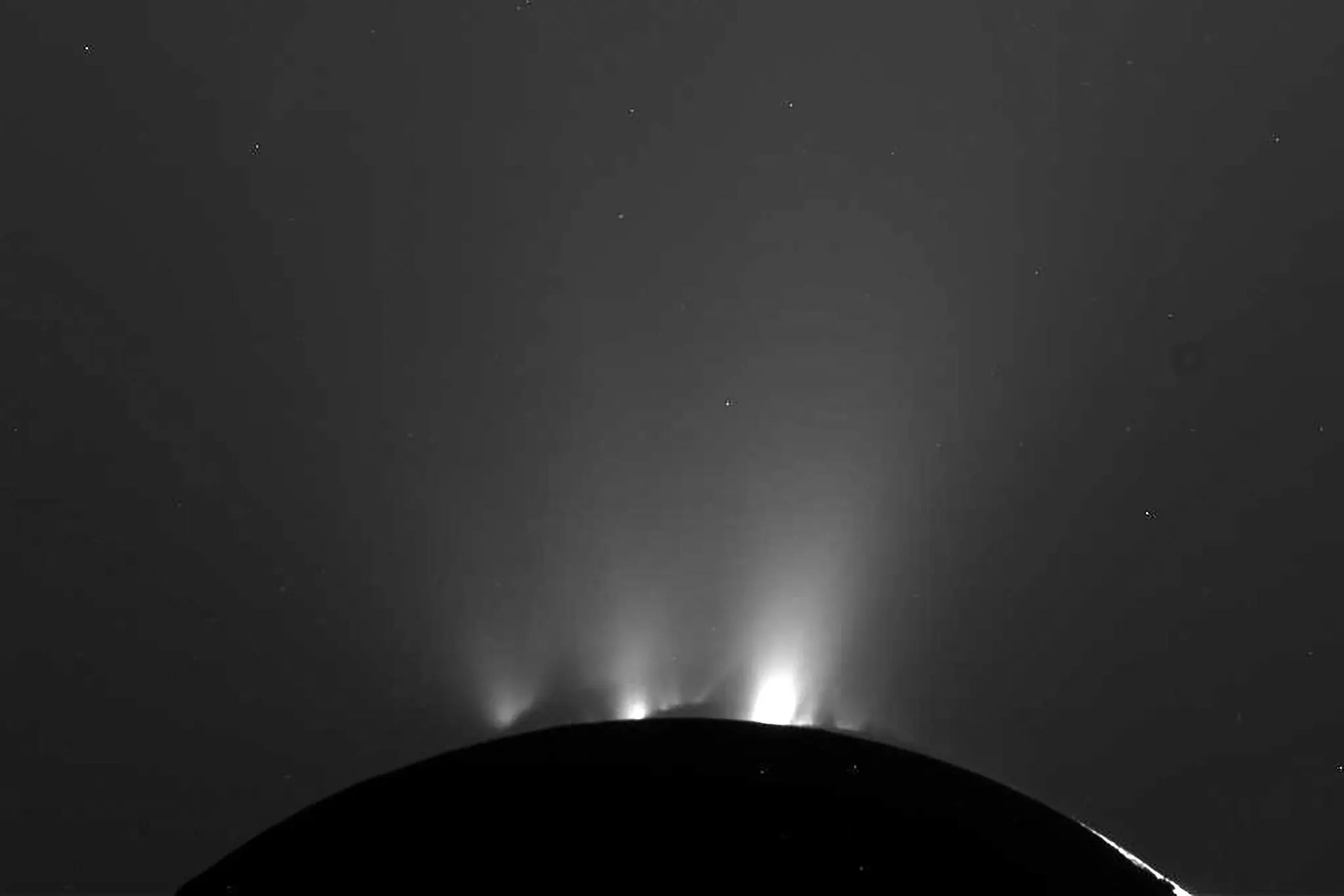
Poison Gas Hints at Potential for Life on an Ocean Moon of Saturn Scientists have detected a poison among the spray of molecules emanating from a small moon of Saturn. That adds to existing intrigue about the possibility of life there. The poison is hydrogen cyanide, a colorless gas that is deadly to many Earth creatures…more
-NASA
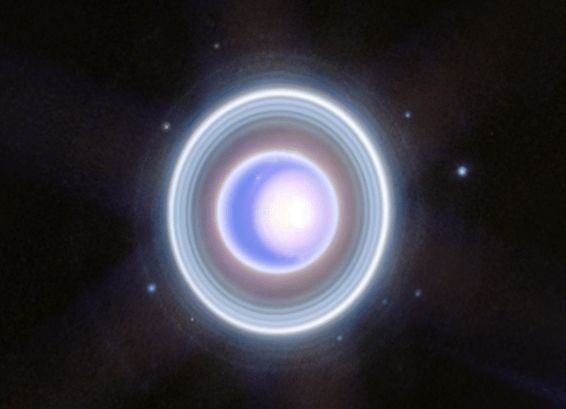
NASA’s Webb Rings in Holidays With Ringed Planet Uranus NASA’s James Webb Space Telescope recently trained its sights on unusual and enigmatic Uranus, an ice giant that spins on its side. Webb captured this dynamic world with rings, moons, storms, and other atmospheric features – including a seasonal polar cap. The image expands upon a two-color version released earlier this year…more
-NYT
It’s Christmastime in the Cosmos Using data from the James Webb Space Telescope, NASA released an image last month of a Christmas Tree Galaxy Cluster, a winking collection of galaxies 4.3 billion light-years from Earth. And last week, an image of Cassiopeia A, the remains of a star that exploded 340 years ago, was also unveiled by the first lady, Jill Biden…more
-NYT
How to Create a Black Hole Out of Thin Air Spiraling light at the edge of a distant supermassive black hole could help matter escape from being consumed by this cosmic titan. The supermassive black hole of M87 — also known as M87* — has a mass equal to around 6.5 billion suns. It especially came to the public’s attention in 2019 when an image of M87*, captured by the Event Horizon Telescope (EHT)…more
-mashable..com
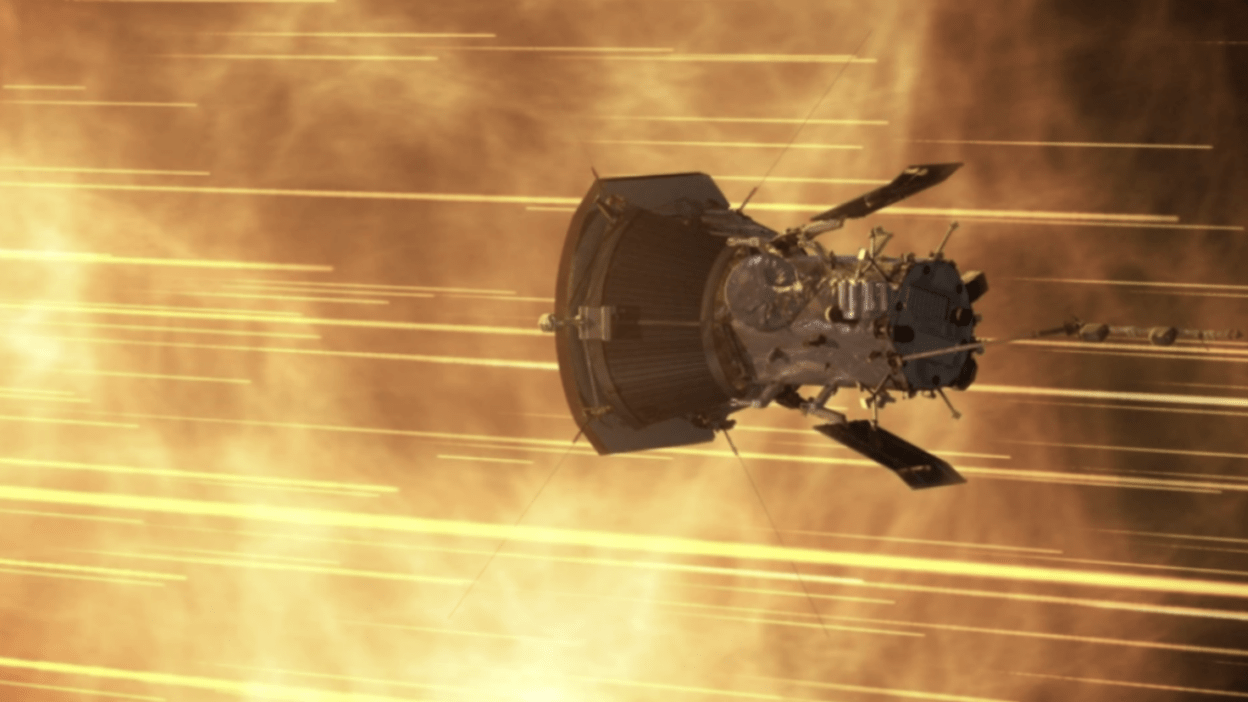
NASA spacecraft keeps on going faster and faster and faster Over the past couple years, NASA’s Parker Solar Probe has continually smashed its own speed records. And in the next year, it will continue to break more records. The agency’s well-fortified spacecraft is swooping progressively closer to the sun, and during each pass, picks up more speed. In 2018, soon after its launch, the probe became the fastest human-made object ever built, and by 2024 it will reach a whopping…more
-NYT
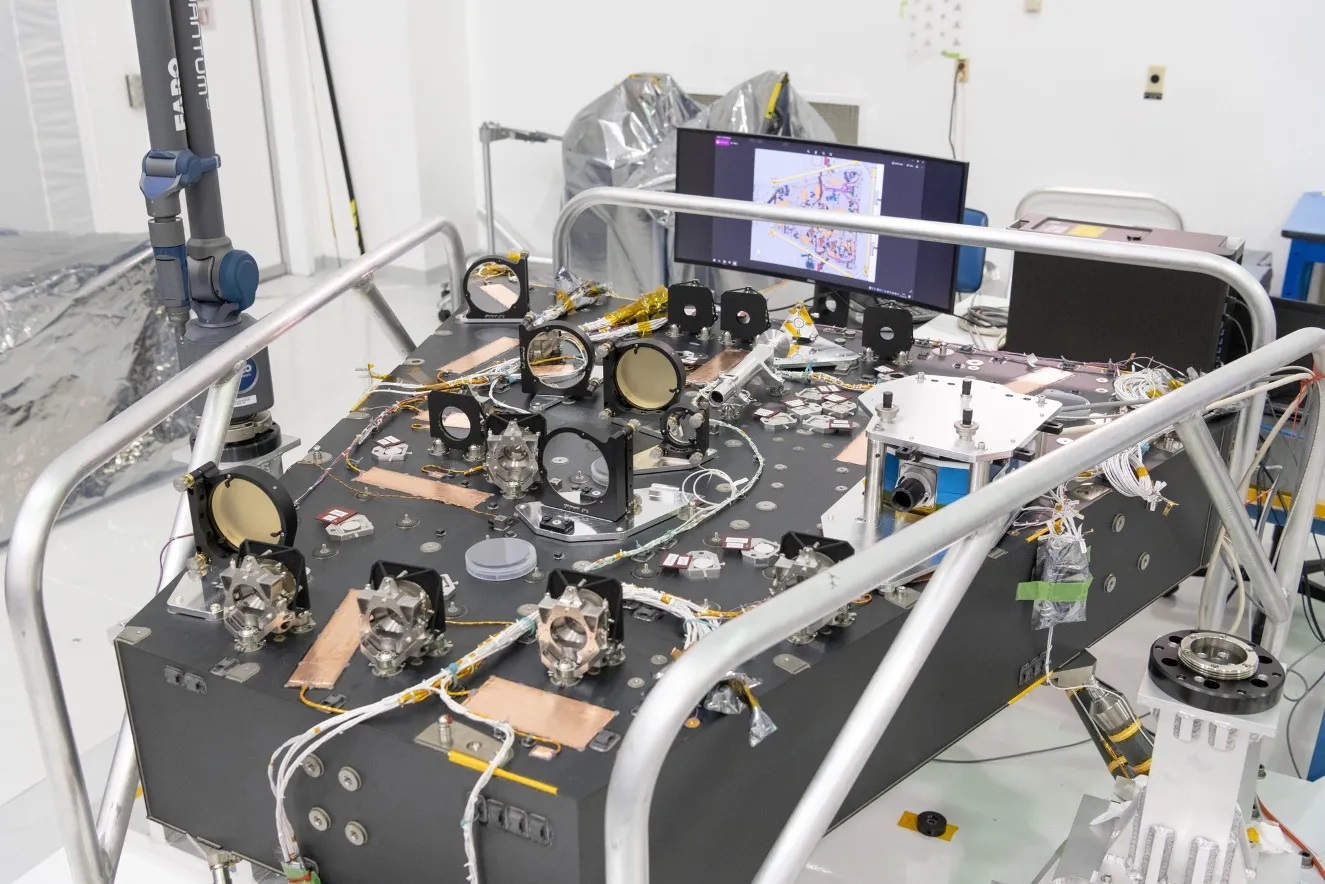
Next Generation Space Telescopes Could Use Deformable Mirrors to Image Earth-Sized Worlds Observing distant objects is no easy task, thanks to our planet’s thick and fluffy atmosphere. As light passes through the upper reaches of our atmosphere, it is refracted and distorted, making it much harder to discern objects at cosmological distances (billions of light years away) and small objects in adjacent star systems like exoplanets…more
by Rex Parker, PhD director@princetonastronomers.org
Reasons to Look Up. As the year 2023 winds down and the holiday spirit ascends, we can share some pride in our organization and its accomplishments. The membership roster has exceeded 200 for a couple of years now and we are in good shape financially with a fully functioning and maintained observatory. We’ve become adept at presenting hybrid meetings live from Princeton’s Peyton Hall with simultaneous remote Zoom. Attendance at the monthly meetings has been split about 50/50 live/Zoom. The hybrid meeting technical challenge has been met by members Dave Skitt and Ira Polans, who figured out the video/PC hardware and software, and worked through the technical kinks of running hybrid meetings. The presentations from these meetings have been preserved on the AAAP You Tube channel, thanks to video editing by Victor Davis. A new members-only AAAP Astroimagers group has been formed by those with experience or desire to learn photography and astrovideo, thanks to Michael DiMario’s leadership. The skills brought by Social Media Coordinator Debbie Mayes has reinvented our connections to the public and helped draw in new members. The Astro outreach program managed by Bill Murray culminated this fall in multiple external telescope sessions including the Institute for Advanced Study with Bob Vanderbei. I want to convey my deep appreciation for the efforts of our Officers, observatory Keyholders, our ST Editors, and the members of AAAP who are the lifeblood of our organization.
Now I’m happy to be back home again in the Princeton area after some recent travel across the globe. I look forward to seeing you at the meeting at Peyton Hall on December 12 . Please check out Victor’s article below for information about the guest speaker.
Tribute to John Miller. Long-time member and friend John C. Miller passed on to the great beyond Nov 11, after a long but well-fought battle with multiple myeloma. Many AAAP members and the public who ventured out to the Observatory got to know John through his dedicated efforts to connect with others about astronomy. John Miller deeply appreciated the AAAP and Princeton history, and these drove his commitment to astronomy and connections to others through the years. He first became a member as a teenager (1970-1976), then renewed his affiliation again later in 1998. His AAAP involvement, as I recall it, goes back to around 1998 when in my first stint as director I took him up on the offer to develop the AAAP’s first internet website. This directly evolved into the website you see today. He came up with the rotating orrery design which persisted many years on our website, drawn from Princeton’s famed Rittenhouse Orrery (circa 1770) displayed in the Peyton Hall foyer (see image below; it can still be found on the club website if you search).
John went on to be our webmaster, a role he eventually shared with others including Surabhi, web and ST editor today. John could be said to have unusual hobbies. He kept praying mantises and raised them in a terrarium, even bringing one over to release in our gardens at home because he thought his pet deserved a better environment than he could provide. John was a fixture at Jersey Starquest weekend events in the early 2000’s, and at the Observatory where he was often seen engaging the public in astro outreach. He not only represented AAAP to the faculty at of Astrophysical Sciences, he became a student of astronomy and astrophysics, auditing Princeton courses where he frequented Peyton Hall at all hours. He was deeply involved in the Optical SETI project with Prof. David Wilkinson at the Fitzrandolph Observatory on the Princeton campus in the early 2000s. He was a champion of visual telescopic observing even as we moved towards astrovideo and astrophotography, and particularly loved views through Newtonian reflector telescopes. He took on key roles in AAAP through the years, including assistant director (~2004-06), (~2014-20), and Director (~2007-09). He had a sharp wit and seldom hesitated to use it when he thought it could drive a discussion in the direction needed.
We have some special links to John’s thoughts that members can share. In May 2020 Sidereal Times, the editors posted a reminisce by John “When How and Why I became Interested in Astronomy”. That article is a must-read for all who knew John! Also in 2020 a video of John describing his insights into Princeton physics and astronomy was produced by member Rich Sherman, available on AAAP’s You Tube channel (this too is a must-see!).
John Miller, you are missed by all of us in AAAP. Thank you for what you did, what you stood for, what mattered to you, and for being a great friend of AAAP throughout the years.
December Meeting Is Zoom only (not meeting at Peyton Hall in Dec)
The December, 2023 meeting of the AAAP will take place virtually via Zoom only, December 12th at 7:30 PM (link below). As usual, the Zoom meeting is open to AAAP members and the public. Participants can join the Zoom session as early as 7:00 pm to chat informally before the meeting begins. This evening’s guest speaker is Mario Motta, MD, a retired cardiologist living in Gloucester, MA. From his special perspective as a physician, Dr. Motta will talk about the medical and environmental consequences of light pollution.
Options for Attending the December Meeting
You may choose to attend the meeting in person or participate via Zoom or YouTube as we’ve been doing for the past few years. (See How to Participate below for details). Due to security concerns, if you log in before the host has set up internet connectivity in Peyton Hall, you may need to wait in the Waiting Room for a few minutes until the host is prepared to admit you into the meeting. You’ll need to unmute yourself to make comments or ask questions. It’s polite, though not required, for you to enable your camera so other participants can see you.
Guest Speaker will be Virtual Dr. Motta will be zooming from his home outside Boston. Our meeting hall will be equipped to show Dr. Motta and his visuals on the large video projection screen. Otherwise, the meeting will be accessible as usual
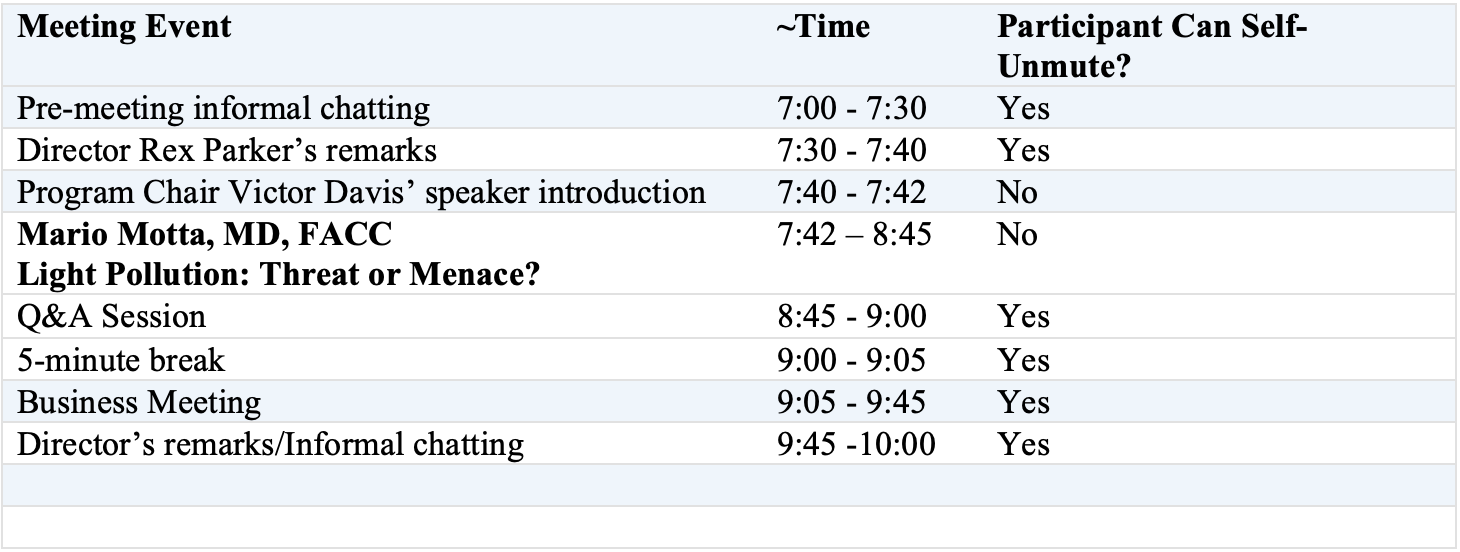
Here’s the anticipated agenda for December’s monthly meeting of the AAAP:
(Times are approximate)
Getting to Peyton Hall The parking lots across the street (Ivy Lane) from Peyton Hall are now construction sites, unavailable for parking. We’ve been advised by the administration of the astrophysics department that we should park in the new enclosed parking garage off Fitzrandolph street and walk around the stadium and athletic fields. Here’s a map of the campus and walking routes from the parking garage to Peyton Hall. The map shows the recently completed East Garage. Not shown is an access road Sweet Gum that connects from Faculty Road to an entrance at the lower left corner of the garage. Stadium Road connects from Fitzrandolph Road to another entrance at the opposite corner (and higher level) of the garage. It’s about a 10-15 minute walk from the parking garage to Peyton Hall.
“The Environmental and Medical Consequences of Light Pollution”
The Environmental and Medical Consequences of Light Pollution
There are strong economic and climate-related arguments for use of LED of street lighting around the world. However, not all LED light is optimal. Some LED lighting fixtures produce excess blue emission, harmful to both human health and the environment. The problem is with the disruption of circadian rhythmicity through suppression of melatonin production by the pineal gland. Melatonin has been shown to be an important adjuvant to the human immune system, and thus when suppressed has detrimental human health effects. Many white LED street lights have a spectrum that contains a strong spike in the blue wavelength, which is most effective at suppressing melatonin during the night. There is now voluminous data showing a higher risk of hormonally linked cancers with melatonin suppression.
Also, improperly designed lighting fixtures can result in glare, and create a road hazard condition. This can be greatly mitigated by proper design, shielding and installation so that no light shines above 80 degrees from the horizontal. The visual hazard by these very intense point sources is magnified by higher color temperature LEDs because blue light scatters more in the human eye, leading to increased disability glare and has serious implications for night-time driving visibility.
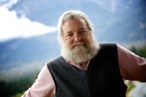
Mario Motta, MD, FACC
Dr. Motta had been in practice at North Shore Medical Center in Salem, Massachusetts, since 1983, recently retiring in 2022. He is a graduate of Boston College, with a BS in physics and biology, and of Tufts Medical School. He is boarded in and is a fellow of the American College of Cardiology and of the American Society of Nuclear Cardiology. He is an associate professor of medicine at Tufts University School of Medicine. Dr. Motta has long been active in organized medicine, both in the American Medical Association (AMA) and in the Massachusetts Medical Society (MMS), holding a number of posts through the years. He is a past President of the MMS, and was elected to the AMA council of Science and public Health where he has served 8 years, and elected to the Board of Trustees of the AMA in 2018, recently completing his term.
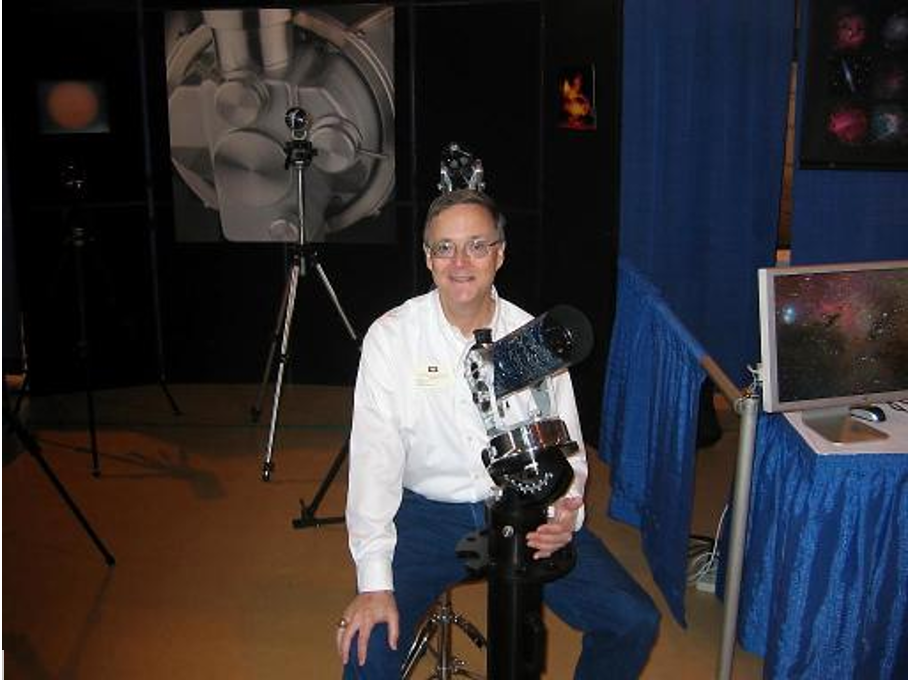
Dr. Motta also has a lifelong interest in astronomy, and has hand built a number of telescopes and observatories through the years to do astronomy research, including his entirely homemade 32 inch F6 relay telescope located in Gloucester, MA. He has been awarded several national awards in astronomy, including the Las Cumbras award from the Astronomical Society of the Pacific in 2003, and also the Walter Scott Houston award from the northeast section of the Astronomical League, and in 2017 the Henry Olcott Award from the American Association of Variable star Observers (AAVSO). He has also served as a president of the ATM’s of Boston, and has served as a council member of the AAVSO, and is a past president as well. He has also served on the Board of the IDA. He has worked on light pollution issues, and published several white papers on LP as a member of the AMA council of science and public health. He served on a UN committee (COPUOS) representing the AMA on light pollution for a worldwide effort to control LP and satellite proliferation. Finally, several years ago the International Astronomical Union awarded Dr Motta an asteroid in part for his work on light pollution as well as amateur research, asteroid 133537MarioMotta.
AAAP webcast: This month’s AAAP meeting, beginning with Rex’s opening remarks and ending at the beginning of the business meeting, will be webcast live on YouTube and recorded for subsequent public access on AAAP’s YouTube channel. Be aware that your interactions during this segment, including questions to our guest speaker, may be recorded for posterity.
Join YouTube Live to listen to the speaker using the link below –
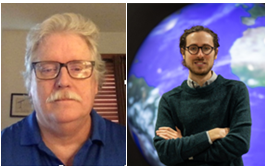
Dr. Medeiros will talk about her research and experiences searching for compact objects as a member of the Event Horizon Telescope Collaboration. Suggested be Michael DiMario.
February 13 2024
Prof. David John Helfand Columbia University djh@astro.columbia.edu
The Universal Timekeepers: Reconstructing History Atom by Atom By utilizing the basic building blocks of matter as imperturbable little clocks, we are now able to reconstruct in quantitative detail a remarkable range of human and natural events. From detecting art forgeries to dating archeological sites, and from laying out a detailed history of human diet and the Earth’s climate to revealing the events surrounding the origin of life, of the Solar System and of the Universe itself, atoms provide us with a precise chronology from the beginning of time to the moment humans emerge to contemplate such questions.
Copies of Prof. Helfand’s book will be for sale and he’ll be available to sign them.
March 12 2024
Erika Hoffman
Graduate student, University of Maryland ebhoff@umd.edu
Erika will describe her research using high-resolution x-ray spectroscopy to investigate ionized outflows from active galactic nuclei (AGNs). Suggested by Bill Thomas.
April 9 2024
Eclipse Observations
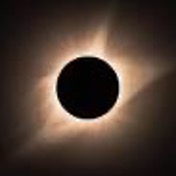
Since this meeting will take place the day after the Total Solar Eclipse of 08 April 2024, and many members will be out of town or returning from their trips, I’m suggesting that we host an online roundup of eclipse observations, with members (and perhaps others) Zooming in to share their experiences.
May 14 2024
Dr. Tea Temim Research Astronomer, Princeton University Department of Astrophysics
Dr. Temim will describe her research using JWST imagery to study supernova remnants. Suggested by Gene Allen. temim@astro.princeton.edu
June 11 2024
NJ State Museum planetarium’s Bill Murray, and Jacob Hamer, Assistant Curator
AAAP’s traditional annual pilgrimage to the NJ State Museum planetarium in Trenton, where members will experience a presentation and a preview of the planetarium’s latest sky show.
As AAAP treasurer for the past seventeen years, one of my duties has been collecting the mail each week at our post office box in Carnegie Center. For many years that was a productive task since members paid dues by check and many new members joined by mail. In recent years, most members have switched to using PayPal on our web site to join and renew. Most of the times when I visit the PO box now, it is empty. In their wisdom, the USPS has also doubled the cost of the box rent over the past five years.
So, along with our telescope clock drives and film imaging, we are saying good-bye to the PO box. Members who pay by dues (which is still very welcome) should send checks to the treasurer:
Amateur Astronomers Association of Princeton, Inc. c/o Michael Mitrano 5 Wrick Avenue Titusville, NJ 08560
The meeting was convened in Peyton Hall by Director Rex Parker at 1930. Following a brief introduction Program ChairVictor Davis introduced speaker Professor Gary Rendsberg of Rutgers University who gave us a presentation entitled The Jewish Calendar: An Ingenious Integration of the Lunar and Solar Cycles. His talk was followed by fifteen minutes of questions and a seven minute break. Attending were 28 in person and 26 online.
Some 22 continued with us in the auditorium after the break when we reconvened at 2100 with an Unjournal Presentation by Member Peter Wraight on The Design of DIY Astronomical Binoculars Using 3D Printing. His homepage at petertinkerer.com is a hard copy of much of his talk and other pages describe nine.com of his creations. He recommends tinkercad.com and Sky Guide for a smartphone planetarium app.
Member Ira Polans followed with his Unjournal Presentation of Simplified Celestial Navigation.
The business meeting opened at 2130 with a recap of Autumn events by Outreach Chair Bill Murray. Of seven past events, 6 were cancelled due to weather. He expressed thanks for Members Victor Davis, Kathy Goff, Rich Karvir, Jeff Pinyan, Dave Reis, and Dave Skitt who represented the AAAP by bringing scopes to the Halloween Night Hike and Stargazing Program at Mercer Meadows Pole Farm on October 28. Upcoming events are a sky talk and stargazing for the Friends of Princeton Open Space on November 18 and a How to Buy a Telescope presentation at the NJ State Museum Planetarium on November 25.
Observatory Co-Chair Dave Skitt reported that the observatory was only partially winterized because some further Keyholder training was still planned. A GSO focuser was acquired very inexpensively at the NJAA flea market that will provide an upgrade to the stock focuser on the Orion XT12i Dobsonian. The passing of longtime Member John Miller was regretfully shared. He was involved with the AAAP from an early age and was a current Keyholder, often sharing his enthusiasm and extensive astronomical knowledge with those at observatory Public Nights. He held the office of Assistant Director from 2004-2006, Director from 2007-2009, and Secretary from 2014-2019. He had developed a close relationship with many of the Princeton faculty and had special privileges in auditing courses to satisfy his endless thirst for more knowledge. In 2020 Member Rich Sherman filmed a video of John giving An Introduction to the AAAP which included a tour of the Princeton campus in the context of astrophysics. It offers a memory of John that we will cherish: https://vimeo.com/883636037/d12559f16c
Rex concluded with comments about our continuing evaluation of double and triple bandpass astrophotography filters under consideration for purchase for use in the observatory and the meeting was adjourned.
Membership currently numbers 203, with 54 having joined in 2023. There have been 115 renewals while 44 have allowed their membership to expire, giving us a 72% retention rate. Submitted by Secretary Gene Allen, 11/24/2023
I am very saddened to hear that John Miller is no longer with us. I met him back in 1999 when I first got started in astronomy and joined the AAAP. He and I quickly became good friends. Not only did we share an interest in astronomy, but we also both liked to play tennis and the two of us hit balls together many times back in the early 2000’s.
As I recall, it was in 2005 when John was diagnosed with a rare blood cancer. And, his diagnosis was only a month or two after John Bahcall was diagnosed with the same illness. For those of you who don’t know (or remember), John Bahcall was the Chair of the Astrophysics Department at the Institute for Advanced Study here in Princeton. And, his wife, Neta was, and still is, an active faculty member in the Astrophysics Department here at Princeton University.
Anyway, both John’s were told that they would probably pass away less than a year after the diagnosis. John Bahcall did succumb to the cancer only months after being diagnosed. John Miller luckily and amazingly got to be with us for almost twenty more years. So, I’m very sad that he’s no longer with us but I’m also very happy that we got to be with him many more years than we expected. He was a great person and I’m glad that I got to be one of his friends.
A young JohnA very nice photo of John John’s love of astronomy took him to amazing places.Vast open space brought him here to this beach to watch the cosmos.
After I had been attending the meetings of the Amateur Astronomers Association of Princeton for a few months, I found myself asking about “that grump who sits up toward the back of the auditorium and says ‘no’ to just everything.” With a chuckle, the name came back, “John Miller.” I was informed that while highly opinionated, he is intensely passionate about astronomy, science and the club, and he has been a vital force within the organization for many decades.
Some months later John and I became acquainted on a public night at the observatory. Aviation provided additional commonality, since he had earned his private license some years prior and I earned his respect, having completed an aviation career between the Air Force and American Airlines. I was impressed with his enthusiasm and the richness of his knowledge, experience, and dedication. He was on a first name basis with many of the Princeton astrophysics faculty and claimed the “special privilege” of asking questions when auditing their courses. His campaign to delete “Amateur” from our name failed to generate sufficient momentum to overcome more than a half century of history on its first round, but I am confident more rounds would have been launched.
John’s friendship felt like an honor to me. He would call me now and then, asking if I had time for a quick question. He would open with a query about thrust reversers or some aspect of airline operation, or maybe share some event that caused him frustration or irritation. We would invariably end up going from topic to topic for over an hour. I knew he lived alone and struggled against numerous severe health issues, so I was eager to provide a cheerful and respectful ear. I always gave him however much time he wanted, and when my wife heard his voice on speaker, she would smile and roll her eyes, knowing I was indisposed for an extended period.
Recently, John had requested my assistance in creating Excel graphs of some of his medical test data. He felt the doctors were inadequately monitoring trends and wanted to see the longitudinal data for himself. I offered to set them up from data he sent or go to his home and do it with him, but he never got far enough out from under his latest health challenges. He apologized to me more than once, of all things, for putting off that project.
We have all been aware that he has been living on borrowed time, but news of his passing was surprisingly painful. He has left a far bigger hole in my personal life than I would have expected. I truly enjoyed every conversation I had with him, and I will miss them. I had never seen the video of John pitching membership in the AAAP, and I will long cherish it. Thank you so much for that, Richard Sherman.
Link to the video that Rich did with John in 2020:
Astrophysics for People in A Hurry by Neil deGrasse Tyson Published 2017 Grade: A Hardback $9.99 on Amazon 224 pages
Okay, so it’s not a new book but with the holidays right around the corner “Astrophysics for People in a Hurry” would make a great gift for your family and friends who wonder why you are so interested in the night sky. It is well-suited for the beginner to intermediate, easy to read, and does a solid job on all the topics. It has 12 chapters, and with 224 pages you might think it is long, but the hardback measures only 4.75” x 7.5” so it is a quick read. There are no images in the book, but that is certainly one of the reasons the hardback costs less than $10. There are lots of interesting details throughout. For example, Chapter 8, “On Being Round” discusses the universe’s preferred geometric shape of the sphere. Dr. Tyson has developed a reputation for interpreting astronomy and astrophysics for the layman and this book is a perfect example of what he does well.
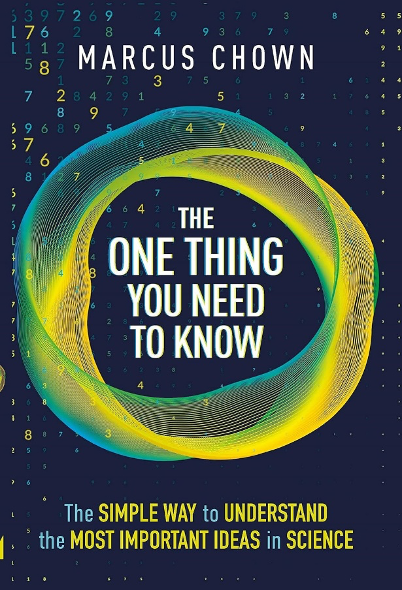
The One Thing You Need to Know by Marcus Chown Published 2023 Grade: A- Hardback $22.14 on Amazon 256 pages
This is not an astronomy nor astrophysics book, but one that addresses a variety of scientific topics. Fortunately for us, it delves into many things we care about, like quantum theory, special relativity, general relativity, black holes, and the Big Bang to name a few. There are lots of other interesting topics in the 21 chapters, such as plate tectonics and evolution. The chapters are short and concise, and Mr. Crown tries to boil all the concepts down to one basic idea—much like that high school English teacher who required a clear topic sentence in each paragraph. Of course, these concepts are complex and it is quite a challenge to know where to stop the discussion. I particularly enjoyed the final chapter, “The Big Bang” that reminds us of the three reasons it remains a theory and not science. I would put this comfortably in the “intermediate” category. Club members with Ph.D.’s in scientific fields may find this book too basic, but I think the rest of us can appreciate its breadth and clarity.













 Amateur Astronomers Association of Princeton