
compiled by Arlene & David Kaplan
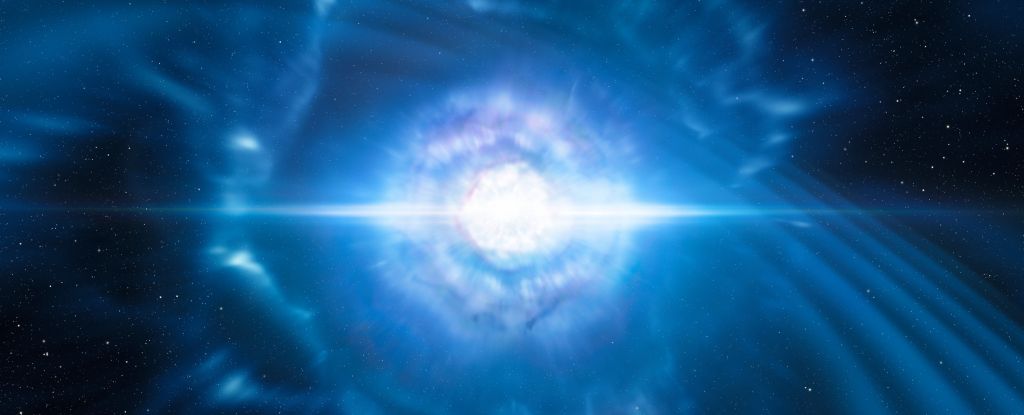
Ancient Stars Forged Elements Heavier Than Anything Ever Found in Nature Stars at the very dawn of time must have been capable of creating elements far heavier than anything that has ever been found naturally occurring on Earth, or at all in the wider Universe. That’s the conclusion a team of astronomers led by Ian Roederer of the University of Michigan has drawn after examining 42 stars in the Milky Way…more
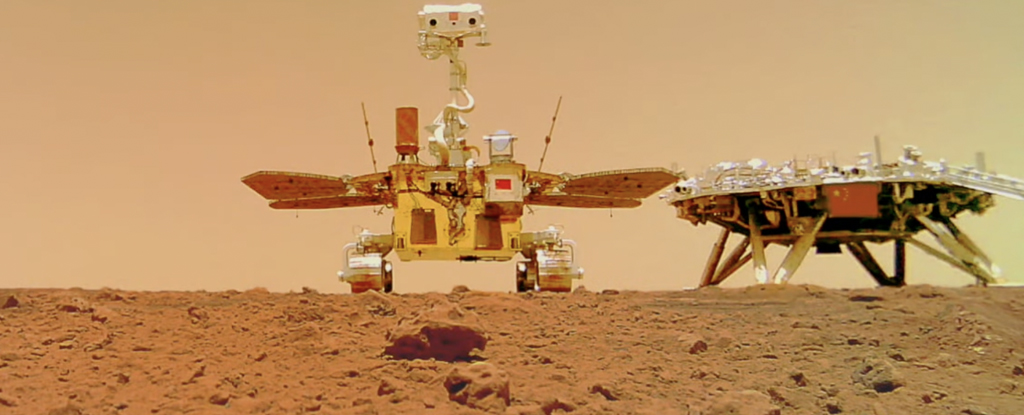
China’s Lander Detects Giant Polygonal Structures Buried Beneath Mars China’s Zhurong rover was equipped with a ground-penetrating radar system, allowing it to peer beneath Mars‘s surface. Researchers have announced new results from the scans of Zhurong’s landing site in Utopia Planitia, saying they identified irregular polygonal wedges located at a depth of about 35 meters all along the robot’s journey…more
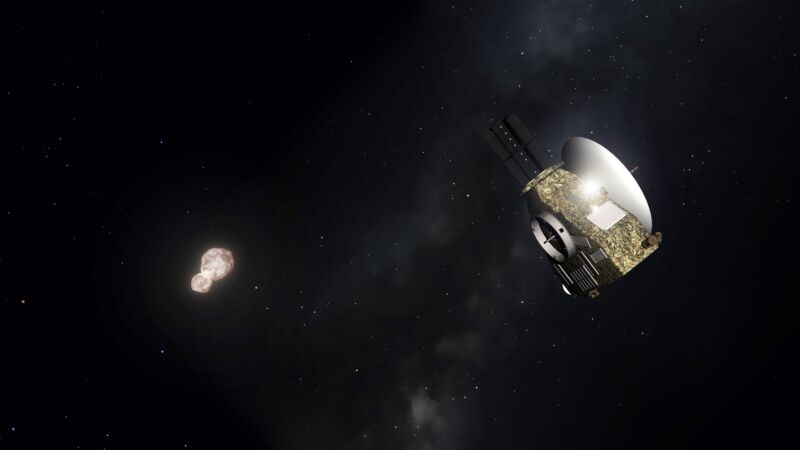
Deep into the Kuiper Belt, New Horizons is still doing science New Horizons is now nearly twice as far from the Sun as Pluto, the outer planets are receding fast, and interstellar space is illuminated by the vast swath of the Milky Way ahead. But the spacecraft’s research is far from over. Its instruments are all functioning and responsive, and the New Horizons team has been working hard…more

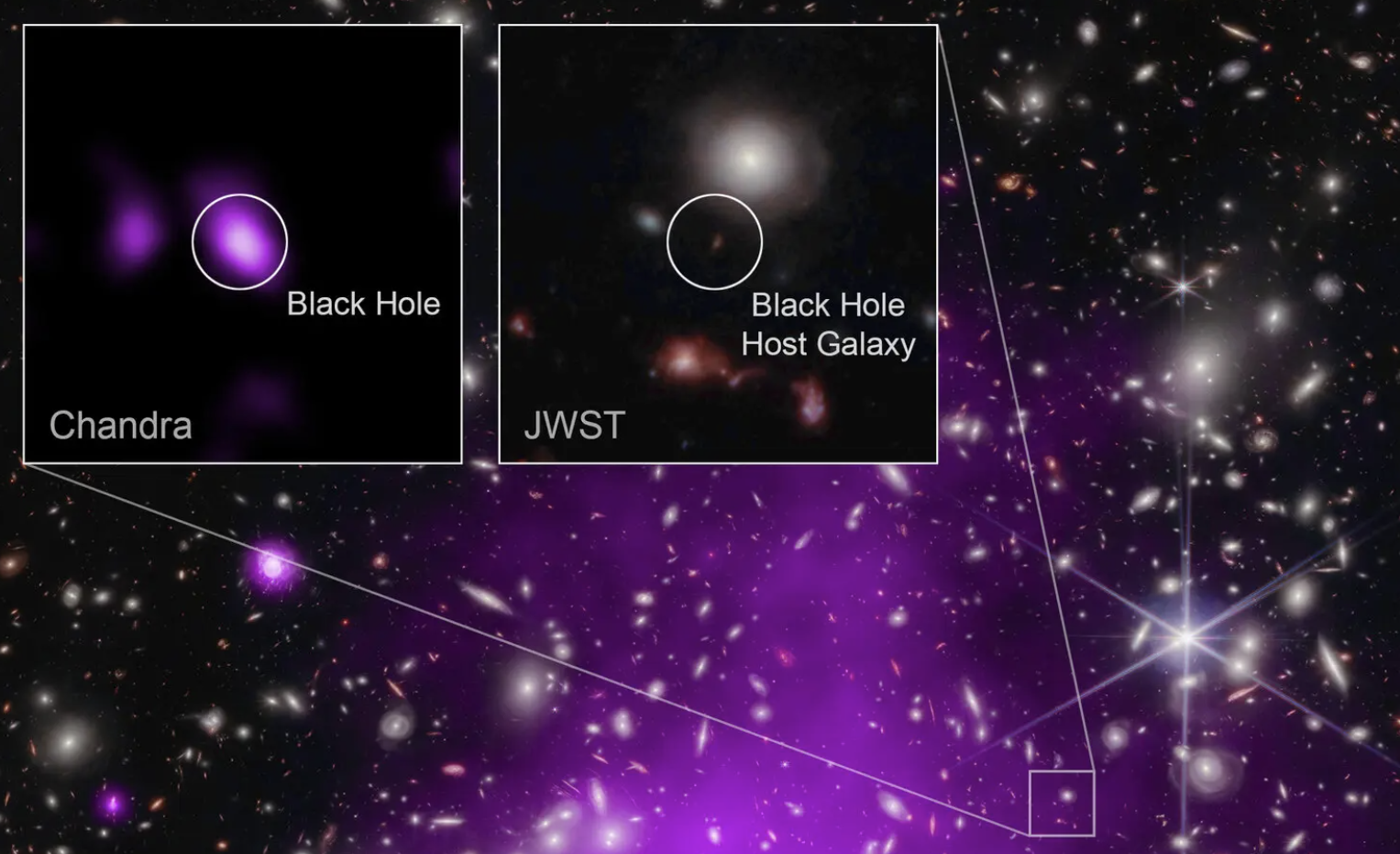
James Webb telescope discovers oldest black hole in the universe The James Webb Space Telescope (JWST) has spotted the oldest black hole ever seen, an ancient monster with the mass of 1.6 million suns lurking 13 billion years in the universe’s past. The James Webb Space Telescope, whose cameras enable it to look back in time to our universe’s beginnings…more
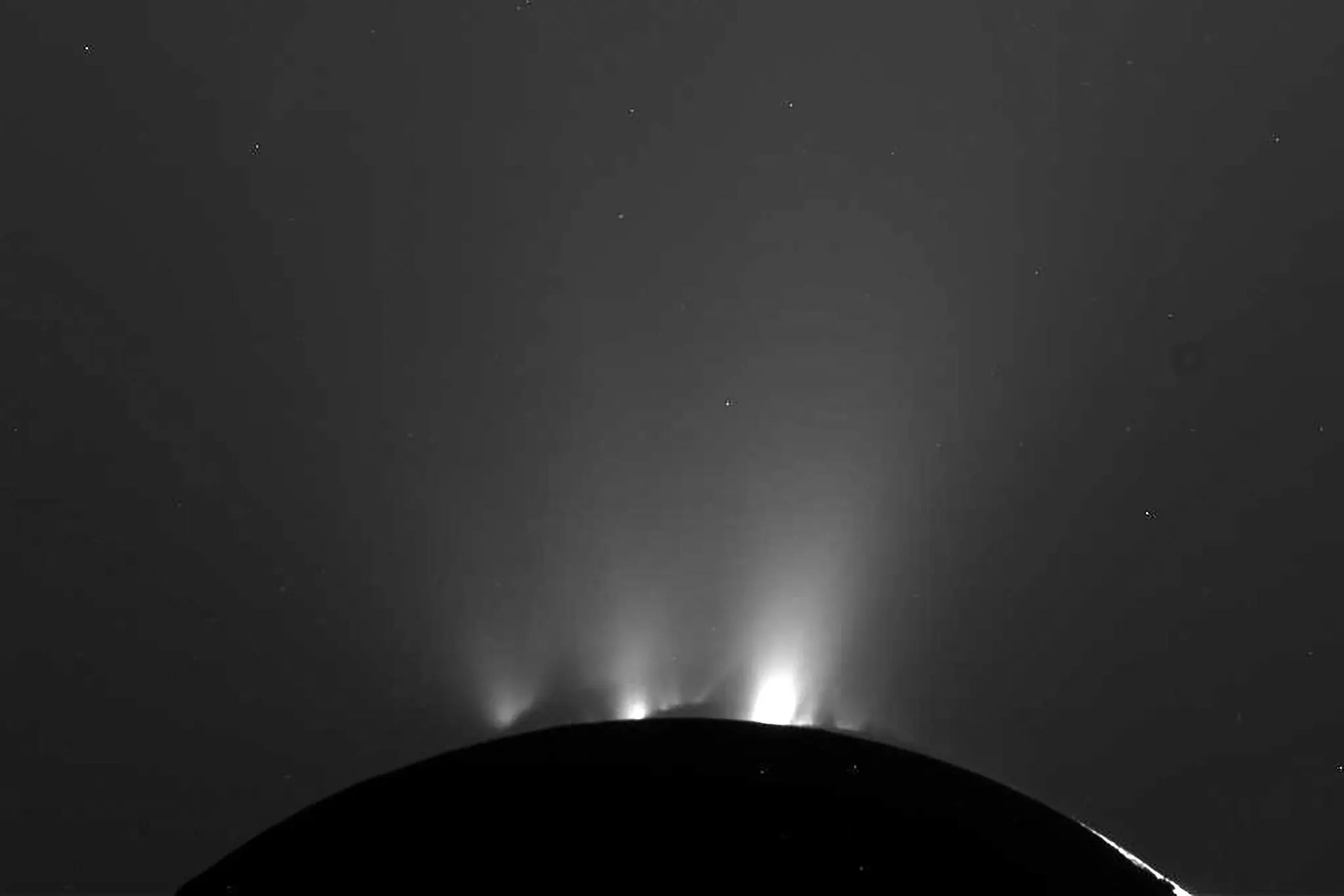
Poison Gas Hints at Potential for Life on an Ocean Moon of Saturn Scientists have detected a poison among the spray of molecules emanating from a small moon of Saturn. That adds to existing intrigue about the possibility of life there. The poison is hydrogen cyanide, a colorless gas that is deadly to many Earth creatures…more
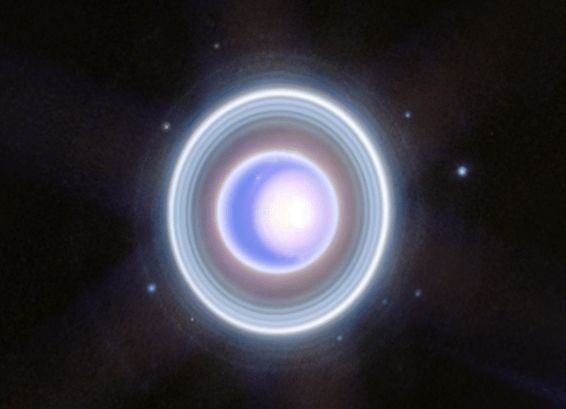
NASA’s Webb Rings in Holidays With Ringed Planet Uranus NASA’s James Webb Space Telescope recently trained its sights on unusual and enigmatic Uranus, an ice giant that spins on its side. Webb captured this dynamic world with rings, moons, storms, and other atmospheric features – including a seasonal polar cap. The image expands upon a two-color version released earlier this year…more

It’s Christmastime in the Cosmos Using data from the James Webb Space Telescope, NASA released an image last month of a Christmas Tree Galaxy Cluster, a winking collection of galaxies 4.3 billion light-years from Earth. And last week, an image of Cassiopeia A, the remains of a star that exploded 340 years ago, was also unveiled by the first lady, Jill Biden…more
How to Create a Black Hole Out of Thin Air Spiraling light at the edge of a distant supermassive black hole could help matter escape from being consumed by this cosmic titan. The supermassive black hole of M87 — also known as M87* — has a mass equal to around 6.5 billion suns. It especially came to the public’s attention in 2019 when an image of M87*, captured by the Event Horizon Telescope (EHT)…more
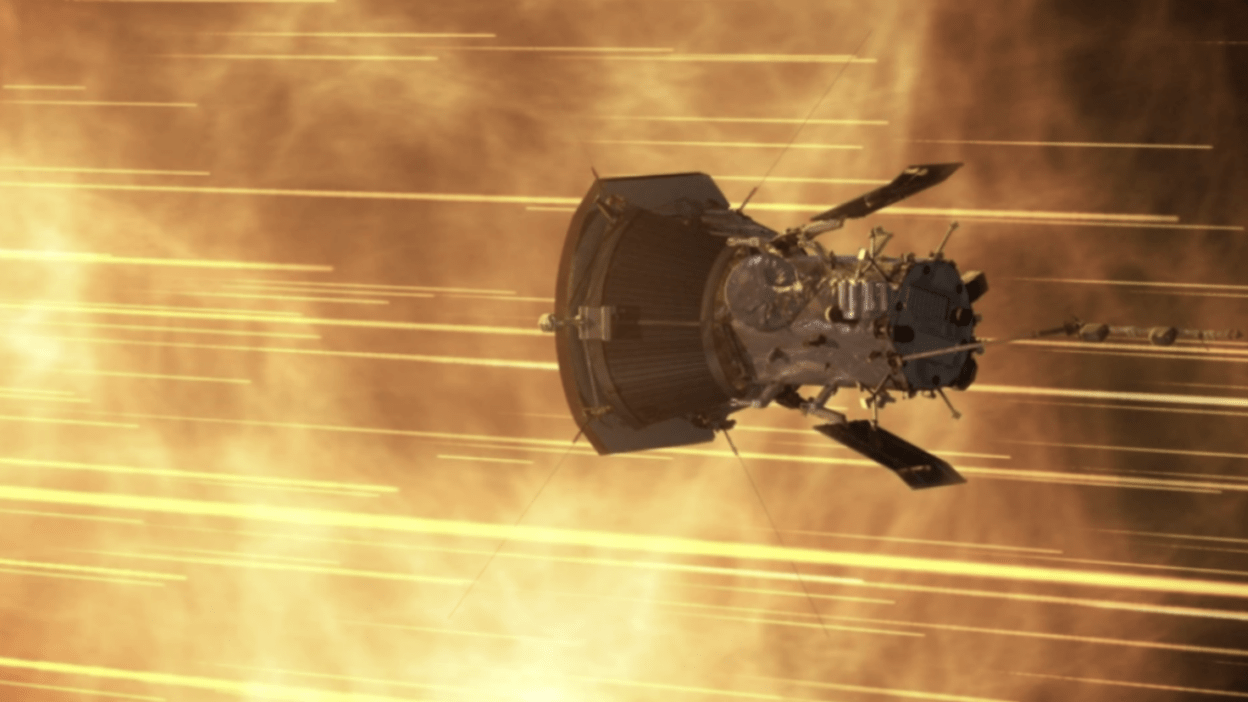
NASA spacecraft keeps on going faster and faster and faster Over the past couple years, NASA’s Parker Solar Probe has continually smashed its own speed records. And in the next year, it will continue to break more records. The agency’s well-fortified spacecraft is swooping progressively closer to the sun, and during each pass, picks up more speed. In 2018, soon after its launch, the probe became the fastest human-made object ever built, and by 2024 it will reach a whopping…more
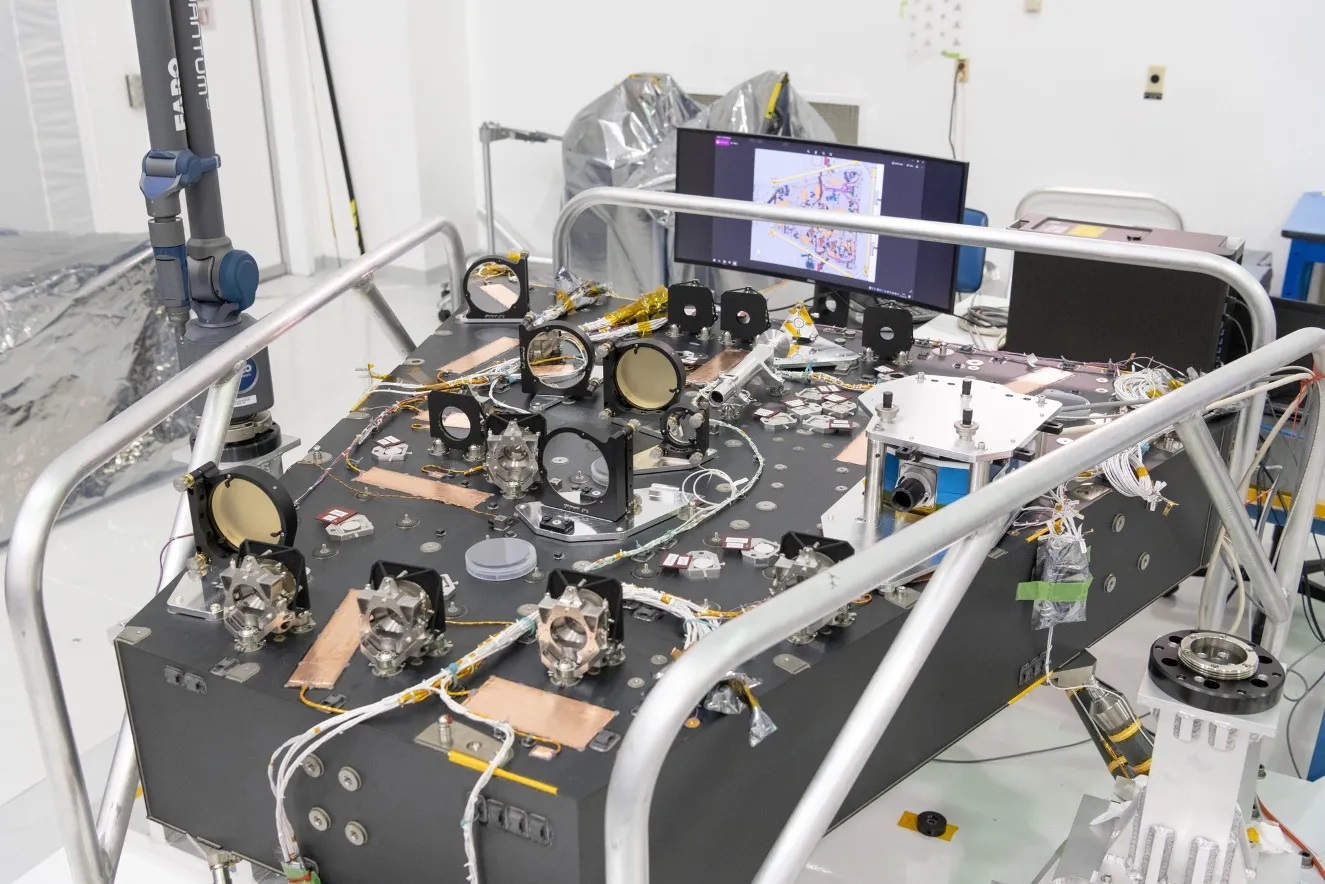
Next Generation Space Telescopes Could Use Deformable Mirrors to Image Earth-Sized Worlds Observing distant objects is no easy task, thanks to our planet’s thick and fluffy atmosphere. As light passes through the upper reaches of our atmosphere, it is refracted and distorted, making it much harder to discern objects at cosmological distances (billions of light years away) and small objects in adjacent star systems like exoplanets…more


