
compiled by Arlene & David Kaplan

Send Your Name to Titan Aboard NASA’s Dragonfly Mission You may never soar under the clouds or over the organic sands of Saturn’s moon Titan, but your name can. NASA is inviting the public to send their names aboard the agency’s Dragonfly rotorcraft and be part of the first science mission to fly and explore the surface of another world. To have your name included on a microchip aboard Dragonfly and receive a personalized digital boarding pass commemorating your place on this historic mission, visit: https://go.nasa.gov/dragonfly-names…more
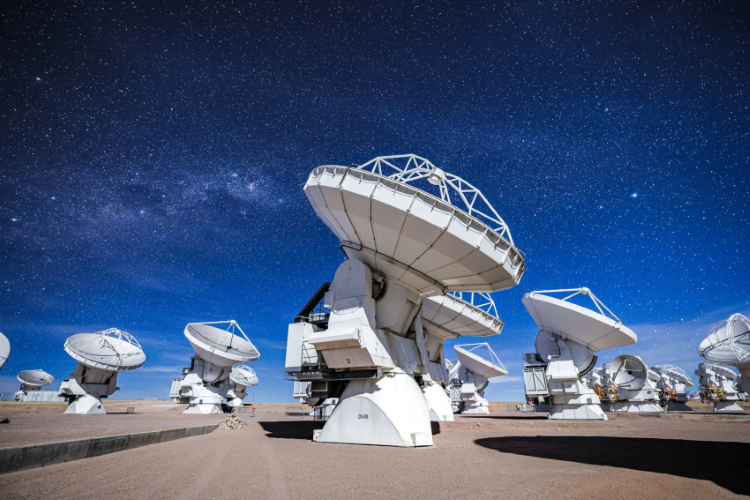
Alien Signals May Hide in Unexplored High Radio Frequencies Confirming the existence of extraterrestrial intelligence via radio signals, also called technosignatures, is the cornerstone of radio astronomy. While humanity has been asking since time immemorial whether or not we’re alone in the universe, radio astronomers are at the frontlines trying to tirelessly answer this longstanding question….more

NASA-funded Study Details One of Oldest Mars Meteorites Ever Found When a rose-colored meteorite was found in the Sahara Desert in 2022, no one knew how old it was or where it came from. Not until NASA-funded scientists age-dated its minerals did they realize the nearly 2-pound (800-gram) rock was a piece of Mars that formed more than 4.1 billion years ago, making it one of the oldest Martian meteorites ever found…more
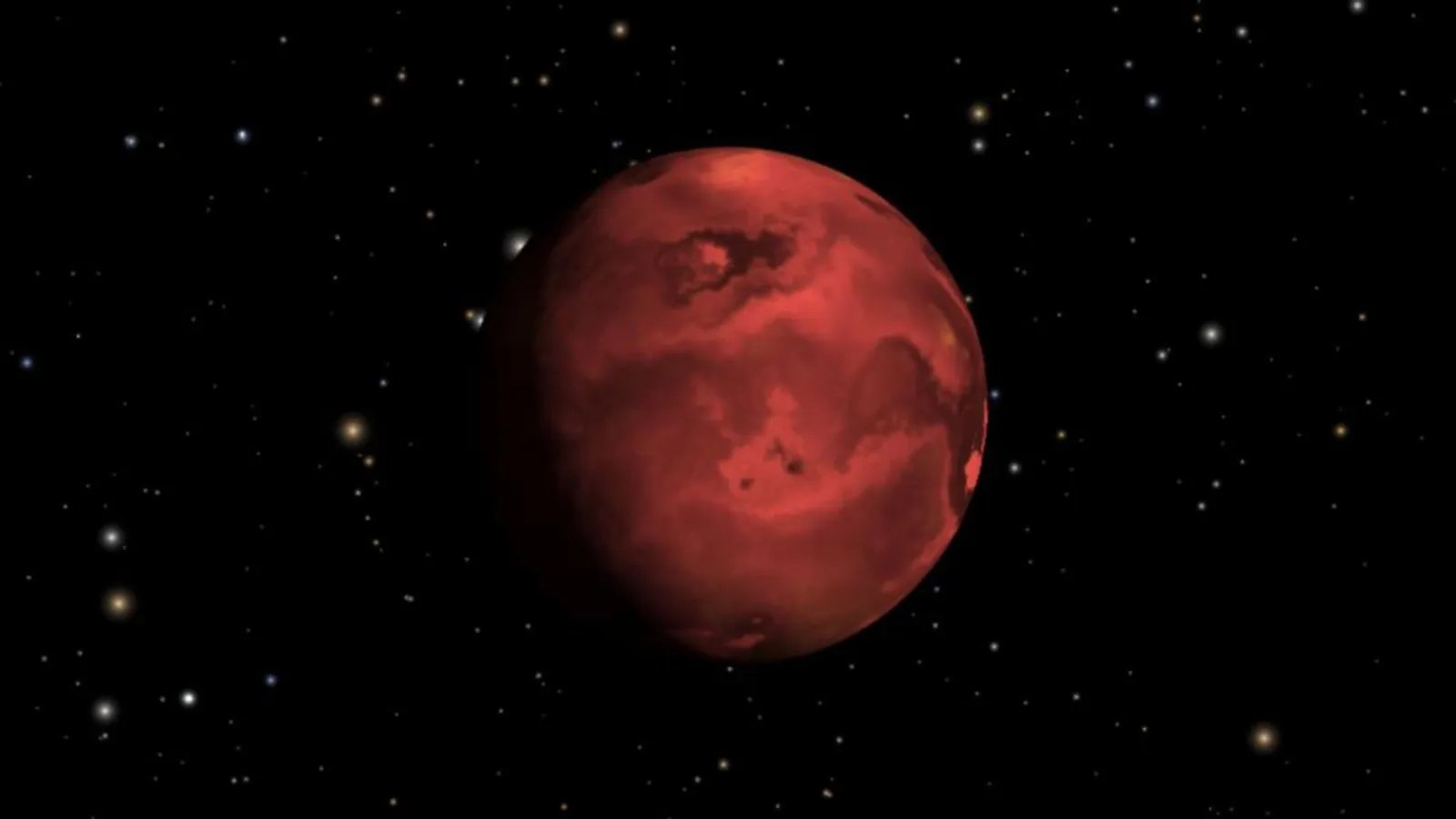
Astronomers discover a cold lava planet that may resemble early Earth In 1990, the Voyager 1 spacecraft, then six billion kilometers from Earth and destined to become humanity’s most far-flung emissary, turned around and took a picture of home. The resulting image is now legendary: a haunting portrait of our tiny, fragile world, a single pale blue dot suspended in a sunbeam…..more
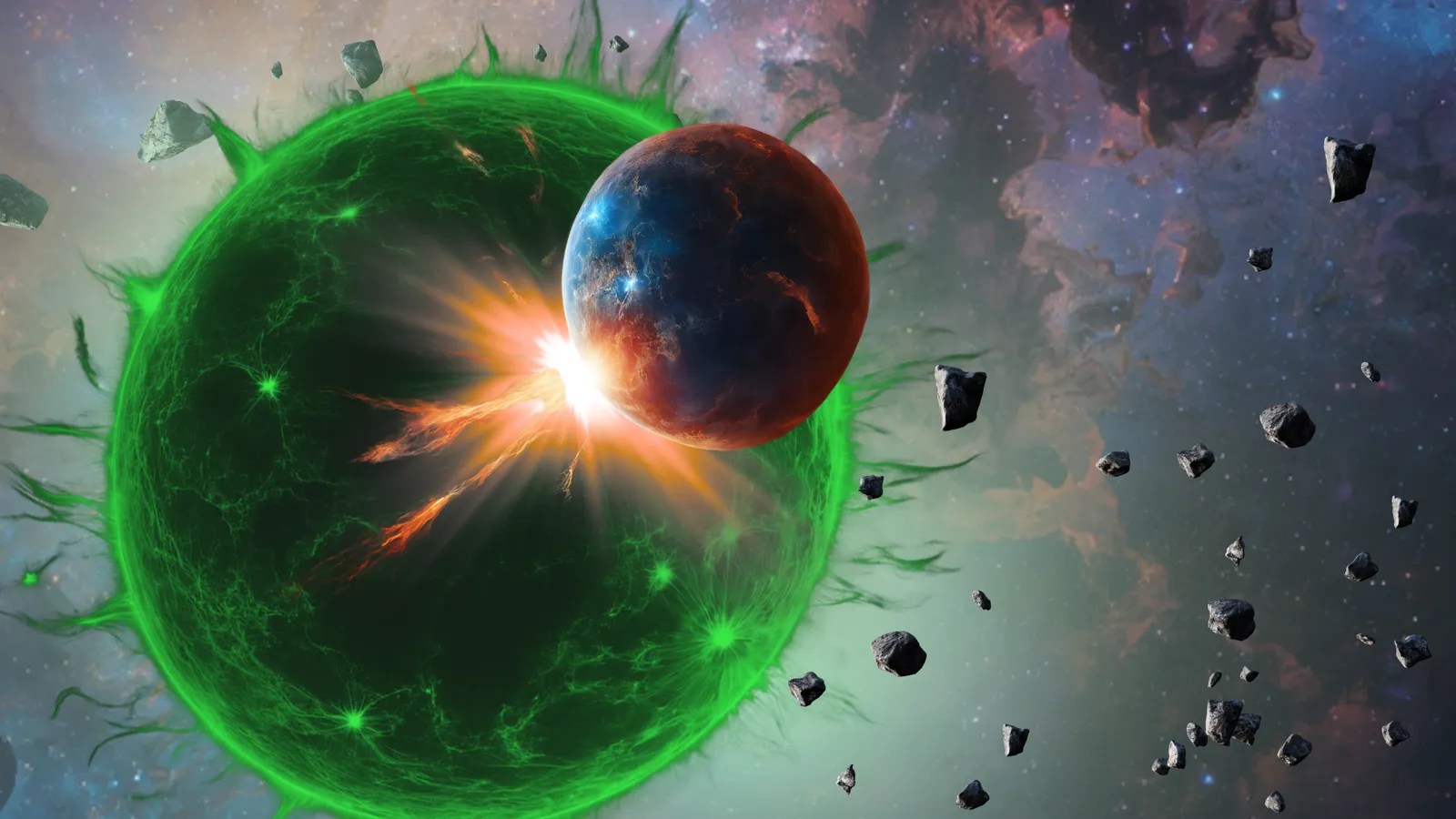
Astronomers discover the 1st ever green star, a cosmic zombie just in time for Halloween “The traces of sodium in the atmosphere of this white dwarf absorb the orange part of the spectrum, leaving behind a ghostly green glow.” How awesome would it be if the sun could take on a spooky green glow for Halloween? It turns out that scientists have discovered that our star may indeed go green…more
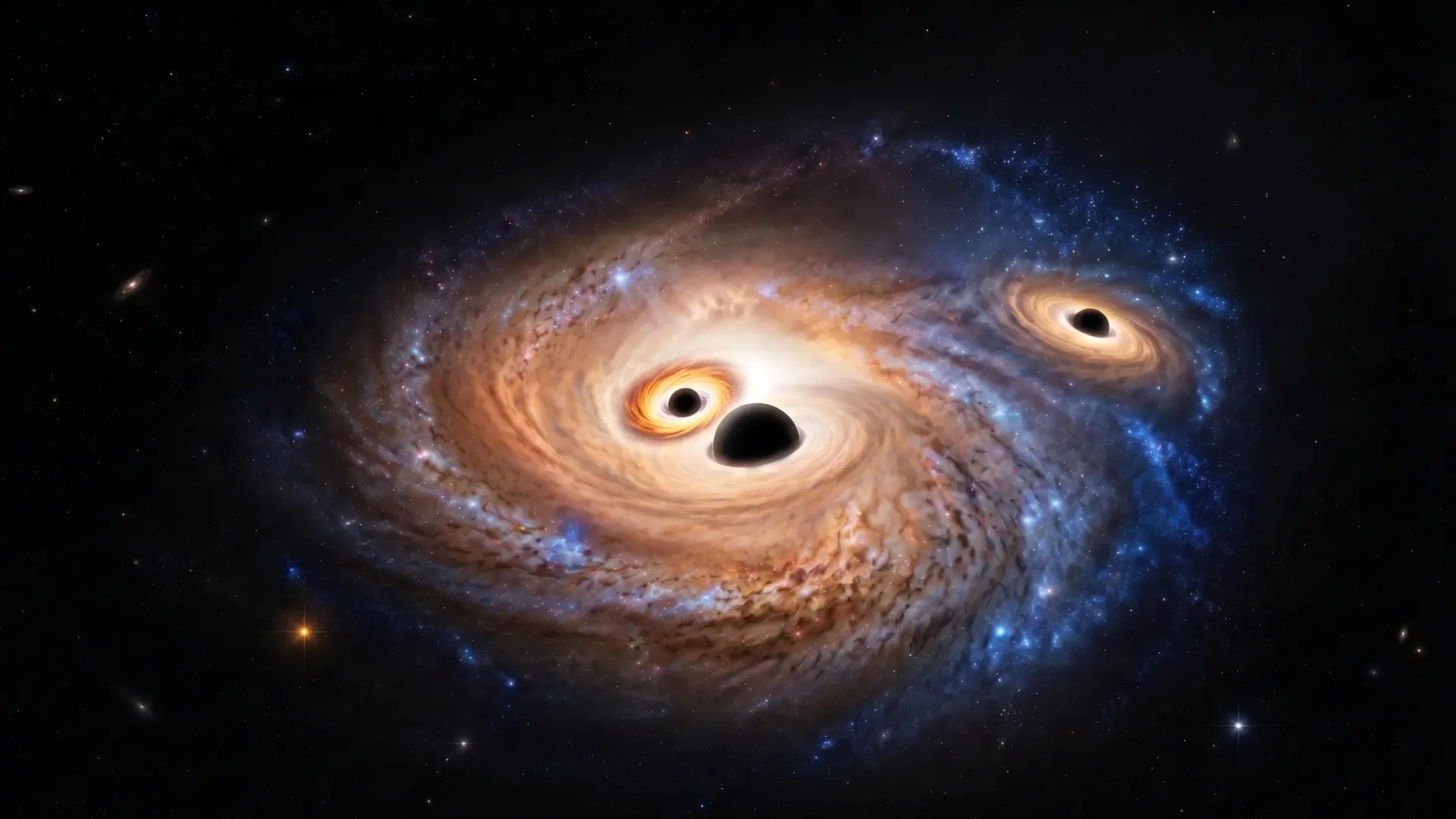
Three giant black holes discovered in a galaxy from the dawn of time Astronomers have discovered three actively feeding supermassive black holes in a single galaxy more than 12.5 billion light-years from Earth. The finding, made by an international research team led by the Max Planck Institute for Extraterrestrial Physics (MPE), offers a rare glimpse of how enormous black holes grew and interacted during the universe’s earliest stages…more
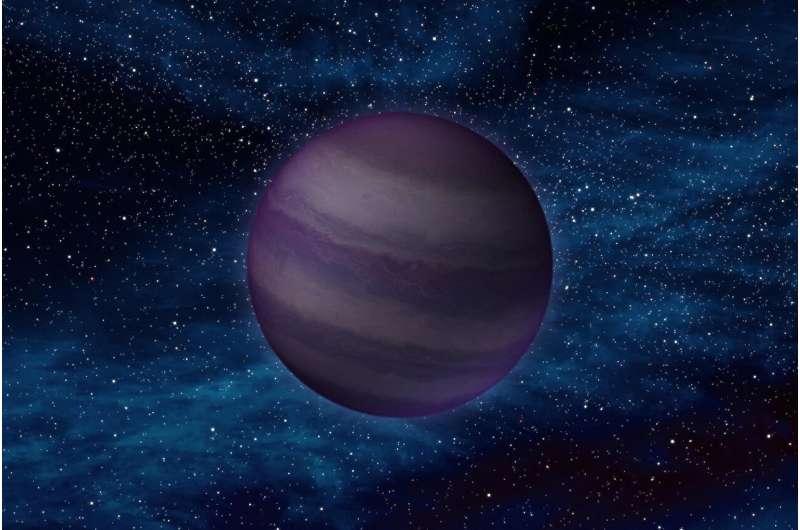
Discovery marks the first detection of variable water clouds outside of the solar system A Jupiter-sized world just 7.5 light-years away is cloudy, chemically complex and, it turns out, more like home than anyone expected. Using the James Webb Space Telescope, Brittany Miles, assistant astronomer at the University of Arizona’s Steward Observatory, led a team that spent 11 hours staring at WISE 0855, the coldest known brown dwarf, collecting a spectrum of its light every 15 minutes….more
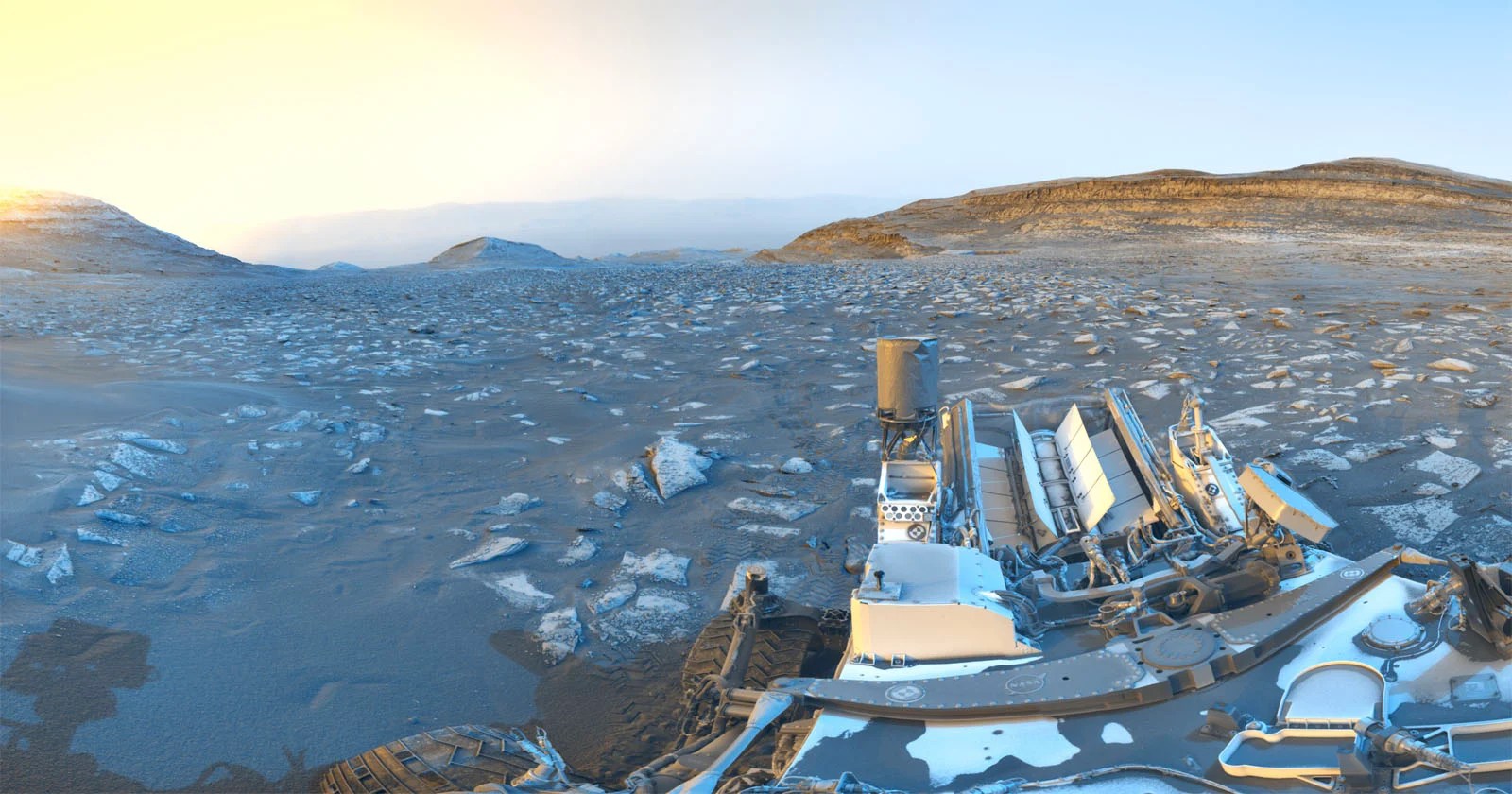
Curiosity Rover Celebrates Its 5,000th Day on Mars With Panorama of Sandy Ridge NASA’s Curiosity rover has marked 5,000 Martian days on the Red Planet with a new panorama captured from a sandy ridge known as “Chocolatal.” The rover used its black-and-white navigation cameras to photograph the landscape at two different times. The first image was taken on August 30, 2026, at 9:56 A.M. local Mars time, corresponding to Curiosity’s 5,000th sol. A second panorama was captured on September 2 at 5:39 P.M., during the rover’s 5,003rd sol…more
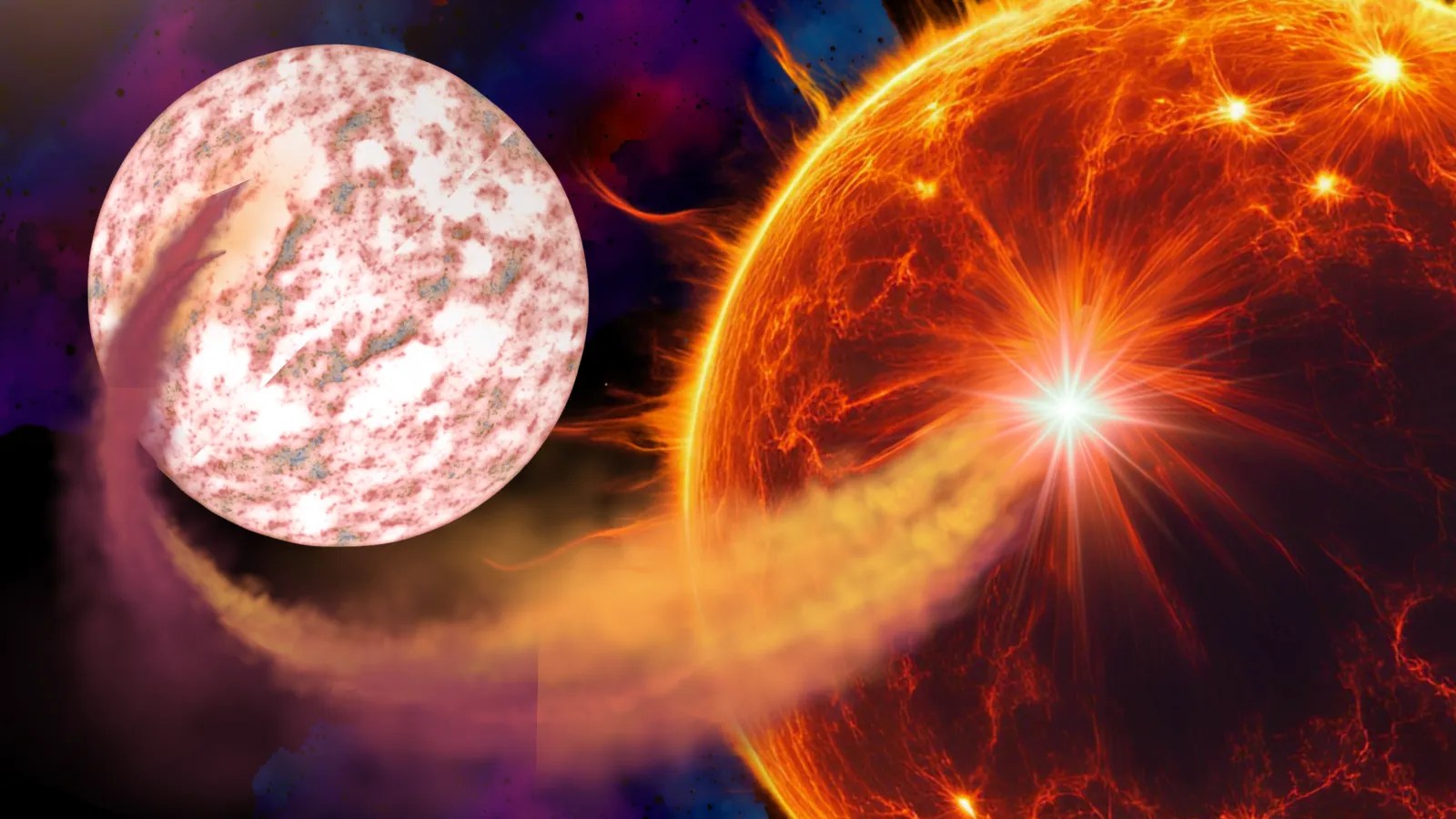
Astronomers watch ‘vampire’ star feeding on the stellar equivalent of 5 trillion quarter-pounder burgers every second Astronomers have observed a “vampire” star feeding on a brown dwarf companion for the first time. It is a slow and gruesome death that could last for billions of years, despite the fact that the star is snacking on the equivalent of 5.2 trillion quarter-pounder burgers every second…more
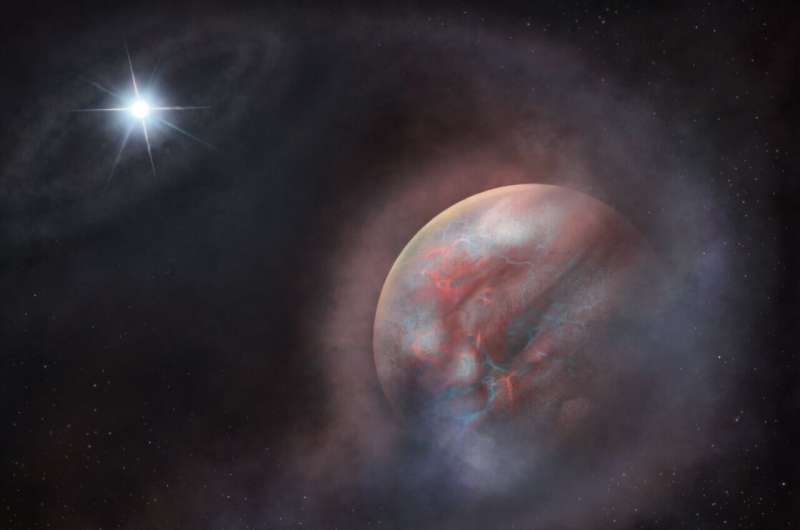
The phoenix planet: Astronomers find a world reborn from its star’s ashes Astronomers have discovered the first example of a second-generation planet orbiting a white dwarf, a world that appears to have formed from the remains of the dead star it now orbits. A team of astronomers led by the University of Warwick has identified the first second-generation planet ever found around a white dwarf…more
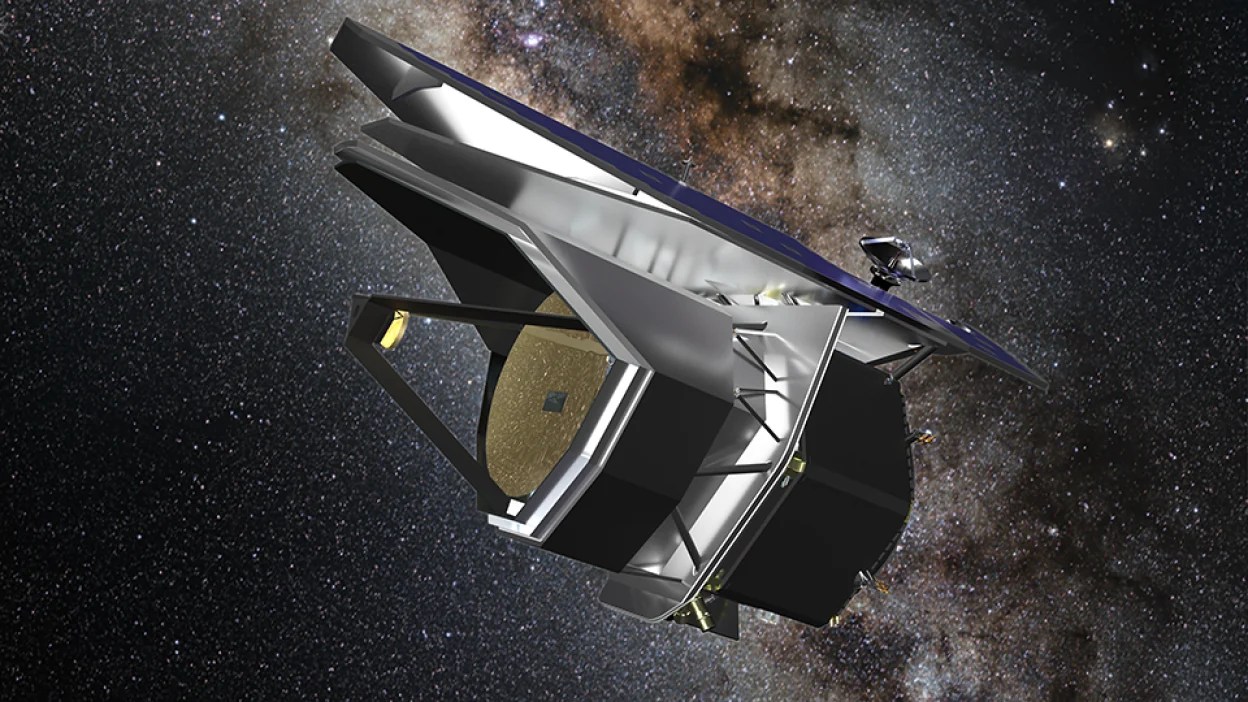
A new NASA mission plan could capture light no space telescope now sees NASA will move ahead with a new space telescope to see the cold, dusty universe far more sharply than any before it, chasing clues about where planets get their water. Engineers will now refine the design of the Probe Far-infrared Mission for Astrophysics operation and test its technology. Called Prima for short, the mission could launch in the early 2030s if it passes a final agency review….more
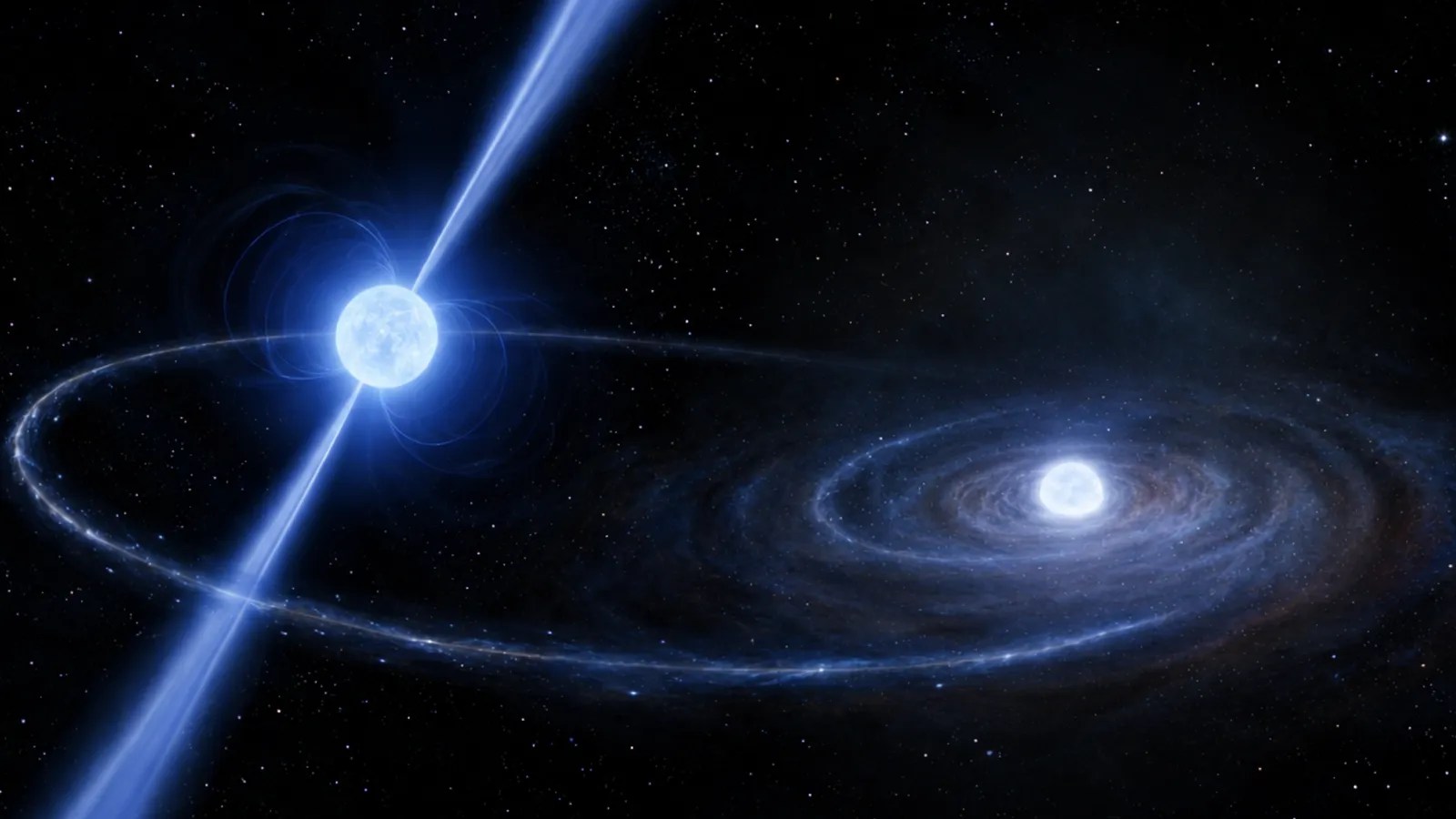
Dead star orbiting a neutron star ‘cosmic lighthouse’ is at a rarely seen stage of its afterlife Astronomers have caught a white dwarf, the type of stellar remnant the sun will leave when it dies, in a rare stage of its evolution. The white dwarf orbits a “cosmic lighthouse” in the form of a neutron star spinning hundreds of times a second sweeping twin beams of radiation across the universe, a so-called millisecond pulsar…more


