
compiled by Arlene & David Kaplan
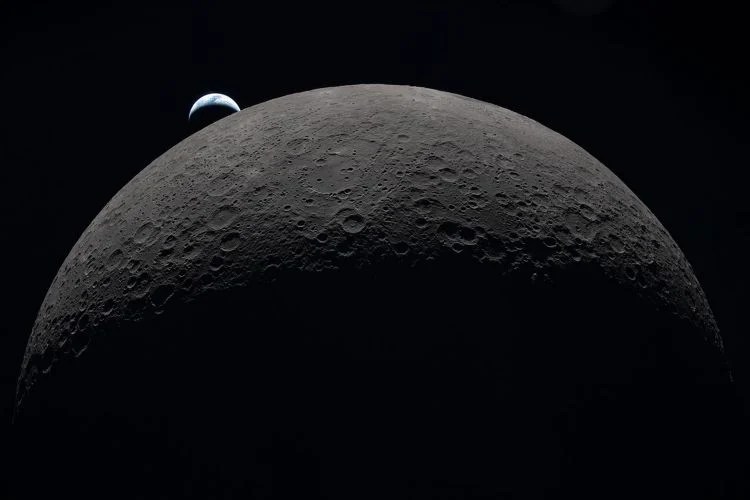
Astronaut Microbes Might Survive at Moon’s Pole, NASA Warns One of the primary objectives of space exploration that often gets overlooked is the intense effort that goes into ensuring Earth microbes don’t contaminate planetary objects, also called forward contamination. This is done to prevent contaminating any potential life that might be present could get killed off my Earth microbes and scientists don’t want to make false discoveries….more
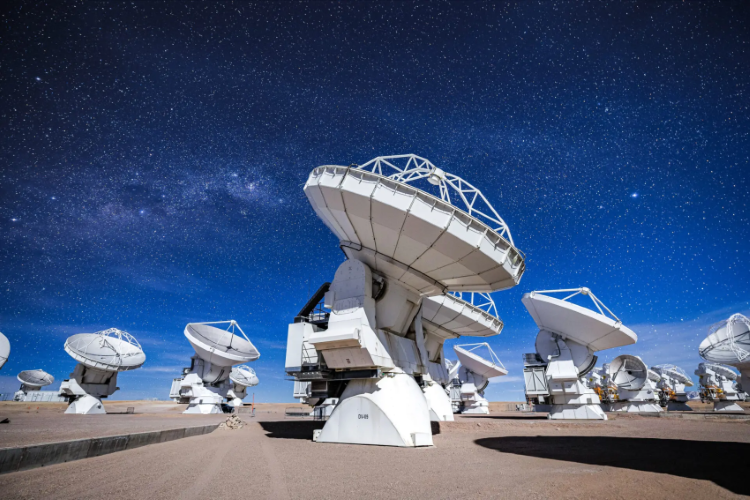
Alien Signals May Hide in Unexplored High Radio Frequencies Confirming the existence of extraterrestrial intelligence via radio signals, also called technosignatures, is the cornerstone of radio astronomy. While humanity has been asking since time immemorial whether or not we’re alone in the universe, radio astronomers are at the frontlines trying to tirelessly answer this longstanding question….more
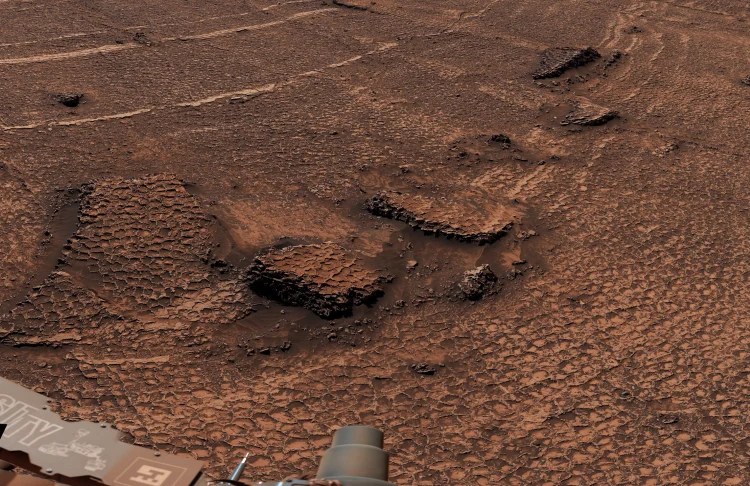
Mars Curiosity Rover Discovers Massive Field of Polygons The surface of Mars is home to some of the most breathtaking and awe-inspiring landscapes in the solar system. This is primarily due to the Red Planet lacking several re-surfacing processes that Earth possesses, including plate tectonics, volcanism, and flowing water. While Mars does have dust storms, this has done little to reshape the planet’s surface, which has remained largely undisturbed for billions of years…more
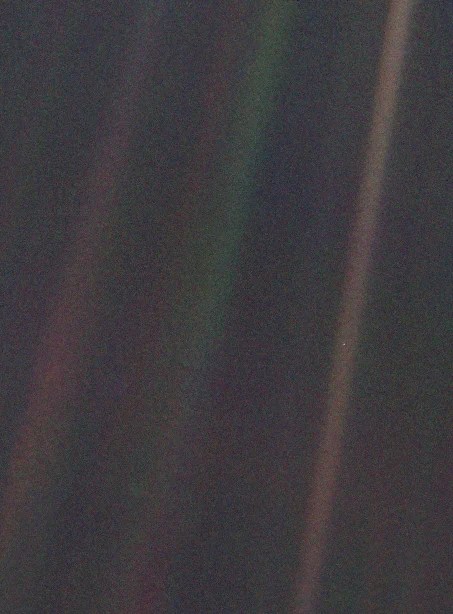
What Can We Actually Find on an Exoplanet? Part 1: The Atmospheric Fingerprint In 1990, the Voyager 1 spacecraft, then six billion kilometers from Earth and destined to become humanity’s most far-flung emissary, turned around and took a picture of home. The resulting image is now legendary: a haunting portrait of our tiny, fragile world, a single pale blue dot suspended in a sunbeam…..more
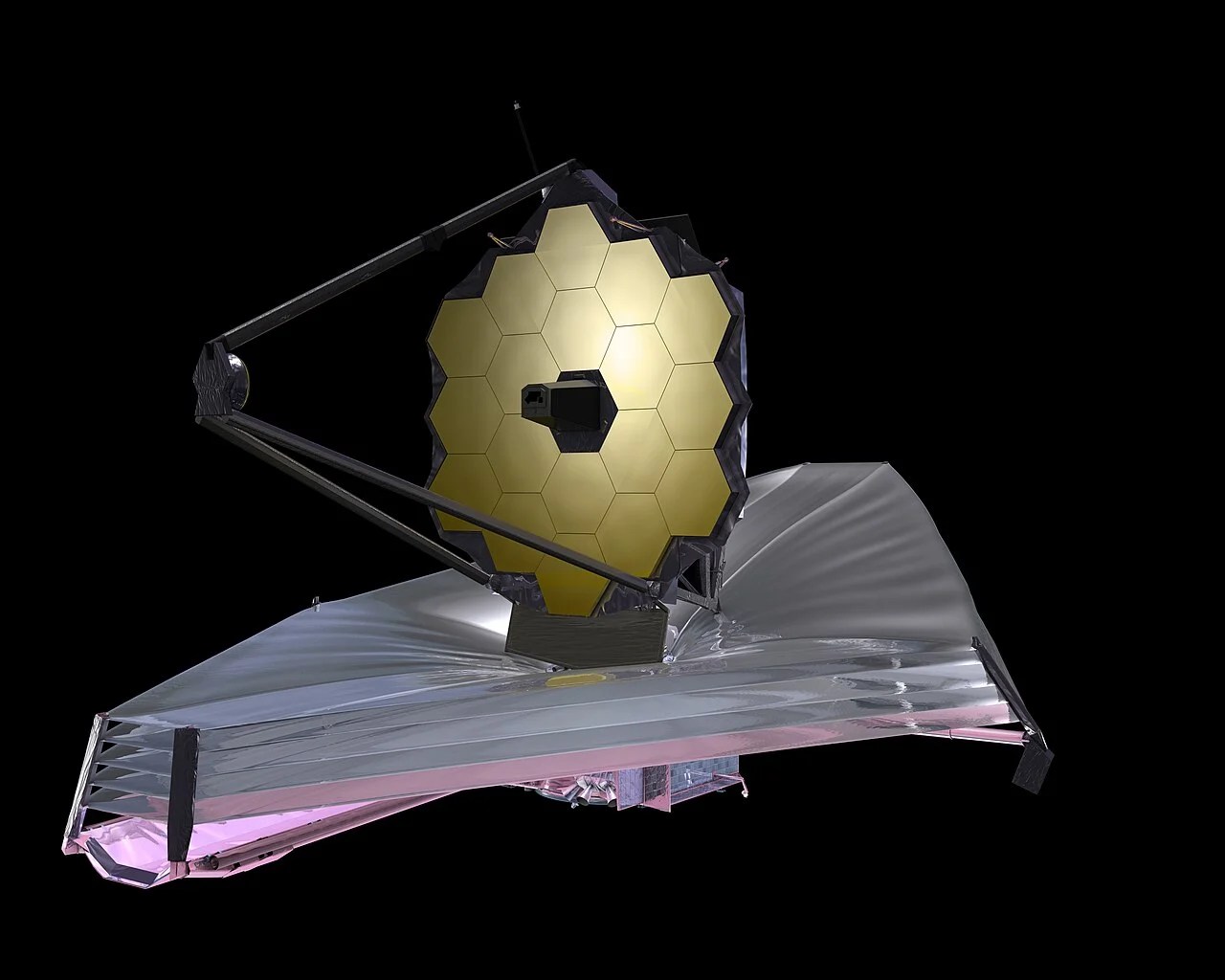
What Can We Actually Find on an Exoplanet? Part 2: A Machine to Find Another Earth It’s not hopeless, because the James Webb isn’t the last telescope we’ll ever build. Next up on the docket of space launches is the Nancy Grace Roman Space Telescope, which will mostly run deep-universe cosmology surveys but will also, almost incidentally, pick out millions of exoplanets using a trick called microlensing….more

What Can We Actually Find on an Exoplanet? Part 3: Reading the Face of a Planet Oh, it’s enough. It’s never enough, of course, but it’s enough to justify building this monstrous planet-hunting telescope, because a single pixel gives you far more than you’d think. That dot has a color, maybe even a pale blue one. It has a spectrum. And it changes brightness as the planet spins on its axis and swings through its orbit…more
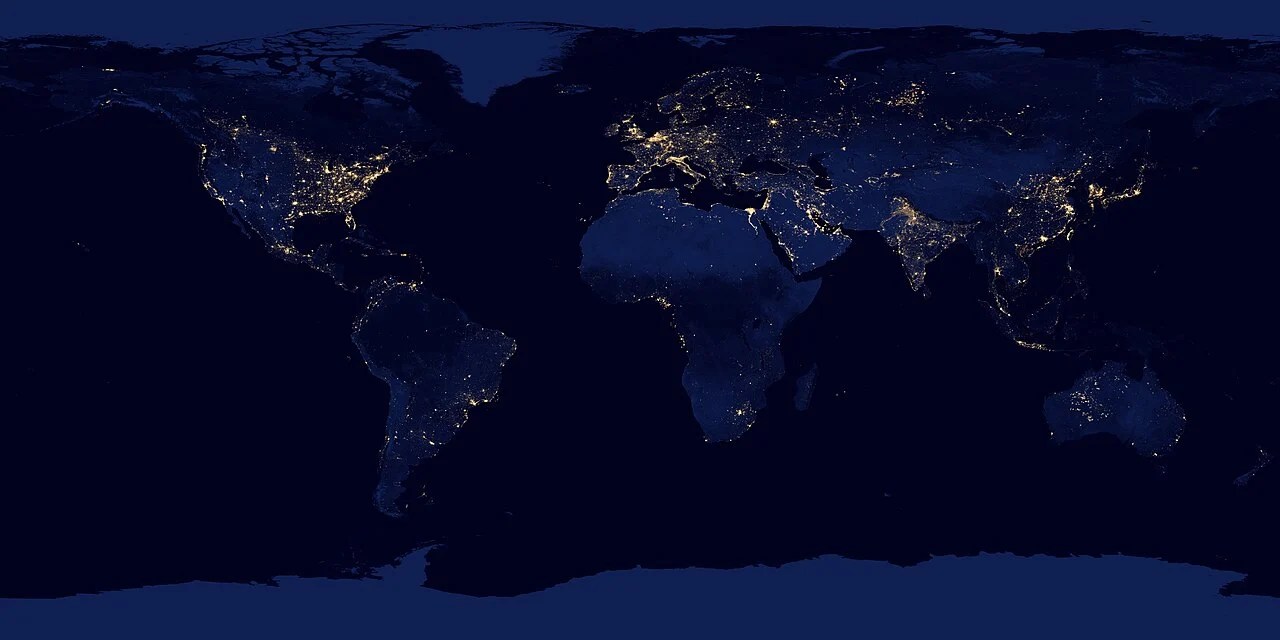
What Can We Actually Find on an Exoplanet? Part 4: Looking For Us All of that from a single dot. One HWO observation of an exoplanet can reveal what’s in its atmosphere, sketch a rough map of its surface, show where its oceans and continents lie, and even pick up signs of photosynthesis and how life responds to the changing seasons. And we can go bigger. That same dot can tell you whether there’s not just life, but intelligent life….more
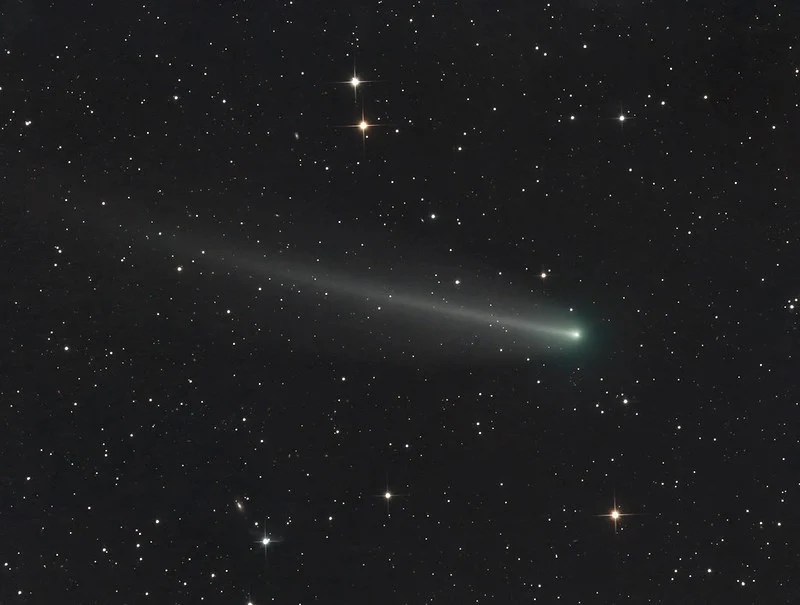
Comet 220P McNaught Puts On An Encore Performance It has been a busy month for astronomy. In the midst of an eclipse season bookended by the total solar eclipse on August 12th and the deep partial lunar eclipse coming right up this week on August 28th, an outbound comet hanging high in the dawn sky just refuses to die: 220P/McNaught…more
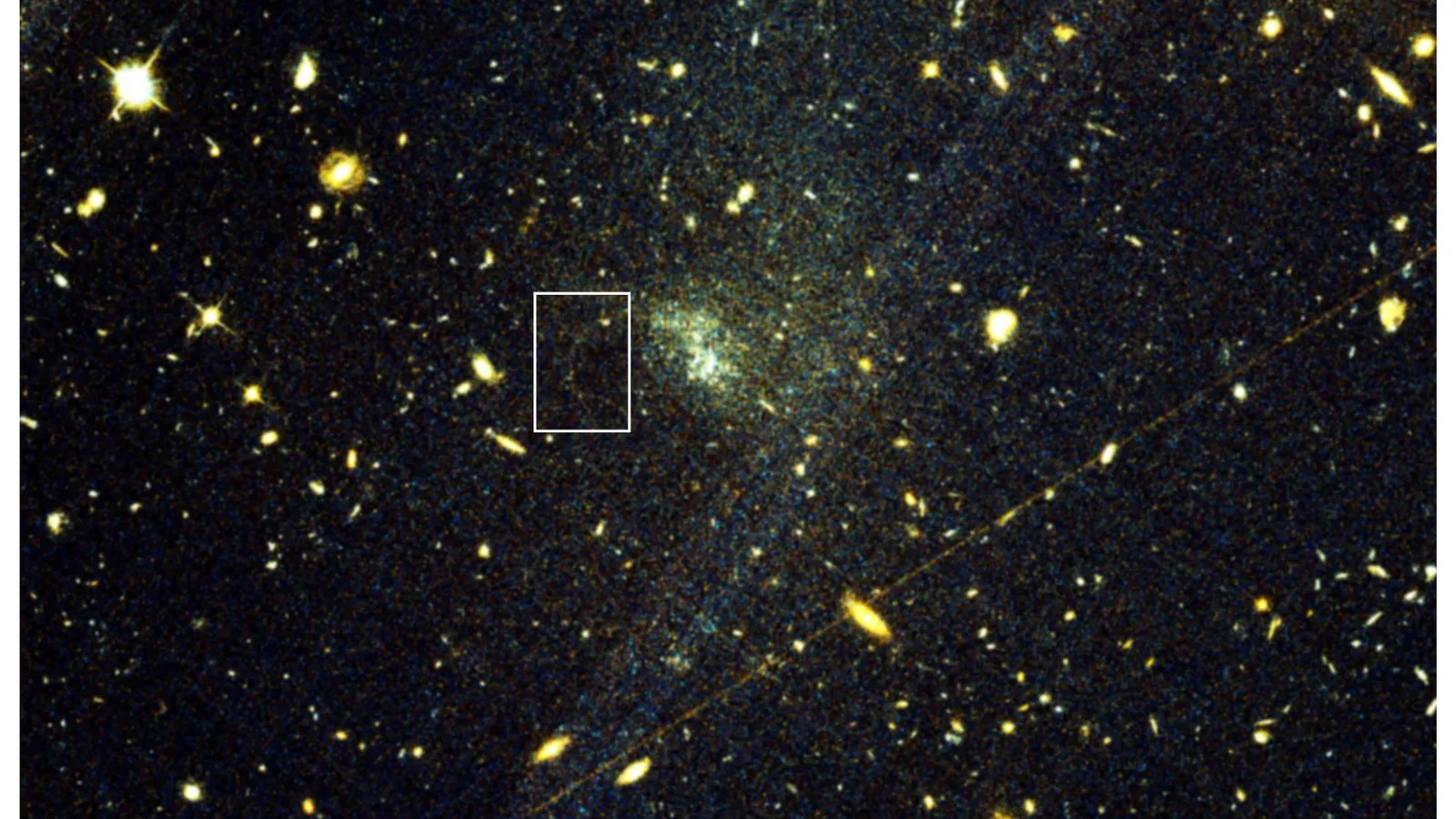
Chance gaze at old Hubble Telescope image leads to discovery that could reveal dark matter’s secrets In late June 2023, on a morning train commuting to work in New York City, David Hendel was scrolling through a recent astronomy paper on his phone when a half-page image caught his eye. The image, captured a year earlier by the Hubble Space Telescope, showed UGC 9050-Dw1, a dwarf galaxy some 115 million light-years from Earth…more

NASA telescope honors Nancy Grace Roman, architect of space-based astronomy The Nancy Grace Roman Space Telescope is set to launch this weekend aboard a SpaceX rocket from Kennedy Space Center in Florida. When it becomes operational early next year, it will transform our view of the universe….more
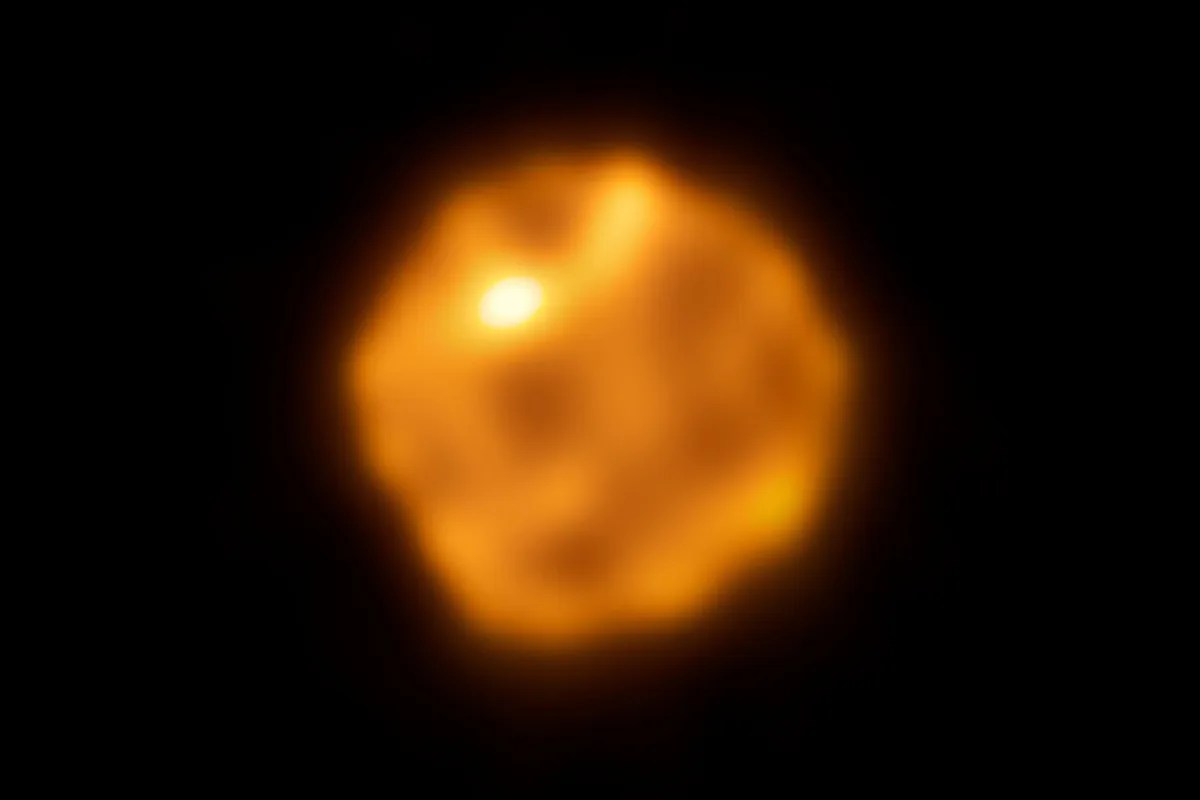
Want to see a star in close-up? Astronomers have produced one of the most detailed images of Betelgeuse we’ve ever seen. Observations of Betelgeuse by the ALMA observatory in 2023 reveal a strange, bumpy atmosphere and a persistent hotspot on the star’s surface…more
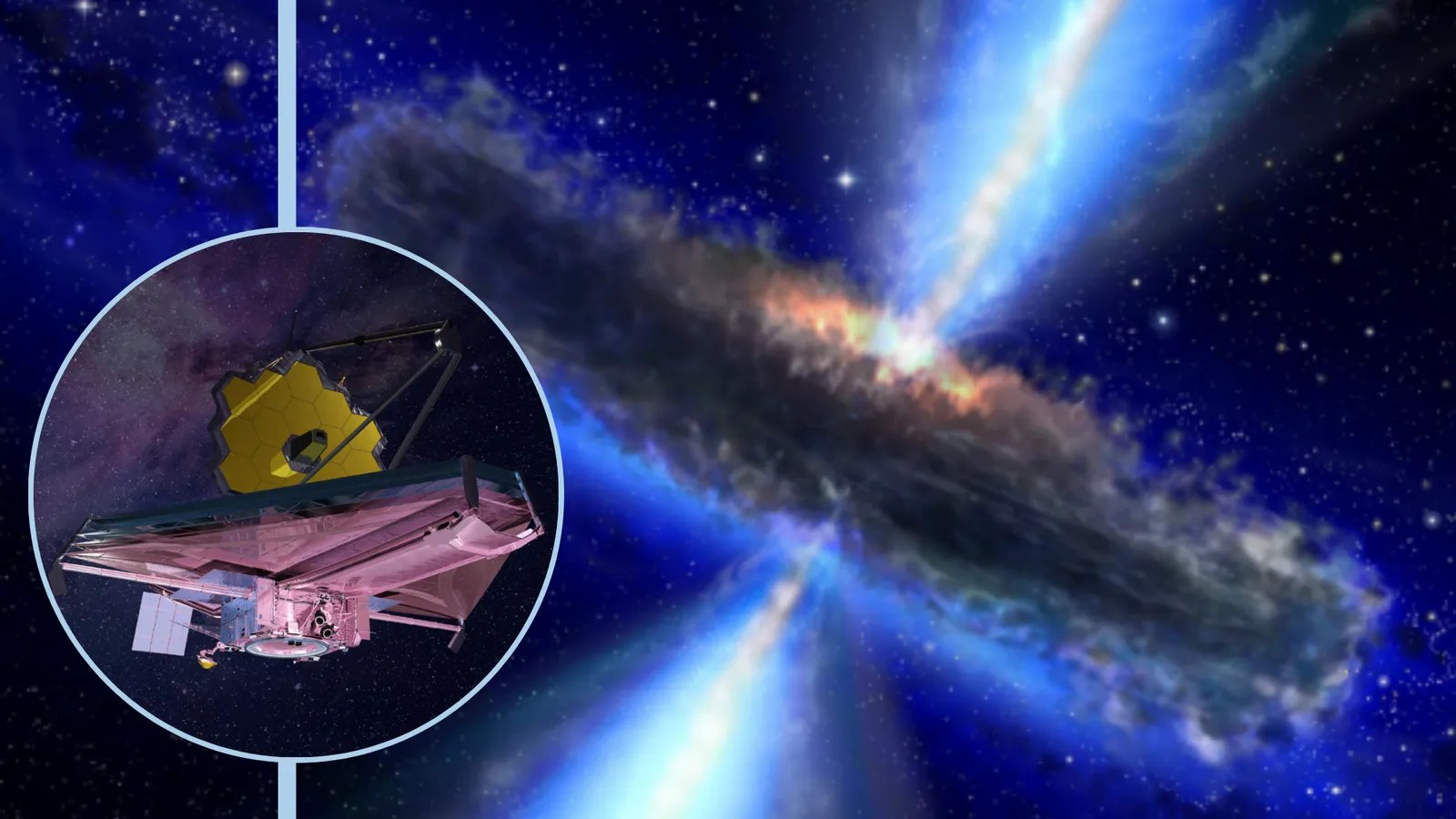
James Webb Space Telescope observes 72 stars and finds planet formation is a race against time “Gas giants like Jupiter must assemble their massive atmospheres while the disk is still substantial enough to supply them, before winds and jets carry that raw material away into space.” Using the James Webb Space Telescope (JWST), astronomers have studied 72 young, sun-like stars….more

 Amateur Astronomers Association of Princeton