
compiled by Arlene & David Kaplan

Glamping With the Stars As I exited Harry Reid International Airport on a bright March afternoon, my hand flew up to protect my eyes, which had grown accustomed to the dull light of a long, gray Tennessee winter. I’d headed west for the sun, but even more so for the night sky, so I was hoping for clear weather ahead…more
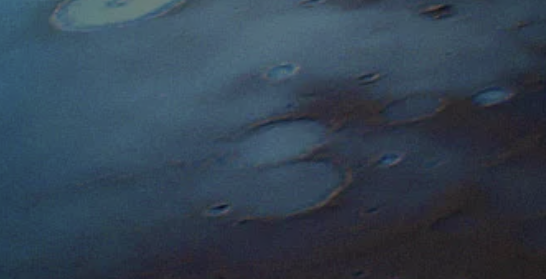
A James Webb Turns To Examine Planet Showing Potential Sign Of Life NASA made a huge splash in September when it announced that its James Webb Space Telescope had spotted potential sign of life on an exoplanet dubbed K2-18b in the form of “dimethyl sulfide,” (DMS) a gas that’s produced exclusively by lifeforms on Earth…more
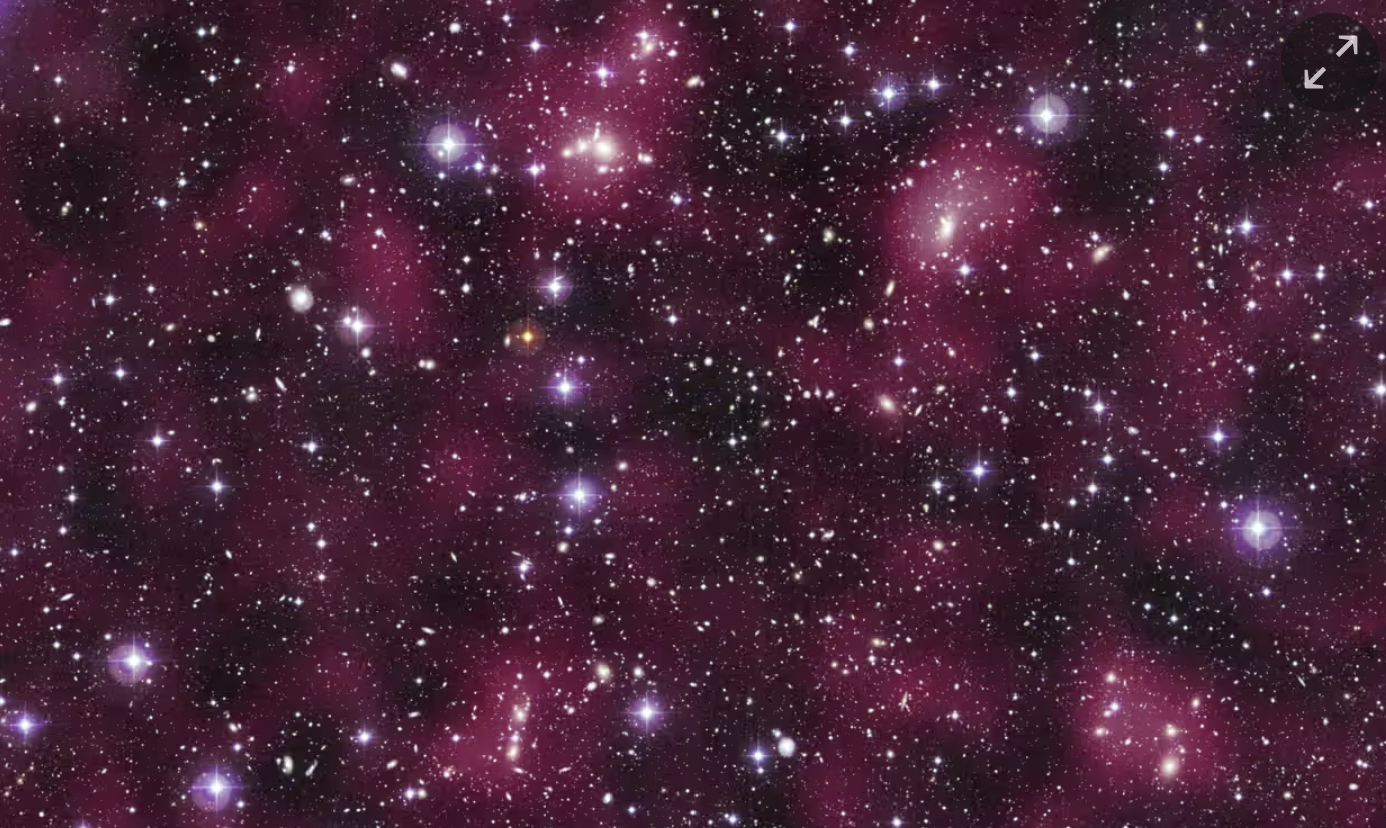
Controversial new theory of gravity rules out need for dark matter Dark matter is supposed to account for 85% of the mass in the universe, according to conventional scientific wisdom. But proponents of a radical new theory of gravity, in which space-time is “wobbly”, say their approach could render the elusive substance obsolete…more
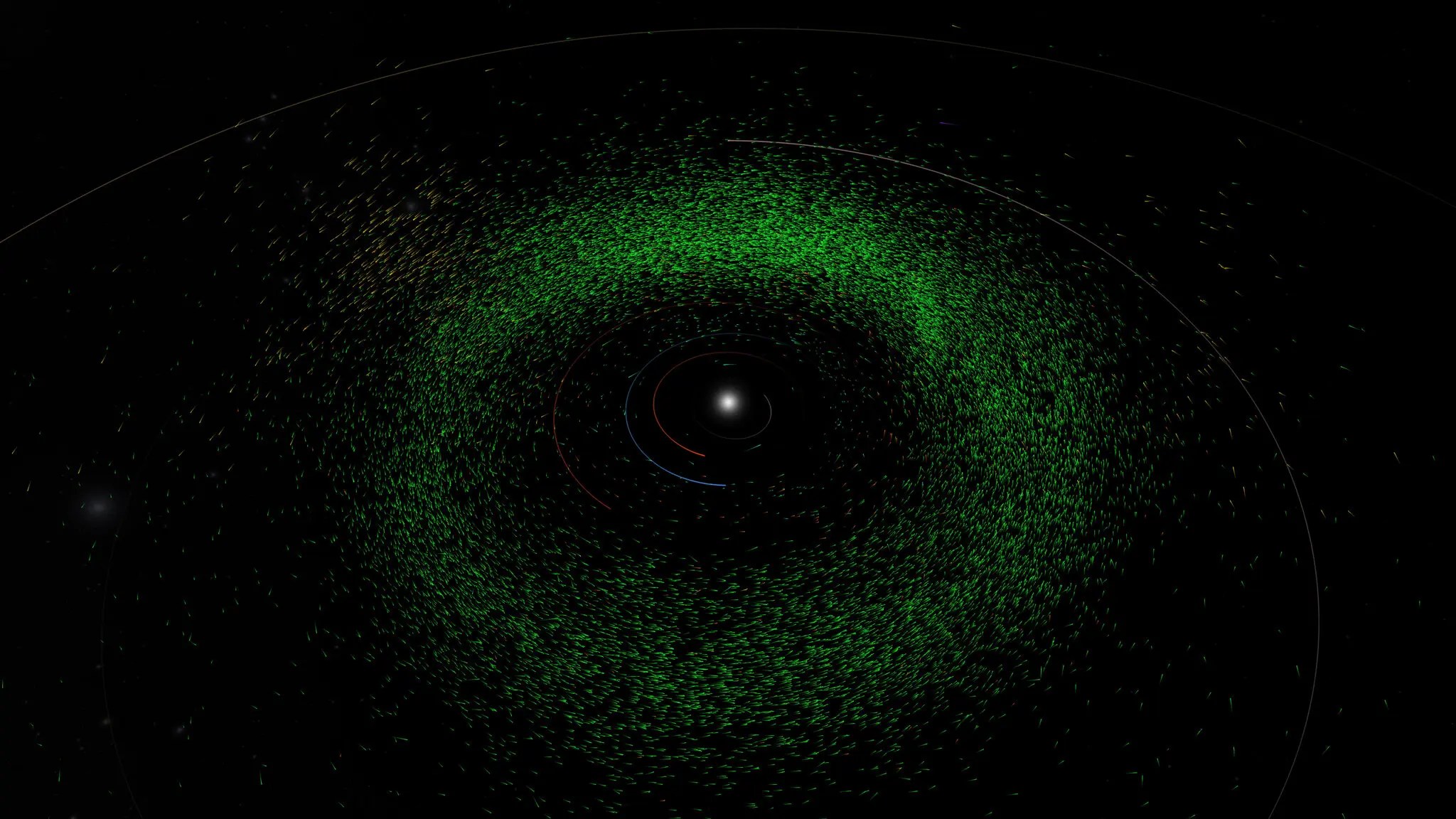
Killer Asteroid Hunters Spot 27,500 Overlooked Space Rocks A couple of years ago, a team of researchers dedicated to finding killer asteroids before they kill us came up with a neat trick. Instead of scanning the skies with telescopes for asteroids, the scientists wrote an algorithm that sifts through old pictures of the night sky, discovering about 100 asteroids that had been overlooked in those images…more

Cosmic Forecast: Blurry With a Chance of Orbital Chaos Researchers discovered that a sunlike star named HD 7977, found 247 light-years away in the constellation Cassiopeia, could have passed close enough to the sun about 2.8 million years ago to alter the orbits of the Earth and other planets…more
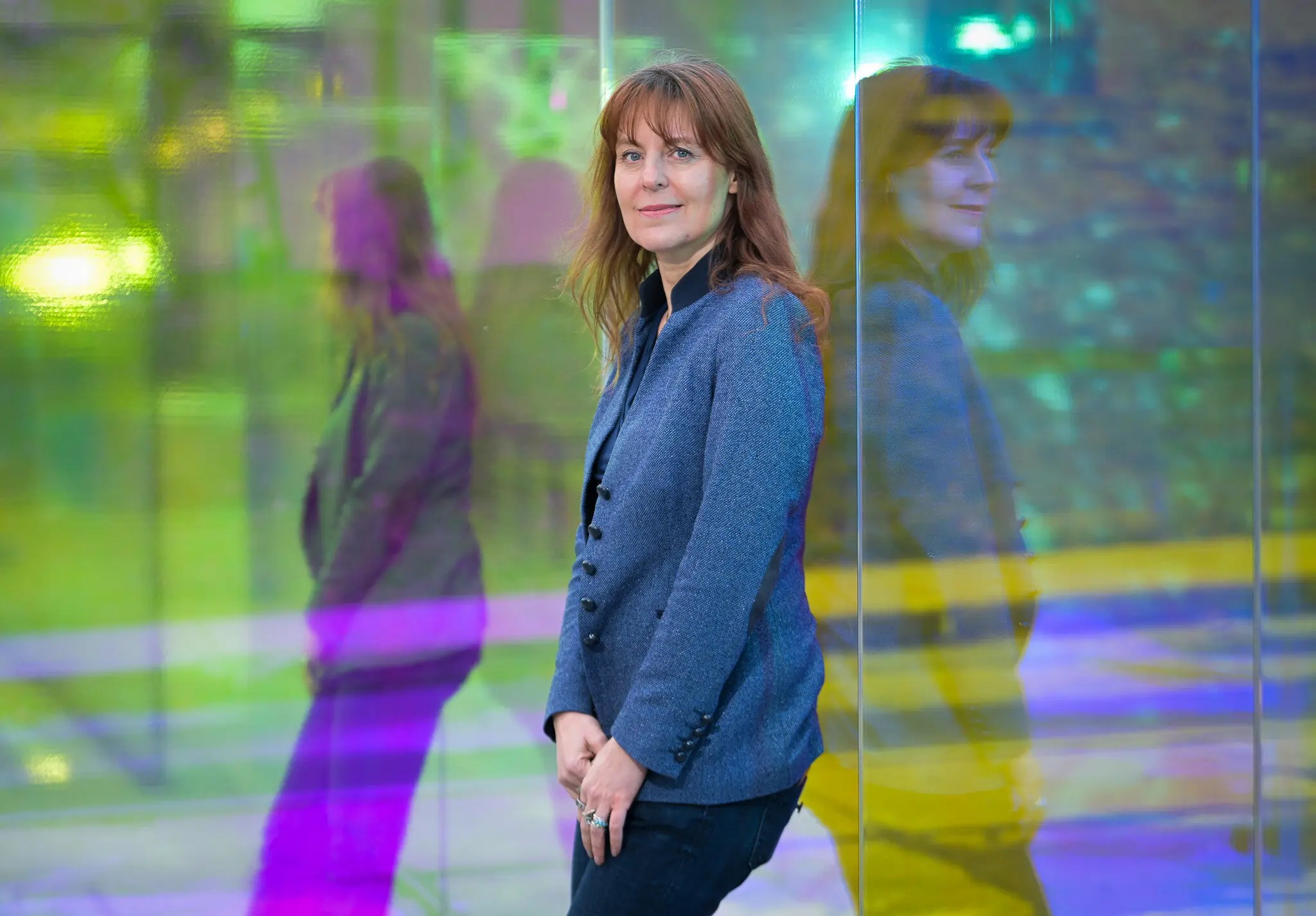
She Dreams of Pink Planets and Alien Dinosaurs Have dinosaurs evolved on other worlds? Could we spot a planet of glowing organisms? What nearby star systems are positioned to observe Earth passing in front of the sun? These are just a few of the questions that Lisa Kaltenegger has joyfully tackled. As the founding director of the Carl Sagan Institute at Cornell University…more

Good News and Bad News for Astronomers’ Biggest Dream The United States should commit $1.6 billion to building an “extremely large telescope” that would vault American astronomy into a new era, according to the National Science Board, which advises the National Science Foundation. In a statement on Feb. 27, the board gave the foundation until May to decide how to choose between two…more
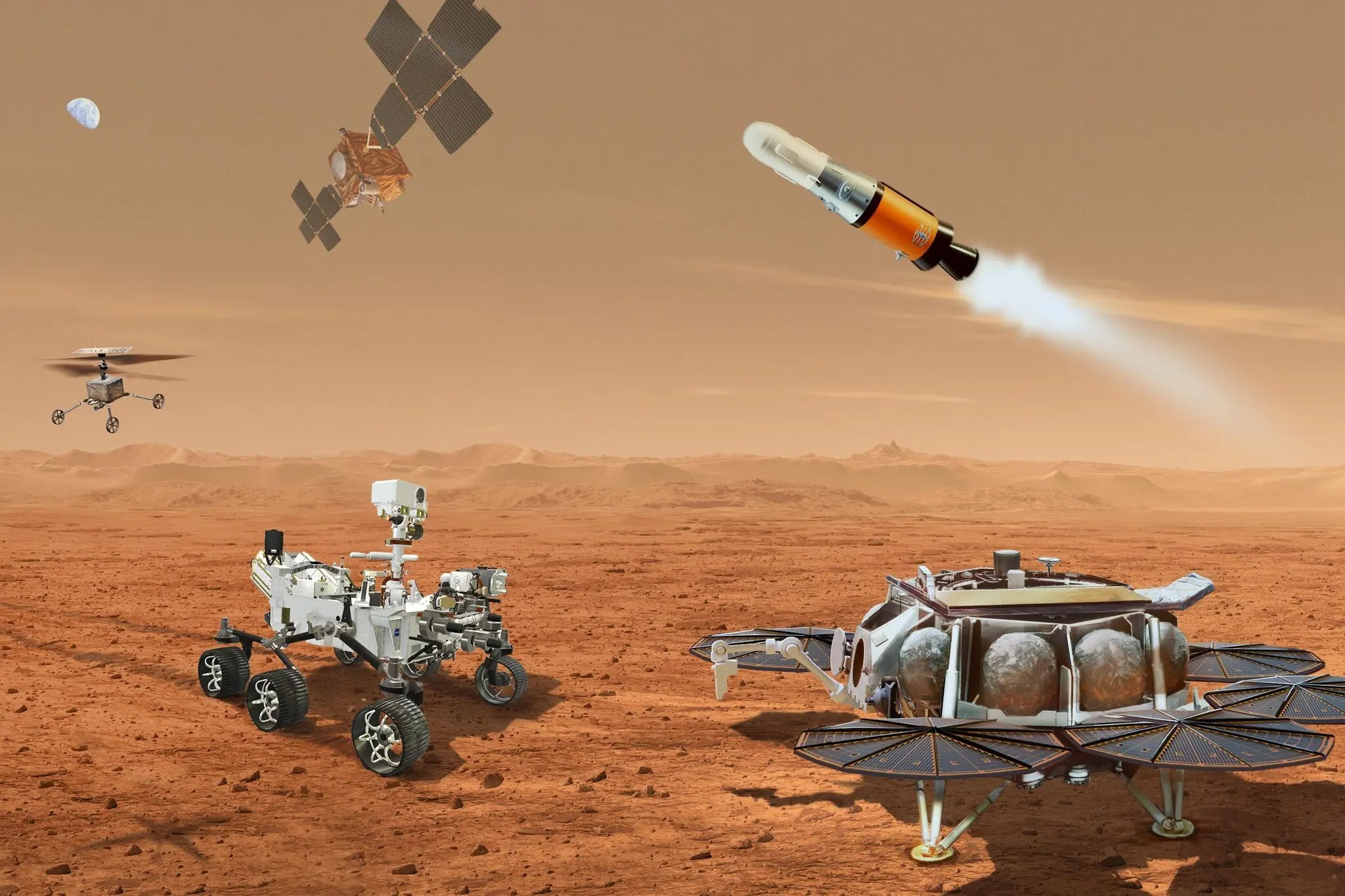
NASA Seeks ‘Hail Mary’ for Its Mars Rocks Return Mission The cost of a proposed NASA mission to gather rocks on Mars and return them to Earth is spiraling upward and slipping further into the future. So on Monday, space agency officials asked for ideas on simplifying the mission and trimming its price tag….more

Unveiling the Sun: NASA’s Open Data Approach to Solar Eclipse Research As the world eagerly anticipates the upcoming total solar eclipse on April 8, 2024, NASA is preparing for an extraordinary opportunity for scientific discovery, open collaboration, and public engagement. At the heart of the agency’s approach to this unusual event lies a commitment to open science, ensuring that the data…more

Meet the Two Women Leading Space Station Science The International Space Station provides researchers access to the unique features of low Earth orbit: long-duration microgravity, exposure to space, and a one-of-a-kind perspective of our planet. These special attributes enable scientists to conduct innovative experiments that can’t be done anywhere else…more


