The Southern Skies

by S. Prasad Ganti

Some stars, constellations and galaxies are visible from the northern hemisphere which are not visible or barely visible from the southern hemisphere. Likewise, some stars, constellations and galaxies are unique to the skies as seen from the southern hemisphere. We are so used to seeing the north star with the big dipper and the cassiopeia constellations going in circles around it. North star lies directly above the north pole of the earth’s axis of rotation  and hence is not visible from the southern hemisphere. It stays in the same position all the nights of the year.

A significant constellation closer to, but not exactly above the south pole, is the southern cross. This is not visible from the northern hemisphere. Though I read that it is possible to see it very low in the sky as we go closer to the equator. I tried to look for it when I visited Key West in Florida, but was unsuccessful. I added to my bucket list to see the southern cross. 

Recently I had an opportunity to visit Brisbane, Australia to attend a family wedding. Although I did cross the equator in the early 1990s to visit Sao Paulo, Brazil on a business trip, I hardly knew about the southern cross. Also, the light pollution of Sao Paulo would not have helped anyway.  I prepared for the Australian trip by reading about the southern cross and the pointer stars. Hoping that this would help me in identifying using my naked eyes. I also loaded the Stellarium software on my phone. The southern cross is relatively easy to spot from anywhere in Australia. In fact, it is prominently displayed on the Australian flag. In the picture shown below, four stars forming some sort of a diamond shape at the right is the southern cross (with a fifth star inside), while the union jack is on the top left part of the flag.

On my first night in the suburbs of Brisbane, I was able to spot the southern cross. It was not bright due to the light pollution. I could not photograph it either. I just carried back the memories in my mind. I could see the southern cross on the second night as well, and from different locations in the neighborhood, but the third night was cloudy. I thanked my stars for the opportunity provided to me on the first two nights!

Below is the picture from the ABC science site https://www.abc.net.au/science/starhunt/tour/virtual/southern-cross/
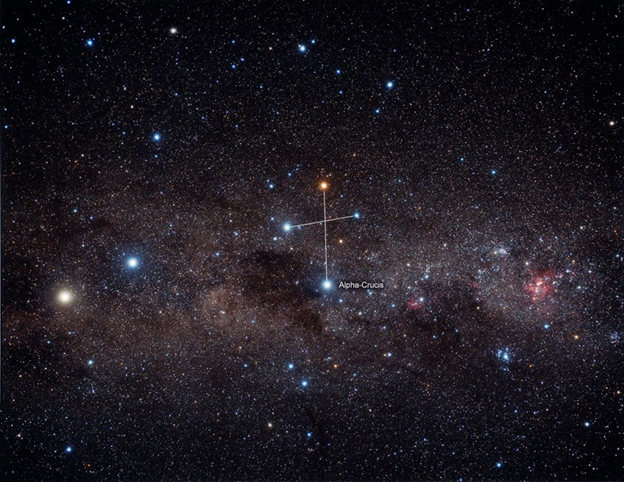
The alignment of the cross changes with the season. At this time of the year, it is horizontal with the 2 bright pointer stars on the top. The bright white star on the left (actually on top in the real sky in August) is the Alpha Centauri, our nearest star about 4 light years away. The bluish star to its right is the Beta Centauri, which is also part of the constellation Centaurus.  To the right is the southern cross, also known as the constellation of crux. The brightest star is on the bottom and is labeled as Alpha Crux.

In Hindu weddings, one of the ritualistic steps is for the priest to take the bride and groom outside and point to the binary stars Alcor and Mizar (known as “Arundathi and Vashistha” in Indian mythology). Weddings can take place during day times also, but the priests know where these stars are supposed to be  in the sky. These stars are in the big dipper which is visible from the northern skies. But I was not sure if one can see it in the southern skies. I asked the priest, a scholarly gentleman, if these stars actually show up. He was sure he saw them. 

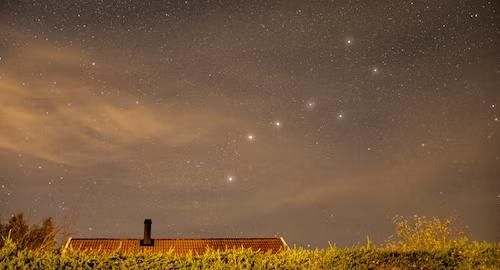
The picture of the big dipper is shown in the picture below, courtesy unsplash.com. It looks like a question mark. The second star from the bottom (in the tail of the question mark or handle of the vessel) is the Mizar/Alcor binary star system. Using a telescope, it is possible to clearly see the 2 stars instead of 1 with naked eye. 
It was a great experience down under seeing the southern cross and learning the Hindu names of Alcor and Mizar. 

Posted in September 2022, Sidereal Times | Tagged , , , | Leave a comment

A New Book From Freelance Writer, Obaidur Rahman

The Mystery of Time Travel

Abstract

Time is a simple word, though it remains truly the most mysterious and vicious phenomena where every living and non-living ones are its victim. This antediluvian force of nature shows no mercy as it moves along every path, every corner sniffing over its wounded and marks victory over one after another. Time mystifies us with the maze of moments and wraps up in the illusion that it would last forever.

Tirelessly, we chase the days as we make it to the journey of life as we know it. The fixture of sunrise and sunset detonates the moments, and all familiarity seems like occasions held seconds ago. There is no escape. The mystic hands of the clock never greet one at the same spot twice.

But, what if we could actually travel back in time and into the future? 

Author/Book Link: https://independent.academia.edu/Obaid

Posted in September 2022, Sidereal Times | Tagged , | Leave a comment

Greetings from new member, Bill Makoski.

My daughter gifted me this membership on Father’s Day.  I look forward to the lectures starting in September.  I also hope to come out to Washington Crossings Park for a Friday night gazing.  The one good Friday night this summer I was out of town.

I grew up in New Jersey and my father taught me about the night sky.  I am about to finish my career in the turbomachinery manufacturing and service industry and look forward to spending more time observing the night sky.

Posted in September 2022, Sidereal Times | Tagged , | Leave a comment

Club Member Dennis Jamison’s Note

(In his own words)

Dennis-JamisonI wanted to let my fellow members know that I’ve moved away from NJ after a brief stay of only 14 months!  The reason is that my son got his dream job but it’s in Denver.  So we moved too, arriving two days ago.

I greatly enjoyed my time with the AAAP (even though mosDennis Jamison Denvert of it was via Zoom). The lectures and discussions were the best. I also got to attend the April 30 Keyholder training at the observatory and meet some of you in person. That was a memorable experience and I was looking forward to many more. The observatory is so impressive!  I’ve proudly described it to my astronomy friends outside of AAAP. 

I plan to renew my AAAP membership and continue to attend Zoom meetings from Denver whenever possible.  Please send me a renewal notice when the time comes, and let me know if I can help in any way with the AAAP’s outreach programs. 

Posted in September 2022, Sidereal Times | Tagged | Leave a comment

Snippets

compiled by Arlene & David Kaplan

-NYT

Webb Telescope Sees a Carbon Dioxide Atmosphere Way Out There The James Webb Space Telescope is having a fantastic rookie season.On Thursday a team of astrophysicists using the new telescope to probe exoplanets added to what has been a cavalcade of discoveries when they announced that they had detected carbon dioxide in the atmosphere of an exoplanet for the first time…more

-NYT
-NYT

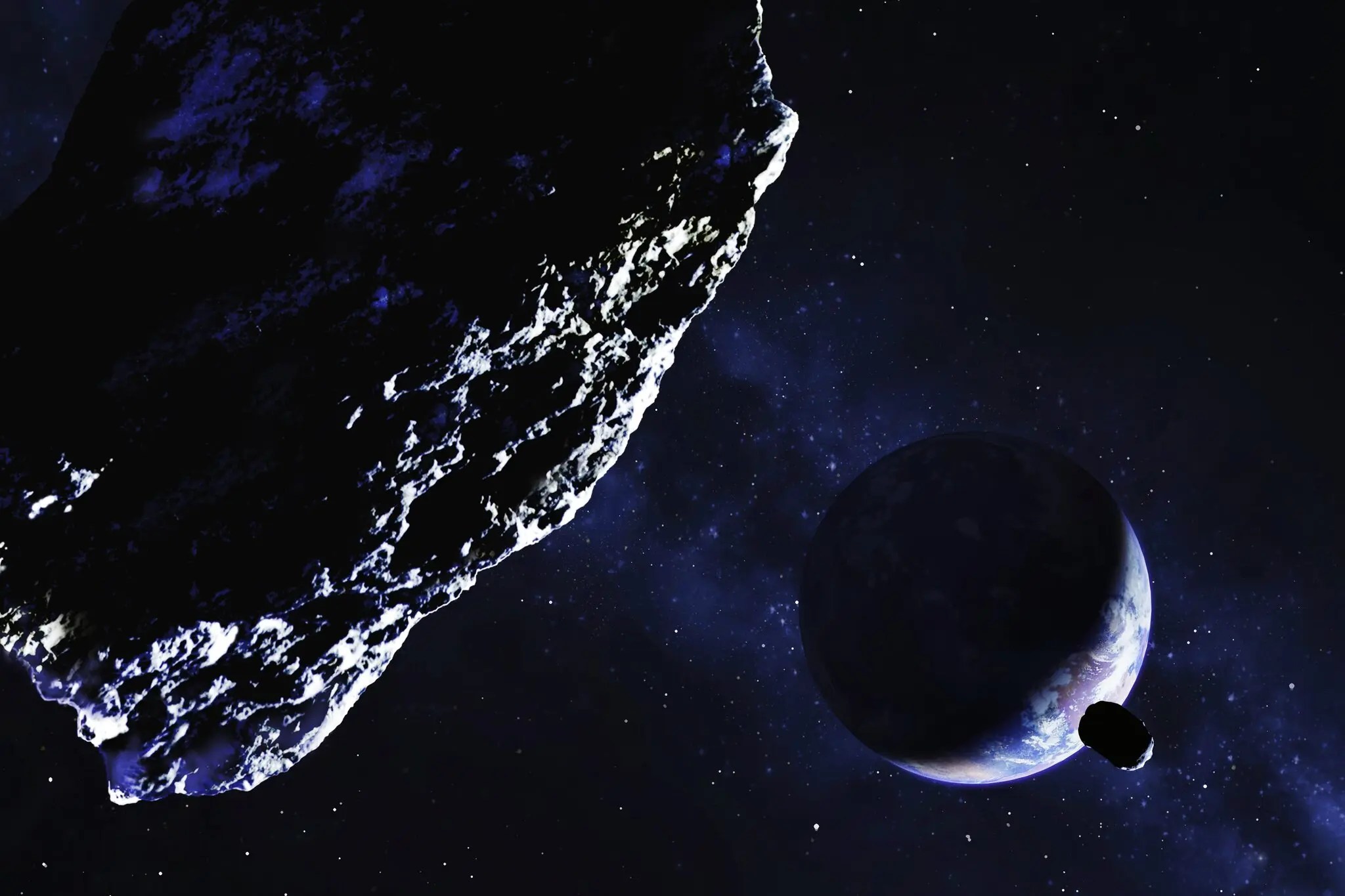
African Crater Adds an Asteroid Strike to the Late Dinosaur Era About 66 million years ago, Earth was smacked in the face by an asteroid. No, not that one. Another one. In the journal Science Advances, scientists on Wednesday reported that a huge, buried pit off the coast of Guinea in West Africa had all of the appearances of an impact crater made by a meteor…more

-NYT

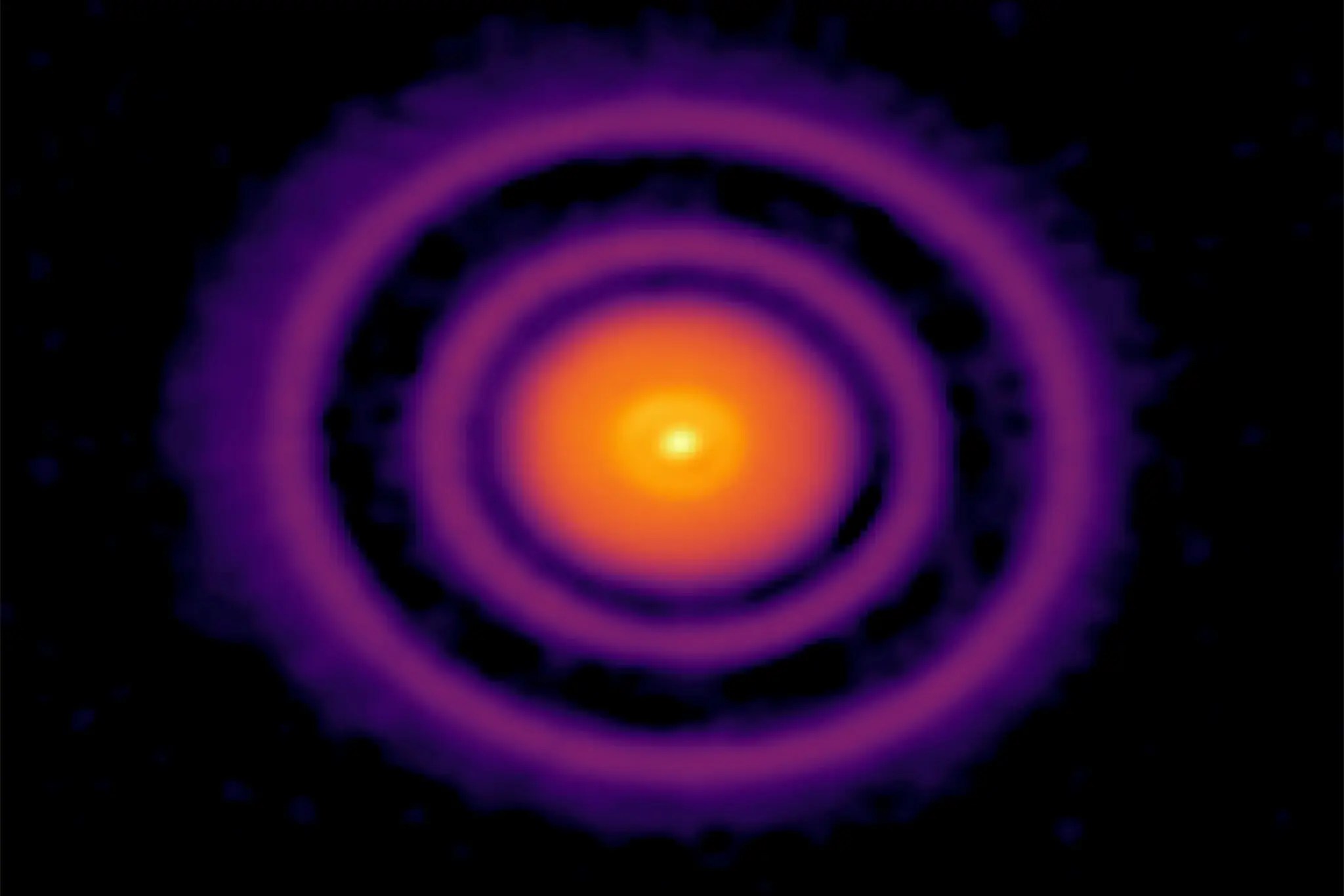
The Juicy Secrets of Stars That Eat Their Planets The sun has nourished life on Earth, but it will not be so hospitable forever. Five billion years into the future, our solar system’s star will grow so immense that Mercury, Venus and, possibly, Earth will be swallowed whole. It may seem like an ignominious end to our beloved home. But scientists think that this process of “planetary engulfment,”…more

-NYT

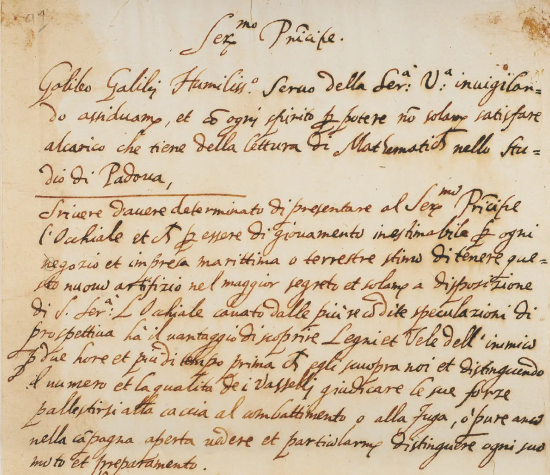
A Watermark, and ‘Spidey Sense,’ Unmask a Forged Galileo Treasure Galileo Galilei was peering through a new telescope in 1610 when he noticed something strange: several bright objects flickering around the planet Jupiter that seemed to change positions nightly. His discovery, of moons orbiting Jupiter, was a major crack in the notion, widely held since antiquity, that everything in the universe revolved around the Earth…..more

-NYT

Astronomers May Have Found the Galaxy’s Youngest Planet Over the last 30 years, astronomers have found more than 5,000 exoplanets, an eclectic menagerie of worlds far from our stellar neighborhood. The latest may be a mere infant. In the journal The Astrophysical Journal Letters, scientists on Tuesday announced compelling evidence for a world just 1.5 million years old…more

-BBC

Nasa: Artemis Moon rocket second launch attempt called off The US space agency has had to postpone the launch of its new Artemis I Moon rocket for the second time in a week. Controllers were unable to stop a hydrogen leak on the vehicle, almost from the start of Saturday’s countdown procedure…more

– NYT

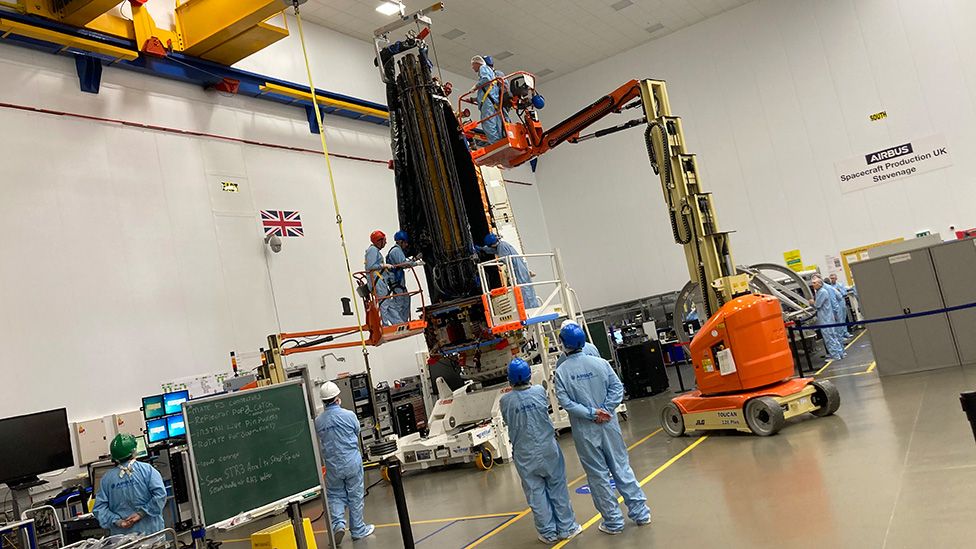
Biomass: Giant ‘space brolly’ to weigh Earth’s forests It looks for all the world like a giant brolly, but there’s no rain where it’s going. This immense reflector-antenna is heading into space, to “weigh” Earth’s forests. It’s a key component on the European Space Agency’s Biomass mission, now under construction in the UK at aerospace manufacturer Airbus…more

Posted in September 2022, Sidereal Times | Tagged , | Leave a comment

From The Director

by Rex Parker, PhD director@princetonastronomers.org

Our future is in Princeton.  Many of you, like me, would rather have our monthly astro gatherings in person at a prestigious science place in Princeton rather than Zooming.  This may happen this fall, and I hope you’re on board as we transition back to real 3-D meetings.  But the venue for our last 30 years, Princeton’s Peyton Hall, is not going to be available for the foreseeable future.

We’re awaiting a decision on a good alternative – Wolfensohn Hall at the Institute for Advanced Study. The IAS is steeped in Princeton’s science and math history and counts 35 Nobel Laureates and many other big medal recipients as members and faculty. The big Hollywood production “Oppenheimer”, filmed in part at IAS, may be the buzz around Princeton next summer. https://patch.com/new-jersey/princeton/christopher-nolan-cillian-murphy-film-princeton-oppenheimer  Wolfensohn Hall is known for outstanding acoustics, home to the Princeton Symphony Orchestra, and has a nearby parking lot plus easy driving access.  While it will be a technical challenge, the option of hybrid meetings with video from the live stage in Wolfensohn with Zoom/You Tube is the intention.

Finally, if we do meet monthly at IAS, we will be required to monitor all attendees for COVID vaccination status, so long as this continues to be the Institute’s policy. No vaccine = no admittance and proof will be required.  IAS uses the software system Crowd Pass for external attendees, and is considering allowing us to use this for vaccine certification and security.

All systems are go for Observatory reconstruction.  At long last we have received all the permits from the State and authorization to proceed with the big masonry job.  The steel reinforced concrete block columns which hold the roll-off roof at Washington Crossing Observatory will be torn down and replaced.  A big thanks to each of our members who contributed to the reconstruction fund.  We have now raised nearly all of the money to meet the $9700 estimate for the job. Especial thanks to our Treasurer Michael for sticking with it to get us through the permitting process.  Last week we met with the contractor to confirm the plan and now we wait only for the company to schedule the start date.  Hopefully the Observatory will be closed for construction for only a few days.

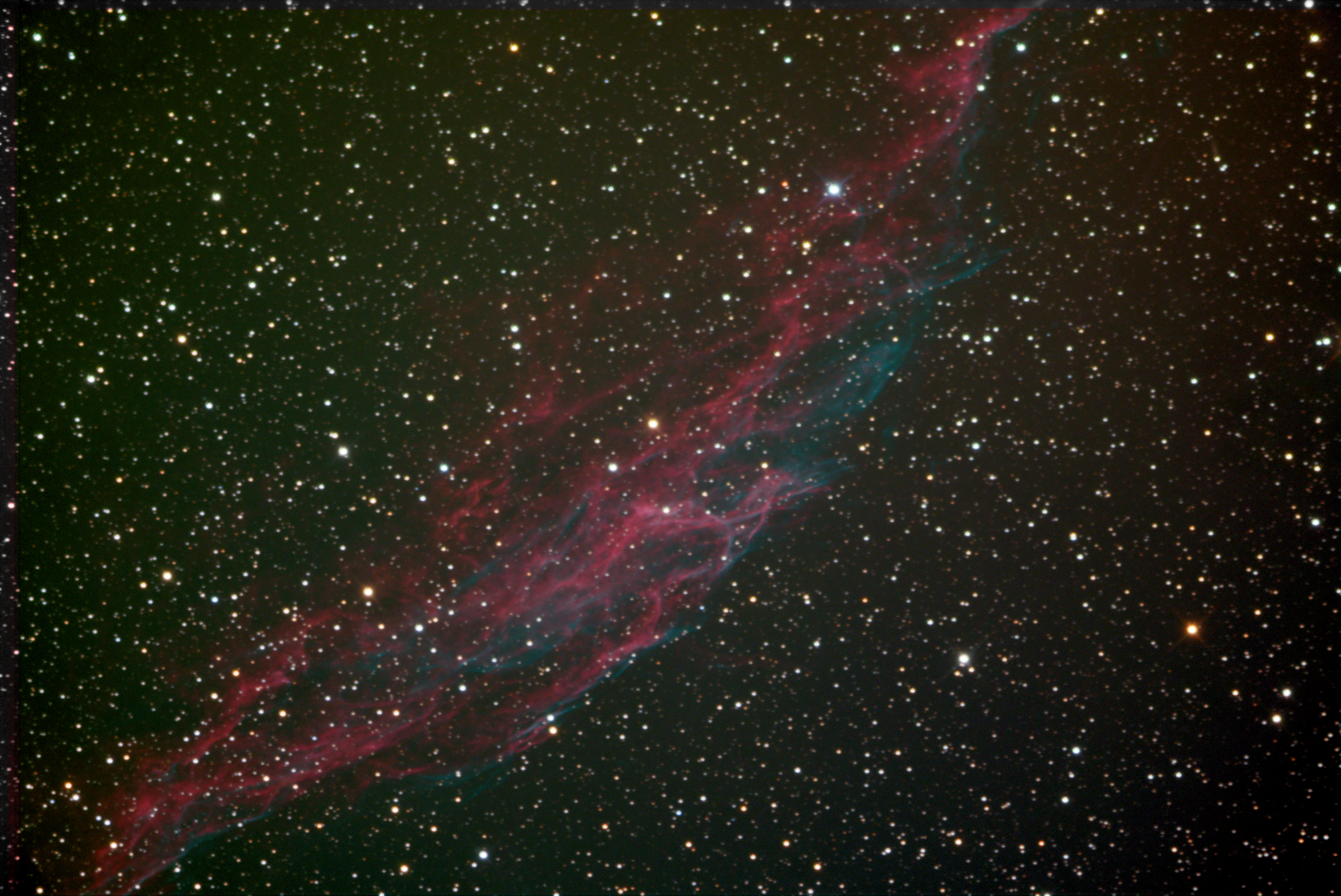
Mid-summer supernova remnant The Cirrus Nebula in Cygnus, NGC 6992, is high overhead after sunset in August and makes a great target for EAA and astrophotography.  It is part of a large circular structure expanding in space like a shock wave from the nova event 15000 years ago.  During a few clear nights recently, I was able to obtain some decent data on this colorful though faint supernova sequel.  The image below was processed from about 6 hours of data, with 10 min subs using a 12.5” scope and ASI2600MM camera with filters.  Astrophoto by RAParker from NJ

Posted in Mid-summer 2022, Sidereal Times | Tagged , | Leave a comment

The Columns of Observation

by Dave Skitt, Observatory Chairperson

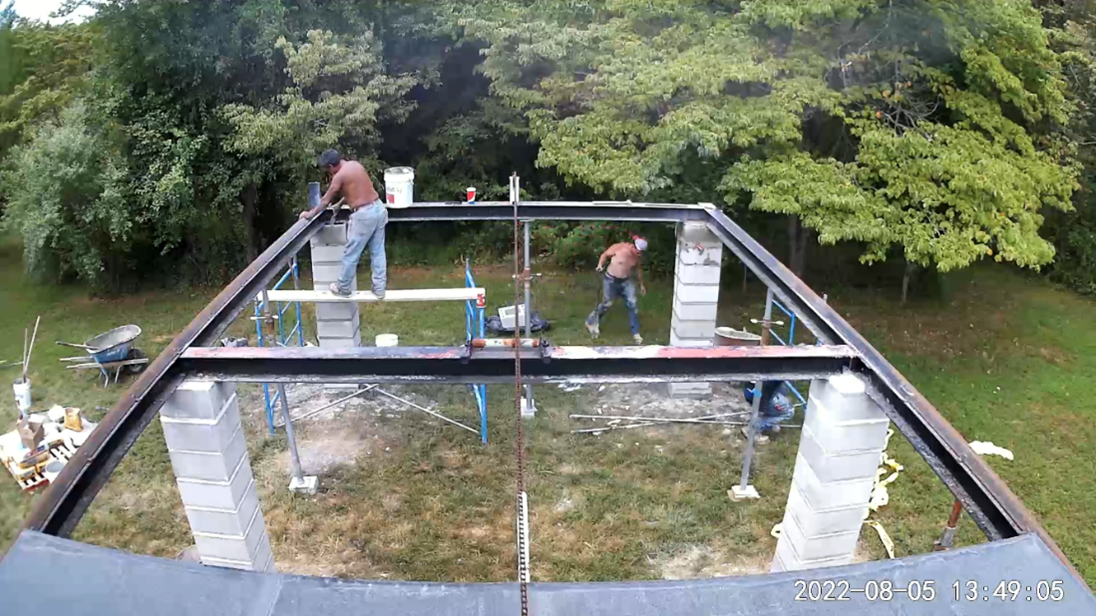
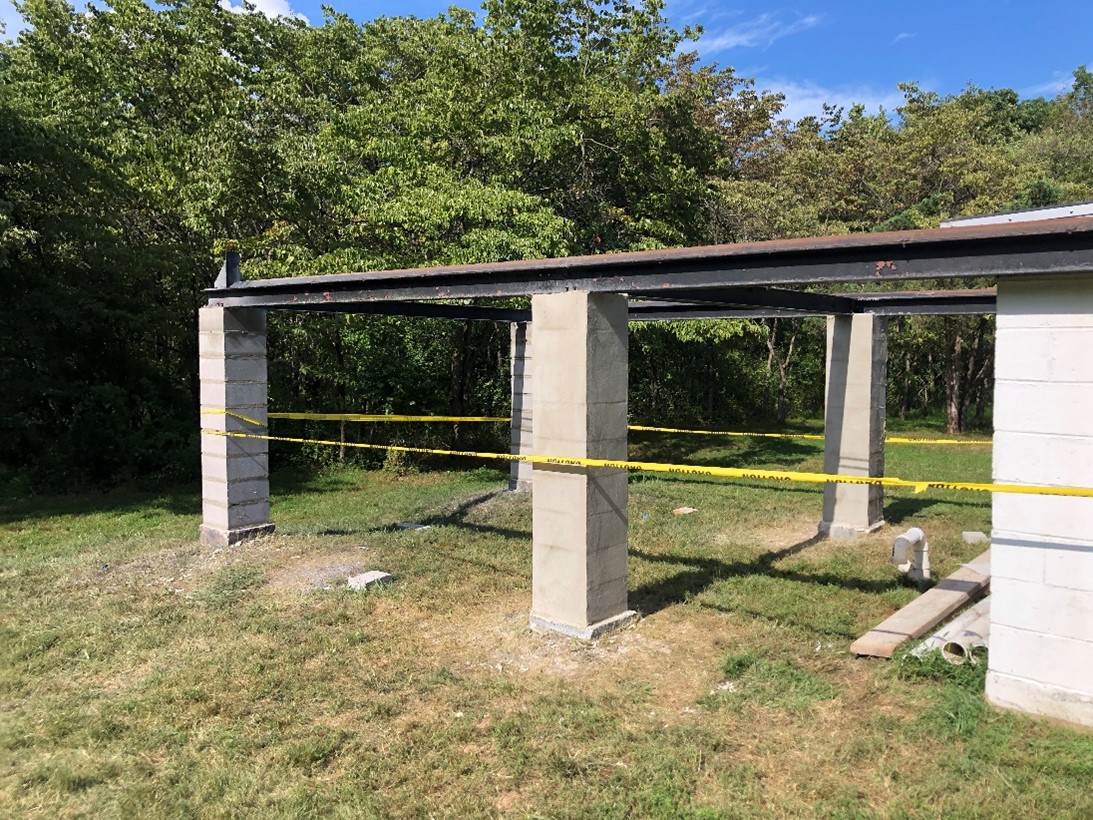
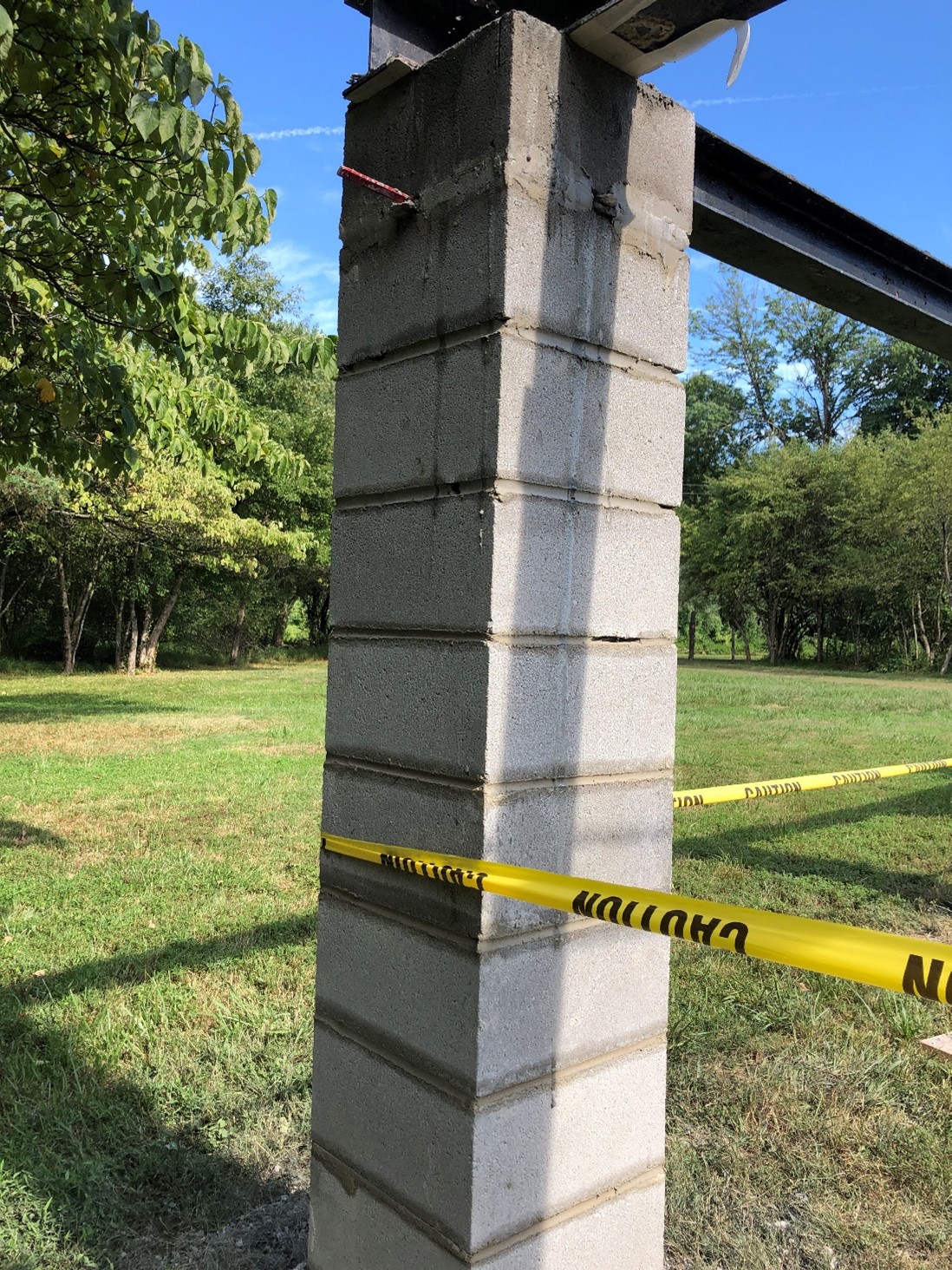
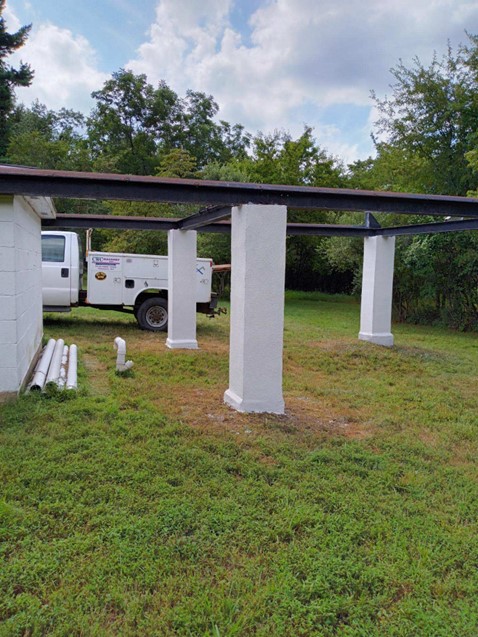
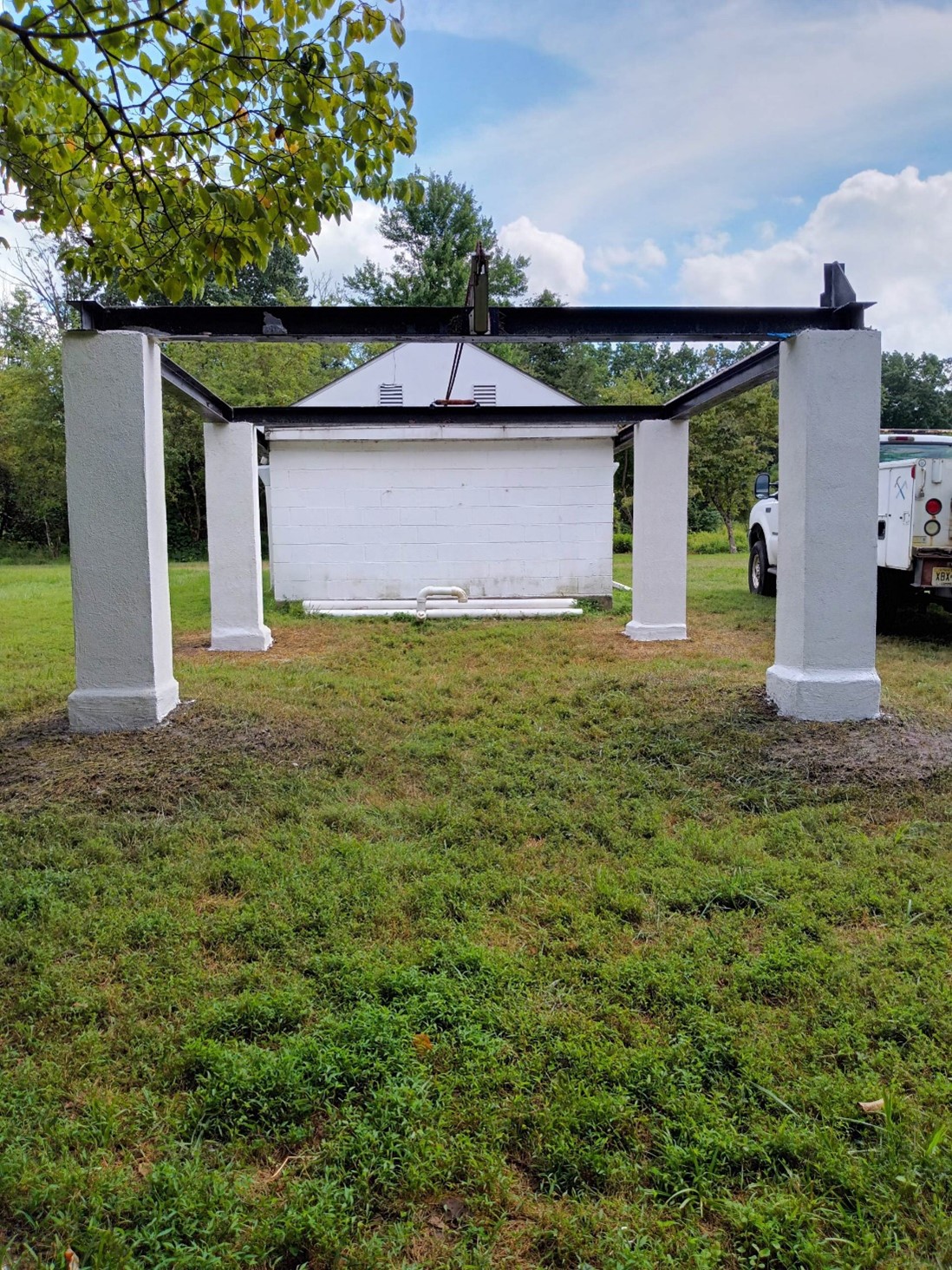
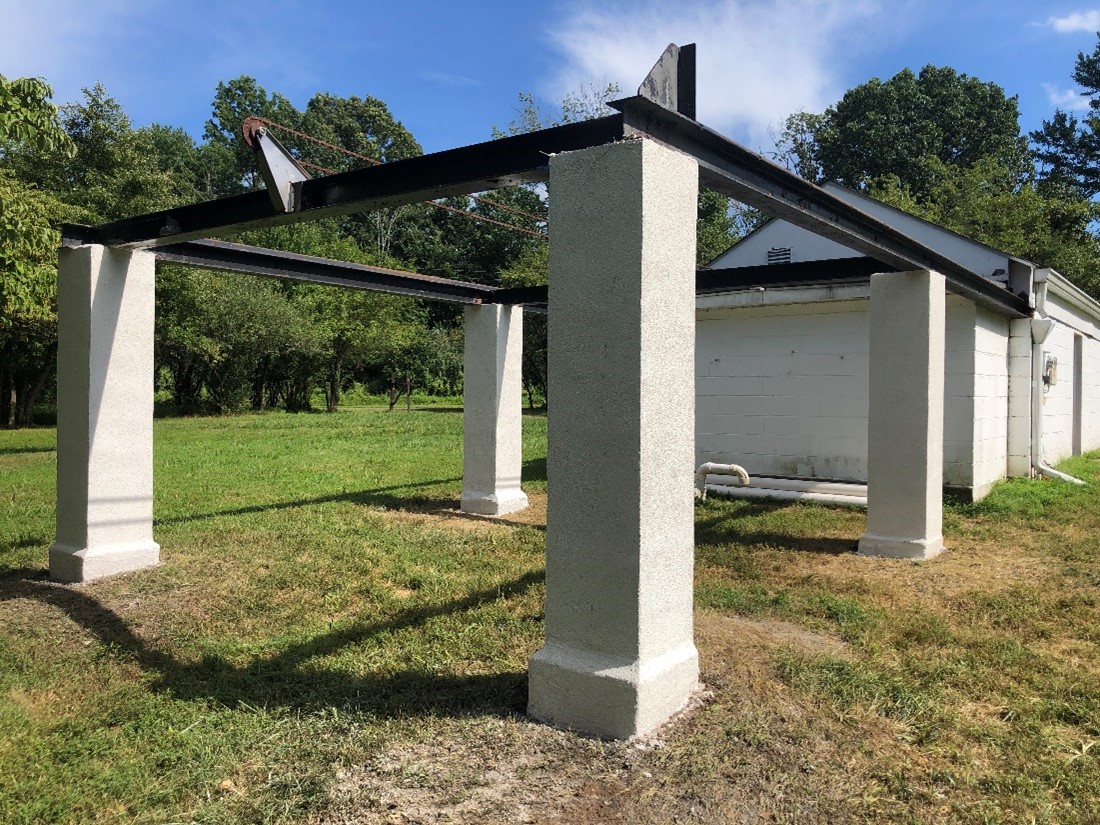
After two+ years of planning, coordination and an unnerving NJDEP permitting process, the columns that allow for open sky observation from within the walls of AAAP’s Simpson Observatory have finally been replaced.  The original cinder-block columns built in the summer of 1978 to support the roll-off roof had become deeply cracked from water damage.  Internal video inspection of the blocks revealed total replacement was sorely needed.

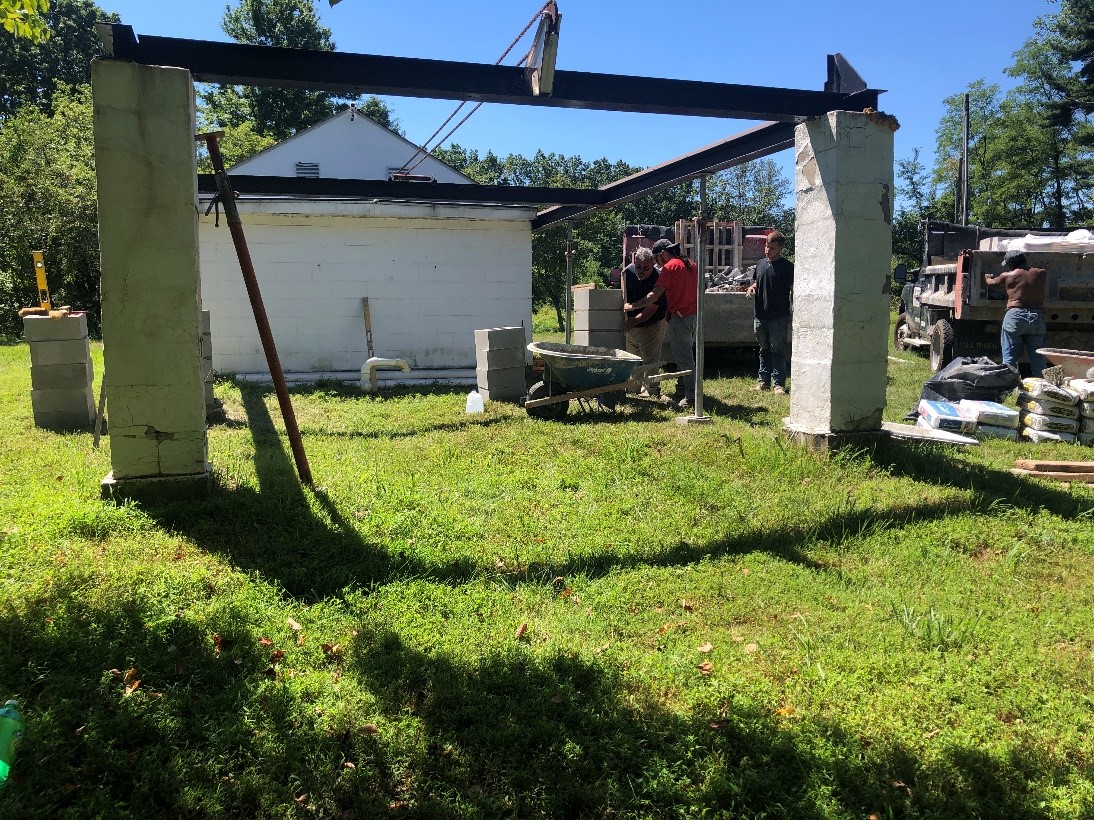
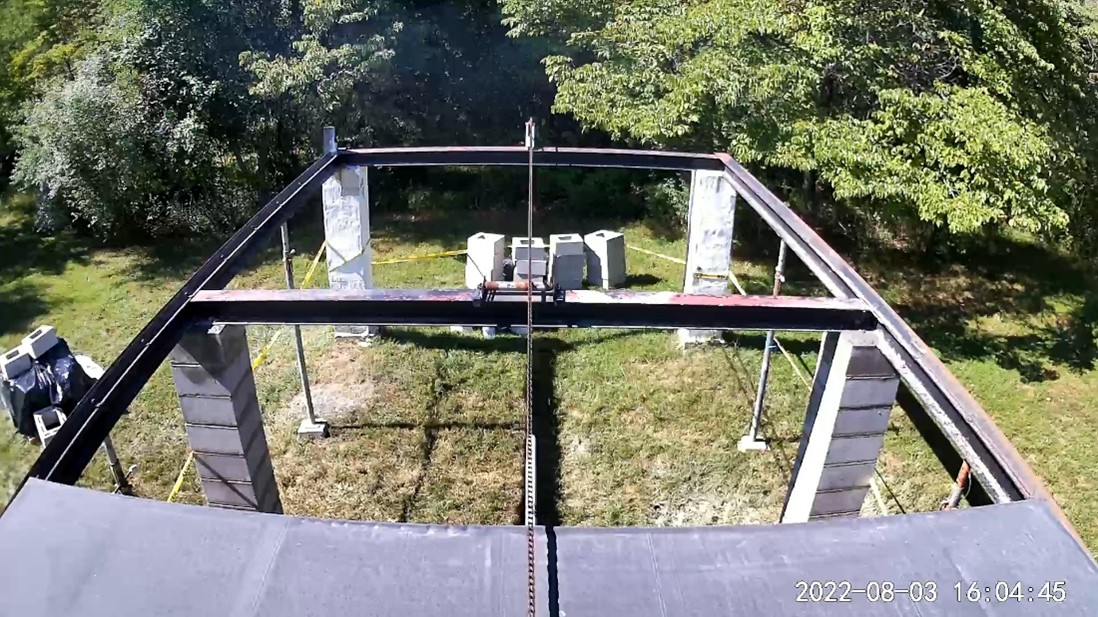
CWC Masonry, LLC began replacement work on August 3, 2022.  I was present to observe and answer questions as they arose.  Before work began, CWC documented the current “levelness” of the steel I-beams so their positions could be monitored.  CWC then installed steel column jacks to support the I-beams for the duration of the project.  By the end of the day, two of the four columns had been removed and replaced.

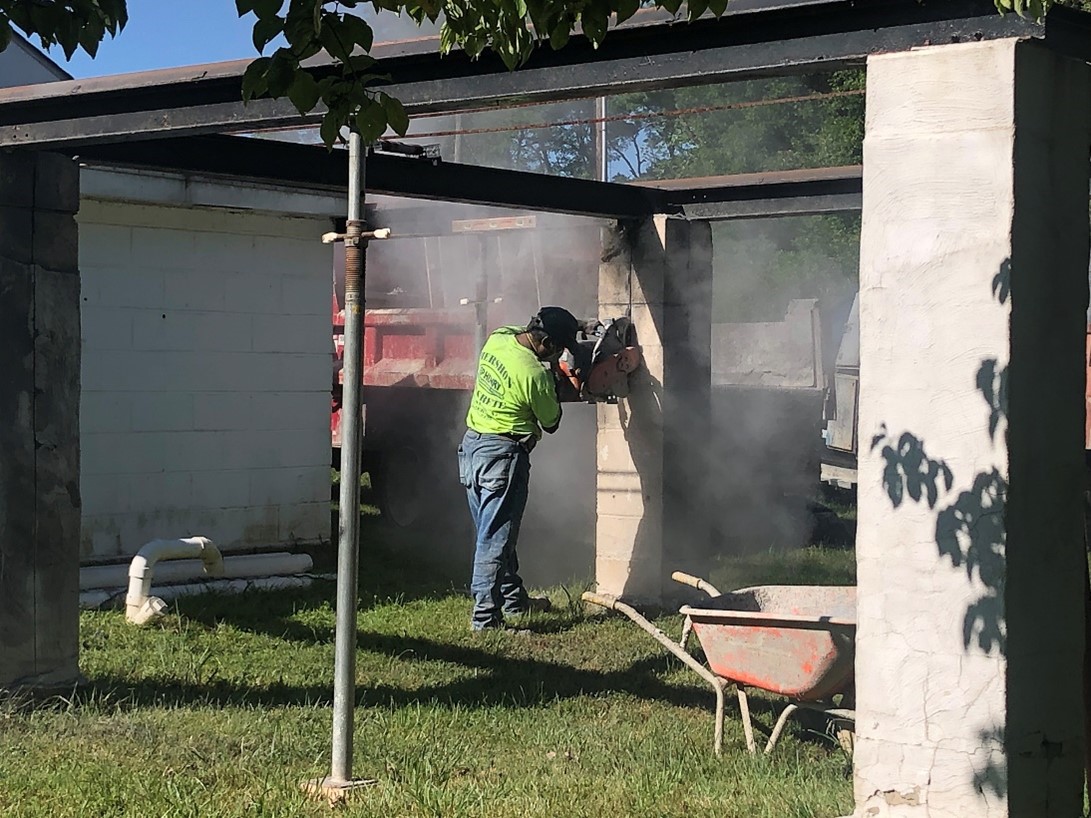
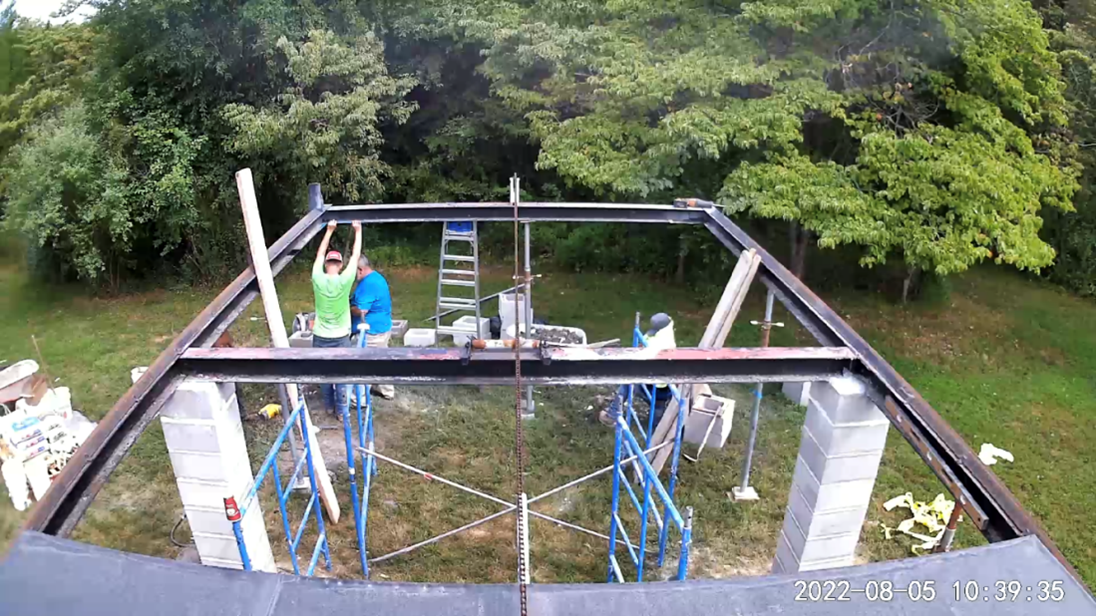
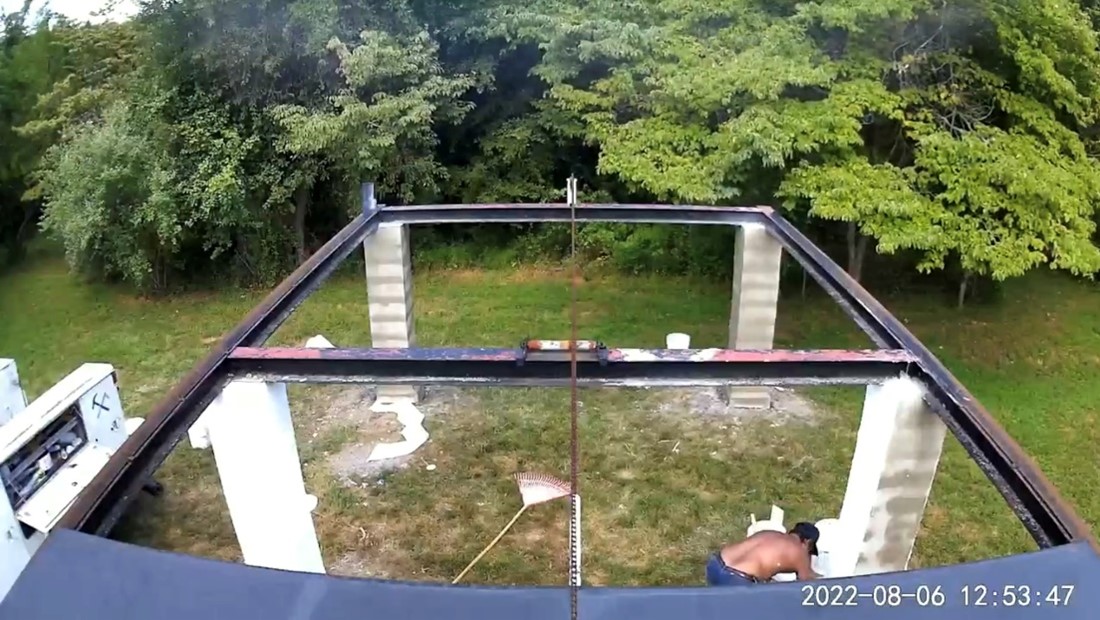
The second pair of columns were replaced on August 5.  The demolition and reconstruction process was the same for each column.  The old cinders blocks were saw cut down the middle and knocked out with a demolition hammer-drill.  The original concrete footers were then carefully cleaned and inspected.  Fortunately, the footers were still in excellent condition. 

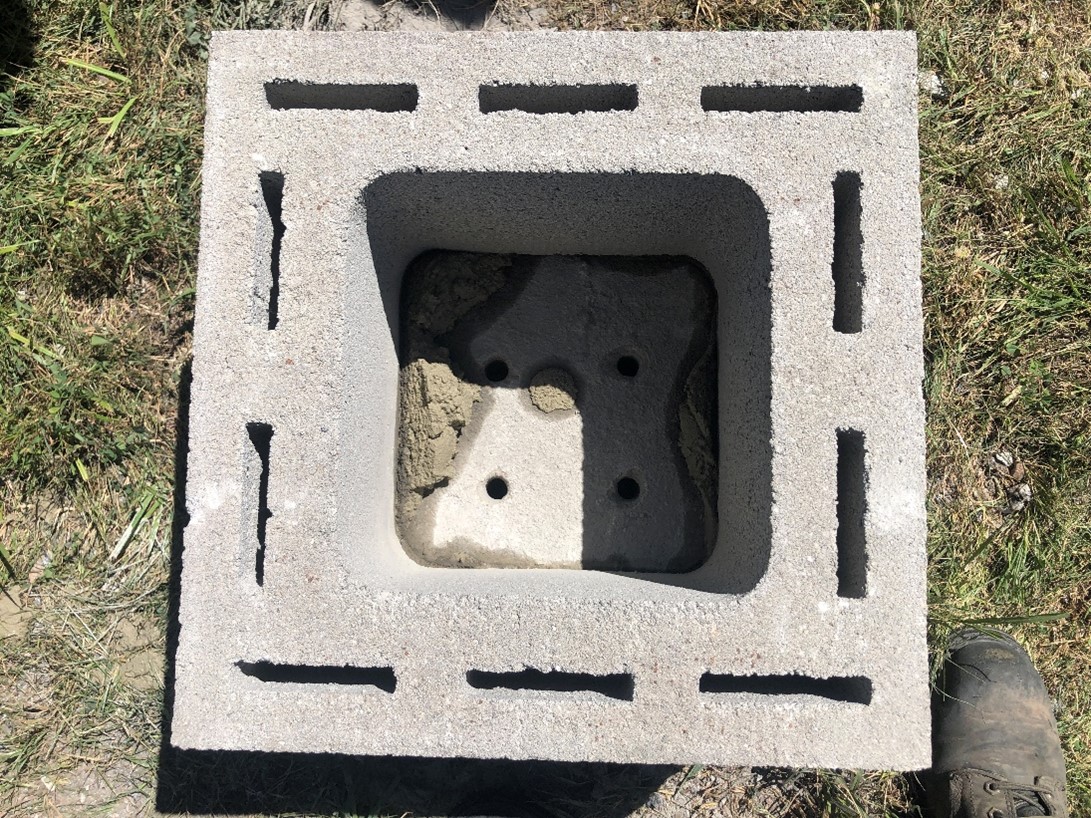
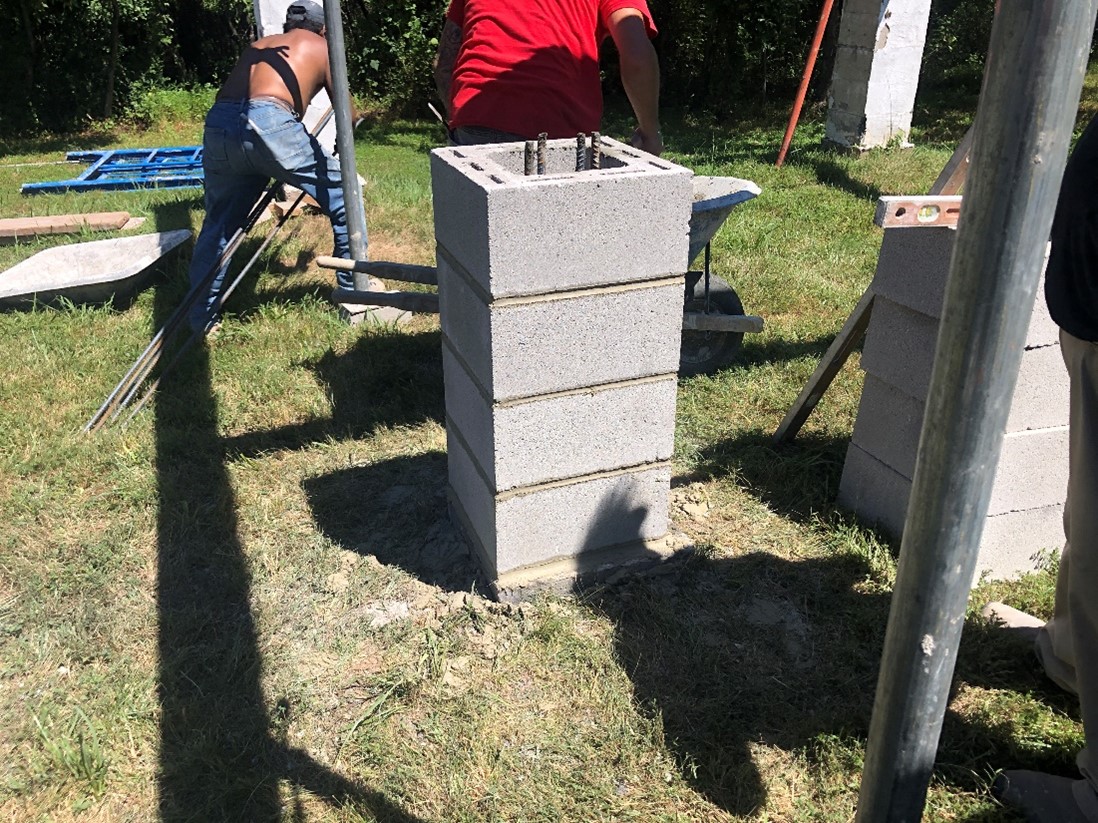
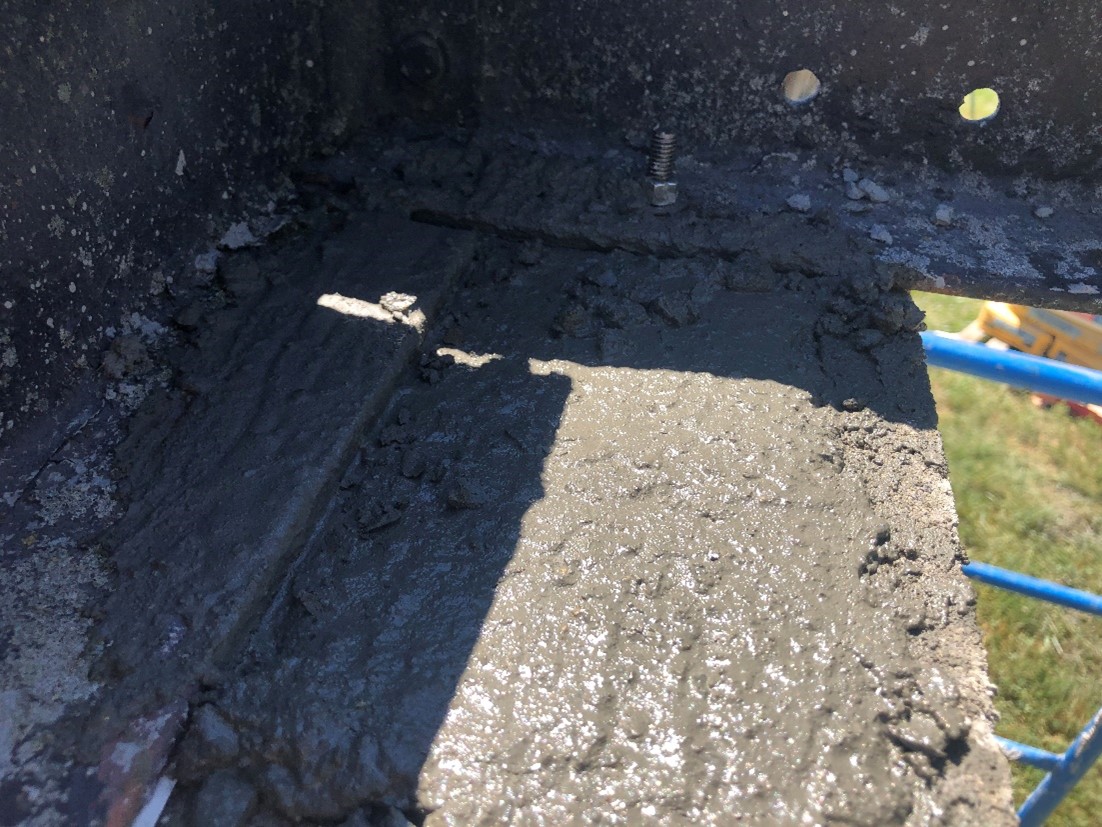
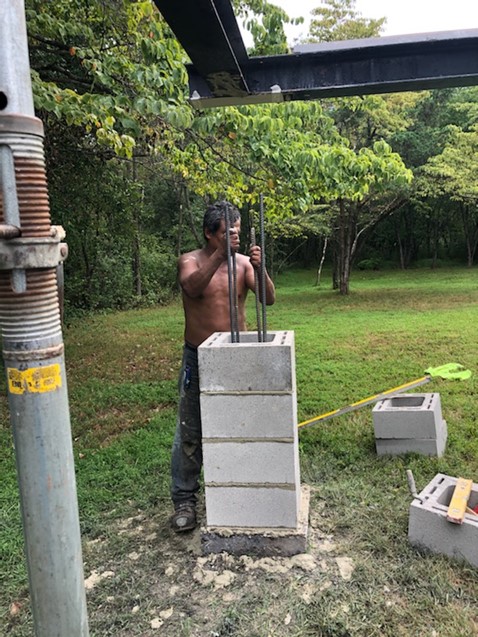
Next, the first concrete column block was mortared in place after careful alignment below the I-beam structure.  Four holes were then drilled into the footers to accept ¾-inch rebar that would run through the center of the blocks.  After several blocks were laid, cement was poured into the central opening around the rebar.  Two courses of overlapping rebar were used to span the height of the columns. 

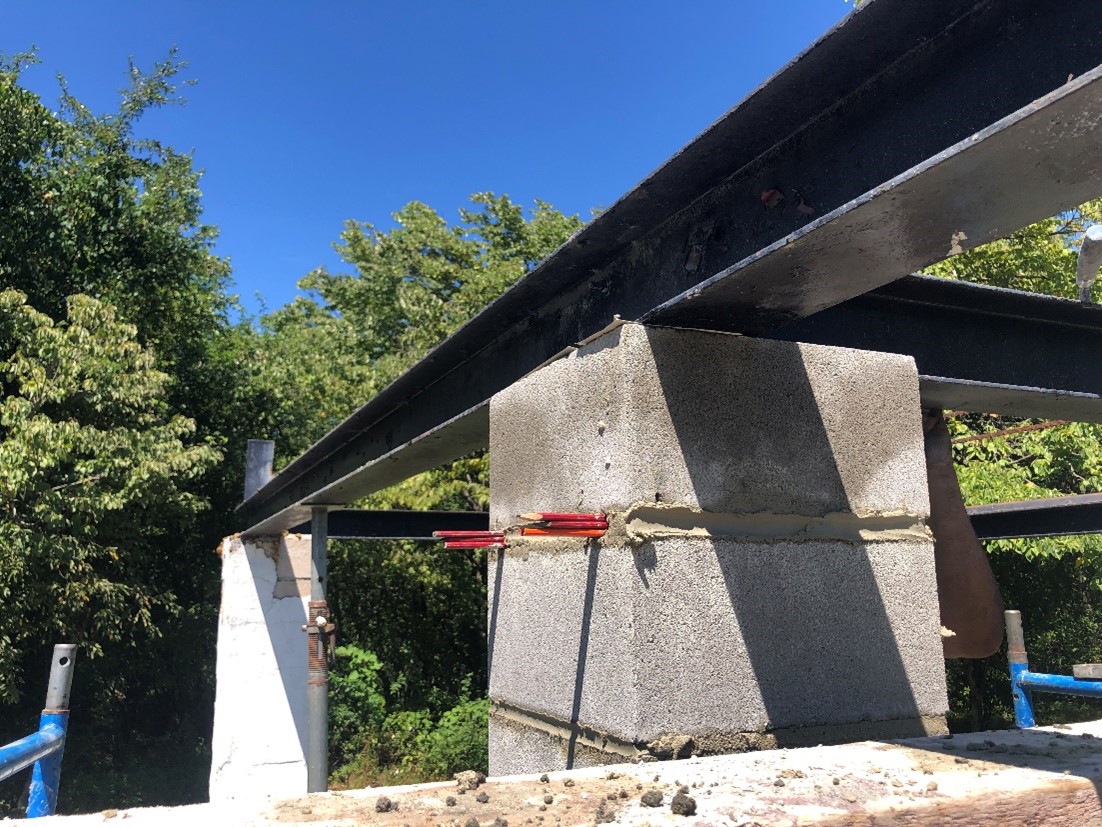
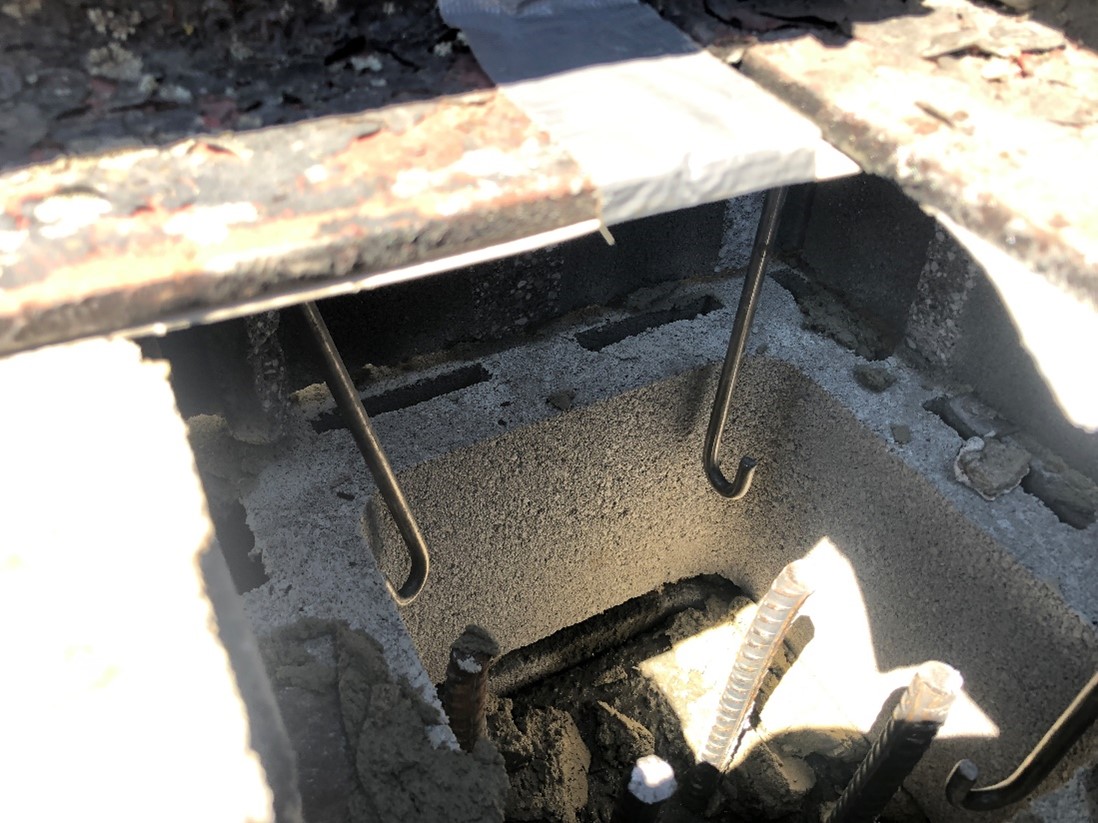
At the top, the final block was shimmed into place to meet the underside of the steel I-beam.  Mortar was then packed into the gap between the blocks.  Stainless steel J-bolts were inserted into pre-existing bolt holes in the I-beams and their lengths adjusted to overlap the rebar.  Cement was then poured in to fill the block.  The new columns were finished off with a layer of Fiberglas mesh mortared in place.  Pre-colored white stucco was then troweled onto the outer surface.  The job was completed on August 6.

Many thanks to CWC Masonry, LLC and to all of those inside and outside of AAAP working behind the scenes to get this ball rolling and finished after such a long process.  I am confident that these new columns will allow AAAP to roll the roof back and view the heavens for many more years to come!

Here are some photos taken throughout the project. Photo credits:  Dave Skitt, John Church, Tom Swords and CWC Masonry.

Posted in Mid-summer 2022, Sidereal Times | Tagged , , | Leave a comment

60th Anniversary Merchandise

by Rich Sherman, Merchandise Chair

The AAAP store now has NEW merchandise that features our “Anniversary Edition” logo celebrating AAAP’s 60 years. Check it out at:  https://aaap1962.logosoftwear.com/.  The password is SiderealTimes.  The items with the new anniversary logo will have “**Anniversary Edition** ” as the first words in the product description (note that the first 21 items on the page have the Anniversary Edition logo; the remaining items have our traditional logo).  If you want a different color or are looking for a product that you don’t see on the site, please email Rich Sherman at merchandise@princetonastronomy.org, and we will make every effort to get that item for you.  Also, note that it takes about 3-4 weeks to receive your order. 

Posted in Mid-summer 2022, Sidereal Times | Tagged , | Leave a comment

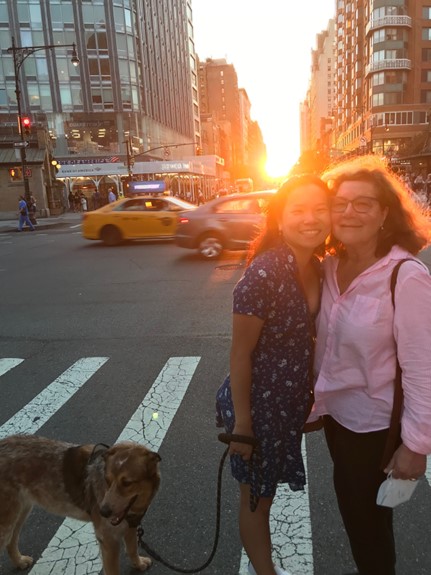
Manhattanhenge 2022

by Victor Davis

“This’ll be a great city once they finish building it.” -Aaron Sorkin dialog spoken by Jeff Daniels in “The Newsroom”

One of Manhattan’s enduring and farsighted design elements has been the street grid devised in 1811, in which the rural area of hills and streams northward of Houston Street was encompassed by a rectangular grid of twelve north-south avenues and 155 east-west streets. At the time “The Greatest Grid” was devised, most of the great cities of Europe were characterized by haphazardly zig-zagging streets that could be difficult to navigate, and where air currents often trapped the malodorous products of human habitation. Manhattan’s grid was devised not only to aid in way-finding but also to allow breezes to whisk unpleasant and unsanitary vapors out of town.

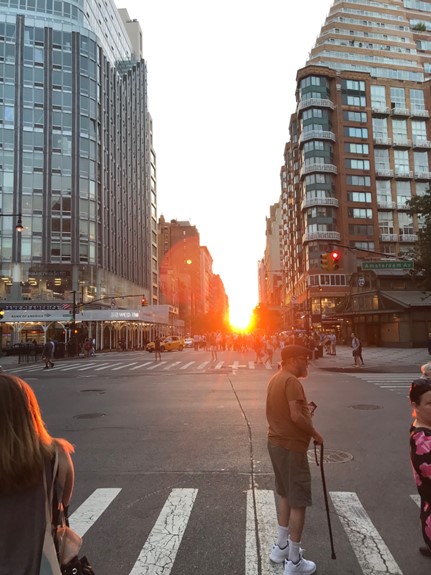
Though we refer to a generally northward heading as “uptown” and southward as “downtown,” and to an apartment at 95th and Central Park West as being in the “Upper West Side,” Manhattan’s street grid is actually oriented 29 degrees eastward from true north.  What this means for Manhattanhenge is that the dates where the Sun sets parallel to the streets are around May 29 & 30 and July 11 &12, rather than at the equinoxes when the Sun rises and sets east/west.

Below are two views of Manhattanhenge on July 11, 2002.

Posted in Mid-summer 2022, Sidereal Times | Tagged , , | Leave a comment