With the many cloudy nights, I’m grateful that at least I could get some lunar observing in!
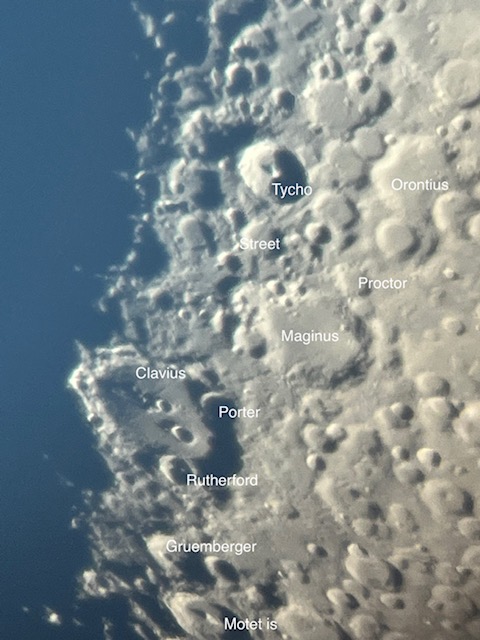
Enjoying the rugged southern highlands of the Moon 3/11/22. Such an interesting region to explore and home to some craters you may already know.
📷: iPhone 13 🔭: @celestronuniverse NexStar Evolution 8 Zoom eyepiece at ~20 mm
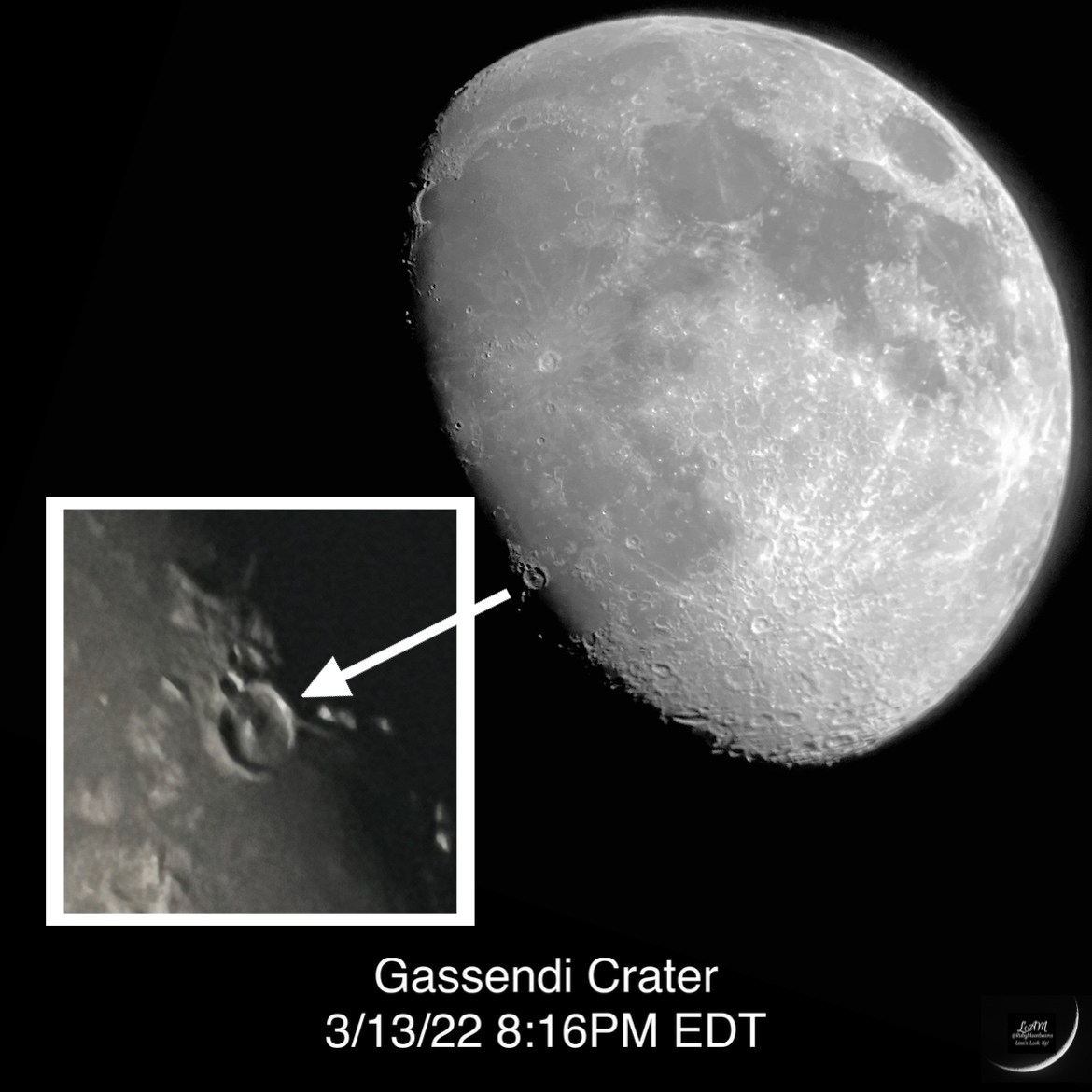
3/13/22, the terminator favors another fun crater, Gassendi or the “Diamond Ring.” You can see why some call it that. It is located on the northern edge of Mare Humorum, and was named for French astronomer Pierre Gassendi.
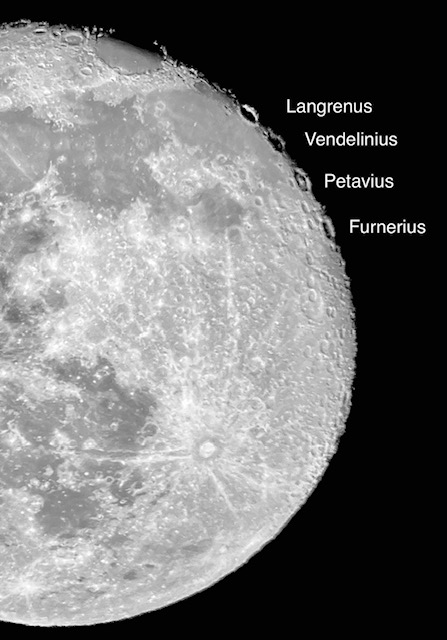
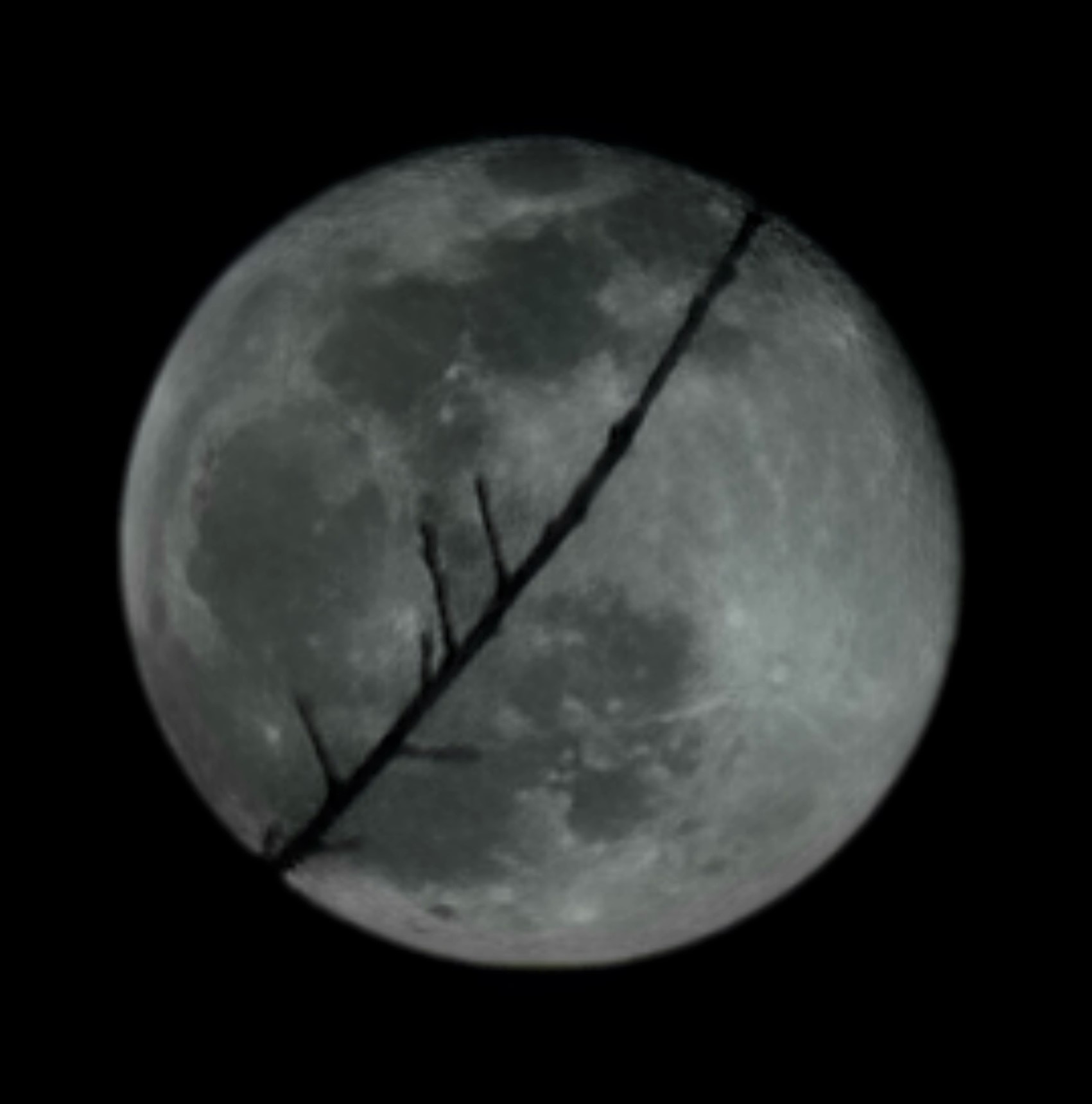
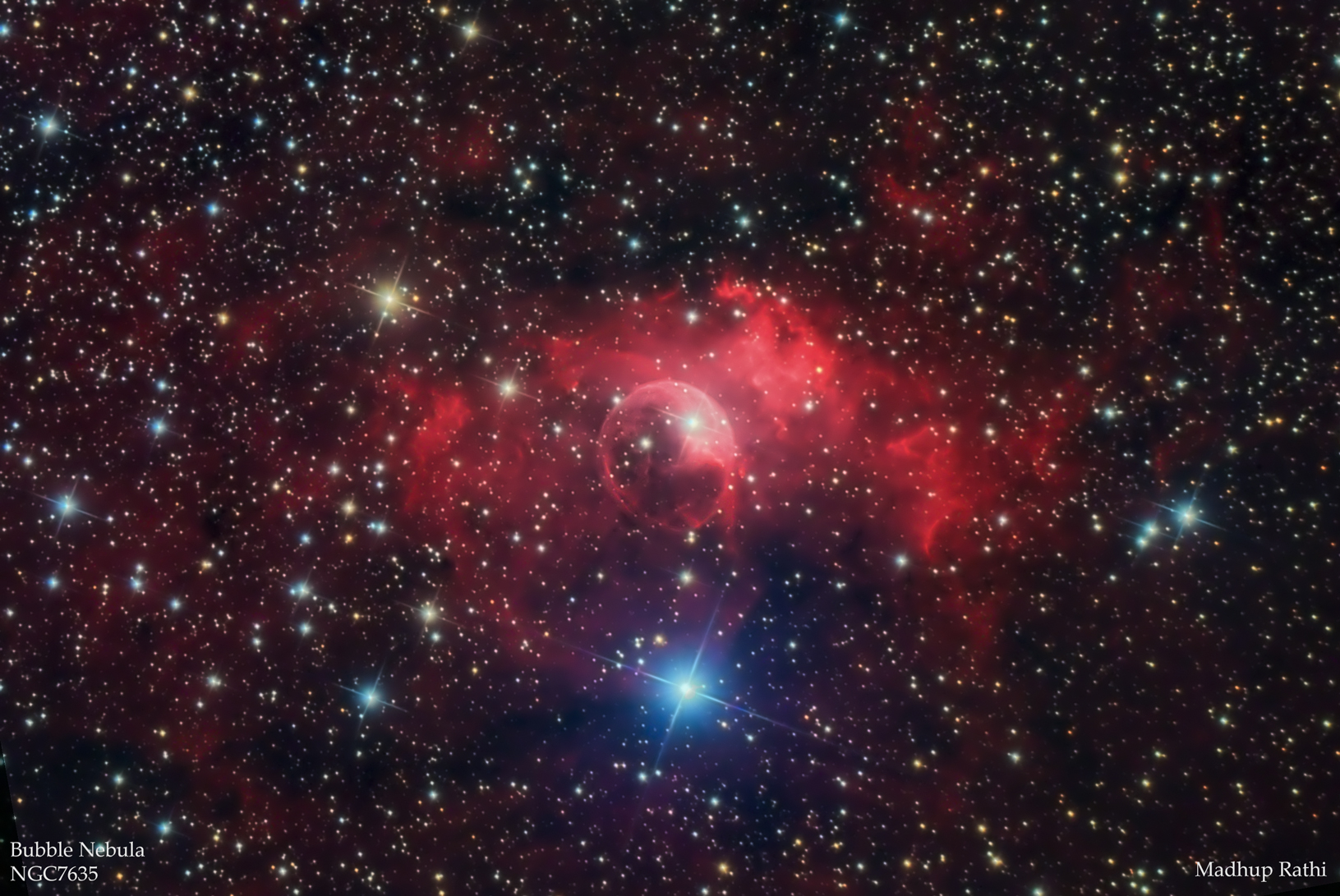
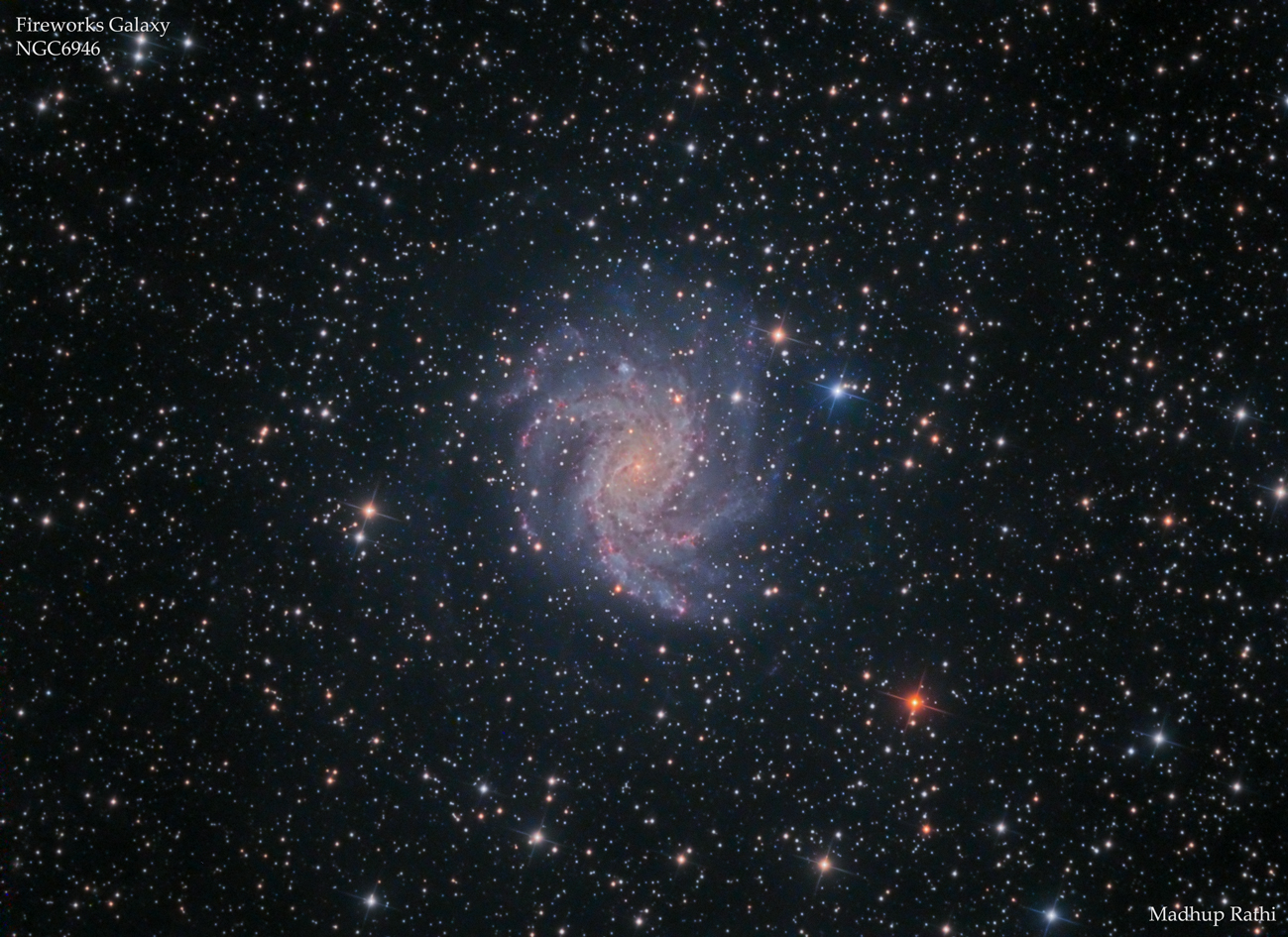
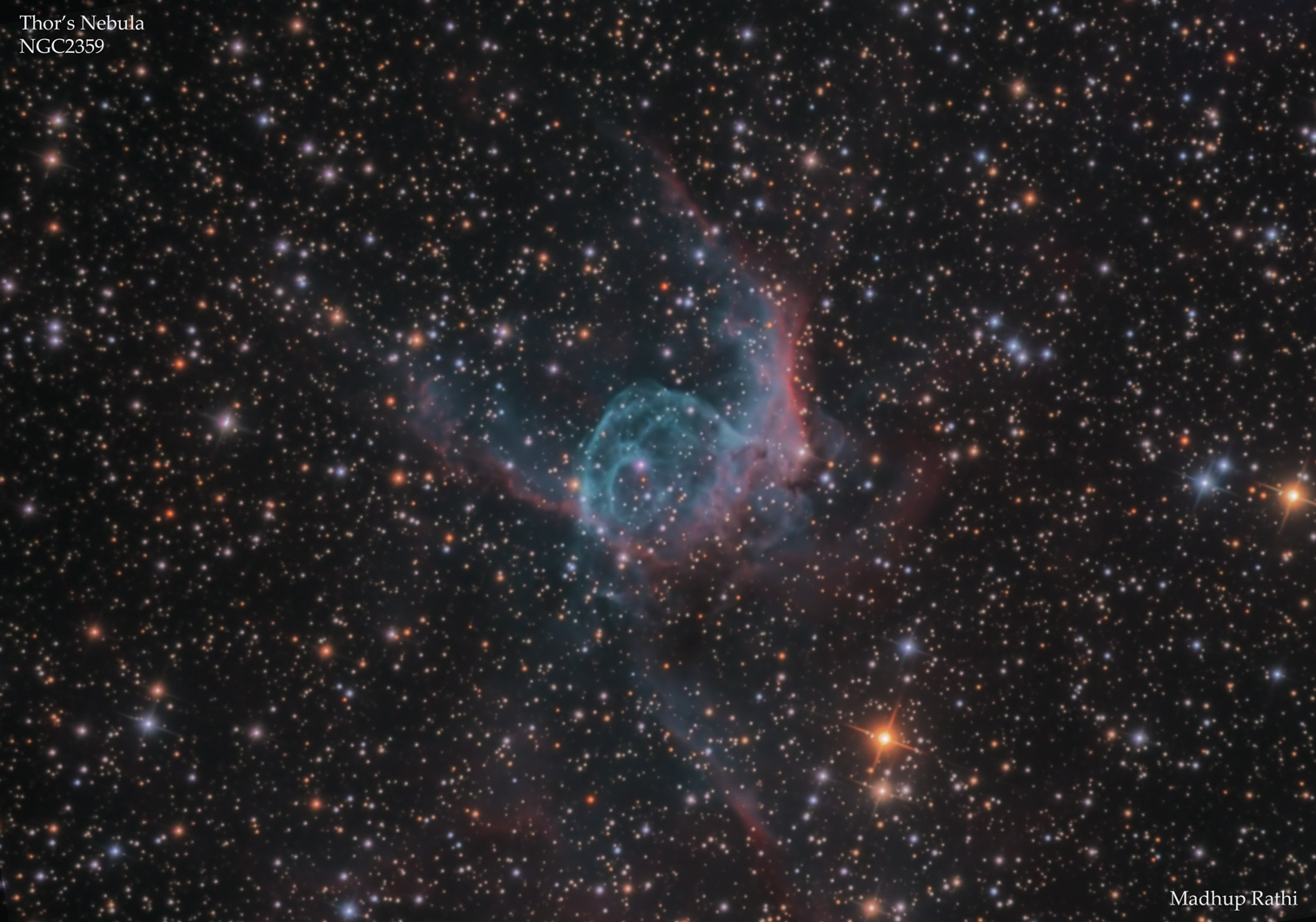
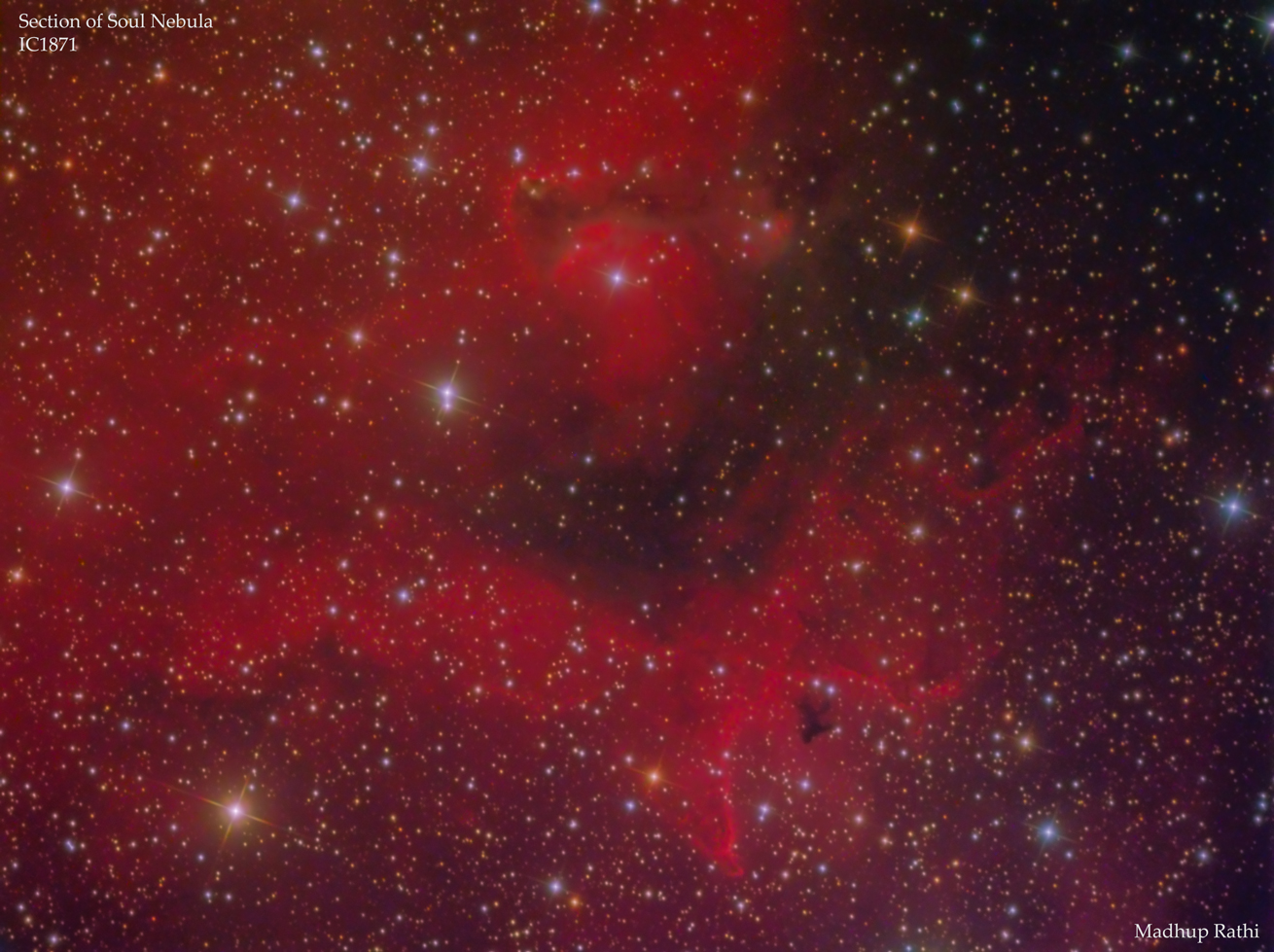
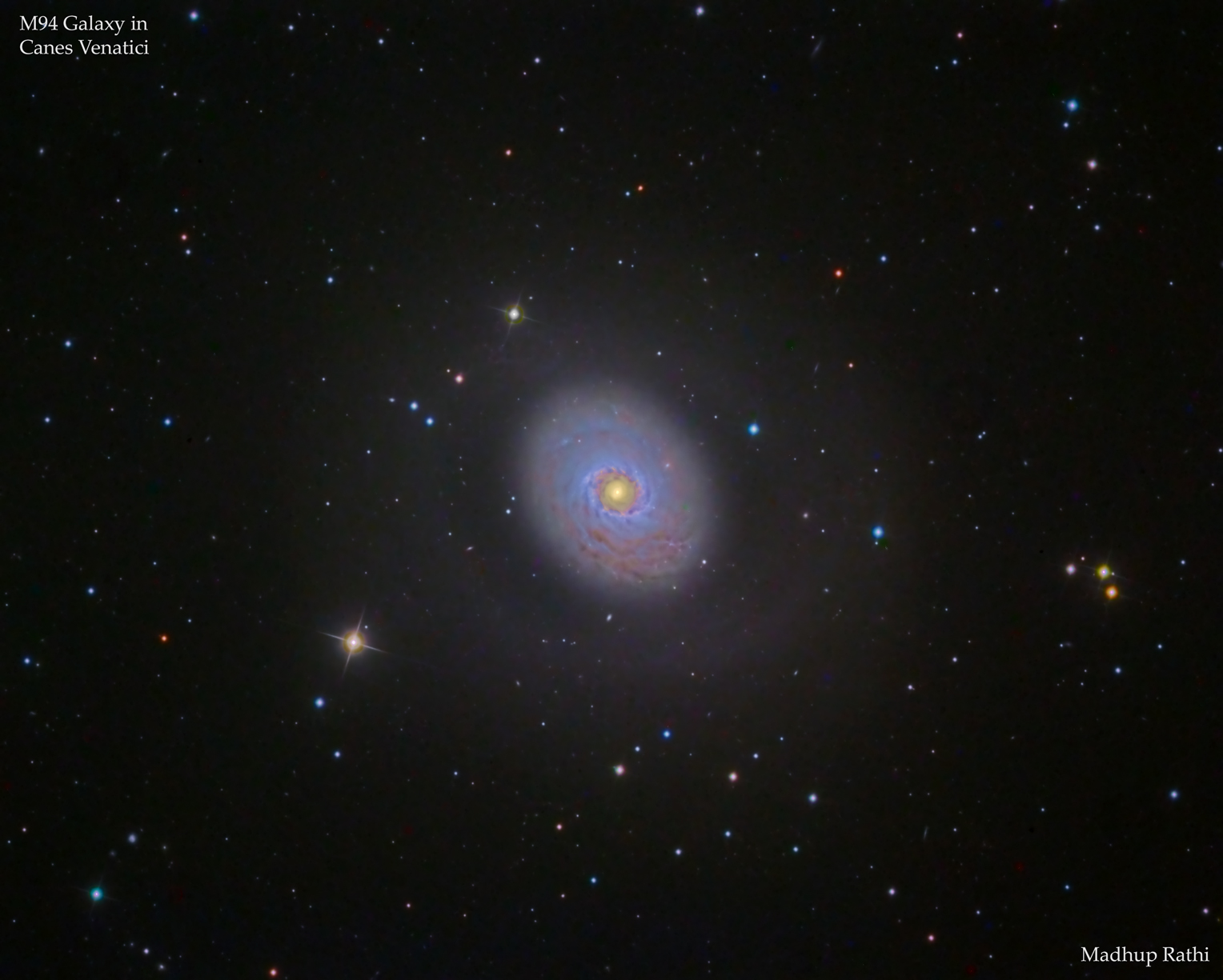
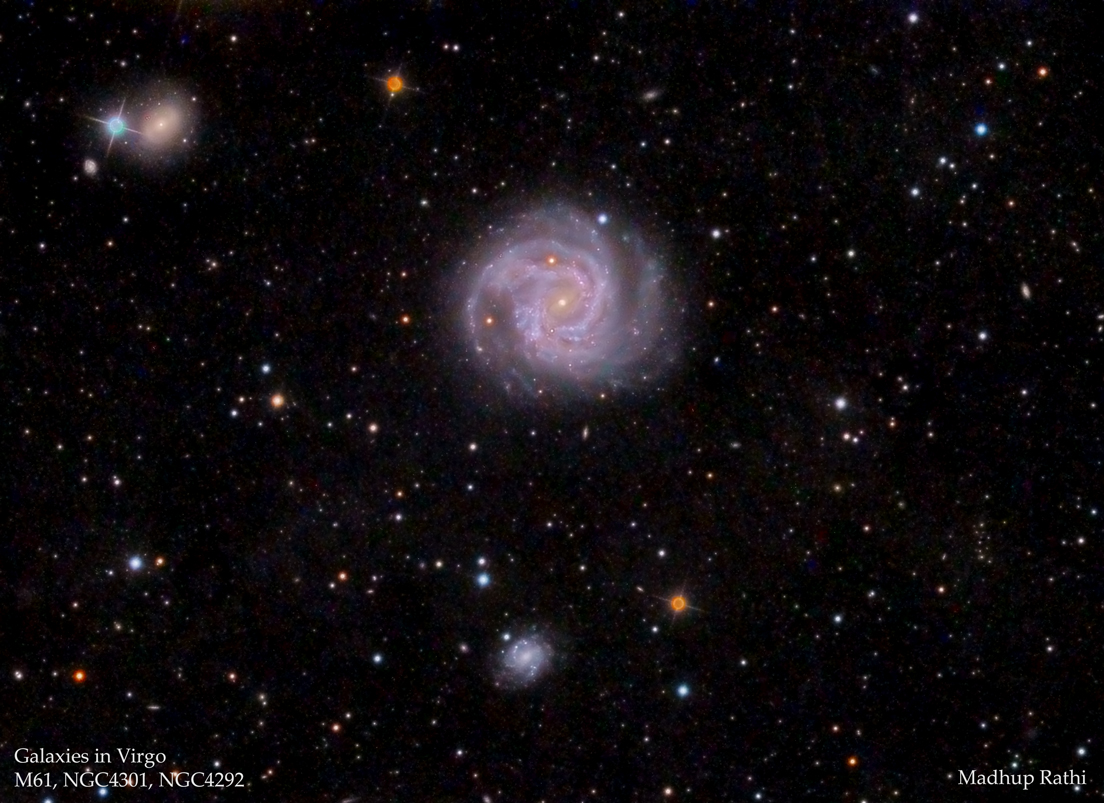
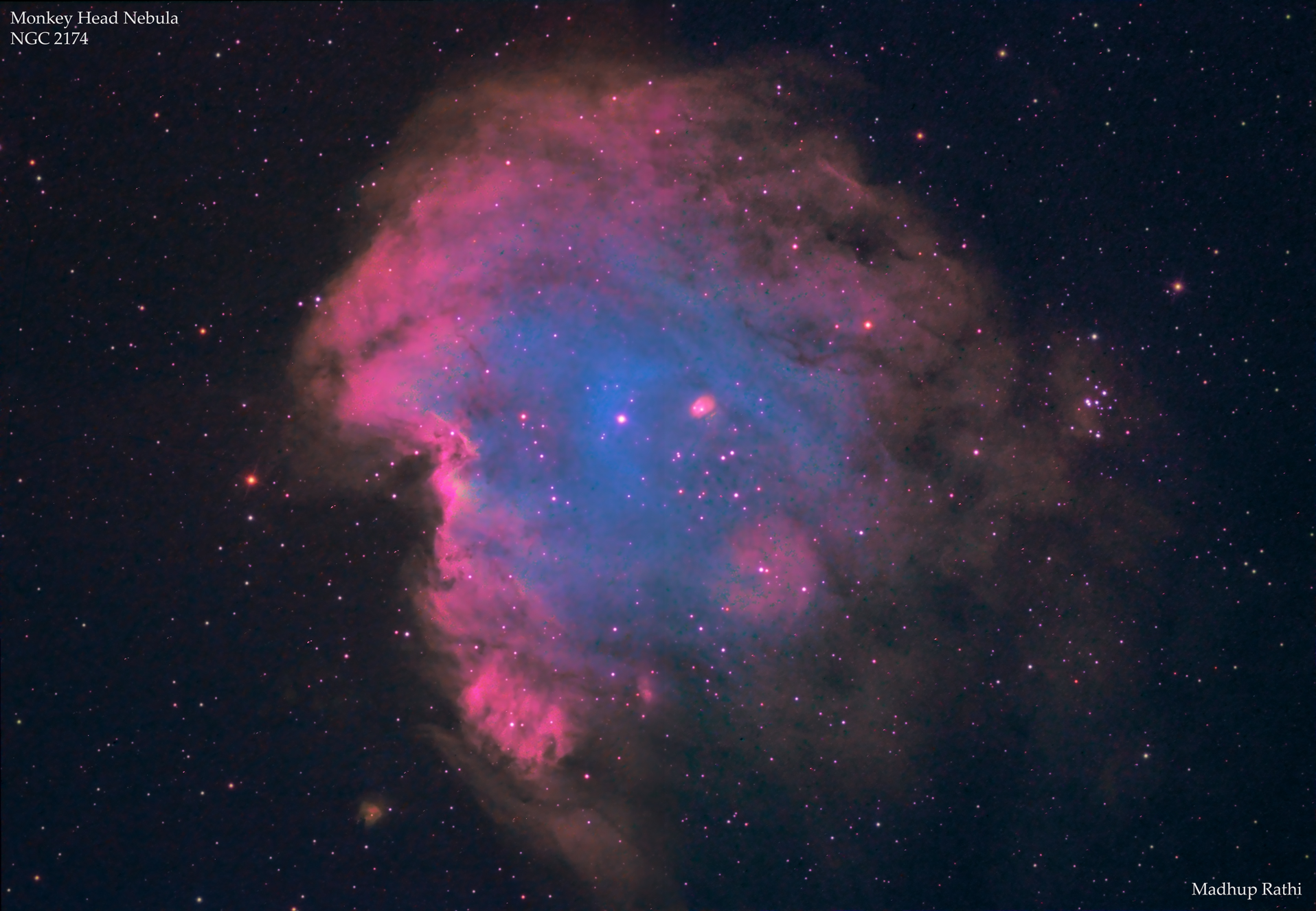
All images taken by member Madhup Rathi in a permanent observatory in New Mexico. AG Optical 10″ f/6.7 on Paramount MX, with QSI 683wsg. Guiding using Sky X and Lodestar, using CCD Commander for automation. Stacking/Mosaic in Maxim DL and Stretching in Pixinsight with final touches in Photoshop Elements.
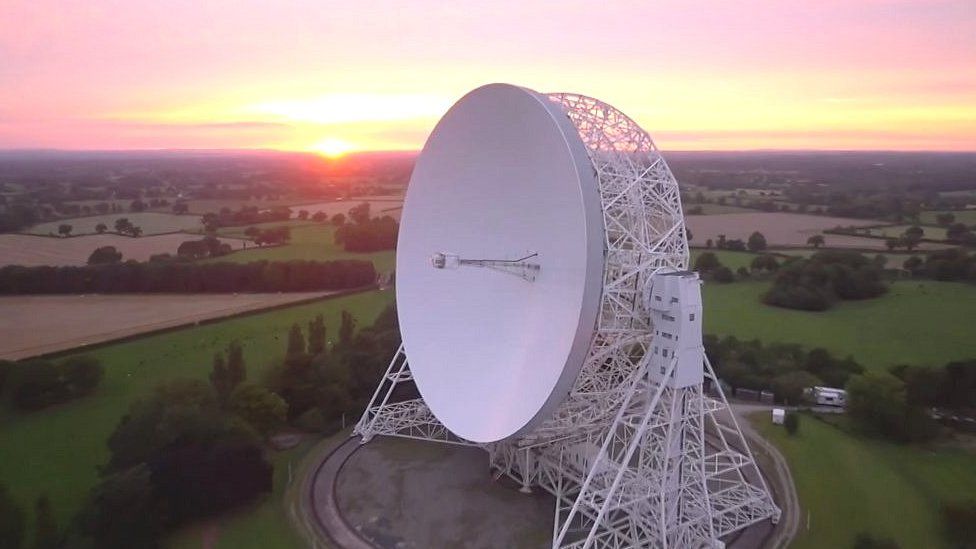
Jodrell Bank Observatory to open £21.5m visitor attraction The Jodrell Bank Observatory in Cheshire is to open a new £21.5m interactive visitor attraction. The First Light Pavilion, due to open on 4 June, will showcase archives and artefacts together with animations and projections…more
-BBC
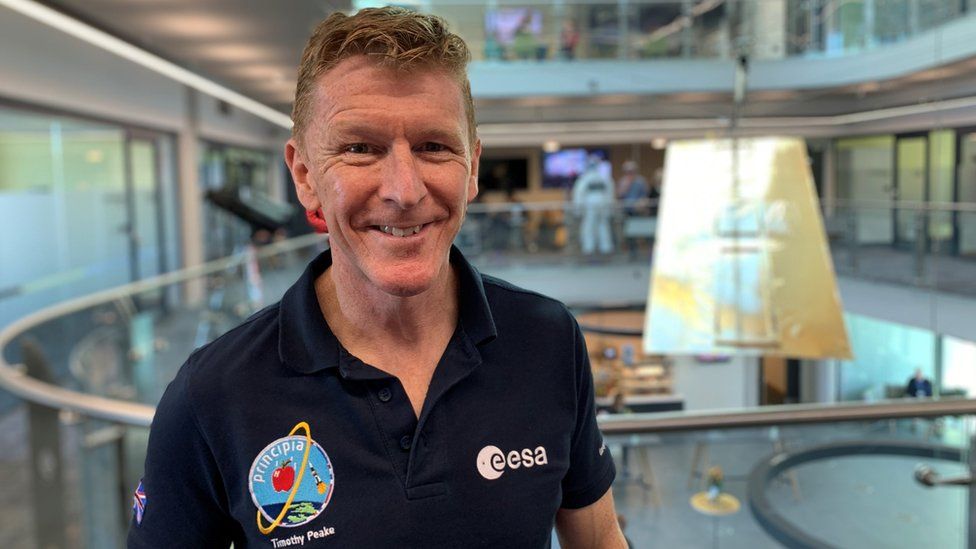
Astronaut Tim Peake opens Space Park Leicester Space Park Leicester will act as a base for scientists, researchers and businesses to work collaboratively across laboratories and offices. Professor Richard Ambrosi, from the University of Leicester, said the site represented “one of the largest groupings of space-related researchers of any institution in the UK”…more
-BBC
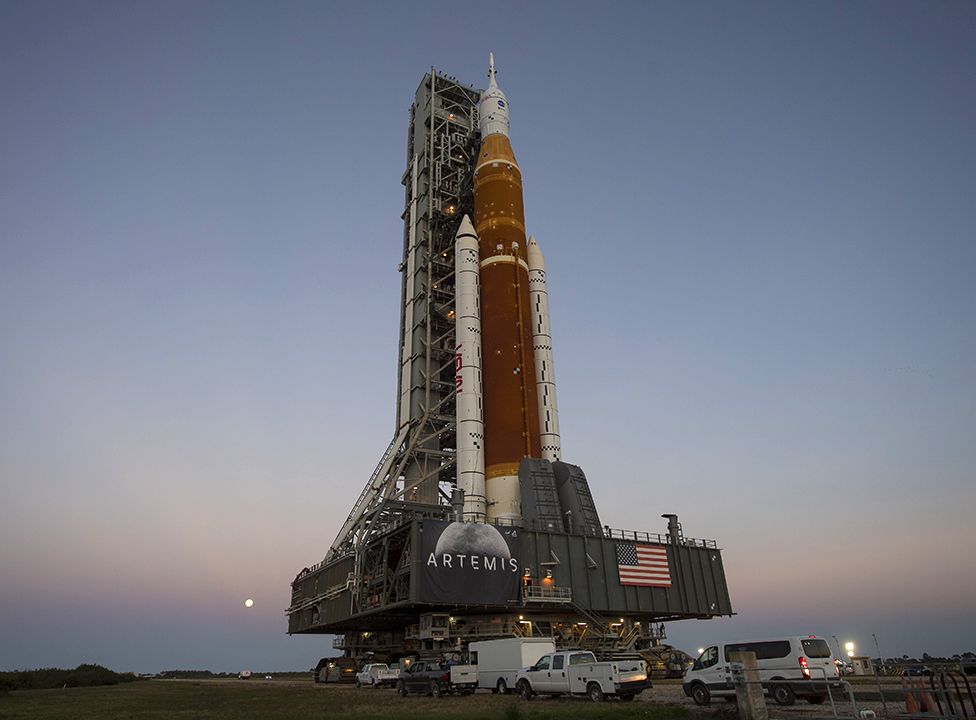
Nasa’s giant new SLS Moon rocket makes its debut The American space agency has rolled out its new giant Moon rocket for the first time. The vehicle, known as the Space Launch System (SLS), was taken to Pad 39B at the Kennedy Space Center in Florida to conduct a dummy countdown…more
-NYT
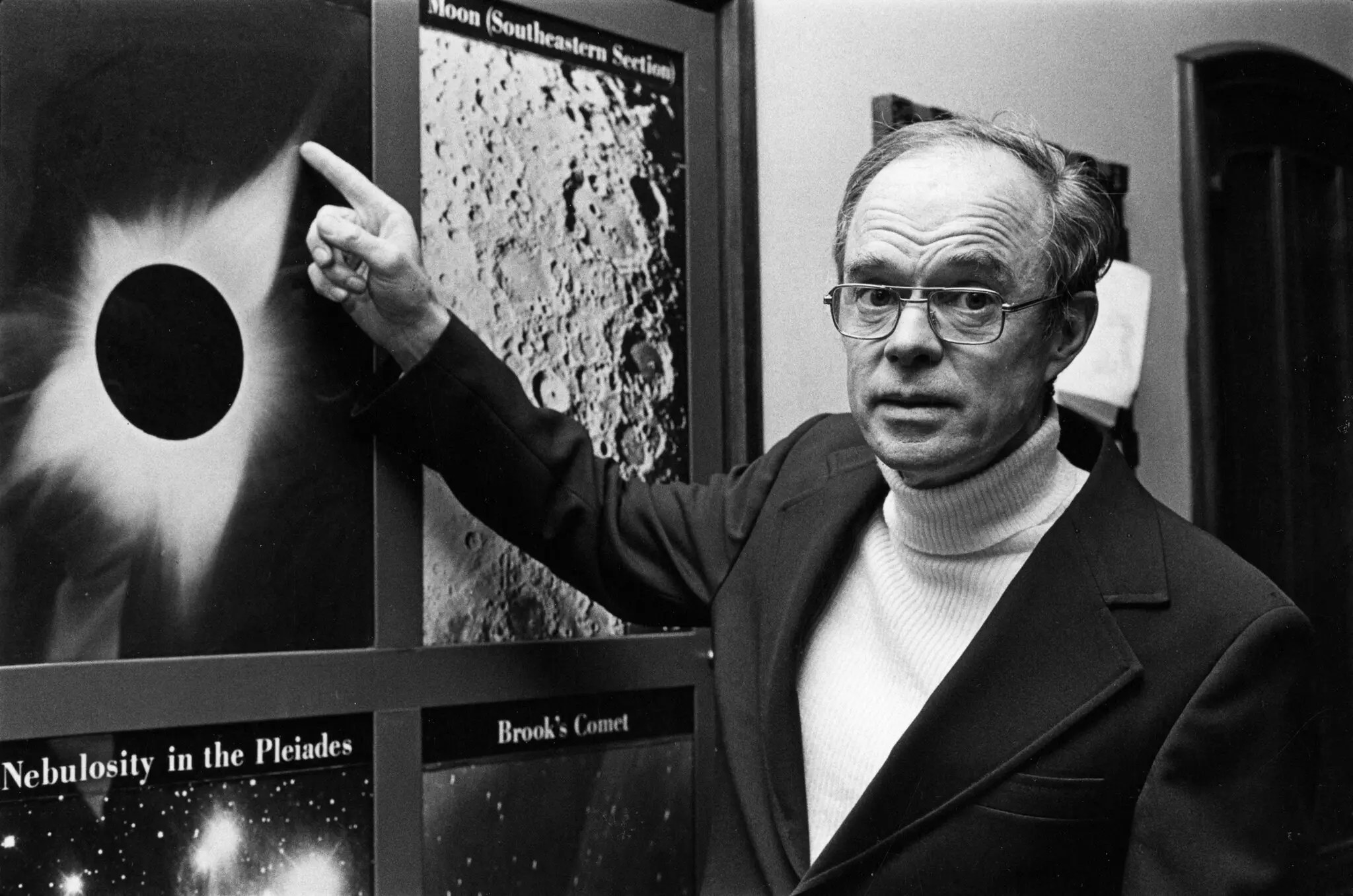
Eugene N. Parker, 94, Dies; Predicted the Existence of Solar Wind At first, almost no one believed his findings on gigantic eruptions from the sun. Today, a NASA mission to fly through its outer atmosphere is named after him. Eugene N. Parker, the astrophysicist who predicted the existence of the solar wind…more
-BBC
Blue plaque to honour Cambridge University ‘Big Bang’ scientist A blue plaque will honour the astronomer and cosmologist Sir Fred Hoyle, who coined the term “Big Bang”. It will be erected on a wall of the house where he lived in Great Abington, Cambridgeshire, from 1946 to 1956. Sir Fred discovered how carbon and all of the heavier elements…more
-sNYT
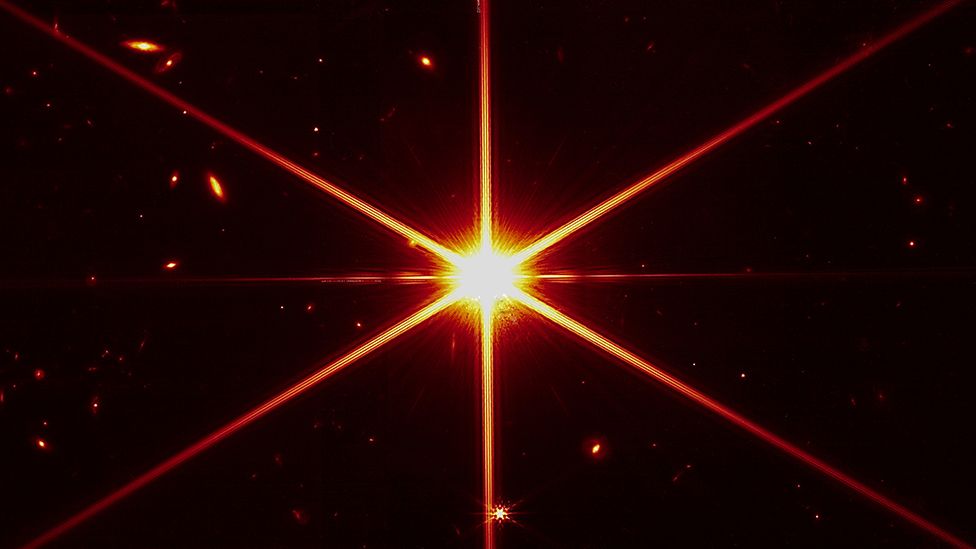
James Webb: ‘Fully focused’ telescope beats expectations The American space agency has achieved a major milestone in its preparation of the new James Webb Space Telescope. Engineers say they have now managed to fully focus the $10bn observatory on a test star. The pin-sharp performance is even better than hoped, they add…more
-BBC
Making a Camera That Works a Million Miles Away When the James Webb Space Telescope sent its first images to Earth, no one was more excited than Marcia J. Rieke, who oversaw the design and construction of its camera. Being responsible for an instrument like NIRCam is like a repeated roller coaster ride…more
– BBC
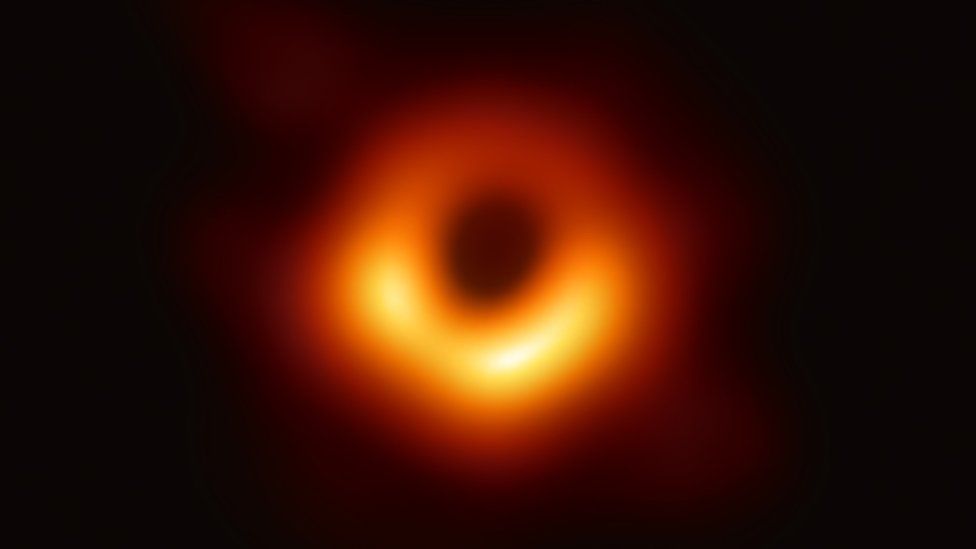
Scientists claim hairy black holes explain Hawking paradox Scientists say they have solved one of the biggest paradoxes in science first identified by Prof Stephen Hawking. He highlighted that black holes behave in a way that puts two fundamental theories at odds with each other…more
-NYT
How a Tiny Asteroid Strike May Save Earthlings From City-Killing Space Rocks Movies that imagine an asteroid or comet catastrophically colliding with Earth always feature a key scene: a solitary astronomer spots the errant space chunk hurtling toward us, prompting panic and a growing feeling of existential dread as the researcher tells the wider world….more
-NYT
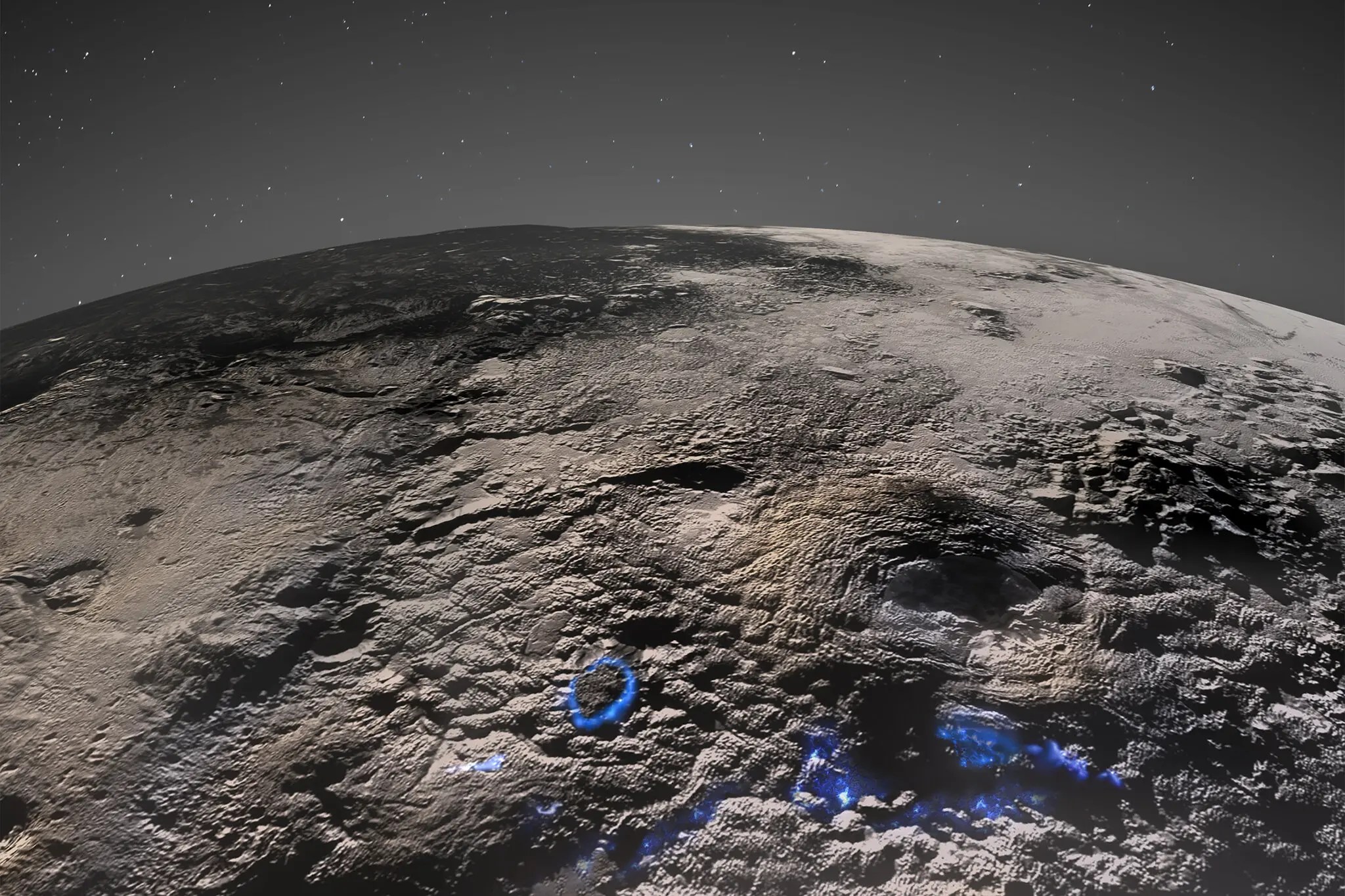
Ice Volcanoes Reshape Pluto and Hint at a Hidden Ocean In July 2015, NASA’s New Horizons spacecraft gave humanity its only close-up of Pluto. The spacecraft found that the dwarf planet, far from being a featureless and frigid orb, was an ostentatious world with epic impact craters, methane ice and nitrogen snow…more
-BBC
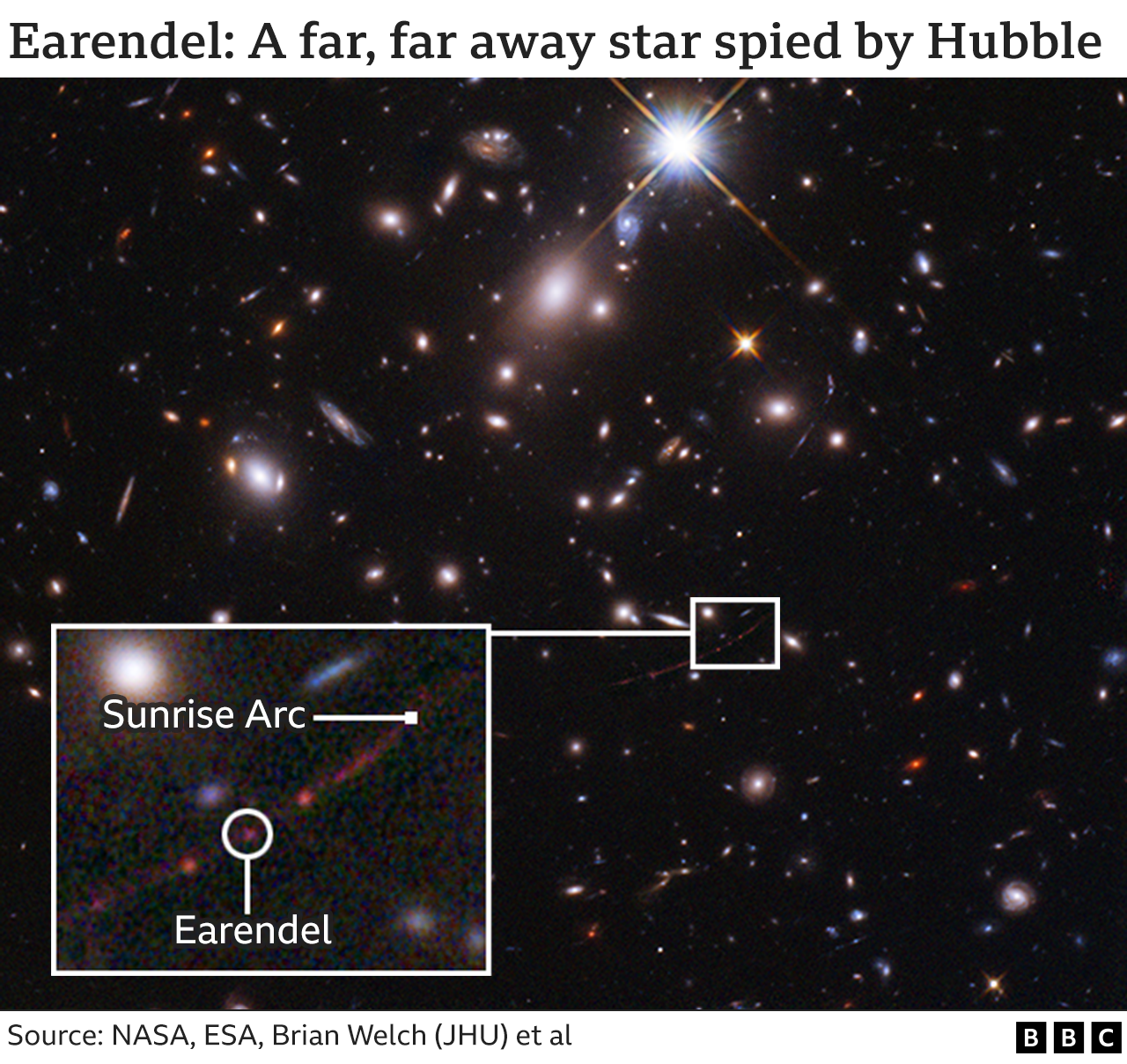
Hubble: ‘Single star’ detected at record-breaking distance They’ve nicknamed it “Earendel” and it’s the most distant, single star yet imaged by a telescope. The light from this object has taken 12.9 billion years to reach us. It’s at the sort of distance that telescopes normally would only be able to resolve galaxies containing millions of stars…more
by Rex Parker, PhD director@princetonastronomers.org
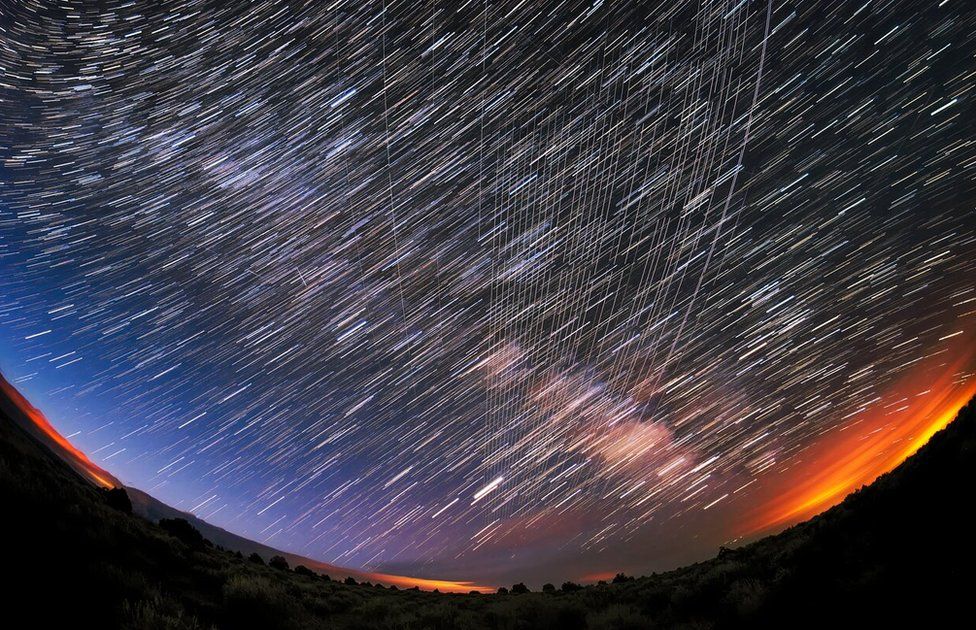
The Sun Strikes Back. In the book of unintended consequences, a whole new chapter is being written on satellite constellations. These small but numerous low orbit communication satellites are intended to bring fast internet to underserved regions. Their appearance as a strings of lights arcing across the evening sky may be a brief wonder to casual observers, but poison to astronomers who have yet to find an antidote. Reflected sunlight from the satellites is bright enough to cause serious problems for professional observatory instruments and for amateur astrophotography. Throughout the space age, previous satellites such as Iridium were placed into much higher orbits and were far fewer in number. The geometry of fast data transmission around the planet envisioned by Starlink and other commercial projects requires great numbers of satellites (tens of thousands) at relatively low altitudes (typically ~130 miles). Our guest speaker in April will address the challenges to the astronomy community, so I won’t go into more detail here, except to say that the situation has caught the astronomy community off guard.
A brief potential remedy recently came to light. We might think of our sun as being very stable and constant in its energy output, but solar physics and the new solar orbiting satellites are showing how turbulent it can be. On Feb 15 Solar Orbiter spacecraft run by the European Space Agency (ESA) was well positioned to observe the largest solar prominence since its launch last year. This event reached millions of miles into space, though perhaps fortunately for us it originated on the side of the sun. Prominences are often associated with coronal mass ejections which, if aimed towards Earth, can be energetic enough to destroy technology and disrupt human society. NASA’s Parker Solar Probe has also been studying these events and providing new insights into the physics of the huge structures of solar plasma controlled by the sun’s magnetic fields.
Maybe these coronal mass ejections are just what is needed to slow down the satellite constellation projects until plans to prevent their damage to the dark night sky can be developed. Another significant outburst from the sun occurred before the recent launch by SpaceX of another round of 49 Starlink satellites on Feb 3. As summarized by the New York Times in article on Feb 9, a geomagnetic storm triggered by that solar outburst caused increased atmospheric drag on the newly launched satellites as they approached their intended 130 mile orbits above the earth’s surface. This led to premature deorbiting of 40 of the 49 satellites, which are in the process of re-entering Earth’s atmosphere where they will be incinerated. The solar wind has a strong effect on the Earth’s magnetosphere and energetic events from the sun can cause changes in the density of the upper layer of the atmosphere. Solar experts say that it’s possible and even likely that future solar outbursts could eliminate more newly deployed Starlinks n the future. The sun has an 11 year activity cycle and is now in an uptrend with peak expected in 2025, perhaps just in time to put the brakes on the deployment of the satellite constellations.
An Amazing Explorer’s Legacy – the Henize Objects. In a recent project my astrophotography group, using a 24” Planewave telescope high in the Andes in Chile, targeted the object known as Henize 70. The image below is the result of this effort. From this I became curious about the history of the Henize objects. The astronomer Karl Henize spent years studying the Large Magellanic Cloud (LMC), the dwarf galaxy nearest us visible only from the southern hemisphere. He created a catalog of interesting objects in it during his career as Professor of Astronomy at Northwestern University. In 1967 he gave up his full professorship to became an Apollo astronaut and was actually slated to fly on Apollo 20 or 21 had the NASA project not been discontinued. In 1985 he finally did go into space on the Space Shuttle Challenger with the SpaceLab2 experiment. Henize had a lifelong interest in the LMC and created the catalog of interesting objects now bearing his name. Exploration was his game, and ultimately how he went out – at age 70 in 1994 he died climbing Mount Everest, where his body was buried at 22,000 ft.
Henize 70 in the Large Magellanic Cloud from a 24” telescope in Chile.Turbulent clouds of interstellar gas and dust surrounding high mass stars form the nebula known as Henize 70 in the southern constellation Dorado. Henize 70 is an expanding superbubble about 300 light-years in diameter. Astrophoto by RA Parker.
AAAP Speaker Presentations on You Tube. If you missed the presentations by the guest astronomers of recent AAAP meetings, you can find them on the AAAP You Tube channel. Thanks again to Victor Davis, Dave Skitt and Ira Polans for recording and editing the sessions. Here’s the link: https://www.youtube.com/channel/UCiJvXfK9DGCmGwiKK_Q6ieg.
The March, 2022 meeting of the AAAP will take place (virtually) on Tuesday, March 8th at 7:30 PM. (See How to Join the March Meeting below for details). This meeting is open to AAAP members and the general public. Participants will be able to log in to the meeting as early as 7:00 pm to chat informally with others who log in early. We will not be using the “waiting room;” participants will enter the meeting as soon as they log in. However, you will enter the meeting space with your microphone muted. This will help to remedy some of the background noise we experienced during some previous meetings. Please be aware you must unmute yourself to be heard by other participants.
For the Q&A session, you may ask your question using Zoom’s chat feature or you may unmute yourself and ask your question directly to the speaker. To address background noise issues, we are going to follow the rules in the table below regarding audio. If you are not speaking, please remember to mute yourself. You are encouraged, but not required, to turn your video on.
Meeting Event
Participant Can Speak?
Participant Can Self-Unmute?
Pre-meeting informal chatting
Start All on Mute
Yes
Director Rex’s General Remarks
Yes
Yes
Program Chair Victor’s Speaker Introduction
Yes
Yes
Speaker Presentation
No
No
Q&A Session
Start All on Mute
Yes
5-minute bio break
Yes
Yes
Journal Club presentation by Rich Sherman
Start All on Mute
No
Business Meeting
Start All on Mute
Yes
Director’s closing remarks/Informal chatting
No
No
Only the Business part of the meeting will be locked.
Featured Speaker: Dr. Roseanne Di Stefano, a Senior Astrophysicist at the Center for Astrophysics, Harvard and Smithsonian.
Most of the exoplanets (4,651+) discovered to date were detected by looking for tiny diminutions in a star’s visible light when a non-luminous object transits in front of it. Almost all exoplanets and exoplanet candidates are within 3,000 light years of Earth, well within the Milky Way galaxy. Dr. Di Stefano and her colleagues may have detected signs of an exoplanet transiting a star outside of the Milky Way, in M51, the Whirlpool Galaxy, about 28 million light years away.
They did this by examining data from the Chandra X-ray Observatory to look for dips in the brightness of X-rays received from bright X-ray binaries in galaxies M51, M101, and M104. Of the 238 binary systems observed, one exoplanet candidate turned up, now known as M51-ULS-1. This binary system contains a neutron star or black hole orbiting a 20-solar-mass companion star. Because the region glowing in X-rays is small, a transiting planet could block much or all of its X-ray emission, making it easier to spot. In the case of M51-ULS-1, the X-ray emission decreased to zero in the space of three hours. The researchers estimate the exoplanet candidate to be about the size of Saturn at about twice Saturn’s distance from the Sun. So, a confirming observation is about 70 years away.
Dr. Di Stefano will describe her research and its implications for planetary studies, including possible extensions of this work to X-ray binaries in additional galaxies and in the Milky Way.
Dr. Roseanne Di Stefano is a graduate of Queens College, CUNY, Columbia University, and SUNY Stony Brook. She’s a Senior Astrophysicist at the Harvard-Smithsonian Center for Astrophysics. Her thesis work was on Hamiltonian dynamics and supersymmetry, but she has been researching questions in astronomy since the 1990s, first at MIT, then at Harvard and at the Smithsonian Astrophysical Observatory. Her current professional interests are on binaries and triple star systems, particularly topics related to the progenitors of Type 1a supernovae, gravitational mergers, and binary self-lensing. She has conducted studies of both newly collected and archived X-ray data and is engaged in time series analysis for both X-ray and optical events, including microlensing. She is a member of the Vera Rubin Observatory’s team on transients. She’s active in science education and outreach, and in community service in the US and abroad.
AAAP webcast: This month’s AAAP meeting, beginning with Rex’s opening remarks and ending at the beginning of the business meeting, will be webcast live on YouTube and recorded for subsequent public access on AAAP’s YouTube channel. Be aware that your interactions during this segment, including questions to our guest speaker, may be recorded for posterity.
This session will be recorded and saved on YouTube. Send me an email at program@princetonastronomy.org if you have any concerns.
Using Zoom: While we are social distancing, the AAAP Board has chosen to use Zoom for our meetings, based our belief that many members have already have used Zoom and its ease of learning. One of its great features is you can choose whether you want to install the software on your computer or use it within your browser.
How to Join the March Meeting:For the meeting, we are going to follow a simple two-step process:
Please make sure you have Zoom installed on your computer. You do not need a Zoom account or need to create one to join the meeting. Nor are you required to use a webcam.
Following the post-presentation bio-break, Rich Sherman will present a travelogue of his trip to Lowell Observatory outside Flagstaff, Arizona.
We hope to make these short presentations a regular feature of our monthly meetings. We’d like to know what members are doing or what members are thinking about in the broad range of topics encompassed by astronomy. A brief ten-minute (or so) presentation is a good way to introduce yourself and the topics you care about to other club members. If you are interested in presenting a topic of interest, please contact either director@princetonastronomy.org or program@princetonastronomy.org.
A look ahead at future guest speakers:
April 12, 2022
Paul Daniels, FRAS, an active participant in the Royal Astronomical Society’s Megaconstellation Working Group, will discuss the serious threats to professional and amateur astronomy posed by launching thousands (potentially 100K+) of reflective objects into low Earth orbit.
May 10, 2022
Kenneth Chang, science writer for the New York Times who describes his beat as “chemistry, geology, solid state physics, nanotechnology, Pluto, plague and other scientific miscellany” also writes frequently on space missions and astronomy. He has not yet decided on a title or topic for his presentation.
June 14, 2022
Bill Murray, AAAP Outreach Chair and astronomer at the New Jersey State Museum will once again (following a Covid hiatus) give club members a private sky tour at the museum’s planetarium. He’ll show off the refurbished planetarium’s state-of-the-art Digital Sky 2 8K projection system. This is an opportunity to put aside Zooming and commiserate with astro-buddies in the real world.
Thanks to Bill Thomas, Ira Polans, and Dave Skitt for their valuable advice and assistance.
As always, your comments and suggestions are gratefully accepted.
The meeting was convened on Zoom by Director Dr. Rex Parker at 1930 with the agenda for the evening. He reported that Some 21 members had participated in the latest “Astrovideo Live! Winter Session” involving half a dozen scopes on February 4. He reviewed his challenge to observe Apollo Asteroid 7482 / Minor Planet 1994PC1 on its closest approach on January 18. It appeared as a streak in his 10-second-exposure astrophoto, and he did a series of calculations to compute its speed based on the length of the streak, coming within 3% of professional estimates.
At 1943 Program Chair Victor Davis introduced featured speaker Dr. Christopher Spaulding who presented “Upside-down, Inside-out Solar Systems.” As the search for exoplanets has revealed increasing numbers of other planetary systems, some are found to be bizarrely organized, with planets orbiting opposite their host star’s rotation, planets at inappropriate distances, and planets with widely diverse axial tilt. He began with a historical review before getting into how these newly discovered systems are challenging our theories of planetary formation.
Following a 5 minute break at about 2100 we reconvened for an Unjournal Club Presentation on light pollution by member Surabhi Agarwal. She detailed the many deleterious effects of light pollution way beyond its effect on astronomy and offered guidance on how to attack it in your local community.
In the business meeting Rex reported that Treasurer Michael Mitrano had – at long last – been able to get a definitive answer from the state about what they needed to consider permitting us to repair the observatory columns. He has sent the engineering drawings, complete with raised-seal authentication, and we are hoping for a rational and prompt response.
Observatory Co Chair Dave Skitt announced that a pipe had frozen and split, causing minor leak. It was the result of a perpetually leaking valve in the water line that feeds out observatory from Nature Center. Steps had been taken to guard against further freezing and repairs were scheduled.
There was discussion about the AAAP Discord Server, the AAAP Online Merchandise Shop, and the Astrovideo Sessions.
The meeting was formally adjourned shortly after 2200 but informal discussions continued until nearly 2230.
The Apple TV+ television series For All Mankind was recommended to members. It is an alternate history drama imagining that the Soviets had achieved the first manned landing and the space race had never ended. According to Wikipedia, it has been renewed for its third season. The first episode is free, but the rest require a subscription @ $4.99/month.
Some 56-58 people attended the speaker’s presentation and 59 were Zoomed in at the start of the business meeting.
All membership renewal reminders have been caught up from the transition in dues policy and in manning the Secretary position. Current membership officially stands at 198, though 3 have failed to respond to multiple renewal reminders and are expected to be dropped at the end of February.
I recently joined as a new member of AAAP and I am excited to be part of it.
A bit about me:
My wife and I have been residents of Flemington NJ for over 30 years. We have a daughter who works in Sonoma County CA as an Eye Surgeon and we also have a son who lives with us. He has Autism and he attends a job training program nearby.
I am quite involved in a non-profit here in Hunterdon County called Hunterdon Outreach Programs. We host recreational programs for individuals with disabilities (at no cost to them) supported by volunteer students from local high schools. We host Basketball, Soccer and Tennis. I run the Tennis program as I’m a huge fan of Tennis. This Program has been very rewarding to me and also my son has enjoyed it all these years.
I have a B.S. in Electronics Engineering from Mysore India and an M.S. in Computer Science from Villanova University, PA.
I have been in the Telecom industry in various capacities for a bit over 4 decades now and a good part of my career was in Bell Labs/Lucent Technologies (Arno Penzias was still at BL when I first joined). I currently work for Verizon Wireless in Basking Ridge NJ.
My interest in joining the club came after I had audited an introductory course in Astronomy at Rutgers University last Spring where I learned the basics of the structure of the Sun, Stellar lives, Galaxies etc. and I was quite fascinated by all of it.
I would love to pursue this field as a new hobby and since I’m starting as a novice I’m hoping to learn from all of you. I’d love to help out in any way possible.
On a recent trip to Houston, Texas to attend a friend’s daughter’s wedding, I took the opportunity to visit the Johnson Space Center. It was a good tour of the facility with some space exhibits and historical artifacts from the years of the Apollo manned mission to the moon. Of the several NASA space centers setup across the country during the 1960s, Johnson Space Center, named for ex-President LBJ (Lyndon B. Johnson), is charged with the role of mission control and astronaut training.
Johnson was the vice-President at a time when the cold war centered around the space race between the US and the USSR. After the USSR launched Sputnik, the first man-made satellite to go into space, President Kennedy made his famous declaration of landing a man on the moon by the end of the 1960s.
While one of the earliest rocket launches ended with a blow up on the launch pad, NASA was in distress with no strong leader to guide. President Kennedy assigned the task to Johnson whose job was to put the space program on a firm pedestal. He did that with several successes during Kennedy’s remaining years and his own one and half terms as a President.
The space race was won when Apollo 11 landed on the moon with Neil Armstrong as the mission Commander. By that time, President Nixon had taken over at the White House. But the bulk of the heavy lifting was done during the Johnson years. Since Johnson is from Texas, this Space Center in Houston was named in his honor.
Rockets are mostly launched from Kennedy Space Center in Florida, closer to my home. Once the launch is complete, the control of the mission transfers over to Houston. Till the mission is completed, the controllers at Houston are responsible for guiding and taking decisions. We are used to seeing on TV a mission control center with some giant screens and people sitting in front of monitors and jumping in joy when things go well. Given below is a picture of the historic mission control room which controlled the space missions during the 1960s.
The mission control room is not used anymore. But it has been reconstructed for tourists to get a feel for how it looked like in its glory days. The equipment is all original or close to original. The newer mission control room is in the same building, one floor below. Currently, the International Space Station is controlled from the new mission control room. The building itself is named for Chris Kraft, the first mission control Director. He was a legend and wrote the book on how mission control should be performed.
This mission control room was the one where the first distress call “Houston we have a problem” came from the crippled Apollo 13 spacecraft which was on its way to the moon. Hundreds of controllers and engineers directed Apollo 13 from this room to bring it safely back to Earth. The mission control Director was Gene Kranz whose famous words “America has never lost a man in space. It shall not lose a man in space. Certainly not under my watch. Failure is not an option”.
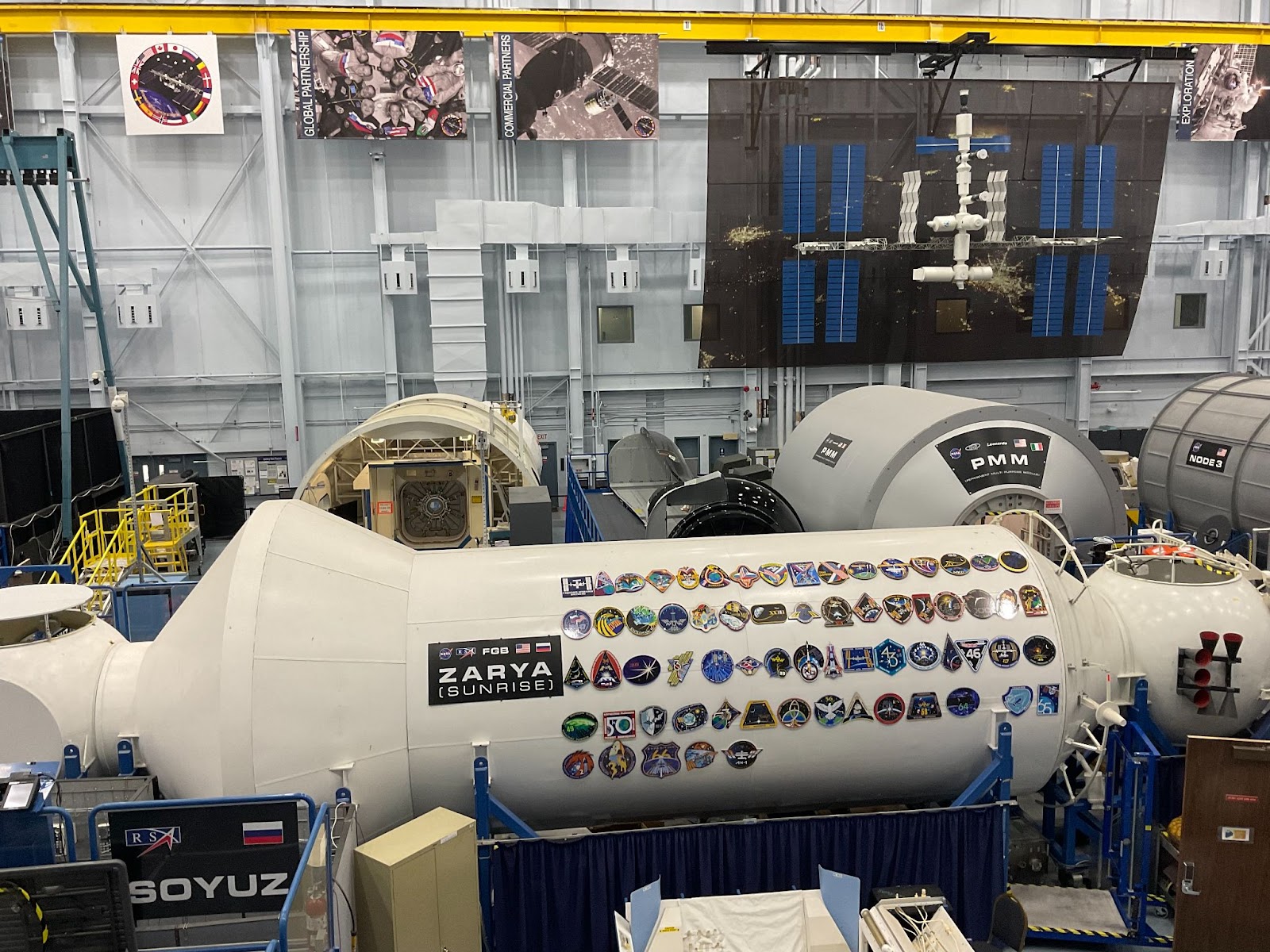
Before the Astronauts even get into the rocket and into space, they need to get trained. Houston is the training facility for the Astronauts. Other than doing physical training like weightlessness, they get into simulators to understand how the spacecraft feels like and what controls and systems it has. The picture below shows a segment of the International Space Station called “Zarya” which means sunrise in Russian. Russia contributed this segment to the International Space Station.
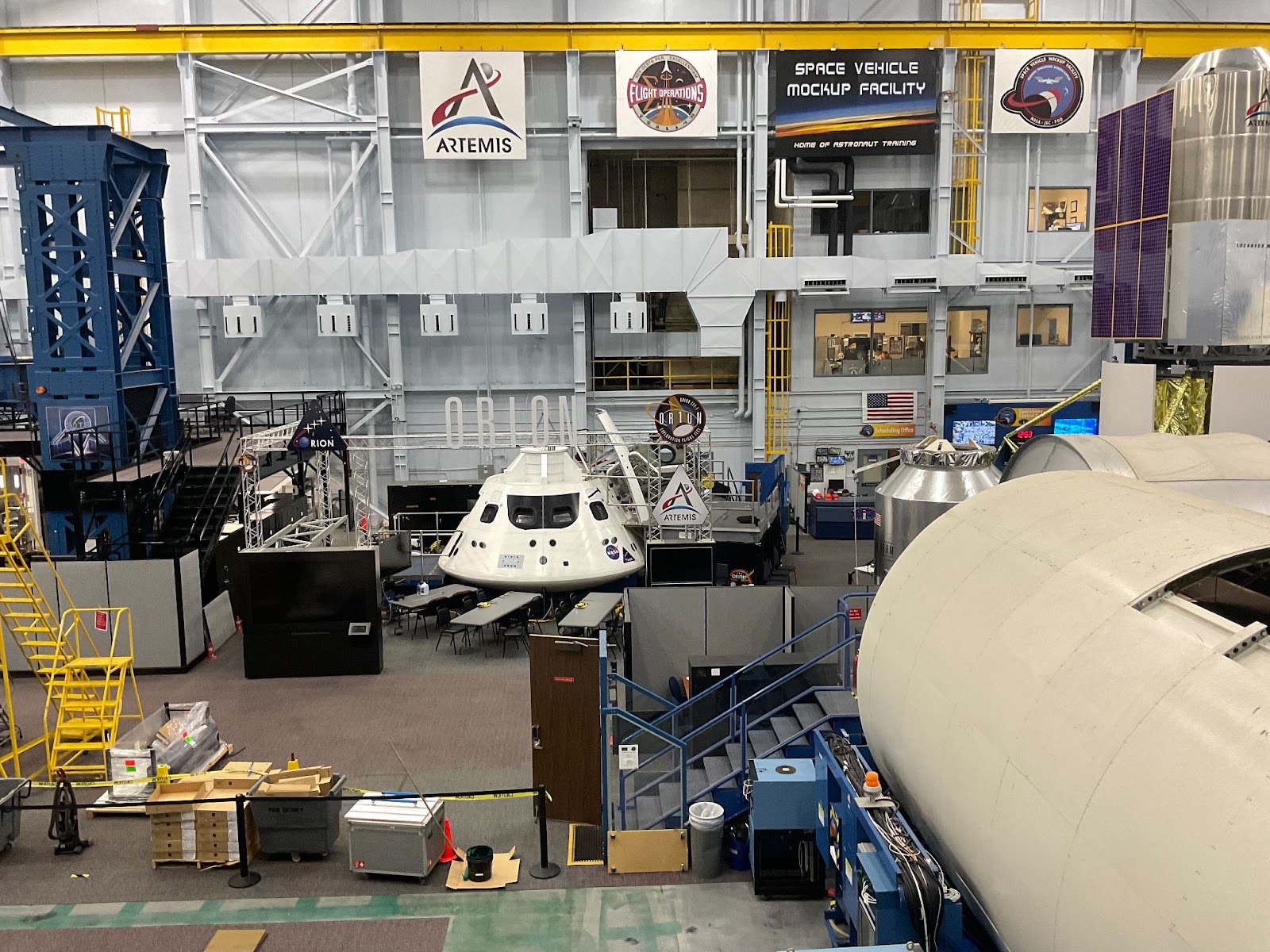
The picture below shows the mock up simulator of Artemis, the bell shaped compact white colored structure towards the rear of the room, right below the banners, the new spacecraft which is scheduled to carry astronauts to the moon in 2025.
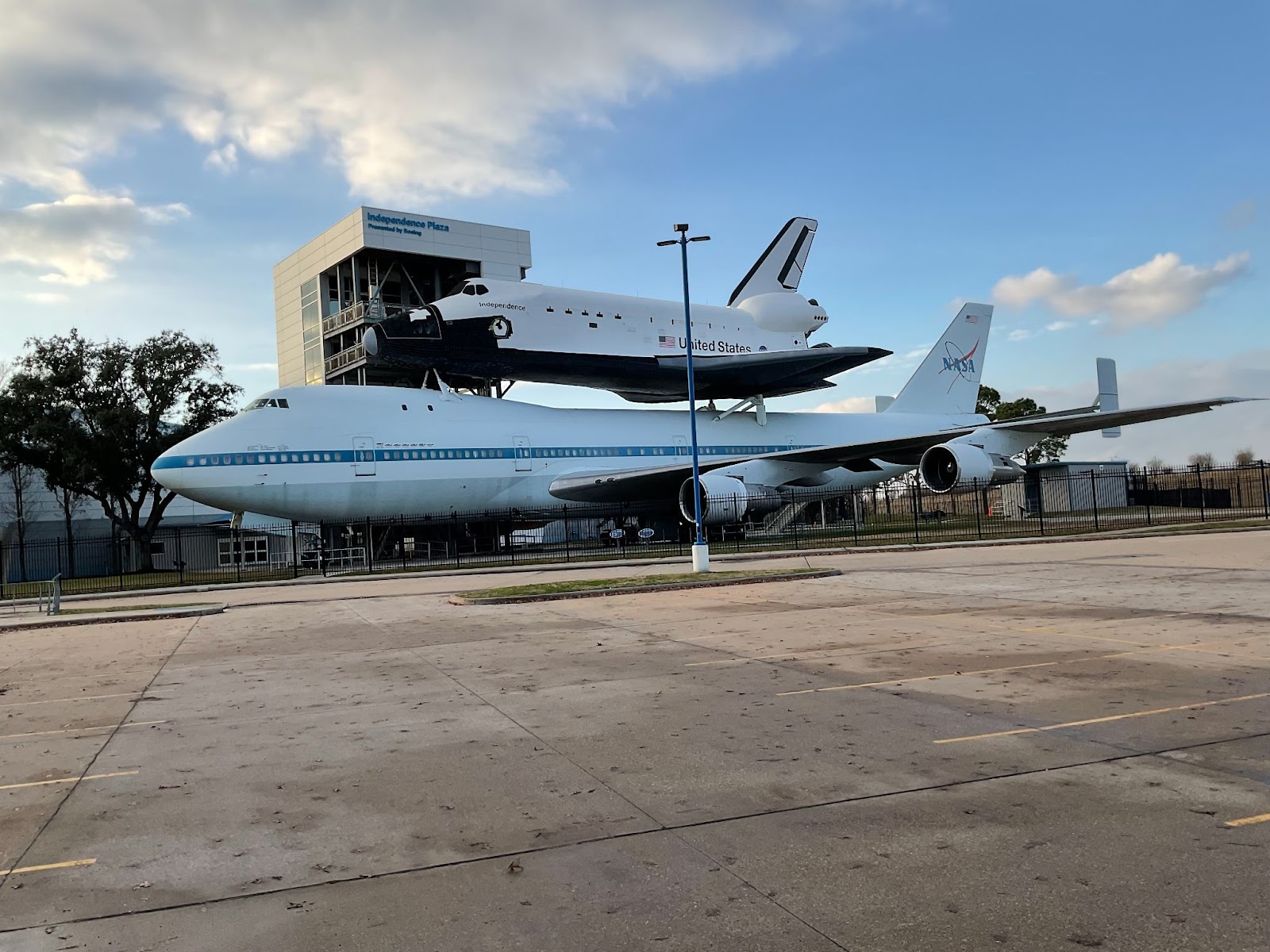
The space shuttle era followed the Apollo missions. It was a reusable spacecraft which took off strapped to a rocket, but came back into the earth’s atmosphere and landed like an airplane. Sometimes the landing happened in California when the weather in Kennedy Space Center was not favorable. In which case, it had to be ferried back to Florida for the next take off. A 747 Jumbo Jet was used for the purpose. The history of the concept and the design are well illustrated through a real sized exhibit shown in the picture below.
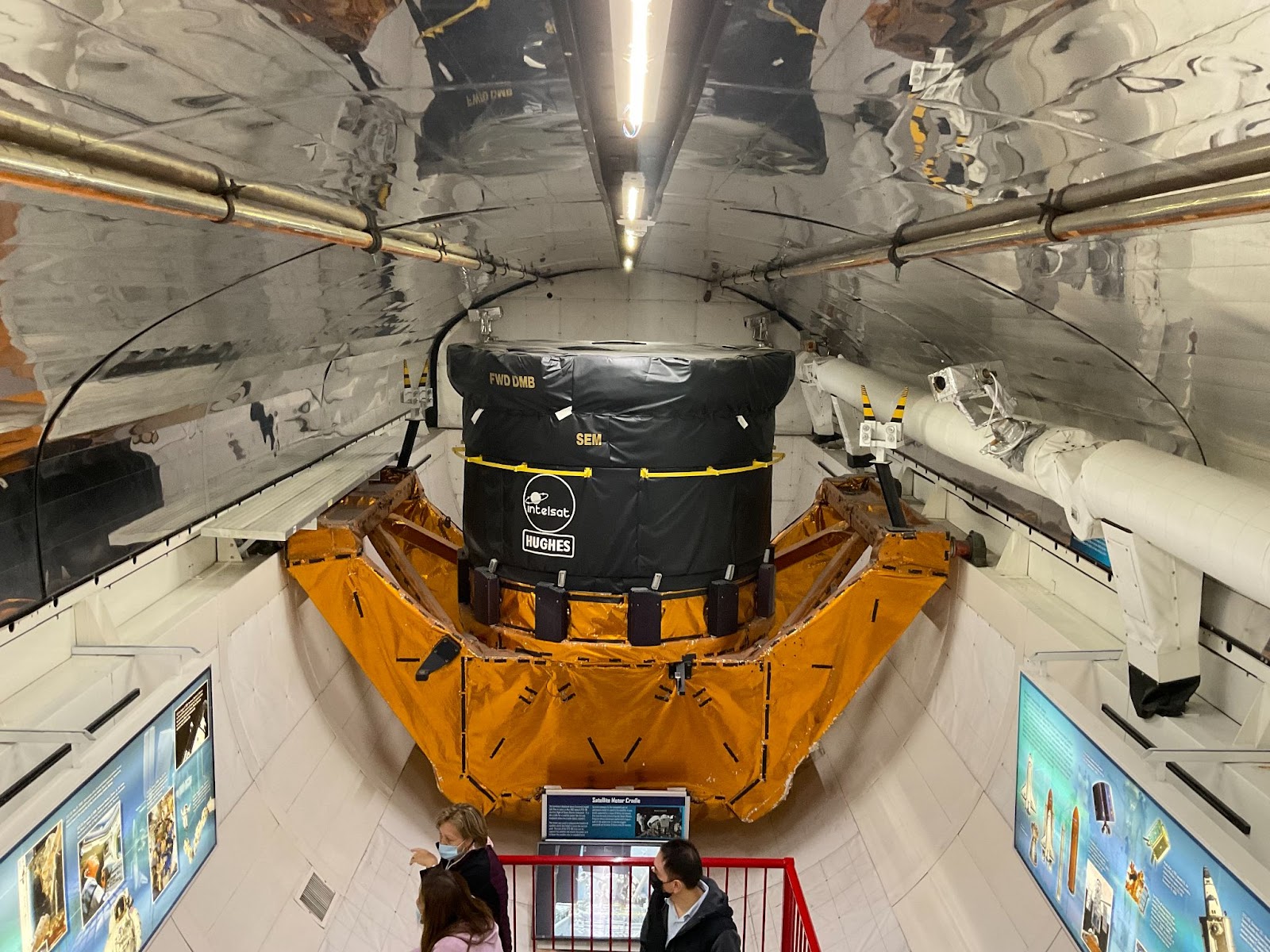
Visitors can climb into the 747 as well as the space shuttle on top of it. Given below is the picture of the cargo bay of the space shuttle. The Hubble telescope flew in this bay before it was released into space.
Most of the day was well spent in visiting the various exhibits. It is certainly a feast for the brain and the eyes, and be able to relive the historical moments of the space age.
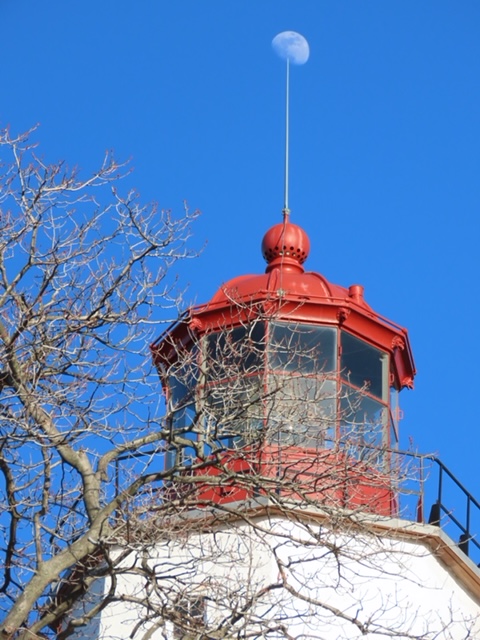
“Lighting the way” – Having some fun with the moon at the end of a fun day. The Sandy Hook Lighthouse is the oldest lighthouse in America (since the original Boston Light was burned down during the American Revolution.)
I enjoyed playing the game of place the moon in a fun position and was able to capture it atop the lighthouse.
📷: iPhone 13 ~ 2/11/22
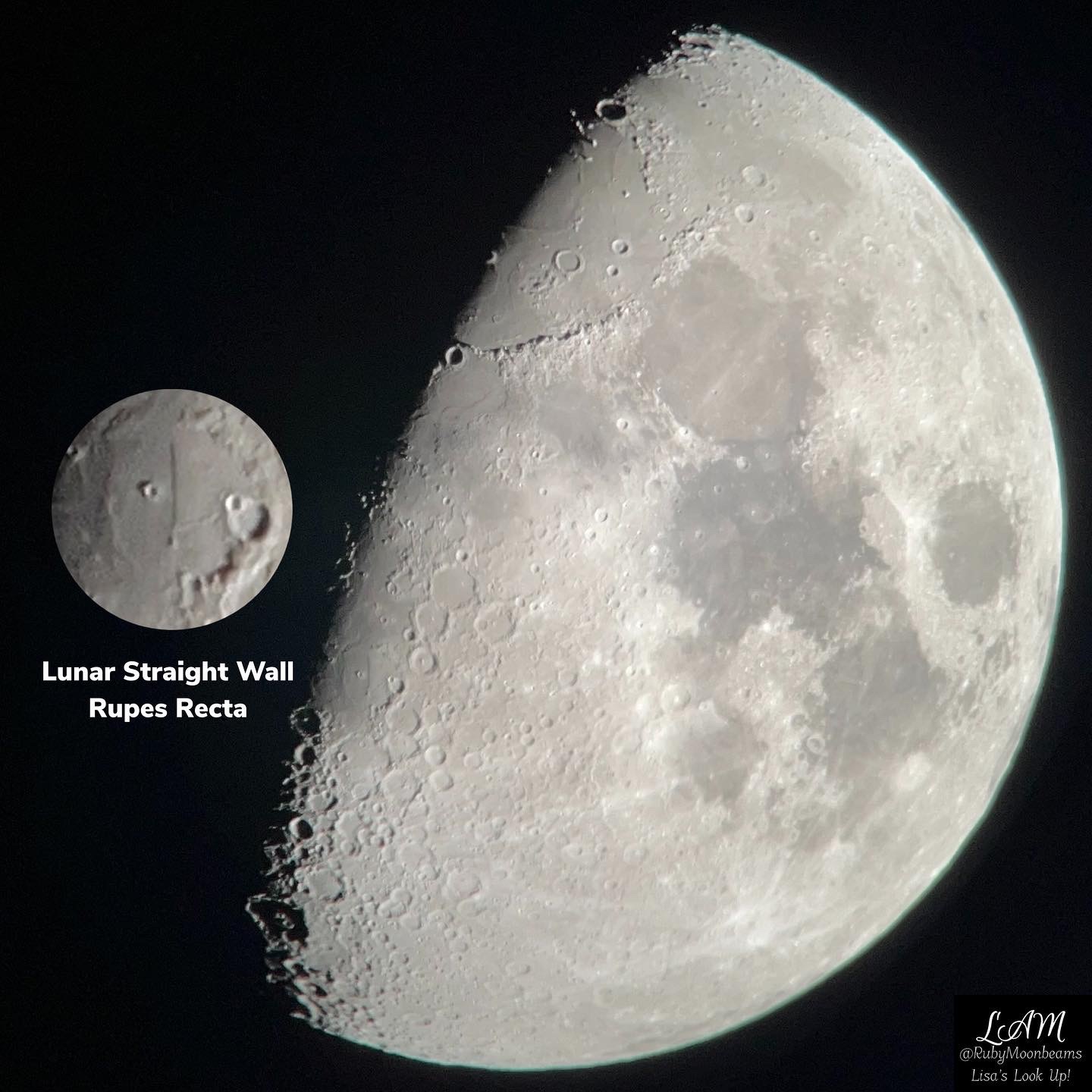
Waxing Gibbous Moon
February 9, 2022 – The day after First Quarter is always a fun time to look for the Straight Wall (Rupes Recta) as highlighted here.
IPhone 13 through Celestron NexStar Evolution 8- 40 mm eyepiece
Sunspots and Prominences 2/9/22
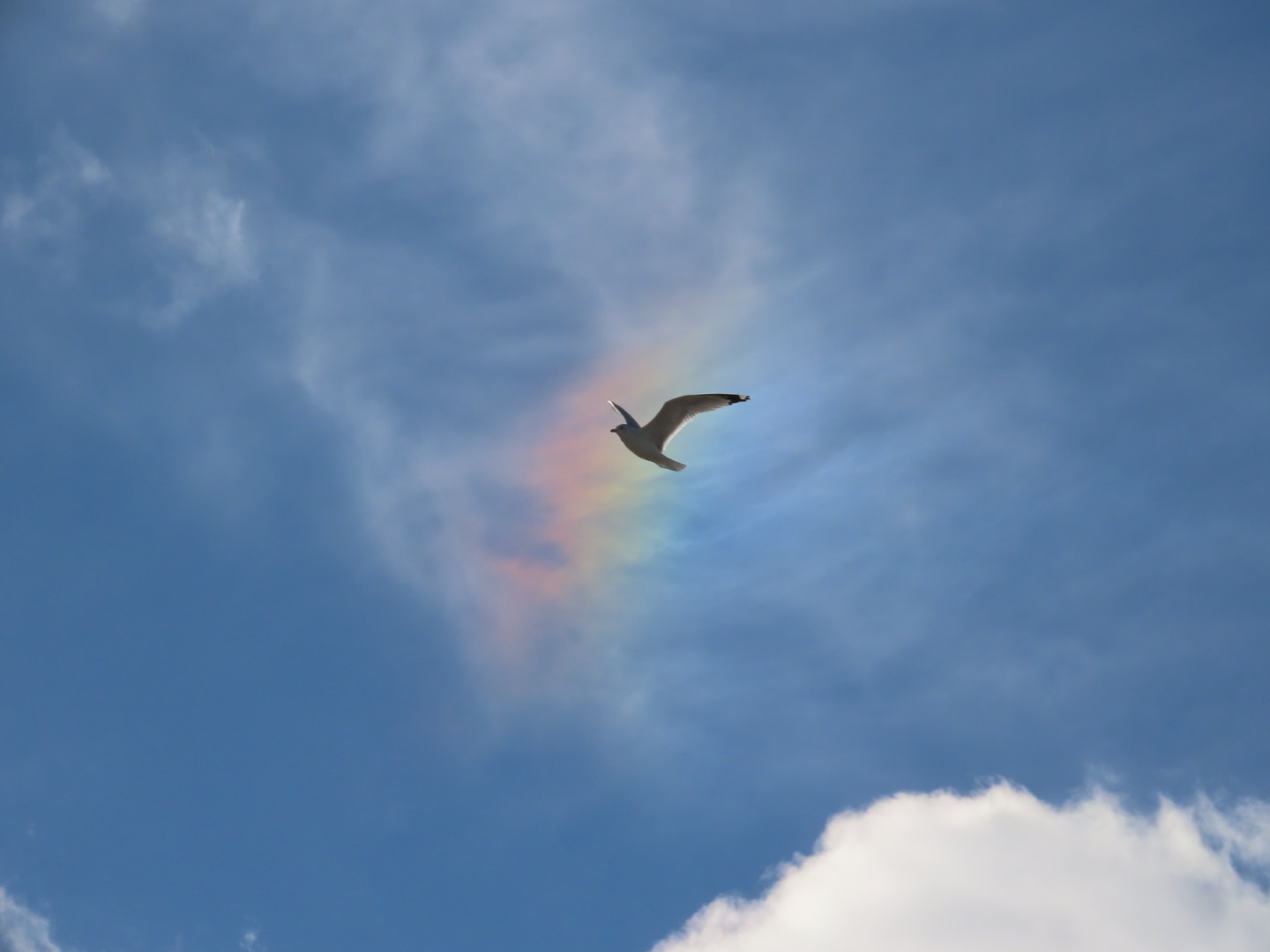
Sundog and a gull
A Ring-billed Gull flies through a sundog on Sunday at the Keyport waterfront Feb 7.
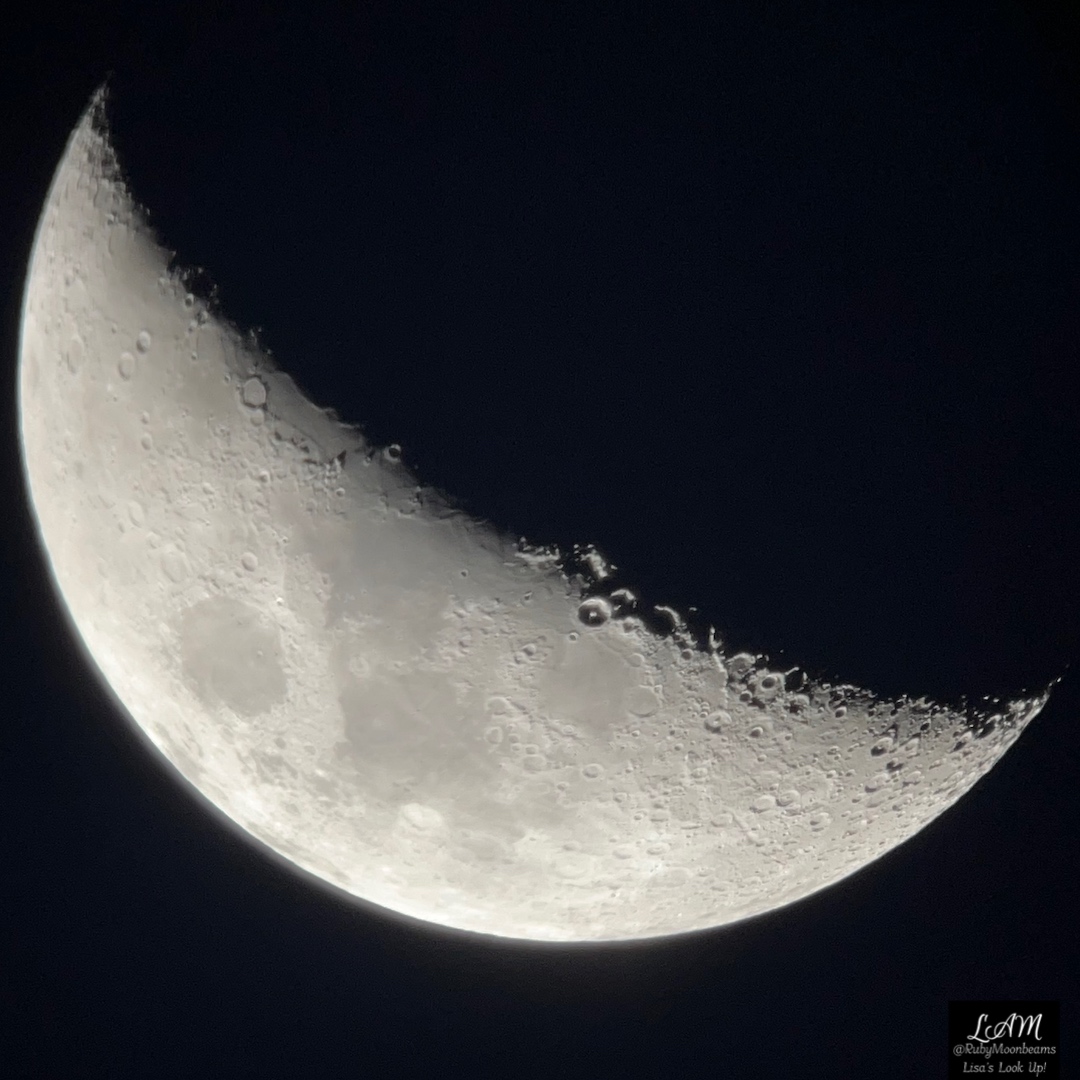
Waxing Crescent moon –
February 6, 2022 – 34%. I love these days around the first quarter. So many features revealed including Theophilus, Cyrillus and Catharina.
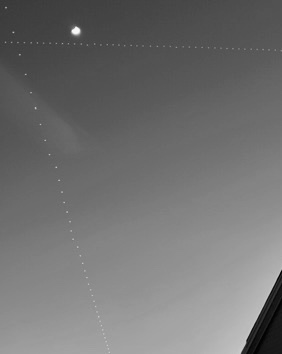
ISS Pass under the moon
February 6, 2022 5:46 PM EST
Equipment: iPhone 11 on a tripod
Processing: extracted from video; cropped for composition, converted to black and white for effect and resized in GIMP
Using the iOS app, “ISS Spotter,” I was able to determine when the ISS would be passing over our house. Visibility began from the Northwest at 5:45 PM traveling to Southeast. This gave me time to set up in my front yard, knowing it would pass horizontally over our home and under the moon. As I was capturing video, an airplane can be seen traveling vertically, which made for an intersection when stacked. 53 images were extracted from video and stacked in Starry Sky Stacker for iOS. I then cropped the image so that the pitch of the roof made for an interesting composition.
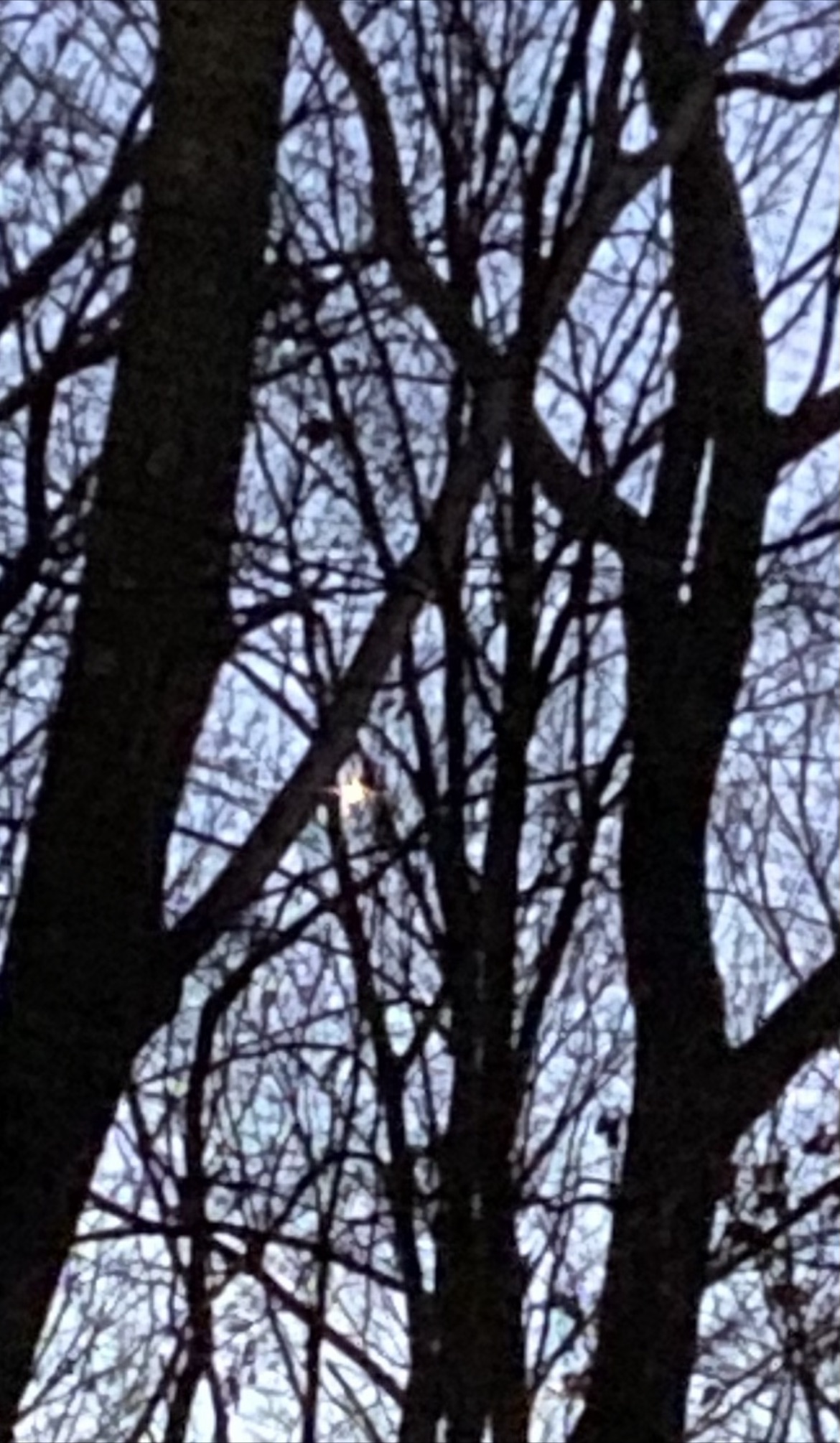
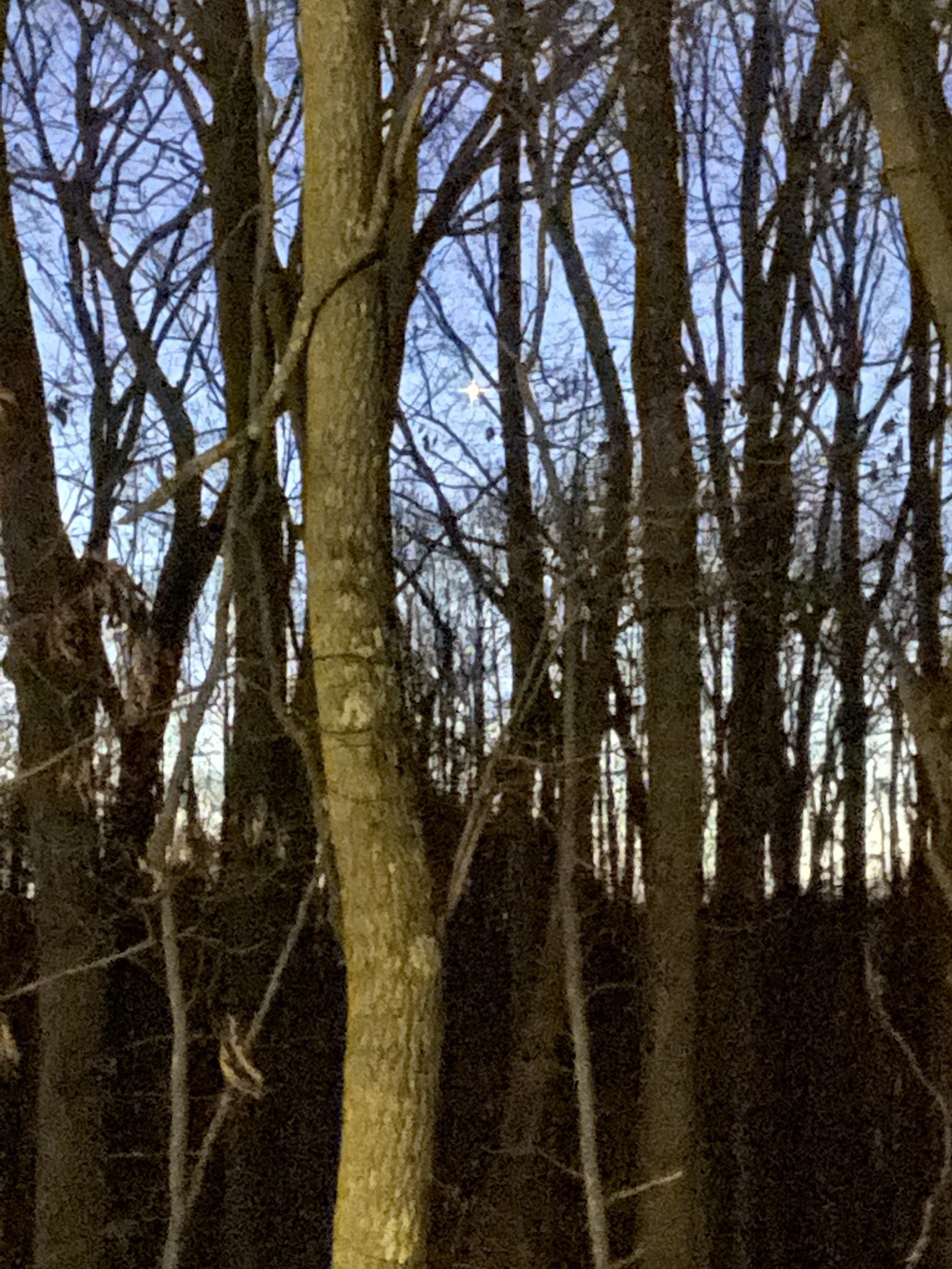
Planet Venus is greeting me every morning, weather permitting. To make sure that I don’t miss her brilliant presence, I leave the window blinds up and ready for the morning ritual. These two pictures were taken on February 10, 2022 between 5:40 and 6:30 A.M.
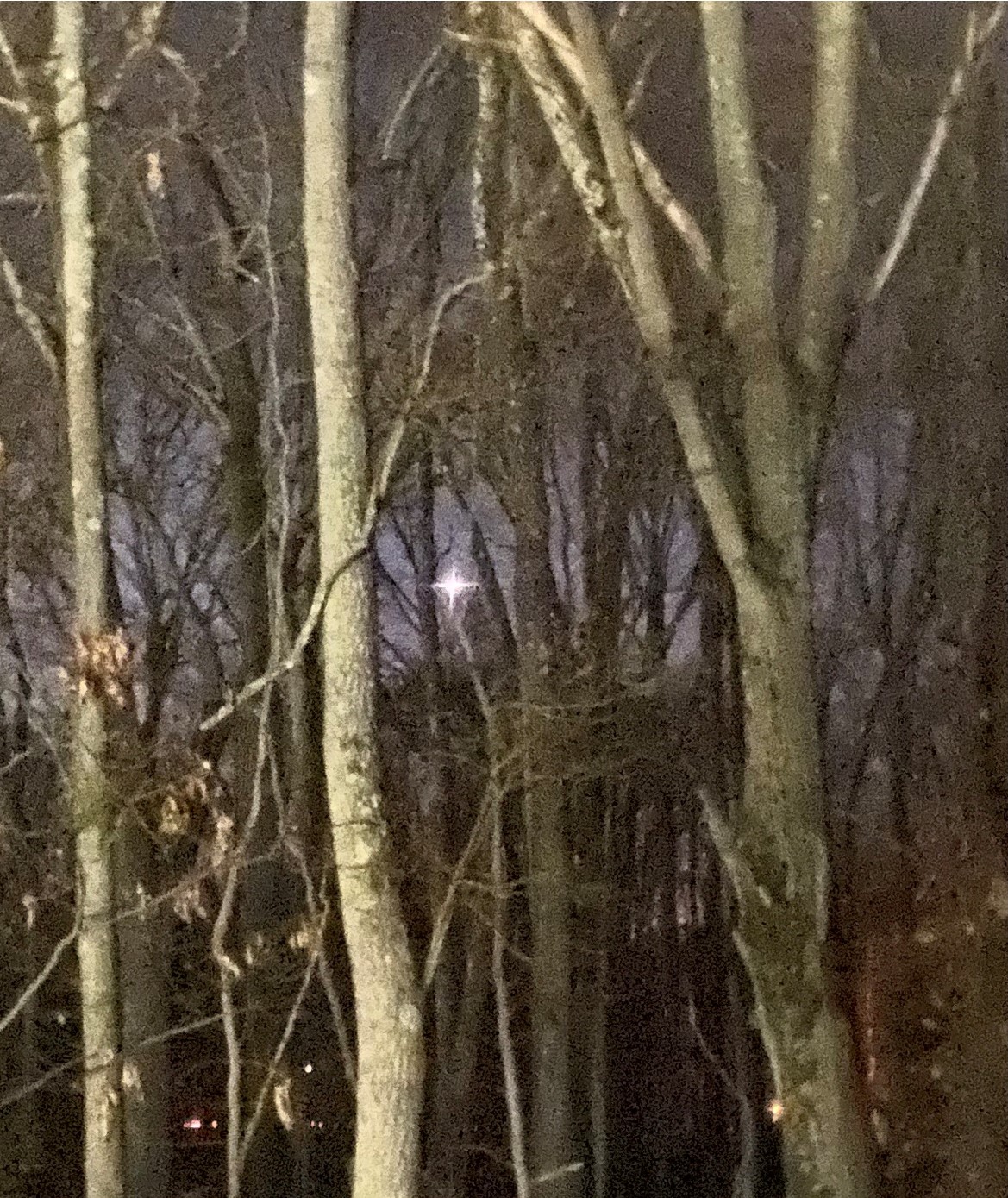
Bare trees during the winter months are permitting me to view the planet Venus. It’s the only time of the year I can wake up to her breathtaking brilliance. These two pictures below were taken on February 23 around 6:30 A.M. from my home in Princeton, NJ.
Iris: Student-built robot rover on track to explore the Moon William “Red” Whittaker may not be a household name, but he should be. The robotics professor has been leading the development of a tiny wheeled robot called Iris, which could become the first uncrewed rover sent by the US to explore the Moon…more
-NYT
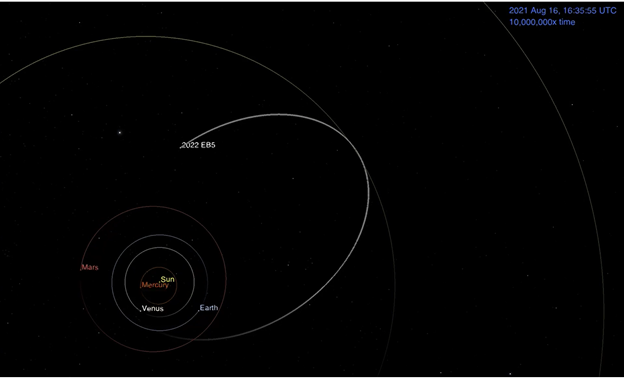
Astronomers Find a New Asteroid Sharing Earth’s Orbit Astronomers have discovered a captive asteroid shadowing Earth in its orbit. The asteroid, known as 2020 XL5, is only the second of its type ever seen, shepherded by Earth’s gravity into an orbit that is locked in synchrony with our planet’s…more
-WP
The launch of NASA’s massive SLS moon rocket is delayed again. The much-anticipated rollout of NASA’s moon rocket and capsule to the launchpad at the Kennedy Space Center in Florida for a fueling test will be delayed for another few weeks, the space agency said Wednesday. But after years of setbacks and cost overruns…more
-BBC
Astronomers stand up to satellite mega-constellations Astronomy is finally putting up a co-ordinated front to defend its interests as thousands of satellites are placed in the sky. Huge networks of spacecraft are being launched that are making it harder to get a clear view of the cosmos…more
-NYT
The First Quadruple Asteroid: Astronomers Spot a Space Rock With 3 Moons Astronomers had already spotted two other rocks orbiting the asteroid known as 130 Elektra, and think more quadruple systems are out there. We already knew the asteroid 130 Elektra was special. Astronomers previously discovered it had two moons, making it a rare triple asteroid system…more
-sNYT
Solar Storm Destroys 40 New SpaceX Satellites in Orbit The geomagnetic incident resulted in the Starlink transmitters drifting back into Earth’s atmosphere, where they will burn up, potentially costing the company about $100 million. Over the past three years, SpaceX has deployed thousands of satellites into low-Earth orbit as part of its business to beam high-speed internet service from space…more
-BBC
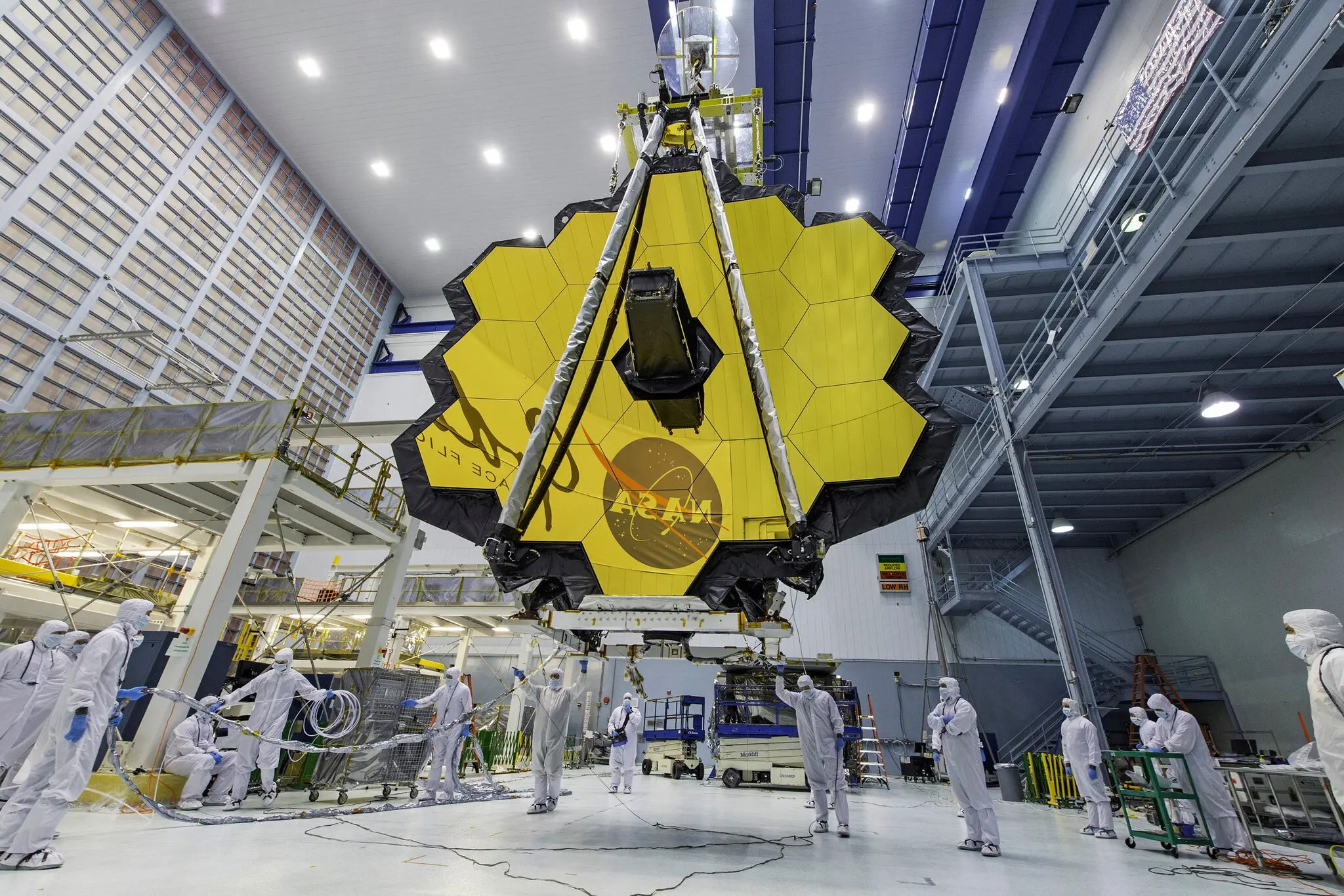
James Webb telescope begins to focus its ‘big eye’ Astronomers intend to use the $10bn observatory and its remarkable 6.5m-wide primary mirror to capture events that occurred just a couple of hundred million years after the Big Bang. They want to see the very first stars to light up the Universe…more
– BBC
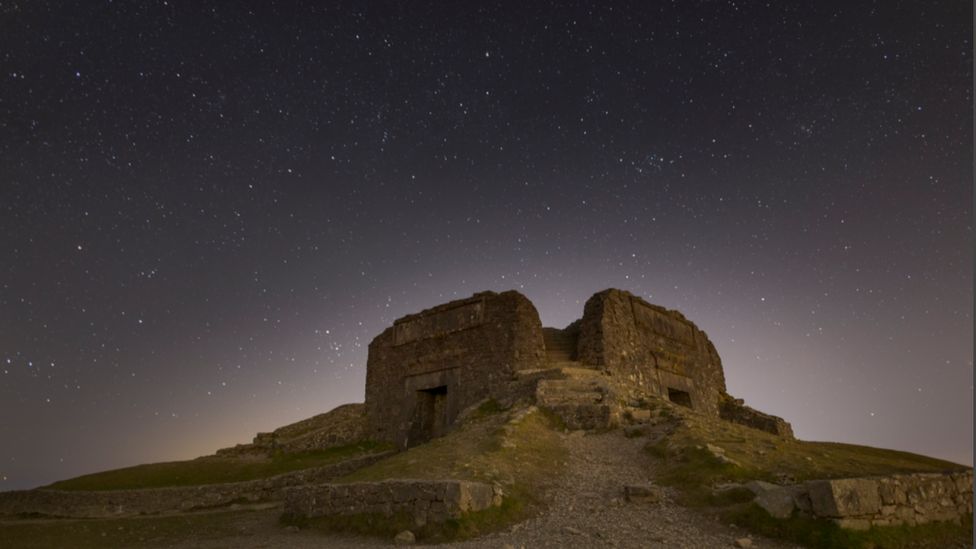
Dark sky: Could Wales soon be home to four zones? A swathe of the north-east Wales uplands could soon be recognised as a hotspot for gazing at the stars. The Clwydian Range and Dee Valley Area of Outstanding Natural Beauty (AONB) plans to submit a bid for global recognition as a dark sky zone…more
-NYT
Beneath a Blanket of Stars It isn’t as easy as it once was to find a dazzling night sky. In search of the Milky Way, our writer headed to Utah, which has the densest concentration of designated Dark Sky places in the world. Roughly 99 percent of the people living in the United States and Europe see only a dim approximation of stars in the night sky, nothing close to the bright firmament…more

















 Amateur Astronomers Association of Princeton