
compiled by Arlene & David Kaplan
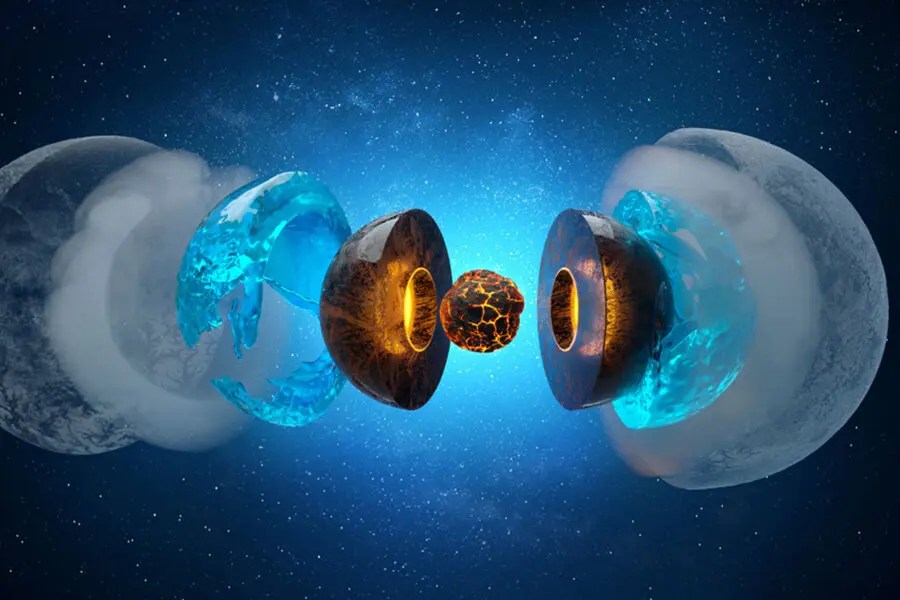
Interstellar “tunnel” found that connects our solar system to other stars Space can surprise even those who spend their lives studying it. People often think of our solar system as just a few planets and a bunch of empty space.Yet new observations suggest we have been living inside a hot, less dense region, and that there may even be a strange cosmic channel connecting us to distant stars…more

A Solstice of the Soul For his next trick, Dennis Overbye, your cosmic correspondent for the past quarter-century will (try to) retire. As the day shrinks into its annual darkness, here’s what I know about the cosmos — so far. For an instant of cosmic time you are the center of the universe, wondering where everybody is going and why, as trillions of galaxies, smudges of light and possibility, recede…more
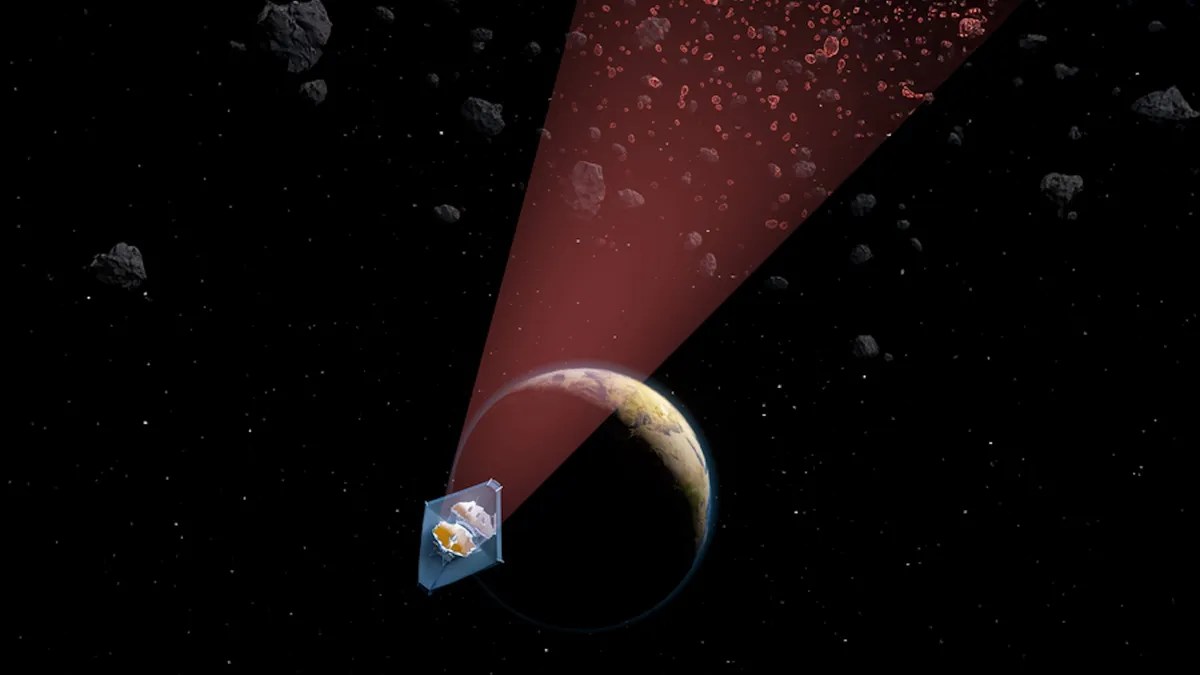
James Webb telescope spots more than 100 new asteroids between Jupiter and Mars — and some are heading toward Earth Astronomers analyzing archival images from the James Webb Space Telescope (JWST) have discovered an unexpectedly vast population of the smallest asteroids ever seen in the asteroid belt between Mars and Jupiter. The finding could lead to better tracking of the tiny but powerful space rocks that are likely to approach Earth…more
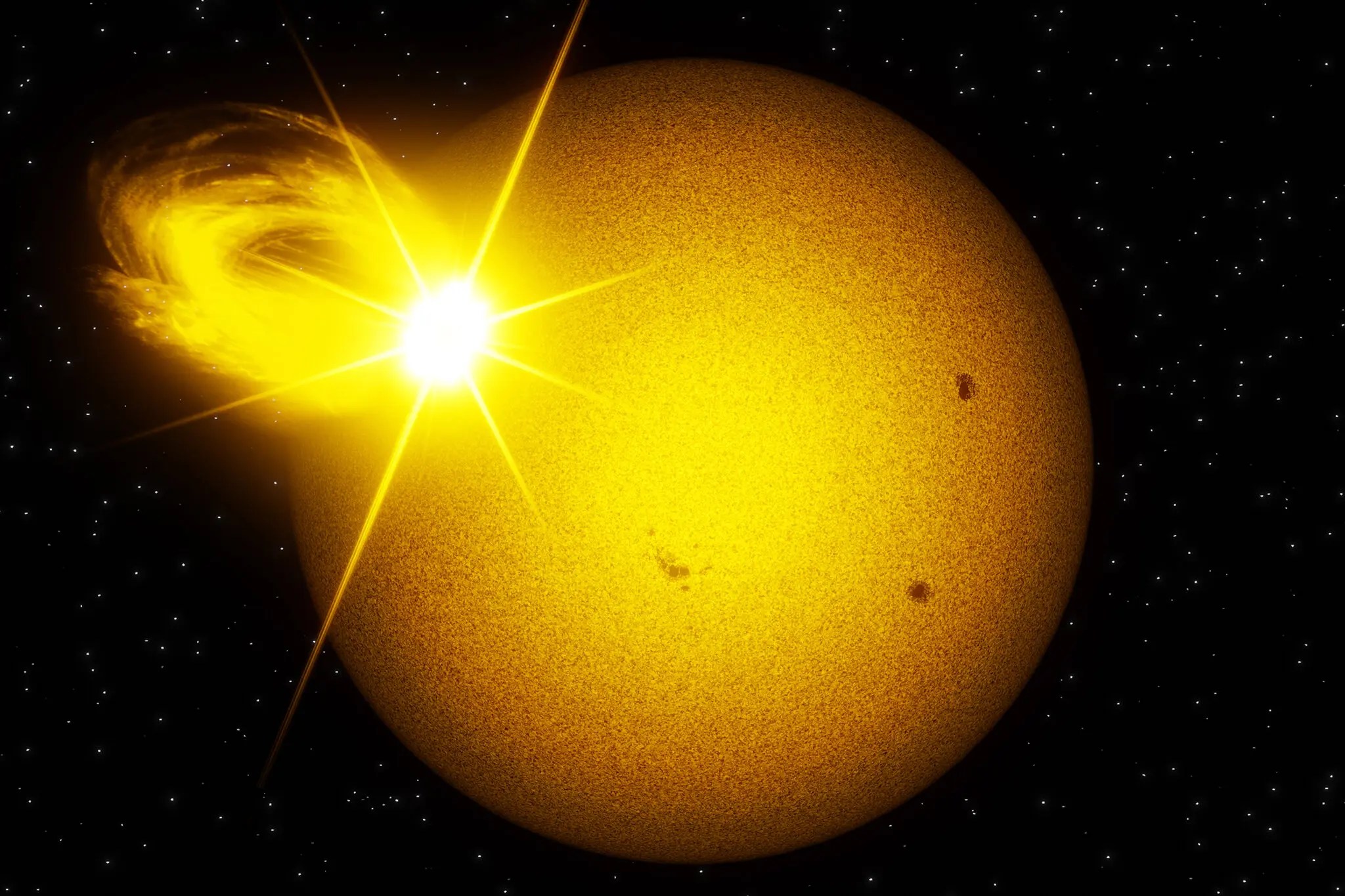
Superflares Erupt From Stars Like Our Sun Once Every 100 Years Our sun is a violent place. Bursts of radiation snap off the solar surface with the strength of millions of volcanic eruptions. Hot plasma churns and spews, streaming particles that can harm astronauts and satellites in space and damage electrical systems on the ground. They can also brighten up our skies with colorful lights. But scientists have observed even bigger explosions….more
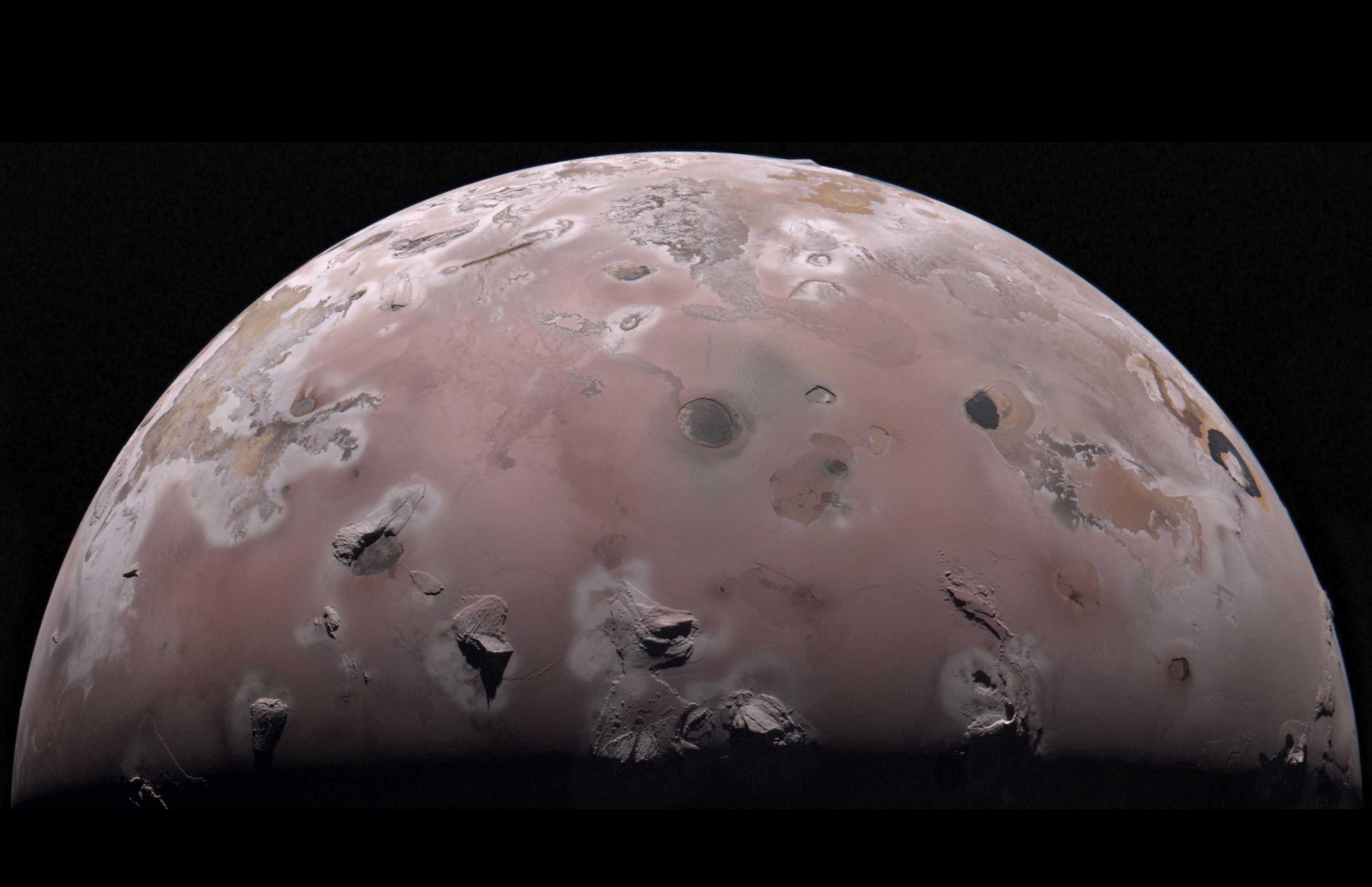
NASA’s Juno Mission Uncovers Heart of Jovian Moon’s Volcanic Rage Scientists with NASA’s Juno mission to Jupiter have discovered that the volcanoes on Jupiter’s moon Io are each likely powered by their own chamber of roiling hot magma rather than an ocean of magma. The finding solves a 44-year-old mystery about the subsurface origins of the moon’s most demonstrative geologic features…more
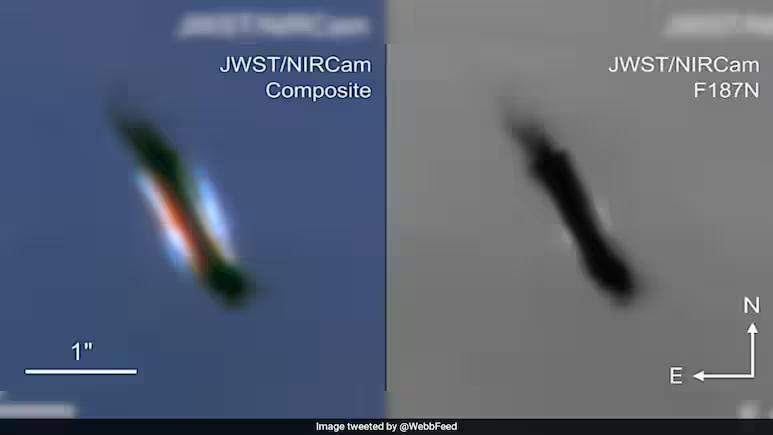
Astronomers Find Frozen Water Beyond Solar System Using James Webb Telescope In a groundbreaking finding, the James Webb Space Telescope (JWST) has discovered frozen water in a distant protoplanetary disk, located outside our Solar System. This remarkable detection was made possible by the JWST’s advanced Near-Infrared Camera (NIRCam), which captured high-resolution images of the disk…more
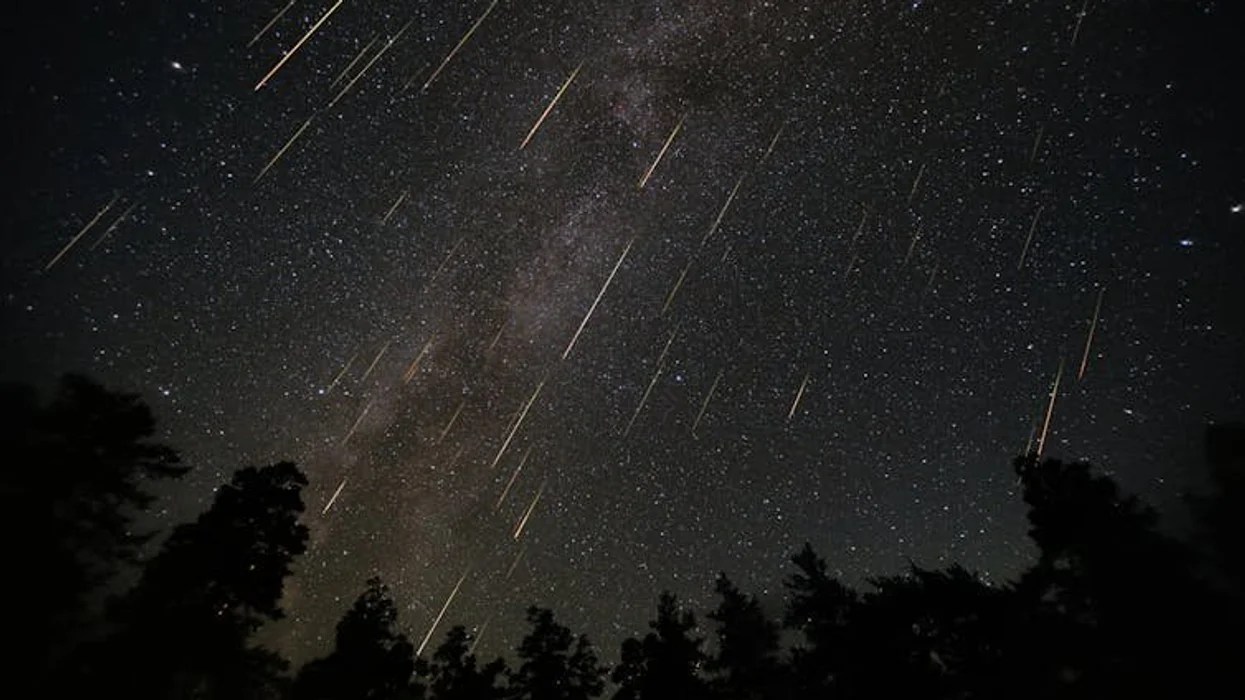
New research shows most space rocks crashing into Earth come from a single source The sight of a fireball streaking across the sky brings wonder and excitement to children and adults alike. It’s a reminder that Earth is part of a much larger and incredibly dynamic system. Each year, roughly…more
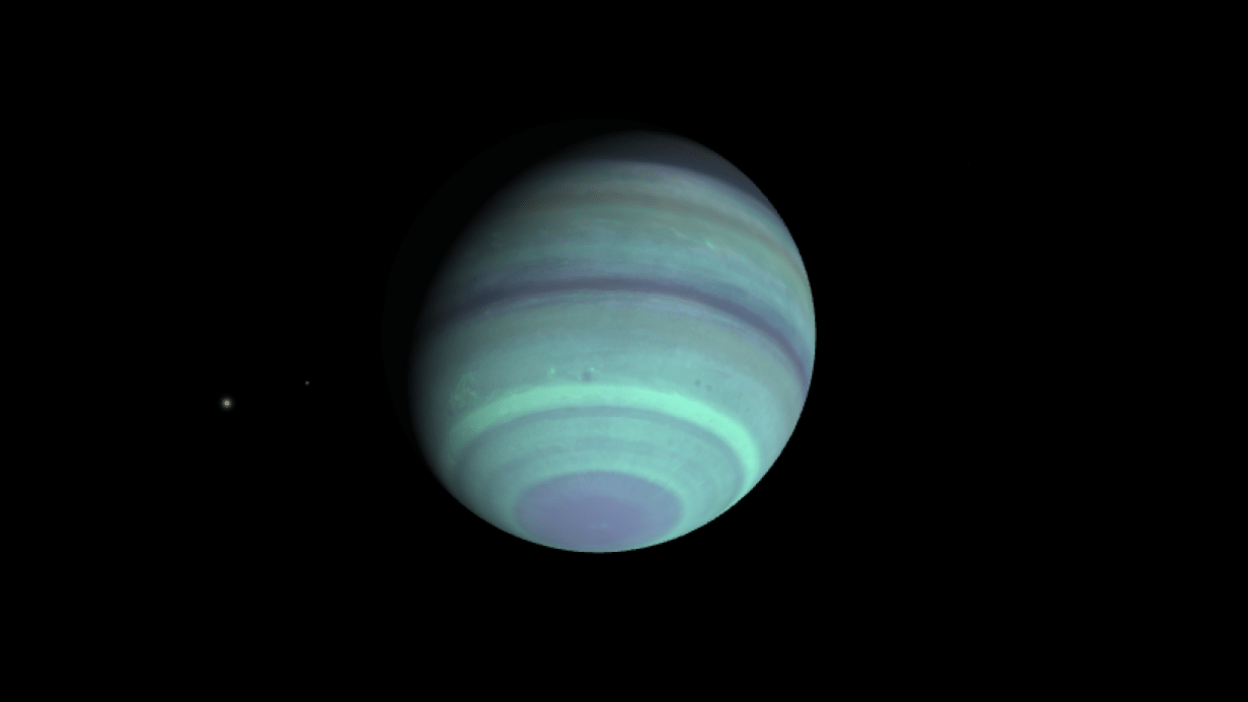
At 2 a.m., an unexpected event led to a surprise planet discovery The astronomical confusion started at 2 a.m ET on June 26, 2023. Scientists using the powerful James Webb Space Telescope sought to observe a planet beyond our solar system (an exoplanet) called Kepler-51d, an unusual “puffy” world with a cotton candy-like density. But it passed into view two hours earlier than expected. That’s strange for a planet…more
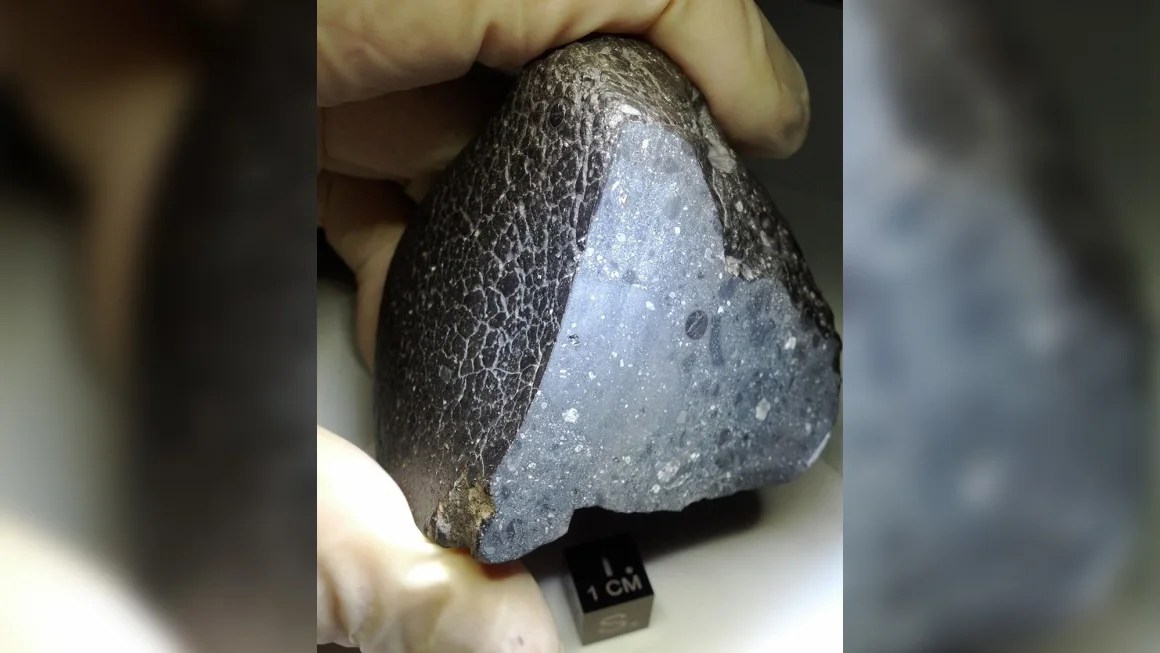
‘Black Beauty’ was found on Earth in 2011. Now, scientists say it has revealed a new clue to life on Mars A mineral trapped within a Martian meteorite that fell to Earth has revealed traces of water on Mars that date back 4.45 billion years, according to new research. The zircon grain may contain the oldest direct evidence of ancient hot water on the red planet, which may have…more
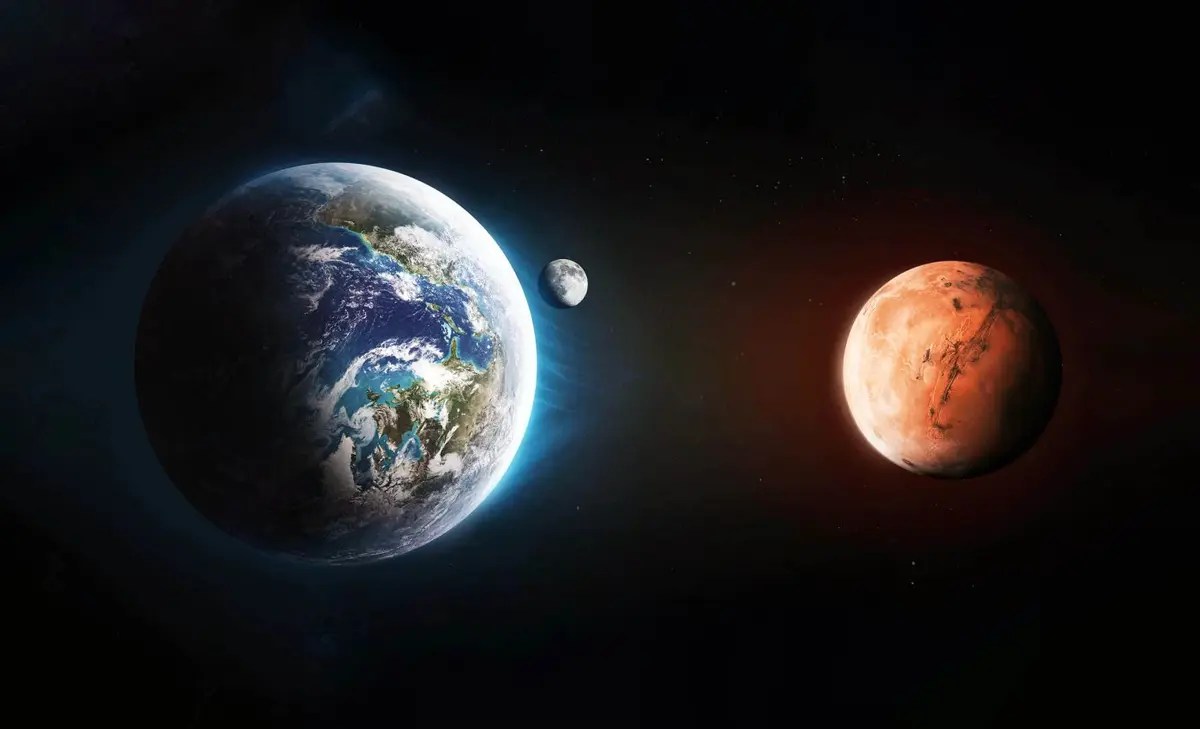
Mars’s gravity pulls Earth closer to the Sun, warming our climate New research hints at a fascinating and completely unexpected connection between Mars’s gravitational field and Earth’s climate. Geological evidence spanning over 65 million years suggests that deep-sea currents on Earth undergo recurring cycles of strength every 2.4 million years…more
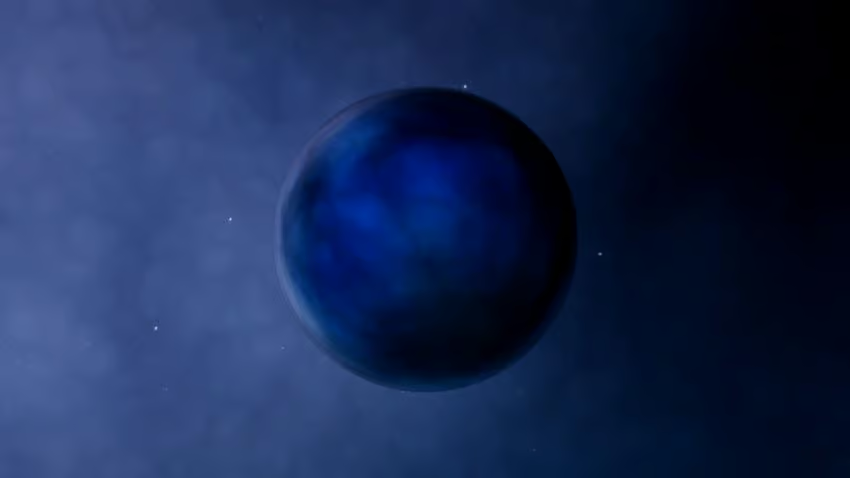
Evidence mounts for undiscovered planet in Solar System The possibility that there might be a large, unknown planet lurking in the outer Solar System far beyond Pluto has long been a staple of science fiction. But for the past decade, astronomers have been finding it increasingly likely that something big – often called Planet X – might actually be out there…more


