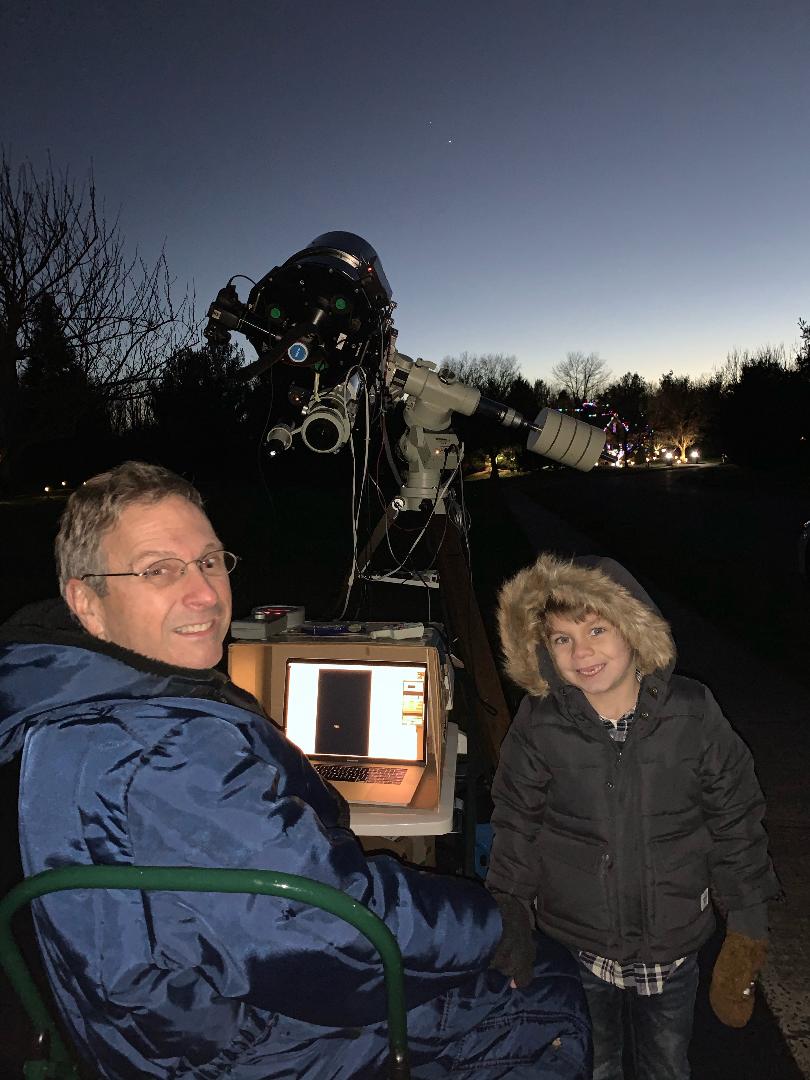
From our new member Titus

Titus and wife Karen

My name is Titus Magnanao. I am new member of the AAAP. I became interested in astronomy after I watched Carl Sagan’s PBS Cosmos series. I am a recently retired environmental engineer from the NJDEP. After not owning a telescope after all these years my wife bought me a telescope on our 20th wedding anniversary. I am thrilled to have it and have diligently been scanning the night sky the past few months. Thank you and I am glad I joined the AAAP. Happy New Year!

Posted in January 2021, Sidereal Times | Tagged | 1 Comment

Snippets

compiled by Arlene & David Kaplan

-BBC

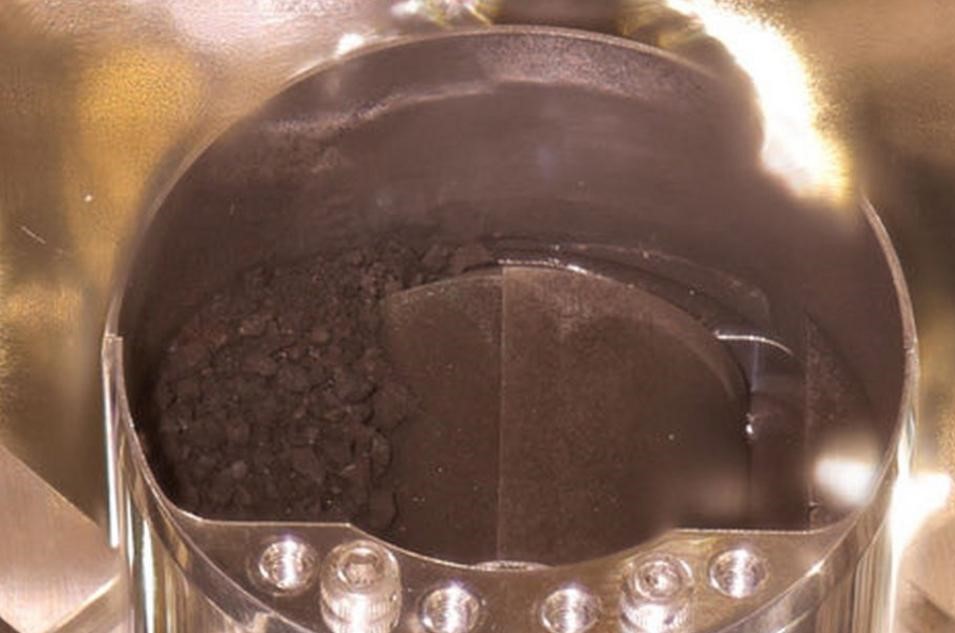
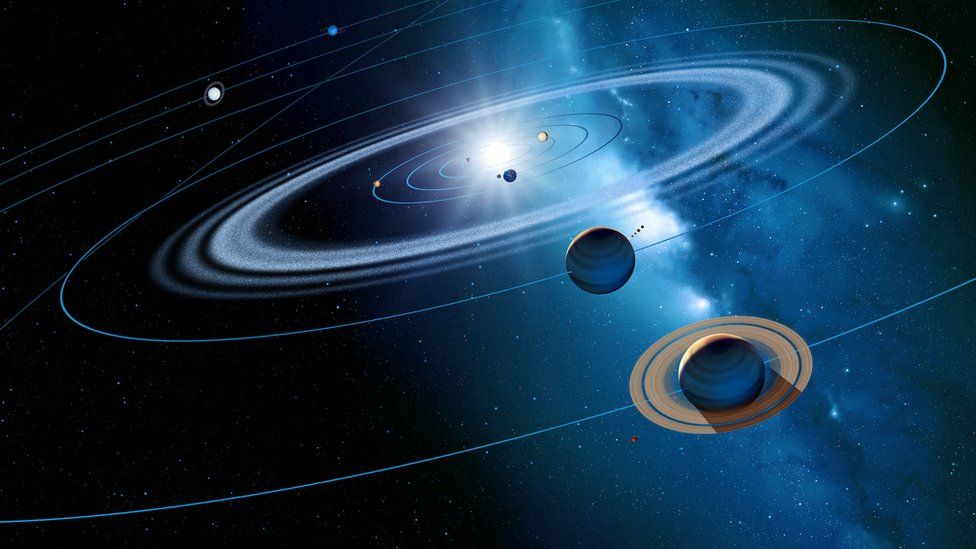
Jupiter, Saturn Will Look Like Double Planet Scientists have been greeted by the sight of jet black chunks of rock and soil from an asteroid after opening a capsule that returned from deep space a week ago. It’s the first significant sample of material to be delivered to Earth from a space rock and was grabbed last year by Japan’s Hayabusa-2 spacecraft…more

-BBC
-BBC
-NASA

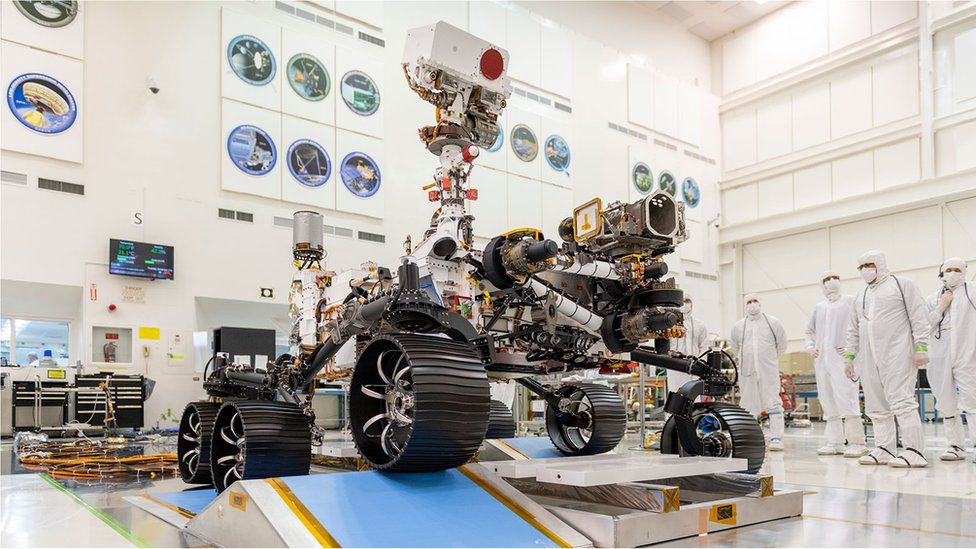
Nasa’s Mars rover and the ‘seven minutes of terror’ The US space agency (Nasa) has released an animation showing how its one-tonne Perseverance rover will land on Mars on 18 February. The robot is being sent to a crater called Jezero where it will search for evidence of past life. But to undertake this science, it must first touch down softly…more

-NASA

Nasa’s new ‘megarocket’ set for critical tests Nasa has been developing a “megarocket” to send humans to the Moon and, eventually, Mars. The last critical tests of the giant launcher’s core section are expected to take place within the next few weeks. Sometimes compared to the iconic Saturn V, can the Space Launch System (SLS) help capture the excitement of lunar exploration for a new generation?…more

-NASA

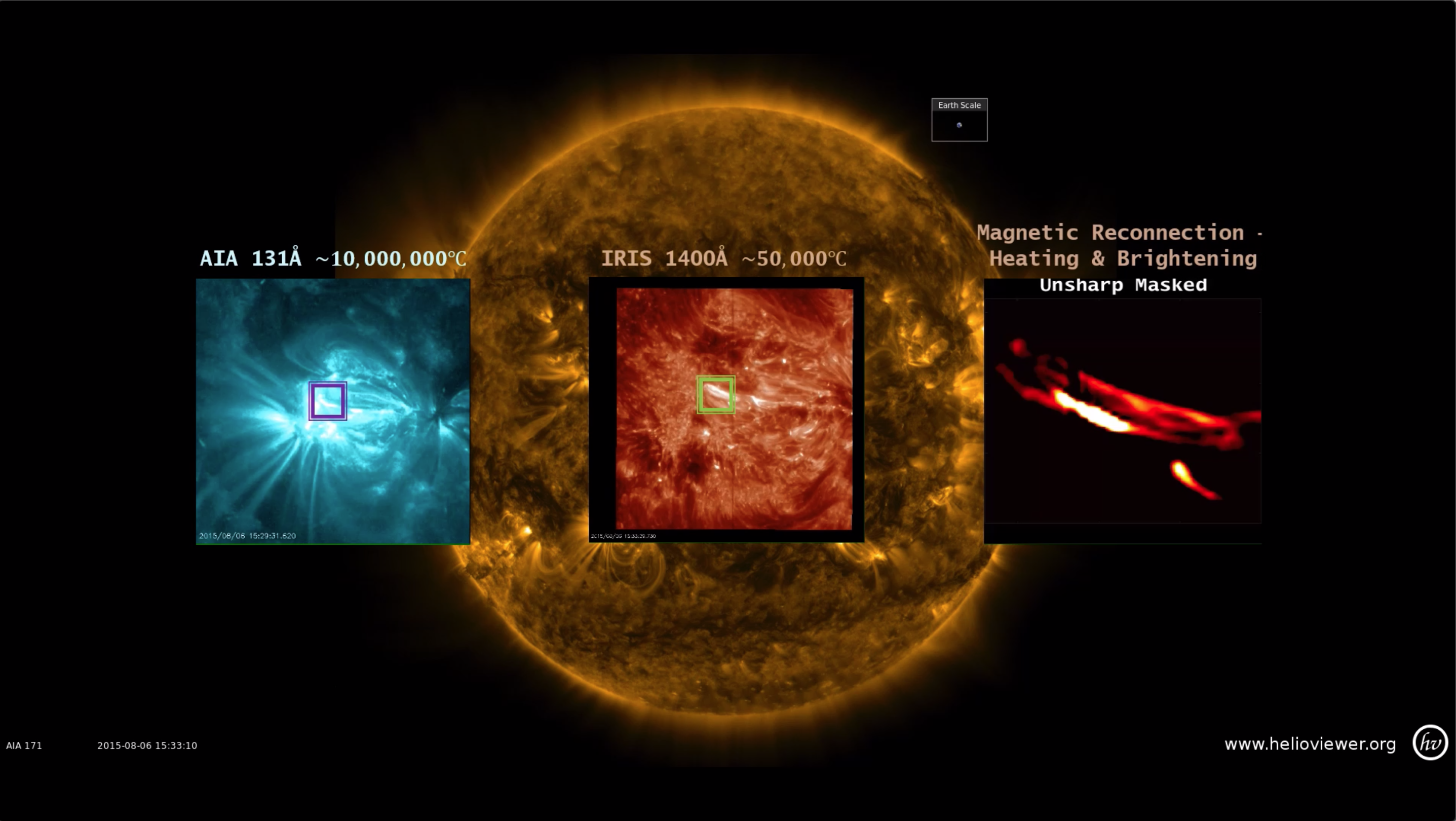
This May Be the First Complete Observation of a Nanoflare Researchers may have found the long-sought “nanoflares” thought to heat the solar corona to its incredible temperatures. A new study published in Nature Astronomy marks the first time researchers have captured the full lifecycle of a putative nanoflare – from bright origins to blistering demise…more

-BBC

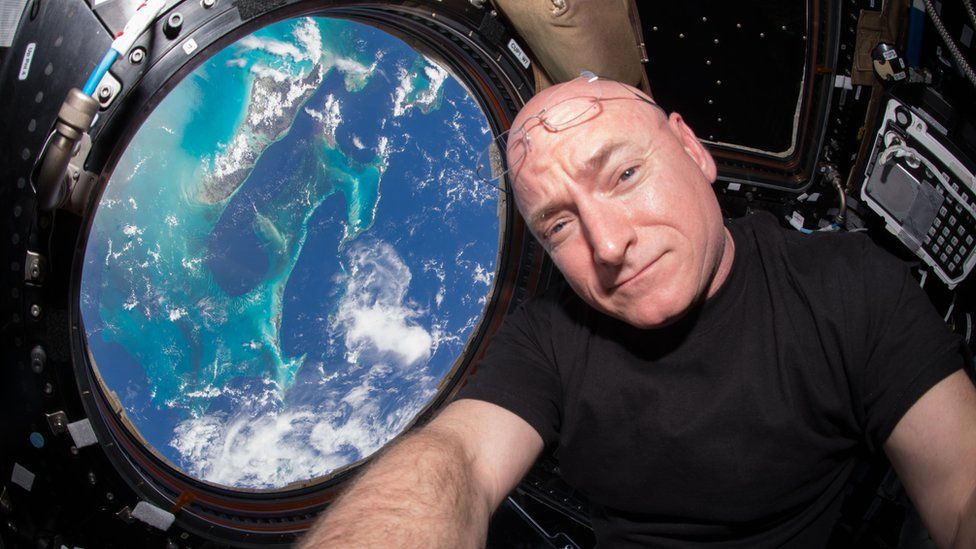
Astronaut Scott Kelly: How to survive a year in space Astronaut Scott Kelly tells the BBC how he managed to live for a year on the International Space Station and why, four years into his retirement from Nasa, he would go back if someone asked. It’s 16 July 2015, and all three occupants of the International Space Station are squeezing ..more

-NASA

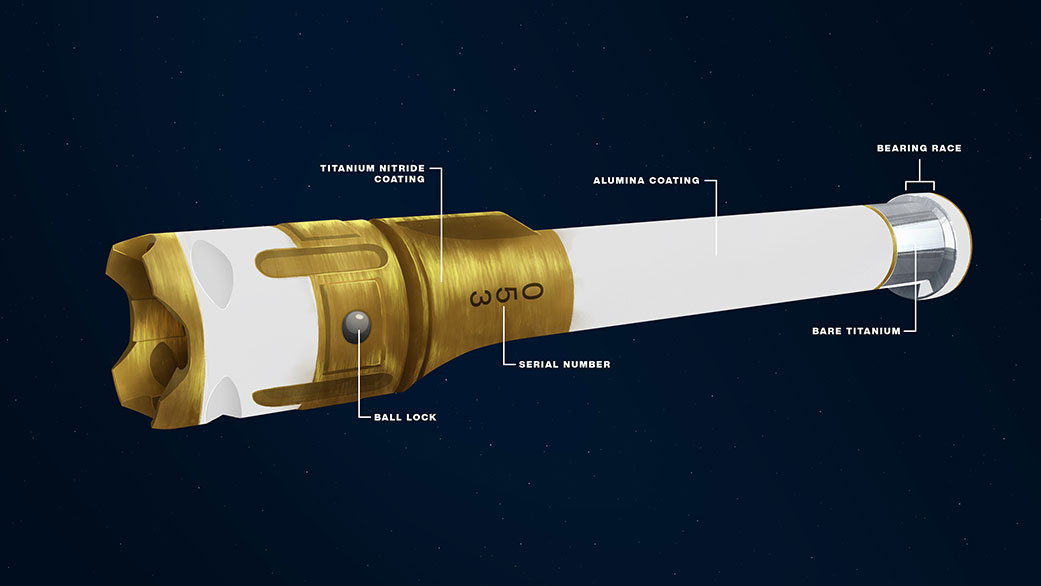
A Martian Roundtrip: NASA’s Perseverance Rover Sample Tubes The tubes carried in the belly of NASA’s Mars 2020 Perseverance rover are destined to carry the first samples in history from another planet back to Earth. Future scientists will use these carefully selected representatives of Martian rock and regolith (broken rock and dust)…more

-NASA

 NASA Approves Heliophysics Missions to Explore Sun NASA has approved two heliophysics missions to explore the Sun and the system that drives space weather near Earth. Together, NASA’s contribution to the Extreme Ultraviolet High-Throughput Spectroscopic Telescope Epsilon Mission, or EUVST, and the Electrojet Zeeman Imaging Explorer, or EZIE, will help us understand the Sun and Earth as an interconnected system…more

Posted in January 2021, Sidereal Times | Tagged , | Leave a comment

From the Director

Rex
by Rex Parker, Phd director@princetonastronomy.org

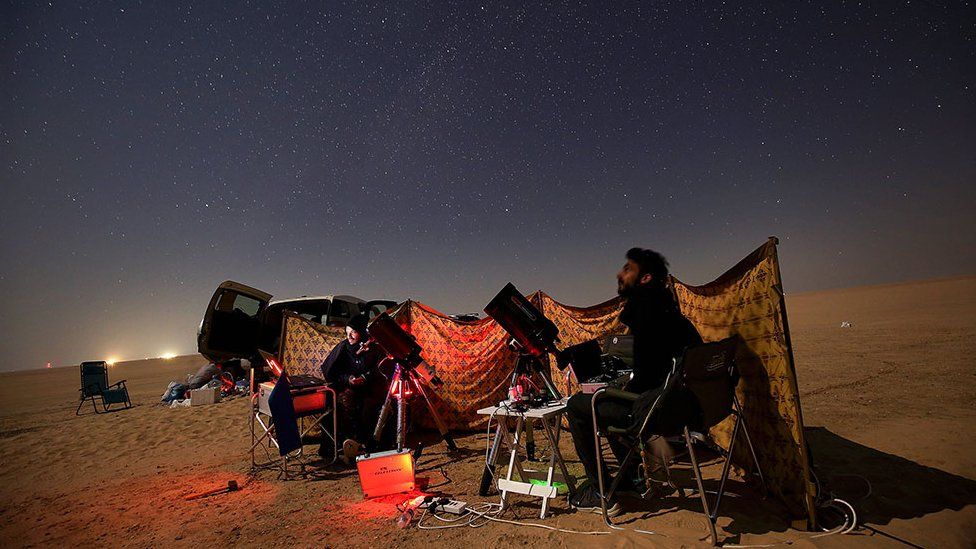
Join us for the great conjunction tonight, Friday, December 18 on solstice day, December 21 right after sunset (4:37pm).  You can join the live astro video session via Zoom produced by the AAAP astro-video group.  If conditions are favorable we will stream from the club’s Washington Crossing Observatory with the Celestron-14 as well as with additional member telescopes.  Weather permitting, we will begin shortly after sunset at 4:37pm as soon as the skies are dark enough to use the imaging cameras.  It will be tricky because of the low position in the southwestern sky, only 17 degrees above the horizon at 5:00pm.  A conjunction occurs when two planets reach their minimal angular separation in our skies.  This one will be remarkable because the Jovian planets will be only ~0.1 degrees apart, close enough to fit within the field of view of the telescope/camera setup.  Conjunctions of Jupiter and Saturn happen every ~20 years but this one will be the tightest since 1623!  

The link below will take you to Zoom meeting information posted on the website.  Friends and family are welcome to join the session (if we hit our limit you may need to wait).  If weather dictates, the date may shift a couple days either way – stay tuned to the website announcement.

Zoom Meeting and YouTube Live Information 

Posted in Great conjunction, Sidereal Times | Tagged , , | Leave a comment

Get Together of Jupiter and Saturn Families, 2020

by Robert Vanderbei

The conjunction of Jupiter and Saturn will take place in the late afternoon and early evening of Monday, December 21.  On that day, the Sun will set at 4:35pm.At that time, Jupiter and Saturn will be low in the southwestern sky, just 20degrees above the horizon.  Also, at sunset, the sky is still bright like daytime.  For those observers with binoculars, it is possible to find Jupiter at sunset.  But, it’s a challenge.  Fortunately, darkness comes quickly and by 4:45pm, or maybe 4:50pm, Jupiter should be easy to find in binoculars and also findable without binoculars. At 4:50pm, Jupiter and Saturn will still be 18 degrees above the horizon.  It’s low but not terribly low.   The separation between the two planets will be just roughly 6 arcminutes.  So, for those who have a telescope the conjunction will be an awesome sight.   And, for those members who are into astrophotography, it will be a once in a lifetime opportunity to take pics of the event.  

But, there will be some serious challenges.  Jupiter will be 2.5 magnitudes brighter than Saturn.   That’s a factor of 10 times brighter.   So, a photograph that nicely shows Jupiter will have Saturn looking very dark.  To make a good picture, one will need to take images with different exposures and then do some sort of “high dynamic range (aka HDR)” combo of the images.  In addition to Jupiter and Saturn themselves, we’ll also get to see some of their moons.   But, the moons will be even fainter and that makes the HDR imaging an even bigger challenge.  Also, the fact that this event will only be about 18 degrees above the horizon will mean that the atmospheric “seeing” is likely to be bad.  Shown here are two screenshots from the planetarium program Cartes du Ciel (aka Sky Charts) showing how things will look at 4:50pm.  One picture just shows Jupiter, Saturn, and their moons.   The other picture shows the various stars that are also in this field of view.  Jupiter has four bright moons.   From left to right they are Callisto, Io, Ganymede, and Europa. Saturn has lots of moons.  From left to right, they are Lapetus, Hyperion, Rhea, Mimas, Enceladus, Dione, Tethys, and Titan.  Of Saturn’s moons, Hyperion is the dimmest.  It’s magnitude 14.9.  That magnitude can be seen in, say, 10 second long astrophotographs, but is not visible visually through most amateur telescopes.  And, the not completely dark sky will also be a problem.   Saturn’s brightest moon is Titan at magnitude 9.0.  If the skies are dark enough, that moon could be seem visually through a telescope.  The four moons of Jupiter are all about magnitude6 and things of that magnitude do appear in astrophotographs taken at dusk.

Click to enlarge pictures
Posted in Great conjunction, Sidereal Times | Tagged , | Leave a comment

Some Notable Conjunctions of Jupiter and Saturn

by John Church

As we are all aware, there will be a close conjunction of Jupiter and Saturn in the evening sky of Monday Dec. 21, which coincidentally is the same day as the winter solstice.  Jupiter passes Saturn once in about every 20 years as seen from Earth, but in most cases they are not nearly so close together in the sky as they will be this time.  

About 30 years ago I became interested in such conjunctions as close as or closer than 6 arc minutes, and I researched them with the aid of advanced ephemeris technology.  (The upcoming one will be 6.1 arc minutes at closest approach, but I included it as being in the foreseeable future.)  I wrote up my results and sent an article to Sky & Telescope for consideration in the Astronomical Computing feature moderated by Roger Sinnott. A corollary was my finding that Jupiter hadn’t actually occulted Saturn as far back as 4000 BC, and won’t do so until at least the year 2800 AD. 

Because the ecliptic passes near Regulus (Alpha Leonis, often called the “Royal Star”), I was especially intrigued by close conjunctions that have occurred in its immediate neighborhood, i.e. within 10 degrees.  Such events might have had significance for contemporary astrologers.  The events of 1794-3 BC struck me as having been possibly associated with the rise of Hammurabi, the “lawgiver king” of Babylonia (reigned ca. 1792-1750 BC).  The fine 940 BC triple conjunction near Regulus might have had some connection with King Solomon (reigned ca. 970-931 BC); the lion has long been associated with Israel, and both the five-and six-pointed stars have been called the Seal of Solomon. The coming event is not near Regulus, but is still quite interesting as it will be the closest such conjunction readily visible since the year 1226. 

The following table is abridged from my original data.  My article appeared in the March 1991 issue of Sky & Telescope, pages 305 to 307.  Those who may be interested in the entire article may be able to make copies for their own private use from back issues kept in one of the branch libraries of Princeton University.  In the past, these branches have been open to the public free of charge; this may again be the case after the Coronavirus issue has passed.  Unfortunately I have no photocopies available.

DateUT(hr)Separation (arc min.)Celestial Long. (Deg.)Elongation From Sun (Deg.)Remarks
4/6/3780 BC05.326680 WFine double (T)
6/28/3501 BC204.59123 EFine double
3/9/3441 BC205.9100137 EFine double (T)
3/22/2926 BC191.527365 WNaked-eye merge
6/5/2647 BC213.99645 WSpectacular (R)
3/16/2072 BC20-2.428157 WPossible Merge
10/7/1794 BC232.710674 WPossible Merge (TR)
1/19/1793 BC18-5.4103178 EFine double (TR)
5/1/1793 BC21.310176 ENaked-eye merge (TR)
12/26/1278 BC33.328016 ESpectacular
9/4/940 BC13.511042WSpectacular (TR)
12/28/424 BC10-1.529817 ENaked-eye merge
8/11/86 BC183.711520 WSpectacular (TR)
6/29/26 BC116.112330 E(TR, M)
3/6/372 AD131.929453 WPossible Merge
3/5/1226 AD4-2.230349 WPossible Merge
12/21/2020 AD186.130030 EFine double
3/15/2080 AD1-6.031244 WFine double
8/24/241716-5.412527 WFine double

Notes to the table:  All dates before 2020 AD are in the Julian rather than the Gregorian calendar.  A negative sign under “Separation” indicates that Saturn was or will be south of Jupiter at the time of closest approach.  Celestial longitudes are measured along the ecliptic eastward from the vernal equinox of date.  “T” means that the event is part of a “triple conjunction” of the two planets; “R” means the event was near Regulus, and “M” means that there was also a “massing” of other planets in the vicinity.   This was  the case with the 26 BC event (not a particularly close one), but included because of this as well as nearness to Regulus.  Events closer to the sun than 15 degrees were omitted. Please see the original of the article for full details and accompanying illustrations.

Posted in Great conjunction, Sidereal Times | Tagged | Leave a comment

In anticipation of the Great Conjunction, 2020

by Robert Vanderbei

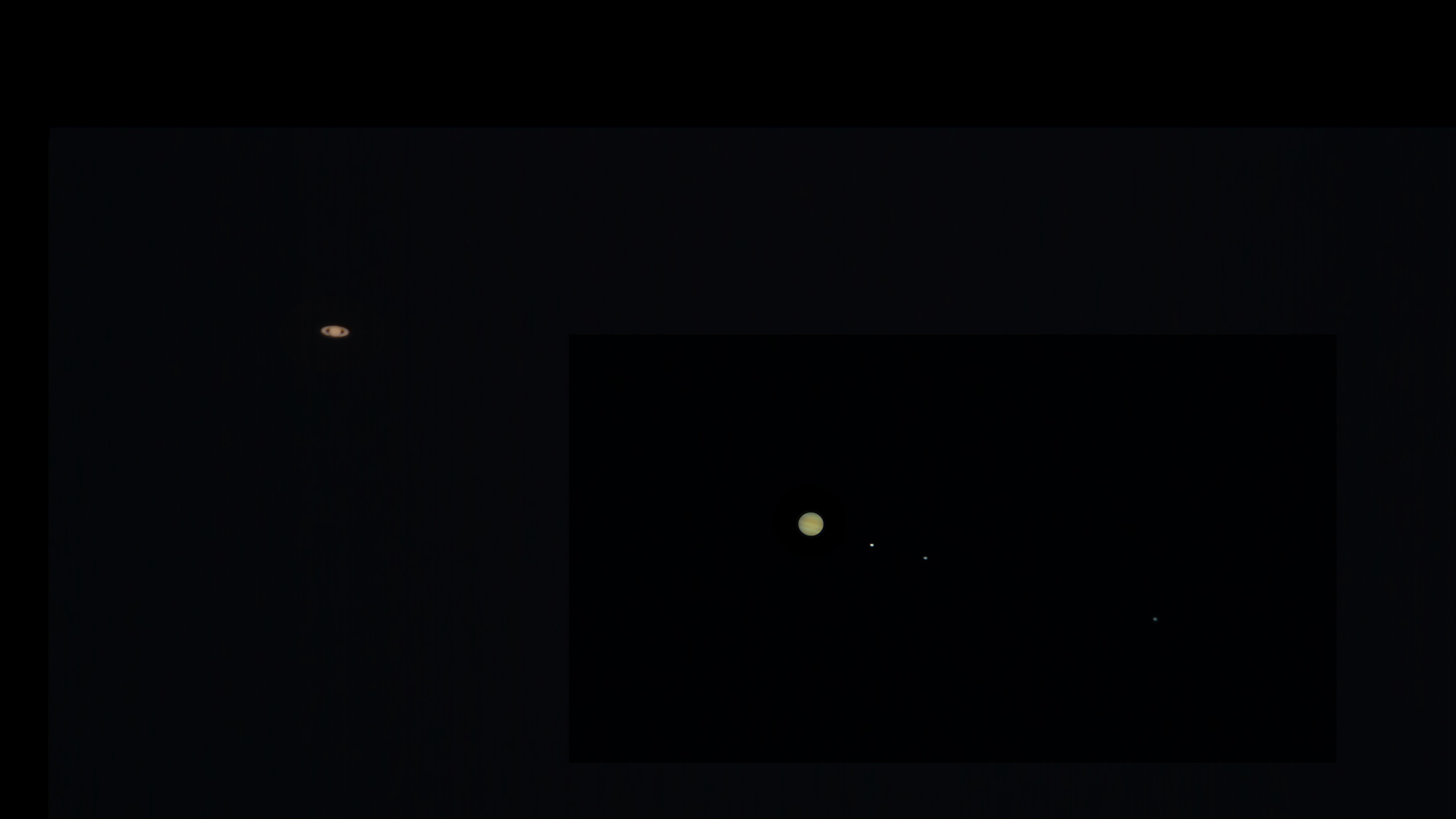
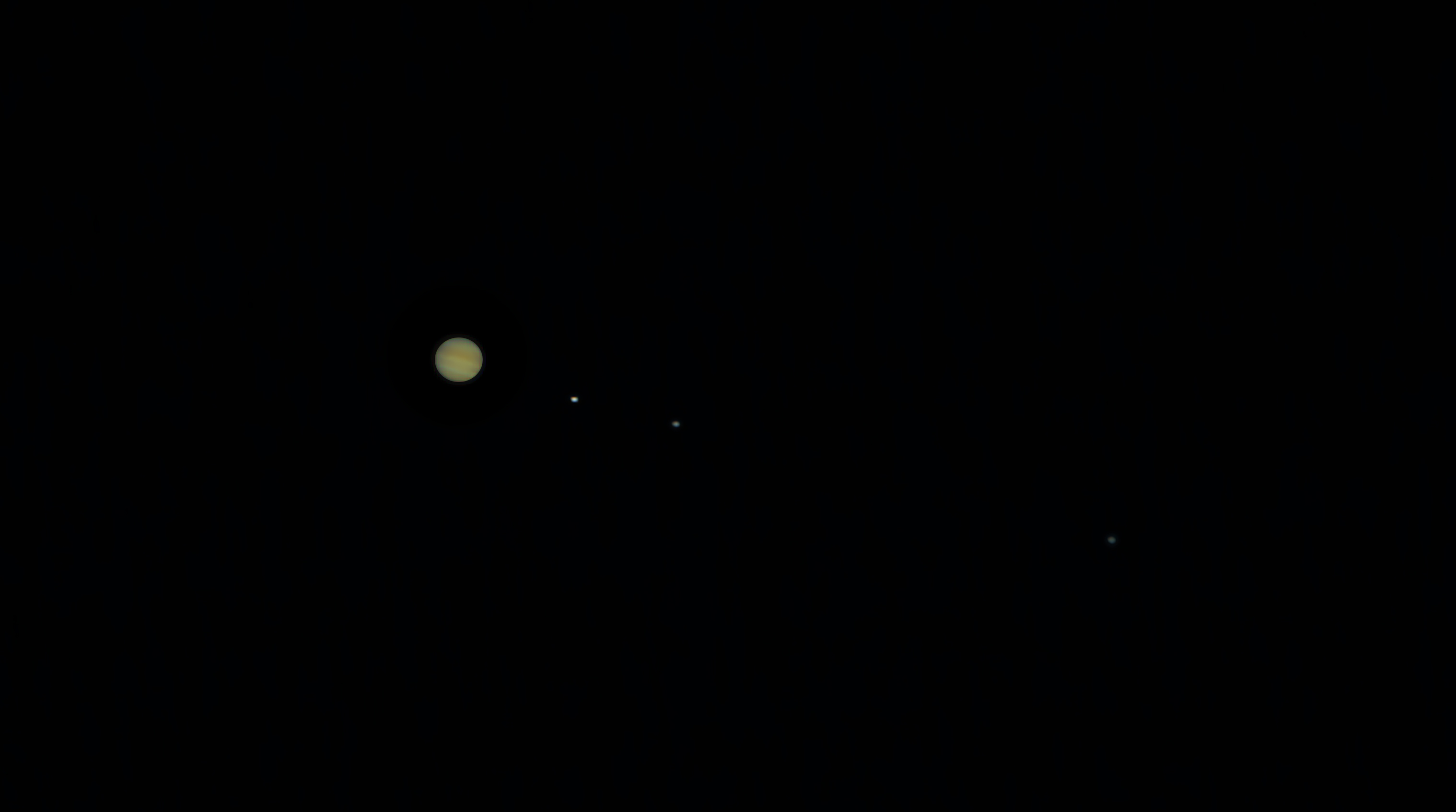
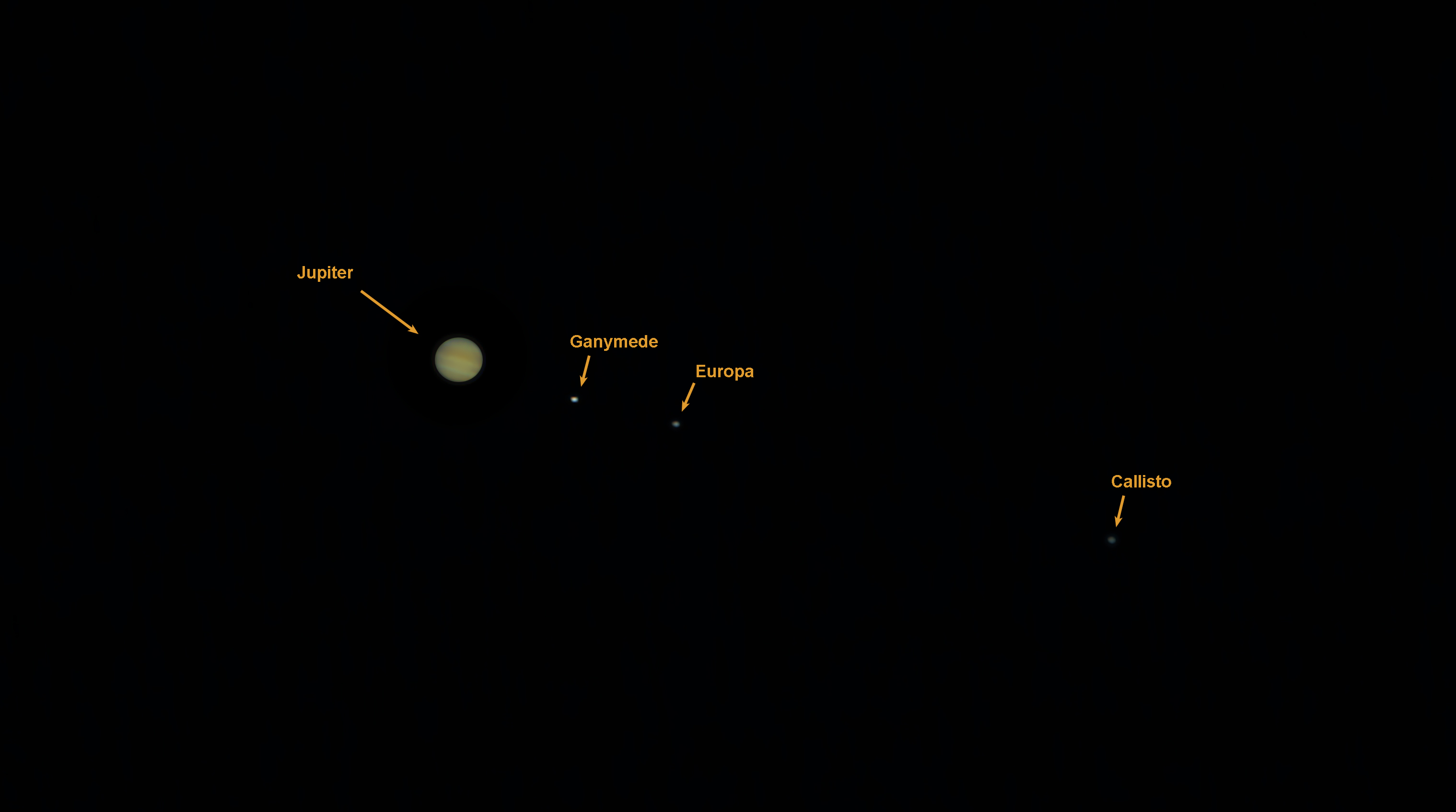
On Monday, Dec. 21, Jupiter will “lap” Saturn in their mutual race around the Sun.  At the closest approach, their angular separation will be just 6 arcminutes. That’s the closest Jupiter/Saturn conjunction in about 400 years.   And, it will happen on the day of the winter solstice.  This will be an interesting event to see especially if viewed through a telescope.   In preparation for the event, I have in recent weeks taken some pics of Jupiter and Saturn using my 10-inch Ritchey-Chretien telescope.  Shown here is a mosaic image I made from two distinct pictures, one of Jupiter and one of Saturn taken at about 4:45pm on December 10.  I made the mosaic showing what a 6-arcminute separation would look like.   By the way, one of the really cool things was that my picture of Jupiter also has Ganymede, Europa and Callisto in it.   That’s pretty cool given that it was only just a few minutes after sunset when I took that picture.   It was not yet dark outside.  

Posted in Great conjunction, Sidereal Times | Tagged | Leave a comment

A Child’s Delight

by Robert Vanderbei

Neighborhood child Chase thrilled to see Jupiter and Saturn with Bob Vanderbei.
Picture Credit: Emily Stahlin-Hoffman Click to enlarge.

You can see both Jupiter and Saturn in the sky and Saturn on my computer’s screen too.

Posted in Great conjunction, Sidereal Times | Tagged , , | Leave a comment

Glorious duo setting over the Everglades

by Richard Sherman

Jupiter and Saturn setting over the Everglades. Click to enlarge.
Posted in Great conjunction, Sidereal Times | Tagged , | Leave a comment

From the Director

Rex
by Rex Parker, Phd director@princetonastronomy.org

The Solstice Cometh                                                                                                                 After what seems a long weary hike over treacherous terrain we approach our destination at last.  Am I speaking of the Covid pandemic?  No, though it fits, but I allude to the coming of light, winter solstice.  December 21 marks the lowest declination of the sun and shortest day of the year (at ~5:05 AM in Princeton area).  As we look to the south sky at noon now the sun does appear lower than ever.  Note in the figure below that the sun’s declination at winter solstice is equal to the negative of the value of earth’s axial tilt.  It’s well known that the earth is closer to the sun in winter than summer, but as seen below, the closest distance comes a few weeks after solstice due to earth’s elliptical orbit and tilt.  Last month’s lecture covered the development of star charting and astrometry over the centuries. The data for the Excel graphs below were generated using MICA software (Multiyear Interactive Computer Almanac), the essential ephemeris program produced by the US Naval Observatory (available at Willmann-Bell, $29.95, PC or 32-bit Mac).  I highly recommend MICA for amateur astronomers because it teaches the fundamentals of astrometry. Using it helps interpret some of the graphically advanced programs that we’ve been talking about in recent meetings, such as TheSkyX, Sky Safari, and Stellarium.  MICA computes the exact quantities and positions that lie behind those beautiful graphs in the star charting programs. 

New Program Chair Joins AAAP Board                                                                                 The search among the membership for a new Program Chair to succeed Ira Polans’ 5 year tenure has reached a happy conclusion.  The Board voted unanimously to appoint Victor Davis as Program Chair for the remainder of this term (through May).  It’s apparent to us all that Ira’s act will be hard to follow, and from my perspective of over 25 years with the club, the programs of the past 5 years have been many of the best. Yet resilience is undeniably a needed feature of our organization. I would like to thank Victor on behalf of all AAAP members for stepping up to take the reins of this critical position.  Importantly, member Bill Thomas has offered to research and help identify topics and speakers, comprising an actual committee which Victor will chair.  As before, we welcome member input on future speaker programs.  Please communicate ideas directly to Victor by email to program@princetonastronomy.org.

The Search for a New Outreach Chair                                                                                  The ability of our club to carry out its mission – bring astronomy to our fellow beings – depends on having a vital and committed membership.  This is especially true of the Board positions whose roles are to guide the operation and future course of the AAAP.  Unfortunately unexpected consequences of pandemic situation led to Gene Allen deciding to step down from the Outreach Chair in which he was highly effective over the previous 2 years.  In Gene’s wake there remains the tradition of our club offering exciting astronomy connections to appreciative public and school participants. 

Now there is an opportunity to reinvent how we do outreach.  The next Chair will have a key role in developing the new virtual outreach strategy. We continue to receive requests for astronomy presentations by schools and a range of adult as well as youth organizations. What we need is a coordinator to link the talent in the club to those outside.  But the days of face-to-face observing sessions or presentations are on hold if not permanently altered. We’ve learned that Zoom and related technologies actually are pretty well suited to the needs of amateur astronomy.  The new Chair could develop contacts in regional schools and public organizations such as local Land Trusts and special interest groups and connect them to virtual astronomy presented by members of our club.  The club’s video astronomy project is a prime example of capabilities that could be directed towards virtual outreach.  Keep in mind that this is one of 7 Board level positions (Director, Asst. Director, Treasurer, Secretary, Program Chair, Observatory Chair, and Outreach Chair).  Thereby it includes fiduciary responsibilities, such as voting on larger expenditures, helping guide strategy, and participating in the Board Meetings.  If you would like to consider helping reinvent this essential role, please contact me at director@princetonastronomy.org or phone (609) 306-1480. 

5 Ways to Do Astronomy in AAAP – Revised for the Time of Coronavirus!

  • Attend the monthly meeting via Zoom (2nd Tues each month, 7:30pm)
  • Participate in the new Journal Club – at the monthly meeting after break, give a 10 min talk sharing your screen in Zoom (contact director@princetonastronomy.org
  • Come out to Washington Crossing Observatory for astro-video with telescopes, done safely with large monitors (contact observatory@princetonastronomy.org
  • Join the Astro-Video interest group – live telescope astro-video by members on Fridays near new moon, next event is Dec 11 (contact director@princetonastronomy.org)
  • Borrow the club’s SX Ultrastar color CCD camera to use with your own scope (contact observatory@princetonastronomy.org)

Posted in December 2020, Sidereal Times | Tagged , | Leave a comment

From the Program Director

by Ira Polans

The December meeting will be held on the 8th at 7:30 PM. (See Joining the Meeting with Zoom below for details). This meeting is open to AAAP members and the general public. Due to the number of possible attendees, we will use the Waiting Room. This means when you login into Zoom you will not be taken directly to the meeting. The waiting room will be opened at 7:00 PM. Prior to the meeting start time (7:30 PM) you may socialize with others in the waiting room. The meeting room has a capacity of 100 people.

For the Q&A session, you may ask your question using chat or may unmute yourself and ask your question directly to the speaker. To address background noise issues, we are going to follow the rules in the table below regarding audio. If you are not speaking, please remember to mute yourself. You are encouraged, but not required to turn your video on.

Meeting Event Participant Can Speak? Participant Can Self-Unmute?
Rex’ General Remarks Yes Yes
Ira’s  Speaker Introduction Yes Yes
Speaker Presentation No No
Q&A Session Start All on Mute Yes
Business Meeting Start All on Mute Yes

Only the Business part of the meeting will be locked.

Featured Speaker: Dr. Kimberly Arcand a science communicator and the Visualization and Emerging Technology Lead for NASA‘s Chandra X-ray Observatory will give a talk on Two Decades Plus with NASA’s Chandra X-ray Observatory. In the past 20 plus years, NASA’s Chandra X-ray Observatory has made profound discoveries and contributed invaluable information about objects in our Universe. Chandra is part of a rich legacy of telescopes with its X-ray lineage stretching back to the Space Age when scientists and engineers pioneered instruments that were sent above the Earth’s atmosphere. Each decade has brought new innovations and new capabilities, culminating in Chandra’s launch aboard the Space Shuttle Columbia in 1999.

Chandra has strong astronomical family ties across the electromagnetic spectrum. As part of NASA’s “Great Observatories” program, Chandra was designed and built to observe X-rays alongside the Hubble Space Telescope, the Spitzer Space Telescope, and the Compton Gamma-ray Observatory. The quest to explore the Universe is both multi-wavelength and multi-messenger in nature, with many significant discoveries requiring information from different types of light as well as gravitational waves and more. Learn more about Chandra, and the pivotal role it has played in understanding our Universe.

Speaker’s Biography: Dr. Kimberly Arcand is an expert in astronomy visualization and has been a pioneer in 3D imaging, 3D printing and virtual reality. She presented her TEDx talk entitled How to Hold a Dead Star in Your Hands in 2016 on 3D printing, the same year she was selected as a “Changemaker” for the White House State of the Women Summit. In 2019, she was featured in the Smithsonian’s How to be a Scientist video series both for her work in 3D visualization, 3D printing and virtual reality applications of astronomical objects, and her work with under-represented groups in STEM. She began working with additive manufacturing in 2011, and led her team’s effort to product the first-ever data-driven 3D print of an exploded star, using NASA observational data. She also led a team of researchers to launch the first-ever data-driven virtual reality application of a supernova remnant using NASA data, and has successfully launched subsequent projects in other areas of emerging technology.

Arcand began her career in molecular biology and public health before moving to NASA’s Chandra X-ray Observatory in 1998. In addition to being an award-winning producer and director, she is a leading expert in studying the perception and comprehension of high-energy data visualization across the novice-expert spectrum. She is principle researcher in the Aesthetics and Astronomy image response research project with international participation. Her current work focuses on applications of holograms, augmented reality and data sonification to astrophysics data sets. She has co-written five non-fiction science books and had her first two science-related children’s books come out in 2020.

Using Zoom: While we are, social distancing the AAAP Board has chosen to use Zoom for our meetings, based our belief that many members have already have used Zoom and its ease of learning. One of its great features is you can choose whether you want to install the software on your computer or use it within your browser.

How to Join the November Meeting: For the meeting, we are going to follow a simple two-step process:

  1. Please make sure you have Zoom installed on your computer. You do not need a Zoom account or need to create one to join the meeting. Nor are you required to use a webcam.
  2. Please visit our website for the link to the meeting

NOTE: We plan to open the meeting site 30 minutes to the 7:30 start time. This way you won’t have to rush to join the meeting. A maximum of 100 attendees can join the meeting.

More Information: The Zoom site has many training videos most are for people who are hosting a meeting. If you’re unsure how Zoom works you might want to view the videos on how to join a meeting or how to check your computer’s audio and video before the meeting.

Journal Club Presentation: We are off to a good start, but still need a member to give a short Journal Club presentation at our December meeting. These talks are given after the break. If interested, please contact either director@princetonastronomy.org or program@princestonastronomy.org. We’d like to keep our momentum going!

Program Chair: This month’s program will be my last as the AAAP Program Chair. I hope you’ve found the talks interesting, informative, and wide-ranging. If you did, I accomplished what I set out to do. I’ve enjoyed being Program Chair these last 5+ years and I am ready to pass the baton to somebody else. Since the November meeting, Victor Davis has chosen to serve as Program Chair for the remainder of my term starting in January. I believe he will make a great Program Chair! During the transition, I’ve agreed to help him learn the role and provide advice as needed. As of the December 31, I will continue as part of the AAAP as a club as a member. If you wish to contact me, you may do so at ipolans@princetonsastoronmy.org. Thank-you for your support and the Board’s support these last 5+ years.

Looking forward to you joining us on Zoom at the December meeting!

Posted in December 2020, Sidereal Times | Tagged | Leave a comment