I joined the AAAP in January after moving to Franklin Twp from Reno, NV in May ’21. I love the talks and I’m looking forward to meeting everyone! This summer I would like to train to use the club’s telescopes, do some observing, and do some outreach. Along the way I’d like to get some experience with video astronomy and digital astrophotography.
My interest in astronomy started in the 1970s when I was an undergrad at the University of Washington. I was attracted to geology (drifting continents) and astronomy (expanding universe). I became a professional geologist and an amateur astronomer. I bought my first telescope (a C5) in the 80’s and began doing astrophotography with film. I still have that C5 and a C8 as well.
While living in Reno I had a chance to rebuild and use my club’s 24″ dobsonian. That was an amazing experience. I had access to dark skies and enjoyed visual observing. My club also had a portable 20” dob, which I took to annual star parties at Lassen and Great Basin National Parks and public outreach events in the Reno area.
Every year between January and March, there is a series of “Science on Saturday” lectures at the Princeton Plasma Physics Laboratory. These lectures have been virtual for the past two years due to the pandemic. Nevertheless, the lectures are recorded and are available in the archives. One such lecture caught my attention this year. It is titled “Feeling the Heat: Fusion Plasmas Used to Study Spacecraft Heat Shields”. The link given below has the complete lecture. I am summarizing at a high level.
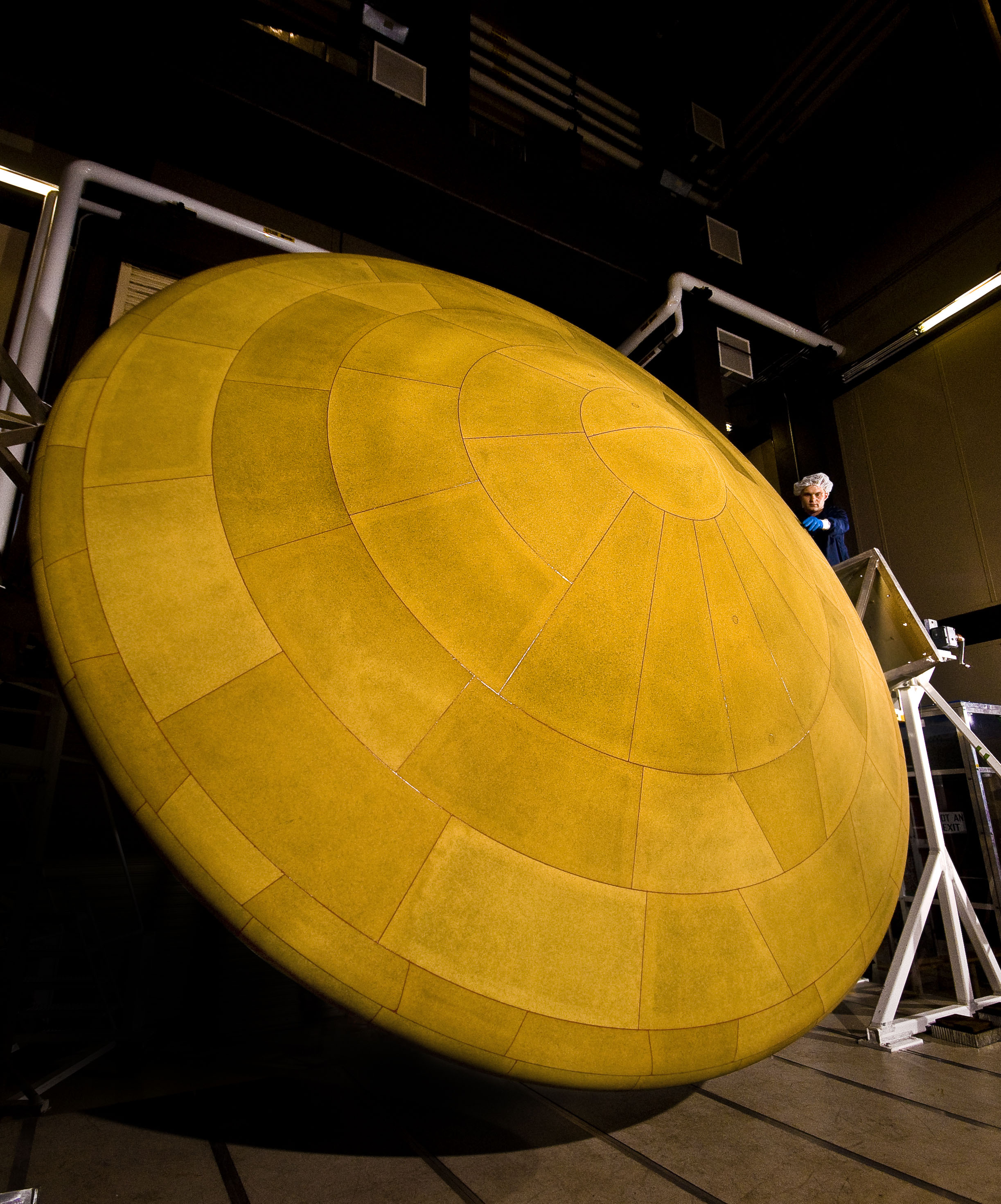
Taking the heat! Entry, descent and landing payloads on atmospheric bodies require special materials, Large Heat Shield for Mars Science Laboratory, Photo Credits: NASA
Let us start with plasma. It is the fourth state of matter after solid, liquid, and gas. As the temperature increases, the state of a substance changes from solid to liquid to gas and then to plasma. So plasma is very hot indeed and can be found wherever intense heat is there like in the sun, the stars, the nuclear fusion reactors etc. In fact, it is said that 99% of the visible universe is plasma. Visibility comes from the stars anyway.
On the earth, we have neon lights which contain plasma when they glow. Similarly, the northern lights or the southern lights at the poles result from heating up of earth’s atmosphere by charged particles coming from the sun. Fusion reactors are mainly engineering structures used to generate energy by creating a sun on the earth in a magnetic bottle. They are largely experimental and the goal is to move towards generating energy on industrial scales.
In the sun and the stars, such huge temperatures are generated by gravitational compression of gasses like hydrogen wherein it fuses together to form helium. In the process, it releases huge amounts of energy in the form of light and heat. In the fusion reactors, heat is supplied by electricity to fuse together the hydrogen. The expectation is that the fusion reaction will generate much more electricity than what it consumes.
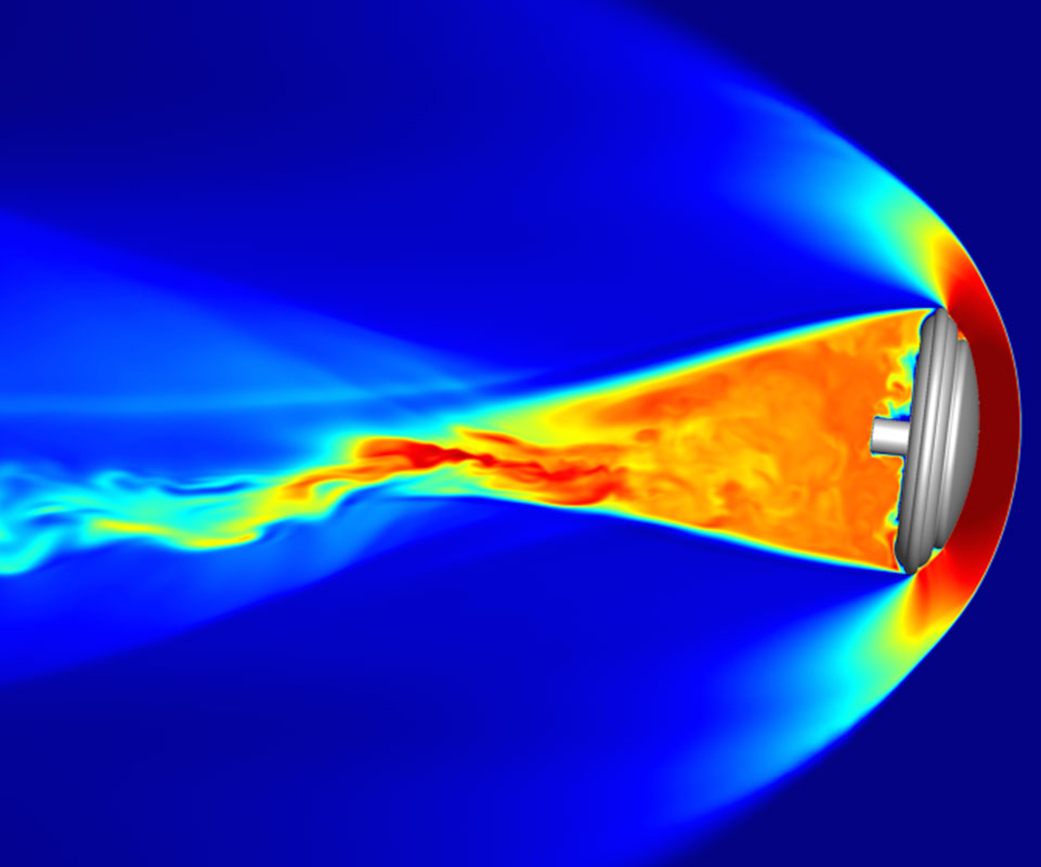
Whenever a spacecraft returns to earth’s dense atmosphere from space or enters the dense atmosphere of another planet like Mars or Jupiter, intense heat is generated. Mainly because spacecraft travel very fast in space. Like tens of thousands of miles per hour. Such speeds when encountering dense atmospheres, heat up the surrounding air and create a layer of plasma.
Heat shields are designed and placed in front of spacecraft to absorb such heat from the surrounding plasma and protect the structure and the contents of the spacecraft. These heat shields take the shape of a cone on the nose of the spacecraft or the thousands of tiles lining up the front part of the now retired space shuttle. These shields are made of specific materials to absorb the heat and are engineered very carefully.
Since we have plasma in the fusion reactors on the earth, studies are being done on how specific heat shields behave in the presence of plasma. Fusion reactors are being used as design tools for the heat shields. To determine which materials hold up well and which shapes or the structures are better suited for the job. This is better than guesswork and learning from how the heat shields function on re-entries. It will give us a chance to know exactly how a particular heat shield will perform.
Designing heat shields is a very good application of the fusion reactors. It does not disturb the main functioning of the fusion reactor. Just a minor placement of the material to be studied in a small corner of the reactor and making observations. We can expect better heat shields for future space missions. The number of space missions will only increase in the future and optimizing heat shields will be an important milestone in such a journey.
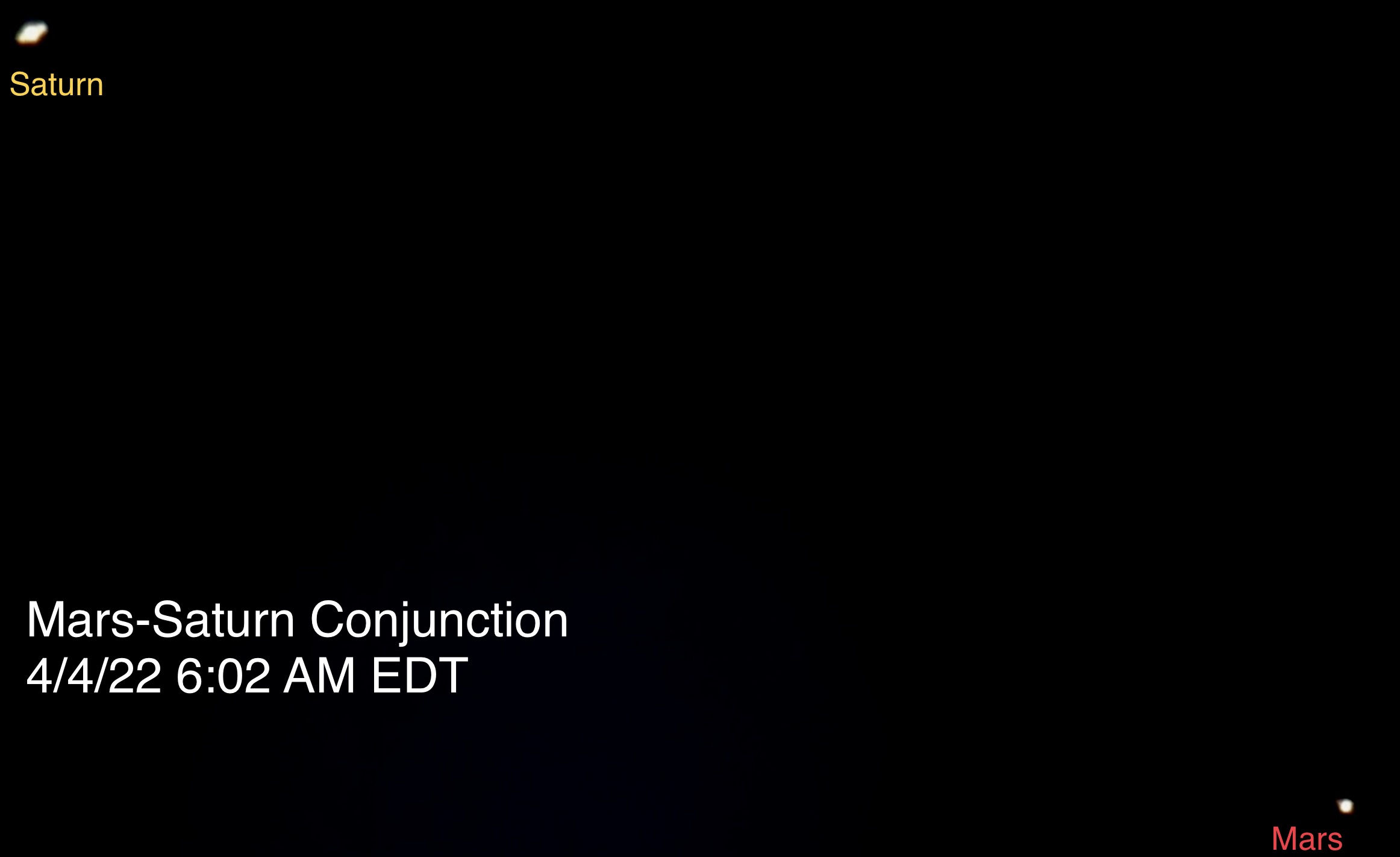
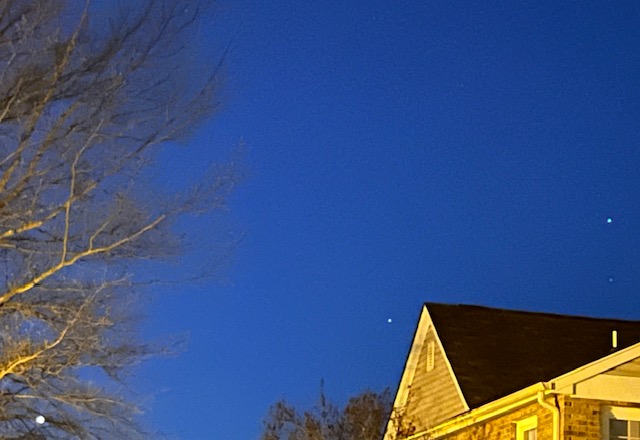
The planets are dancing! (L-R) Venus, Mars, Saturn 📷: iPhone 13 Taken 4/15/21 5:18 AM EDT
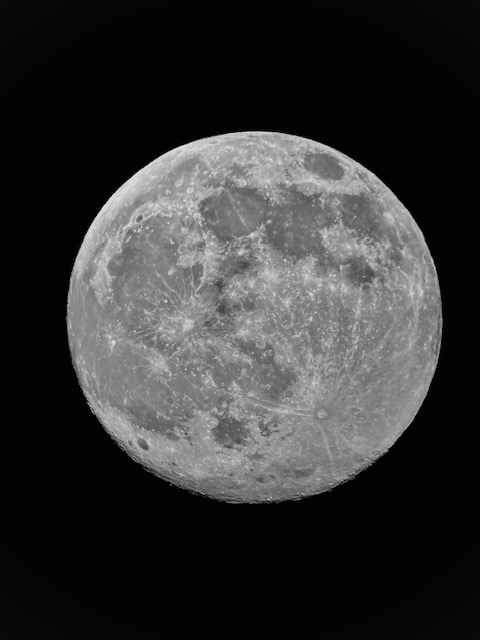
99% Full Moon 📷: iPhone 13 single shot 🔭: Celestron NexStar Evolution 8 + 40 mm eyepiece Taken 4/15/22
The Morning Triangle It’s about time we got a clear morning in New Jersey, and just in time … Jupiter (l) and Venus (r) form a triangle with the 11% Waning Crescent Moon 4/27/22, just before sunrise!
Finally, I would like to share that I was a guest on Explore Alliance’s 90th Global Star Party, themed “Cosmic Flow,” hosted by Scott W. Roberts, Founder and President of Explore Scientific.
The show is a weekly star party live streamed over various media, such as Facebook and YouTube, and on Explore Scientific’s website.
I discussed my favorite topic to explore these days, “Moon and Migration.”
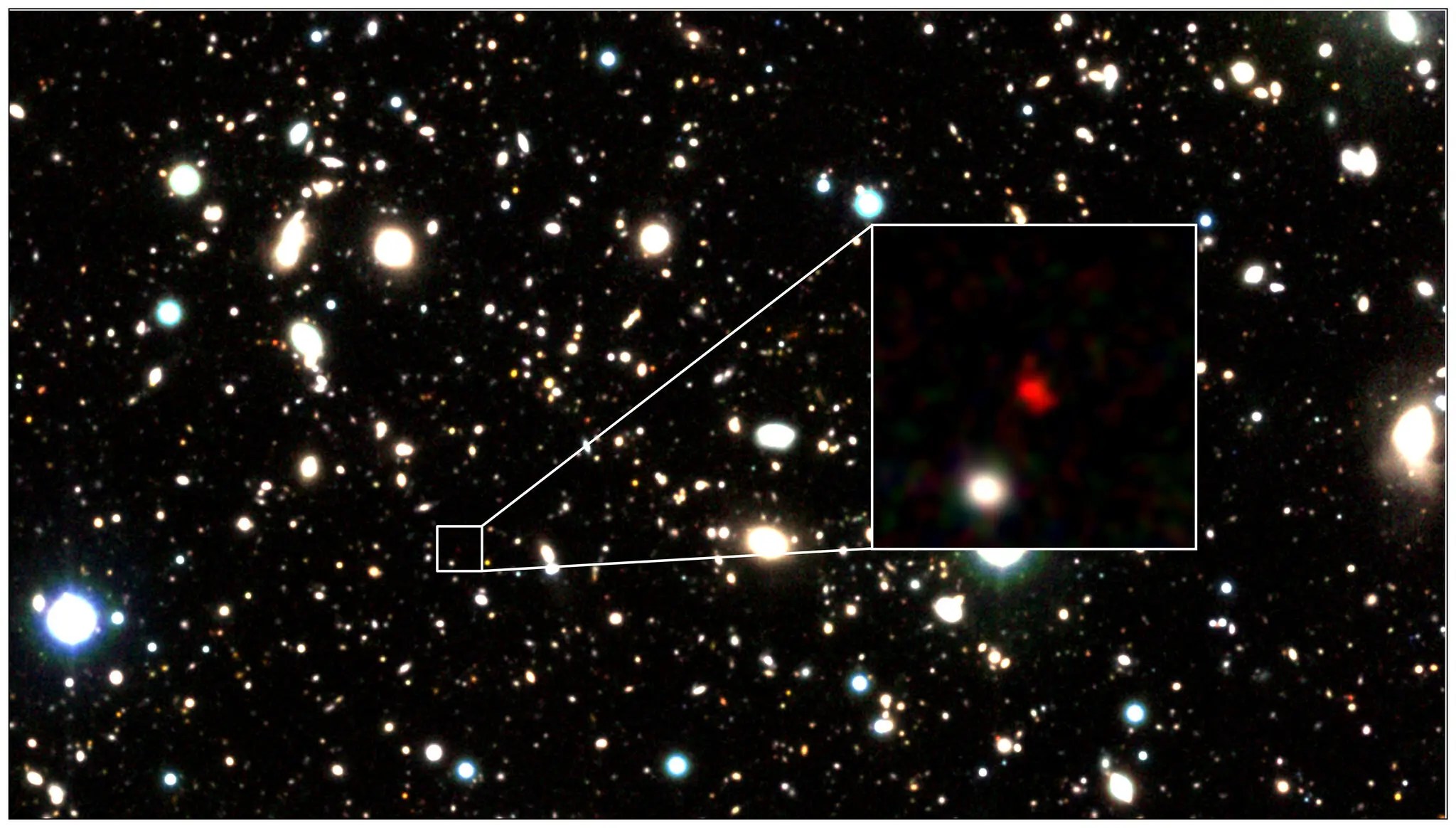
Astronomers Find What Might Be the Most Distant Galaxy Yet The Jodrell Astronomers have been leapfrogging each other into the past lately. Last week, a group using the Hubble Space Telescope announced they had discovered what could be the most distant and earliest star ever seen, nicknamed Earendel, which twinkled 12.9 billion years ago…more
-BBC
UK to build software brain for giant radio telescope A group of UK institutions is going to build a prototype “brain” to control the world’s biggest radio telescope. The Square Kilometre Array (SKA) will initially comprise 197 dishes and 130,000 antennas spread across South Africa and Australia…more
-BBC
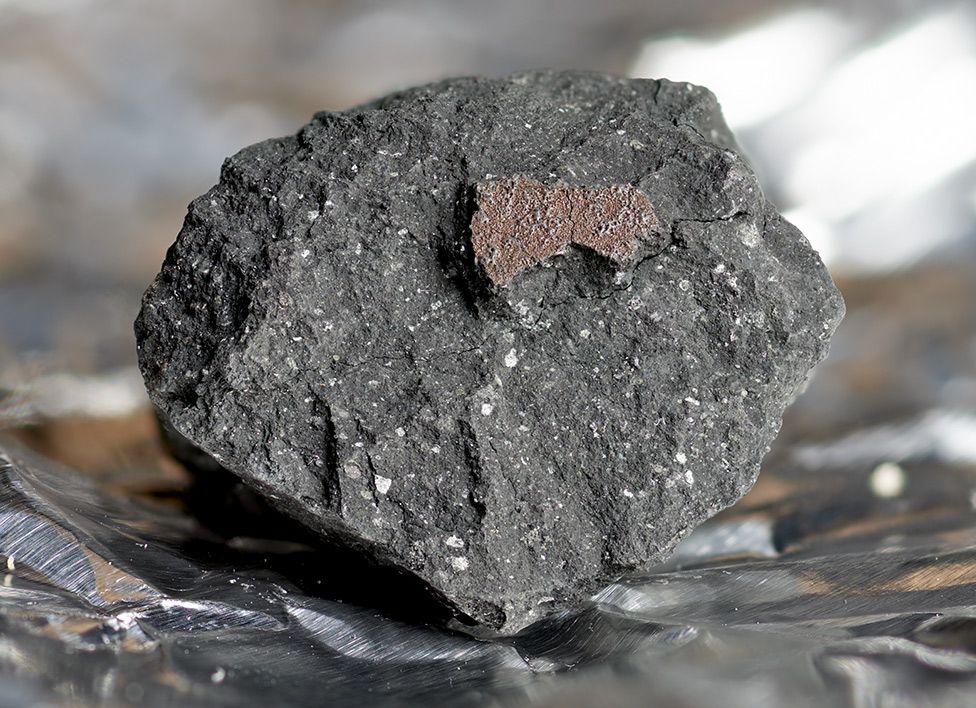
Winchcombe meteorite gets official classification The Winchcombe meteorite is now official. The rocky material that fell to Earth in a blazing fireball over the Cotswold town of Winchcombe in February has had its classification formally accepted. Details have just been published by the international Meteoritical Society in its bulletin database…more
-BBC
Make Uranus mission your priority, Nasa told The US space agency Nasa should prioritise a mission to Uranus, an influential panel of scientists says. The “ice giant” is the seventh planet in our Solar System, orbiting the Sun 19 times further out than the Earth…more
-NYT
NASA Will Move Its Moon Rocket Off Launchpad for Repairs NASA’s new big moon rocket is headed back to the garage for a few small repairs, possibly pushing back its maiden launch to late summer or later. That means NASA is giving up, for now, trying to complete what it calls a wet dress rehearsal for the rocket…more
-NYT
Military Memo Deepens Possible Interstellar Meteor Mystery The U.S. Space Command seemed to confirm a claim that a meteor from outside the solar system had entered Earth’s atmosphere, but other scientists and NASA are still not convinced…more
-BBC
Astronomers stand up to satellite mega-constellations Astronomy is finally putting up a co-ordinated front to defend its interests as thousands of satellites are placed in the sky. Huge networks of spacecraft are being launched that are making it harder to get a clear view of the cosmos…more
– BBC
James Webb telescope’s MIRI instrument goes super-cold It is perhaps the very definition of cool. The Mid-Infrared Instrument on the James Webb Space telescope is now at its super-low operating temperature. The UK-assembled instrument has reached a decidedly chilly -267C, or just six degrees above “absolute zero”…more
-BBC
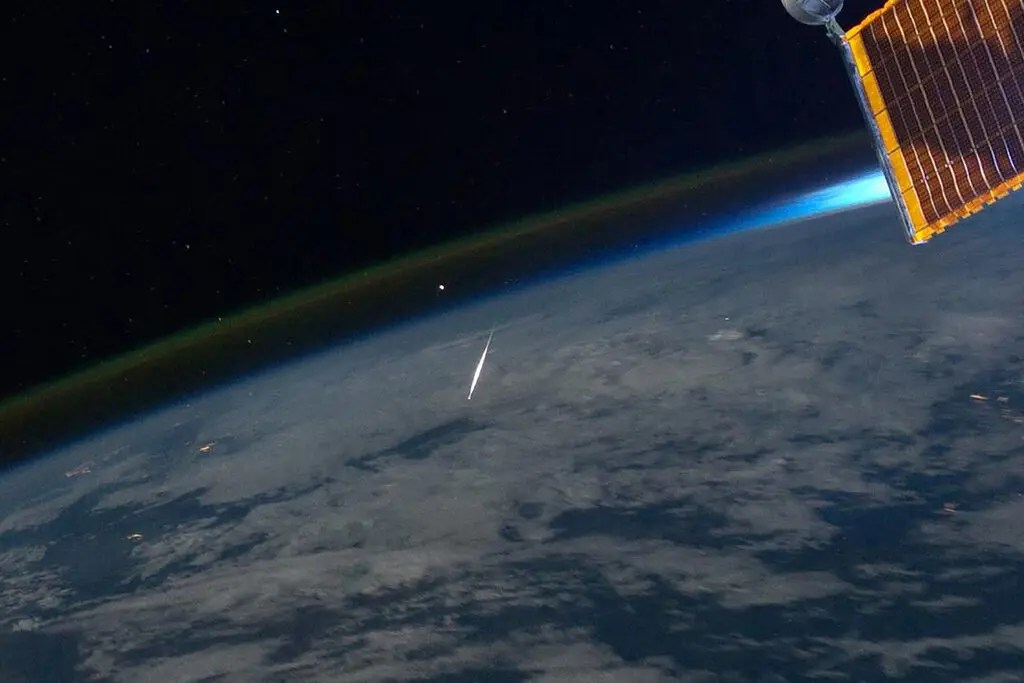
Nasa scientists spy ‘largest comet ever seen’ A comet with a nucleus 50 times bigger than normal is barrelling towards Earth at 22,000 miles per hour. Nasa’s Hubble telescope has determined the comet’s icy nucleus has a mass of about 500 trillion tonnes and is 85 miles (137km) wide – larger than the US state of Rhode Island…more
-NYT
E-ELT: Contract to construct giant telescope A contract has been signed that will lead to the construction of one of this century’s key astronomical facilities. The European Extremely Large Telescope (E-ELT) will be the biggest optical and infrared observatory ever built, with a primary mirror nearly 40m across…more
-NYT
Imagine Another World. Now Imagine 5,000 More NASA recently announced that it had detected more than 5,000 exoplanets, so we asked astronomers, actors and an astronaut to share their favorite worlds orbiting distant stars. In January 1992, a pair of astronomers reported a discovery that changed the course of scientific history: They found planets outside our solar system…more
by Rex Parker, PhD director@princetonastronomers.org
Spring Events — Back to (Nearly) Normal. COVID restrictions have been lifted in NJ state parks, though individuals going to the AAAP Observatory are urged to remain careful especially with the public, and recognize that COVID cases continue to occur in central NJ. Soon the Princeton area will be vibrant with blooms and warmer days and nights. Clear nights seemed scarce this winter, so if you miss seeing the sky, check out the events we’re lining up to get you back in the celestial flow – see the list below.
This spring we will also elect officers, as we do each May according to the bylaws. The 7 members of the Board of Trustees serve one year terms: director, assistant director, program chair, treasurer, secretary, observatory chair, outreach chair. To keep the club vibrant we need members to segue onto and off of the board over time. Please consider helping by serving on the AAAP board. Here’s how: as set out in the bylaws I have appointed a member, Joy Saxena, to be nominations chair. The chair will poll current board members to see if they wish to run again, and will contact the membership by e-mail to see who would like to run for a board position. If you are interested, send a note to nominations@princetonastronomy.org. The slate will be announced at the April 12 meeting (Zoom) with the election in May.
AAAP Activities Coming Up
April 12 Meeting (Zoom) – slate of candidates presented; guest speaker info below (see Program Chair’s article).
April 15, beginPublic Friday Nights at the Observatory. Keyholders will be contacted by the Observatory Chair. All members as well as the public are welcome on these public outreach nights (weather permitting).
May 10 Meeting (Zoom) – election of officers; guest speaker info below.
May 14, Members Day at Observatory, 5pm and into darkness (sunset 8:08pm and the moon is near-full). Meet and Greet, and how to use your own telescope. We’re aiming for a second date in June.
June 14 Meeting in person at the Planetarium in Trenton, hosted by Bill Murray. Bill is a AAAP member and staff associate at the Planetarium.
Notice of Job Vacancy – Planetarium at the NJ State Museum. Issue date March 18, 2022, closing date April 29, 2022. POSTING # STA-2022-014.
Title: Assistant Curator, Planetarium Education.
Definition: Under the general supervision of the Curator of Education in the State Museum, initiates, designs, implements and evaluates planetarium programming; creates planetarium shows; monitors the operation of planetarium instruments and equipment; initiates, designs, plans, implements, and evaluates exhibitions related to astronomy and space sciences; assists with the marketing and promotion of planetarium shows; does other related duties as required.
Telescope equipment at the AAAP Observatory for keyholder use, as of April 2022. For information about keyholder training, contact observatory@princetonastronomy.org
Paramount-ME #1, robotic equatorial mount
TheSkyX planetarium and control software under Win10 computer.
Numerous 2-inch and 1¼-inch eyepieces for these telescopes.
ZWO ASI 294 Pro color CMOS camera.
Starlight Xpress Ultrastar Colour CCD camera.
Starlight Live and SharpCap software cameras.
Verizon FiOS available inside the Observatory.
Paramount-ME #2, robotic equatorial mount
TheSkyX planetarium and control software under Win10 computer.
Hastings-Byrne 6¼-inch refractor, f/14.6, FL=2310mm. This historic instrument, dates to 1879 with original air-spaced doublet lens and steel tube.
Takahashi Mewlon-250, D=250mm (10-inch) Dall-Kirkham reflector telescope, with 2-inch TMB dielectric diagonal and Feathertouch 2-inch Crayford focuser.
Numerous 2-inch and 1¼-inch eyepieces, e.g., Panoptic 27mm and 41mm.
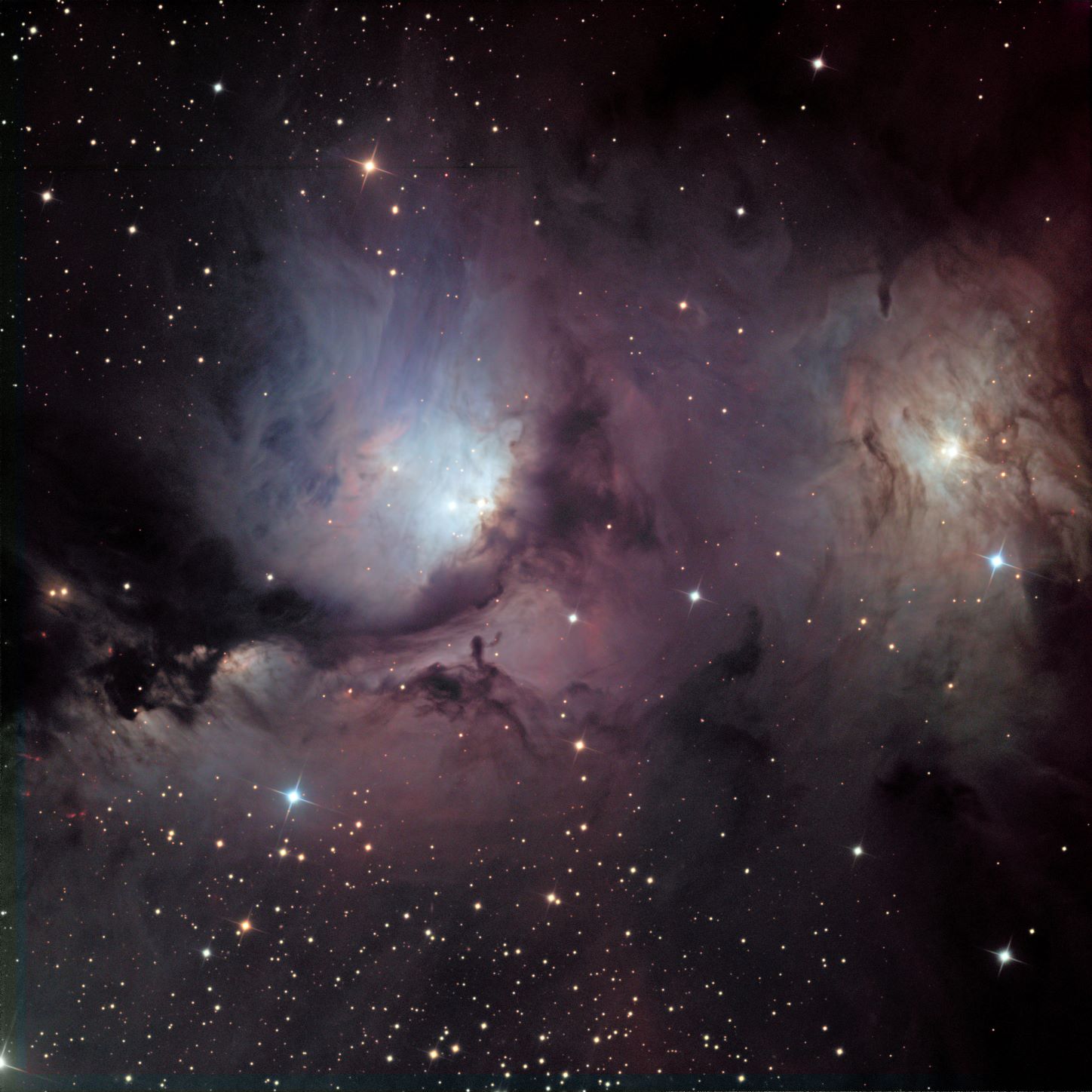
Goodbye to the Winter Constellations. As we begin to see the spring constellations in mid-evening we bid farewell to the winter deep sky objects. I was fortunate to get great telescope imaging data for a less-commonly observed but amazing Messier object in Orion, Messier 78. M78 is located above and to the left of Orion’s belt, not far from the more famous nebula M42.
Messier 78 near the belt of Orion from a 24” telescope in Chile.M78 is a reflection/ emission nebula with many new stars forming amidst giant clouds of gas and dust. Astrophoto by RA Parker.
The April, 2022 meeting of the AAAP will take place (virtually) on Tuesday, April 12th at 7:30 PM. (See How to Join the April Meeting below for details). This meeting is open to AAAP members and the general public. Participants will be able to log in to the meeting as early as 7:00 pm to chat informally with others who log in early. We will not be using the “waiting room;” participants will enter the meeting as soon as they log in. However, you will enter the meeting space with your microphone muted. This will help to remedy some of the background noise we experienced during some previous meetings. Please be aware you must unmute yourself to be heard by other participants.
For the Q&A session, you may ask your question using Zoom’s chat feature or you may unmute yourself and ask your question directly to the speaker. To address background noise issues, we are going to follow the rules in the table below regarding audio. If you are not speaking, please remember to mute yourself. You are encouraged, but not required, to turn your video on.
Meeting Event
~Time
Participant Can Speak?
Participant Can Self-Unmute?
Pre-meeting informal chatting
7:00 – 7:30
Start All on Mute
Yes
Director Rex’s General Remarks
7:30 – 7:40
Yes
Yes
Program Chair Victor’s Speaker Introduction
7:40 – 7:45
Yes
Yes
Speaker Presentation
7:45 – 8:45
No
No
Q&A Session
8:45 – 9:00
Start All on Mute
Yes
5-minute bio break
9:00 – 9:05
Yes
Yes
“Unjournal Club” – No presentation scheduled
N/A
Start All on Mute
No
Business Meeting
9:05 – 9:50
Start All on Mute
Yes
Director’s closing remarks/Informal chatting
9:50 – 10:00
No
No
Only the Business part of the meeting will be locked.
Featured Speaker: Dr. Paul Daniels, FRAS President, Federation of Astronomical Societies (president@fedastro.org.uk)
The Mega-Constellation Threat The plummeting cost of launching small satellites has led to several companies having ambitions to place tens of thousands of them (potentially 100,000+) into low Earth orbit over the next few decades. The growing threat is driven by economics and the growing desire for low-latency, high-bandwidth global internet service. Dr. Daniels, a leader in the Royal Astronomical Society’s Megaconstellation Working Group (Optical) will discuss the serious threats to professional and amateur astronomy posed by the projected astronomical growth of these reflective and emissive objects:
The pollution of the sky at optical and radio wavelengths has the potential to end almost all professional ground-based astronomy over the next two decades, seriously hamper amateur astronomers’ contributions to astronomy and their enjoyment of the night sky and contamination of the pristine natural sky that is the birth right of all the people of the world and which has inspired young and old for generations.
The vastly increased number of objects in Earth orbit will lead to a rapid growth in space debris that could endanger the lives of astronauts, damage existing satellites and, in worst case, potentially deny humanity access to space for any purpose for decades.
The lower cost of getting to space makes it, the Moon and asteroids prime targets for the next era of commercial exploitation. The rush to occupy large volumes of near-Earth space by powerful companies, backed by powerful military nations, is likely to raise international tensions.
Dr. Paul Daniels’ interest in astronomy began in the days of the Apollo missions stargazing through a friend’s 4” Newtonian and watching for meteors in the garden. He became fascinated with ephemerides he read in the BAA Handbook and how such events were calculated. He went on to graduate from Queen Mary College, London University with a degree in Astrophysics, where, as an undergraduate, he served as the college astrophysical society’s Secretary and Chairman.
He earned his PhD from Sheffield University, studying aspects of dust particle accretion and the structure and evolution of comets. At the Max Planck Research Institute, he developed prototype software for the satellite X-ray telescope ROSAT before moving on to a career in the computing industry, and eventually worked for 30 years as a freelance IT contractor.
Dr. Daniels joined the Guildford Astronomical Society in 2000 to renew his interest in astronomy, and was the club’s president between 2012 and 2018. He remains an active member. He’s a Fellow of the Royal Astronomical Society, and served on its council for several years, recently as Vice-President of Astronomy. He currently serves on their International and Education and Outreach committees and chairs their IT Working Group. He is an active participant in the RAS’ Megaconstellation Working Group (Optical) and has contributed to conferences and workshops seeking to raise awareness of this growing threat. Dr. Daniels is currently the President of the UK’s Federation of Astronomical Societies, a group of 200 member organizations representing 12,000 amateur astronomers in the United Kingdom.
AAAP webcast: This month’s AAAP meeting, beginning with Rex’s opening remarks and ending at the beginning of the business meeting, will be webcast live on YouTube and recorded for subsequent public access on AAAP’s YouTube channel. Be aware that your interactions during this segment, including questions to our guest speaker, may be recorded for posterity.
This session will be recorded and saved on YouTube. Send me an email at program@princetonastronomy.org if you have any concerns.
Using Zoom: While we are social distancing, the AAAP Board has chosen to use Zoom for our meetings, based our belief that many members have already have used Zoom and its ease of learning. One of its great features is you can choose whether you want to install the software on your computer or use it within your browser.
How to Join the April Meeting:For the meeting, we are going to follow a simple two-step process:
Please make sure you have Zoom installed on your computer. You do not need a Zoom account or need to create one to join the meeting. Nor are you required to use a webcam.
There is no “Unjournal Club” presentation scheduled this month. As you may know, guest speakers receive a baseball cap with the AAAP logo embroidered upon it as a “thank you” for making a presentation to us. We’re expanding the hat giveaway to members who contribute an “Unjournal Club” presentation to encourage participation.
We hope to make these short presentations a regular feature of our monthly meetings. We’d like to know what members are doing or what members are thinking about in the broad range of topics encompassed by astronomy. A brief ten-minute (or so) presentation is a good way to introduce yourself and the topics you care about to other club members. If you are interested in presenting a topic of interest, please contact either director@princetonastronomy.org or program@princetonastronomy.org.
A look ahead at future guest speakers:
May 10, 2022
Kenneth Chang,science writer for the New York Times who describes his beat as “chemistry, geology, solid state physics, nanotechnology, Pluto, plague and other scientific miscellany” also writes frequently on space missions and astronomy. He has not yet decided on a title or topic for his presentation.
June 14, 2022
Bill Murray, AAAP Outreach Chair and astronomer at the New Jersey State Museum will once again (following a Covid hiatus) give club members a private sky tour at the museum’s planetarium. He’ll show off the refurbished planetarium’s state-of-the-art Digital Sky 2 8K projection system. This is an opportunity to put aside Zooming and commiserate with AAAP members in the real world.
July – August, 2022
There will be no monthly meetings of AAAP during the academic hiatus of July and August, though the observatory (and public observing every clear Friday night) will be operating. There are not yet guest speakers confirmed for post-summer – and hopefully post-pandemic – meetings. It is not known whether we’ll have the option to meet corporeally, though we intend to include a Zoom component for the foreseeable future.
Thanks to Bill Thomas, Ira Polans, and Dave Skitt for their valuable advice and assistance.
As always, your comments and suggestions are gratefully accepted.
The AAAP Telescope Loaner Program is about to become real! David Skitt has been pulling together and fortifying the various sets of equipment into kits, and in collaboration with feedback from the membership, the loaner program facilitator, Todd Reichart, has drafted a simple statement of program rules and a simple loan contract. Once the kits are in good order, we look forward to promoting their availability on the AAAP website.
The program is open to all members of the AAAP and may be opened to youth and educational groups at the discretion of the AAAP board. There will be no charge to users of the loaner program, and the initial borrowing period for any kit will be 90 days. If equipment is lost or damaged while in the possession of borrowers, they will be expected to work with the AAAP to find a mutually agreeable way to replace, repair, or be forgiven of the loss.
The objective of the program is to get idle equipment into the hands of eager astronomical observers with a minimum of hassle to both borrowers and the lender. If any members have idle equipment that they would consider donating to this initiative, it would be gratefully accepted.
The new AAAP merchandise store is up and running and several members are already sporting their new AAAP gear. Take a moment to check out the hats, mugs, and apparel at: https://aaap1962.logosoftwear.com/.
The password is SiderealTimes.
Note that it takes about 3 weeks to receive your order. So if you want some fresh, new AAAP gear for summer and fall observing, now is a good time to visit the store.
The meeting was convened on Zoom by Director Dr. Rex Parker at 1930 with the agenda for the evening. Latest from NJDEP/WCSP is nothing further. Observatory carpet needs to be replaced and we are seeking someone with carpet experience to be liaison with a commercial installer. Zoom poll coming up in the meeting. He promoted the JPL Night Sky Network briefly and asked members to register there. Nearly 100 members have joined the AAAP Discord channel. Coming into spring galaxy season.
At 1942 Program Chair Victor Davis introduced featured speaker Dr. Rosanne Di Stefano, and her presentation “Planets in External Galaxies.” She led a group of researchers who used Chandra X-ray Observatory satellite data to find a planet that eclipses an x-ray binary star in the Whirlpool Galaxy, Messier 51, 28 million light years away. A question period followed from 2031 to 2100.
We reconvened at 2105 for a Zoom poll about member participation at in-person events, with 41 attending on Zoom.
The Night Sky Network will be holding a training session next week for conducting public events for the release of First Light images from the James Webb Space Telescope which are expected in June. Members are encouraged to attend. NSN also offers a Roster which will be considered for our use. One advantage of the NSN Roster is that members who are registered can contact each other unless they elect privacy.
Use of the AAAP Discord Server has been growing. This is another way for members to interact. The Board is considering whether adding a New Member channel would be more confusing or more helpful.
Member Debra Mayes has been working at revamping the AAAP Facebook pages and looking into securing admin rights
Observatory Co Chair Dave Skitt reported that:
A number of Keyholders have resigned from their duties. In order to maintain reasonable manning levels, the Board approved that the number of teams be reduced from 6 to 5. Knowledge of telescopes and the night sky is not a prerequisite, so new members will be invited to begin Keyholder training as a way to learn about both.
The Observatory Public Nights season will be delayed and begin on April 15. There is a tentative visit by 30 Scouts on April 2.
We are still waiting for the state to respond to our proposed Observatory column repairs.
The Loaner Program is getting close. Member Todd Reichart is working on verbiage.
Assistant Director Larry Kane announced that he would like to Pass on his role as AAAP Archivist and Editor Surabhi Agarwal volunteered on the spot.
Both Larry Kane and Dave Skitt shared that they are planning expeditions south to some location near Austin, Texas to try for better weather for the total solar eclipse on April 8, 2024. Member David Owen added that he knows of an astronomy club with a dark sky sight that might be willing to host AAAP.
It was noted that NEAF 2022 has been cancelled due to continuing Covid issues and supply chain issues that have caused a number of vendors to withdraw for this year. NEAF 2023 will be on April 15 &16.
The meeting was formally adjourned shortly at about 2200.








 The new AAAP merchandise store is up and running and several members are already sporting their new AAAP gear. Take a moment to check out the hats, mugs, and apparel at:
 Amateur Astronomers Association of Princeton