I wanted to alert those interested that there is a potentially spectacular observing event on the evening of Wed. Dec. 7th.
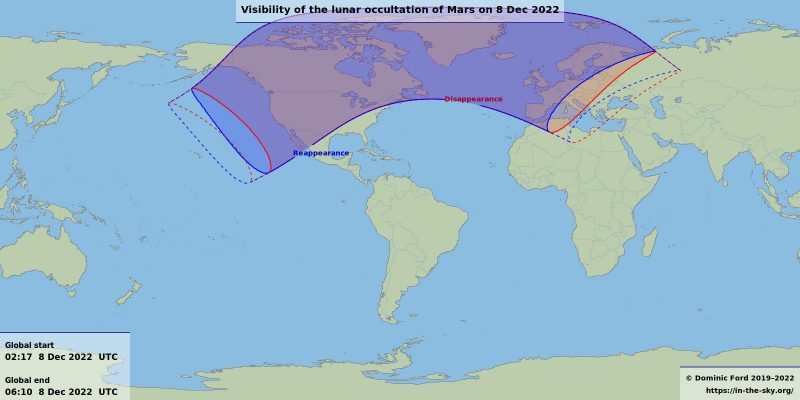
On that evening: 1. The Moon is full at 11:08 PM 2. Mars is at opposition less than 2 hours later at 12:36 AM on the morning of the 8th. 3. The two will be very, very close – about 11 PM the Moon will skim 1′ (about 5 Mars diameters) above Mars. 4. This is a very rare occurrence. For most of the country Mars will actually be occulted by the Moon but unfortunately not here in NJ. The Moon and Mars are very high (71° altitude) so if you can see straight up you should be able to see them.
We can meet in person (at the observatory) to view this event or since is late in the evening midweek we can set up a virtual EAA session to view it. Either way, we will send information out to members once the Observatory Chair decides.
Very powerful ground based optical telescopes are found mostly in Chile and Hawaii. Some in the Canary Islands. There is an observatory nestled in the foothills of Himalayas in an Indian town called Nainital. Called ARIES (Aryabhatta Research Institute of Experimental sciencES) and located about 7000 feet above sea level, getting about 200 clear nights a year on an average, it is a good site for optical astronomy. Thanks for the pointer which Surabhi has provided, I did not know of this scientific institution before.
Named for Aryabhatta, an Indian astronomer and a mathematician who lived in the fifth and sixth centuries AD. Aryabhatta lived before the Islamic golden age when the mantle of mathematics was carried forward by the Arabs. Incidentally, India’s first satellite launched in 1975 was also named in Aryabhatta’s honor.
The observatory was established more than fifty years back on Manora peak near Nainital. Starting with smaller telescopes, bigger ones were set up as time progressed. Due to the increasing light pollution as the town of Nainital grew, the new location about 15 miles away as the crow flies, about 35 miles away by road, Devasthal (meaning God’s place) was developed. Two such latest telescopes are established in Devasthal. Both these facilities, along with their telescopes, are managed by ARIES.
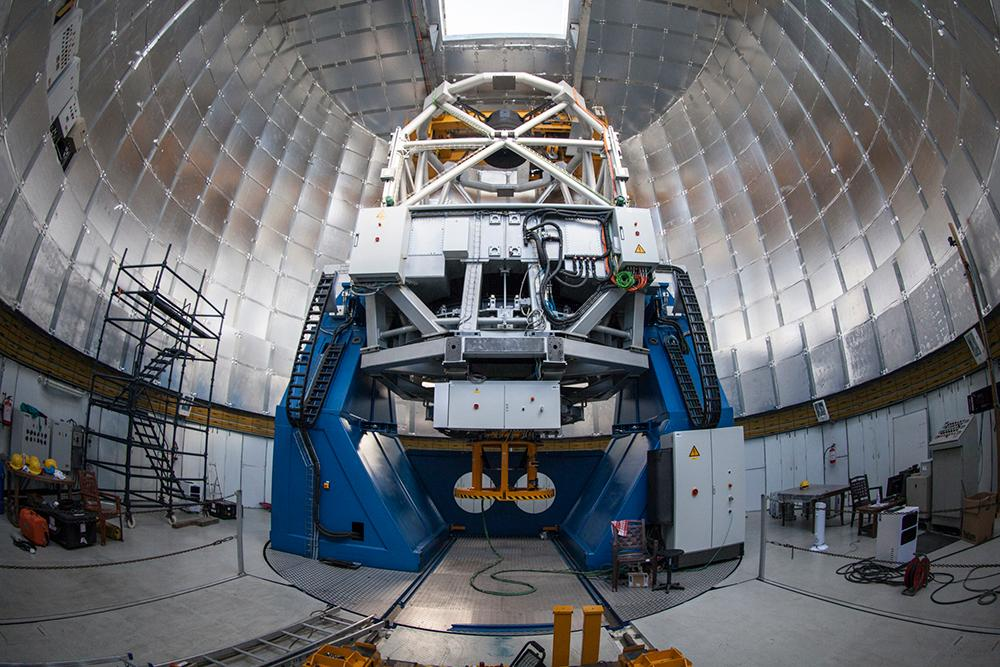
The 3.6 meters reflector telescope called DOT (Devasthal Optical Telescope) saw the first light in 2016. It is considered as the largest reflector telescope in Asia. The optics has been built in collaboration with the Belgian firm Advanced Mechanical and Optical System (AMOS). It features an optical spectrograph, a CCD imager and a near-infrared spectrograph. The telescope also has active optics containing a wavefront sensor and pneumatic actuators which compensates for small distortions in the shape of the 4.3 tonne mirror due to gravity or atmospheric aberrations. The picture shown below, courtesy ARIES, shows the DOT housed in a dome.
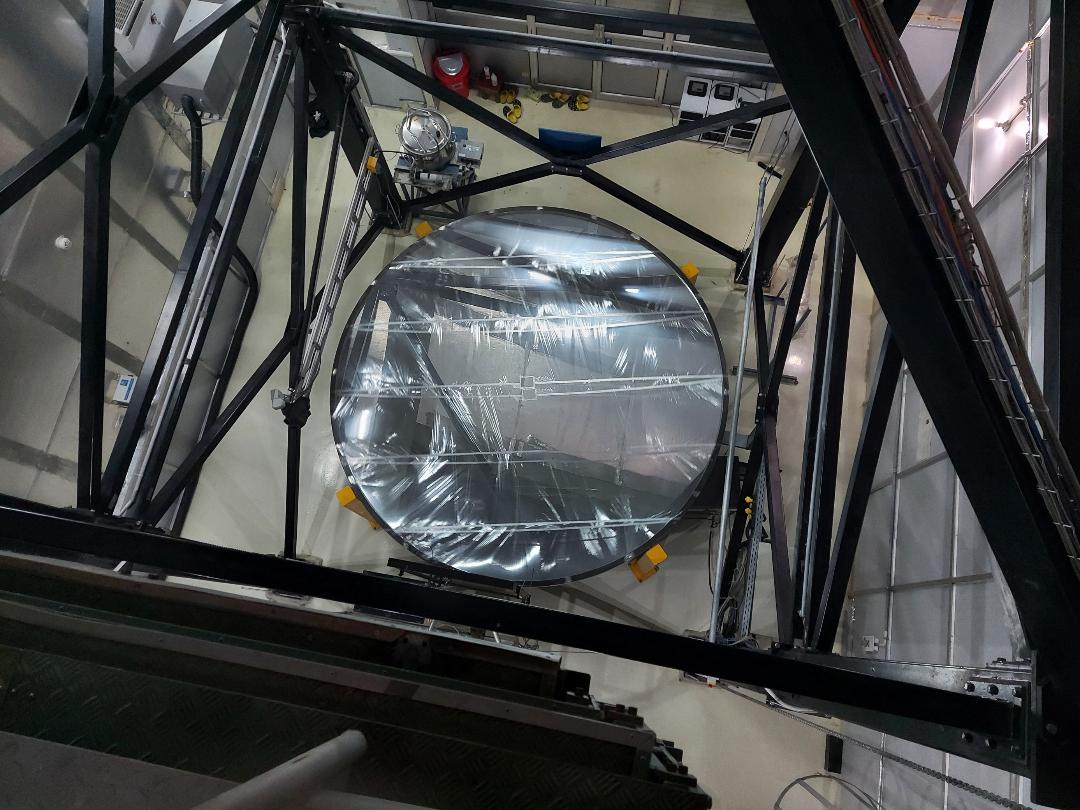
Second telescope is the 4 meter International Liquid Mirror Telescope (ILMT). It saw its first light recently in May 2022. It has a dish containing a reflecting liquid metal, which is essentially mercury. This dish sits on an air bearing. I never heard of such a liquid based telescope before. Given below is the picture, courtesy ARIES, of the liquid dish with a protective cover.
This telescope is very useful for gravitational lensing studies as well as for extragalactic objects like quasars, supernovae, galactic clusters etc. The picture given below, courtesy ARIES, shows a few galaxies with NGC 4274 in the top right corner. Gravitational lensing means that an object behind a massive object will present itself as a displaced image like a ring around the foreground object, or shifted to the right or left of the foreground object. Gravity bends the light coming from the background object and causes these distortions.
Although these telescopes pale in comparison with the 8-10 meter telescopes of Chile and Hawaii, there is a clear progression towards bigger and sophisticated telescopes. The future does bode well. Given the international collaborations happening with ARIES, consortiums could build bigger telescopes in the Himalayas. The altitude and the geography are comparable to Hawaii and Chile. And another place to add to my bucket list to visit !
This months “From the Lens of Lisa” is largely Lunar! 🙂
11/2/22- A fun feature to look for the day after a First Quarter Moon is “Rupes Recta” or “the Straight Wall.” This is a linear fault located in Mare Nubium and is over 100 km long! With its prime location near the terminator in this phase, it is fun to see with optics. In two weeks, it will be visible again, but illuminated from the other direction!
iPhone 13 through Celestron NexStar Evolution 8 (32 mm eyepiece)
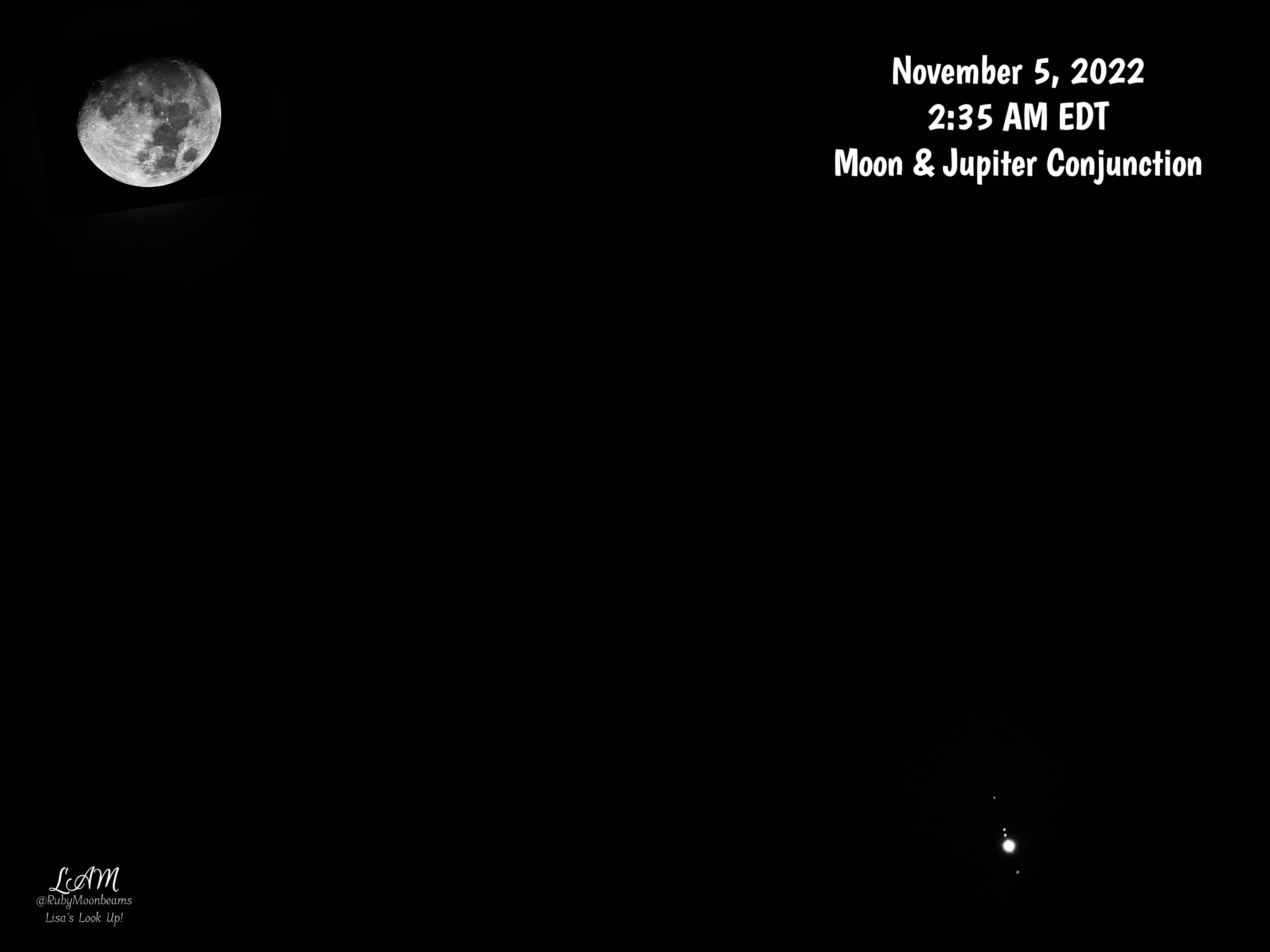
The Moon and Jupiter 2 degrees apart (10/4/22), making for a beautiful conjunction between these two bright objects.
📷: Canon PowerShot SX70 HS 💻: Composite photo stacked in Bazaart for iOS
Widefield – conjunction setting over the Atlantic in Cape May, NJ
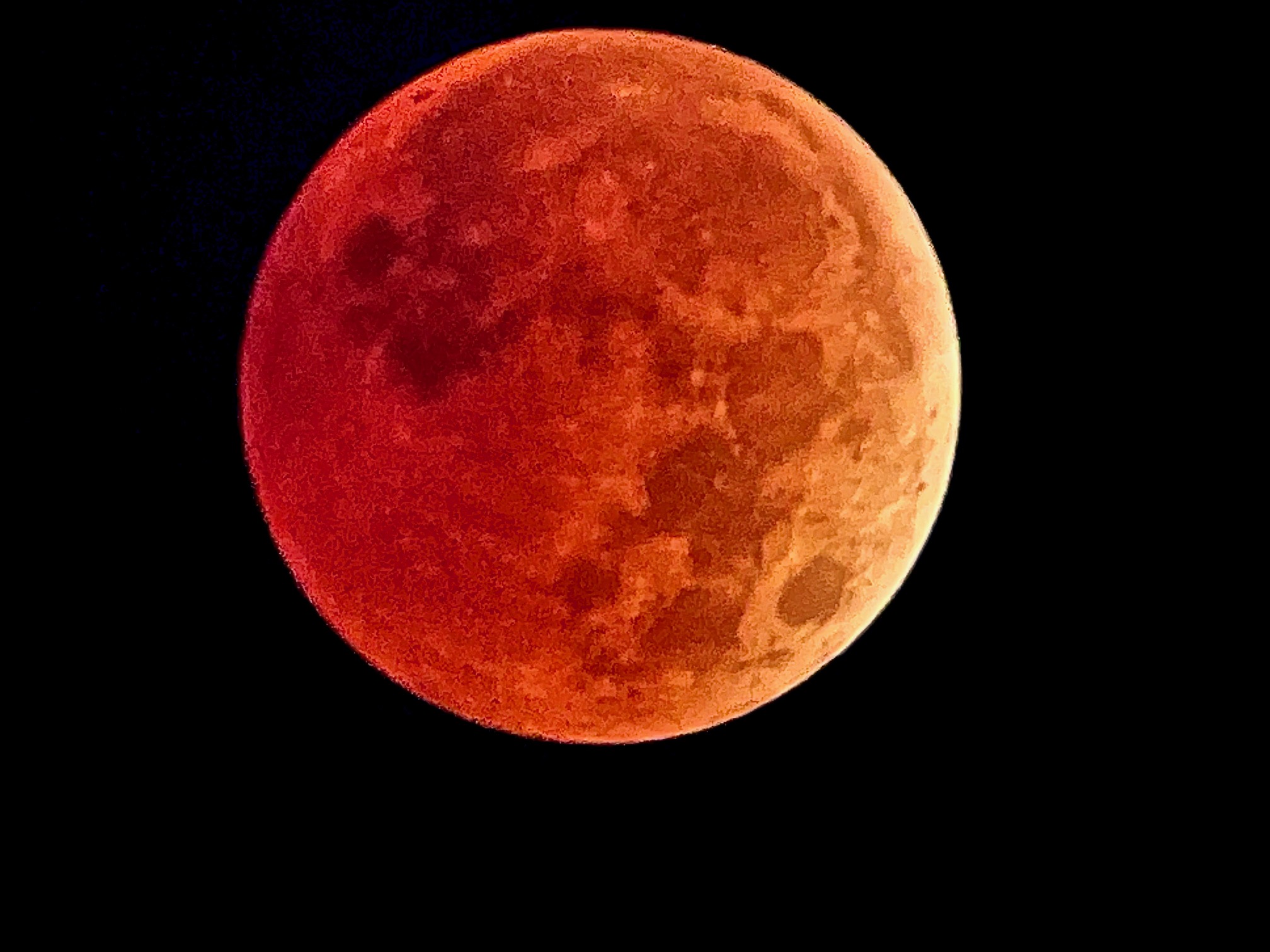
Images of the eclipsing Full Moon taken on November 8, 2022 from 4:00 AM ET – 5:45 AM ET.
iPhone 13 through Swarovski Optik 65mm Spotting Scope
Assembled in Bazaart for iOS
Close to totality
November post full Moon
I was looking through my photos of 2022’s full (and close to full) Moons, which included 2 Lunar Eclipses and (the “squished”) “Super Moon” and realized it was a whole range of gorgeous colors.
The moons represented here are from February, March, May (eclipse,) June, September, October and November (eclipse.)
I had fun arranging them in an eye-pleasing palette using the program Bazaart for iOS.
Last night (Nov. 5) I noticed an almost full moon, and how clear the sky was. I recently purchased a Nikon 500mm lens for birding, which is another hobby of mine. I figured I’d give the lens a spin at not quite astrophotography, which I have never tried.
The lens was set up for birding: f5.6, small group exposure reading, ISO 1250, auto white balance and handheld.
Initially the image looked overexposed, the moon almost white. I put the image through Adobe Elements. Increasing contrast and lowering brightness.
I was quite surprised at the final image. I’ll try again when the moon’s phases bring out more detail and the camera is on a tripod.
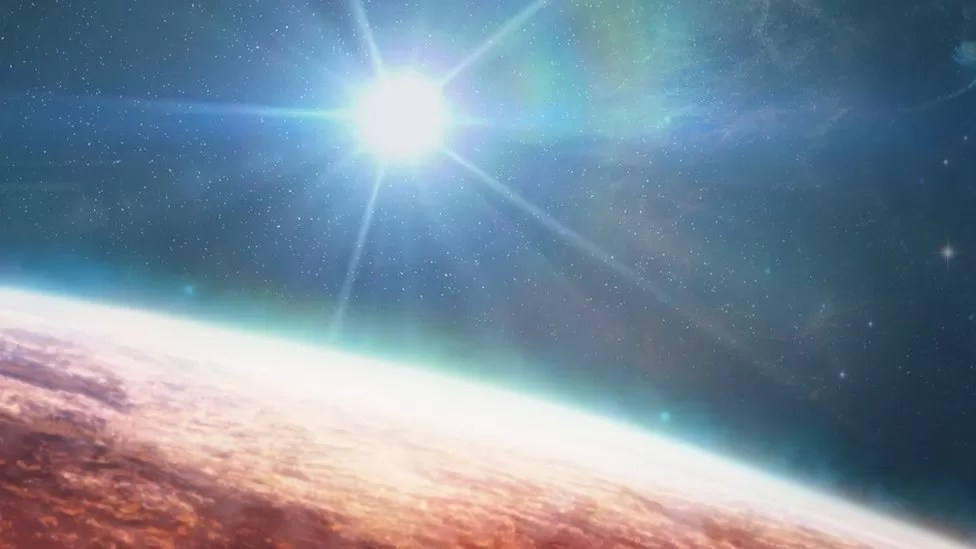
James Webb Space Telescope uncovers origins of distant planet A team of astronomers have used the James Webb Space Telescope to establish how a distant planet was formed. The University of Leicester team formed part of a Nasa-coordinated study based on observations from the new telescope…more
-Univ. of Alberta
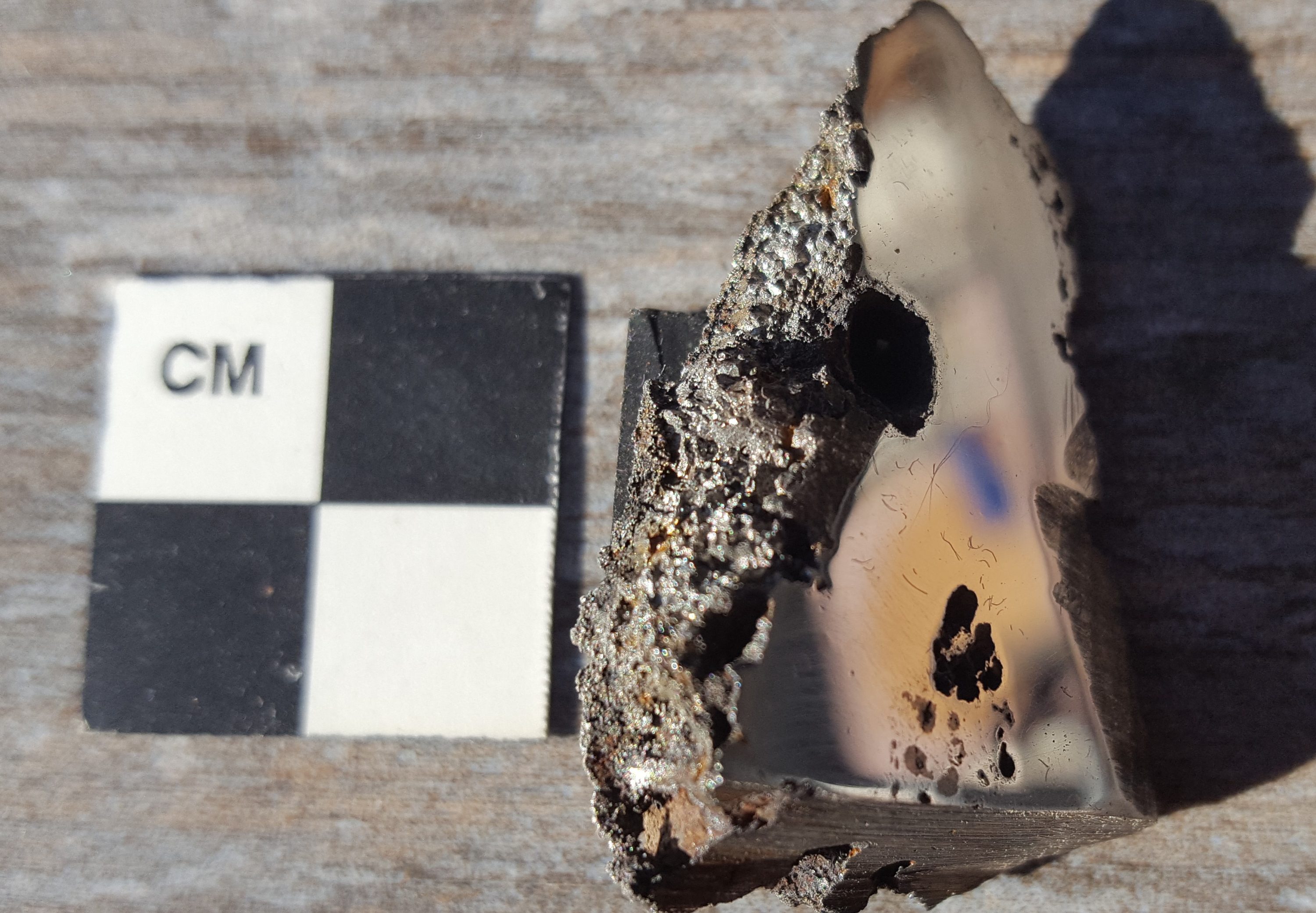
New minerals discovered in massive meteorite may reveal clues to asteroid formation A team of researchers has discovered at least two new minerals that have never before been seen on Earth in a 15 tonne meteorite found in Somalia — the ninth largest meteorite ever found. The two minerals found came from a single 70 gram slice that was sent to the U of A…more
-BBC
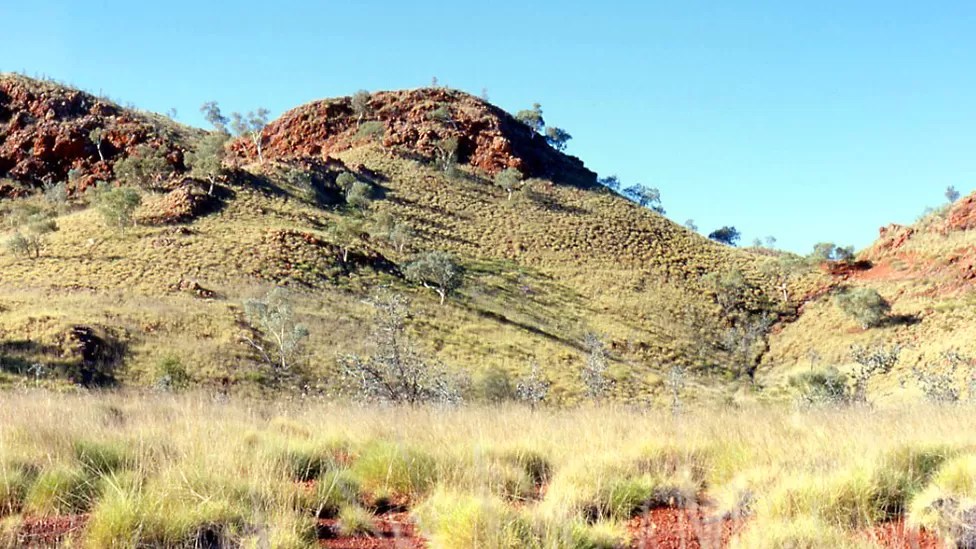
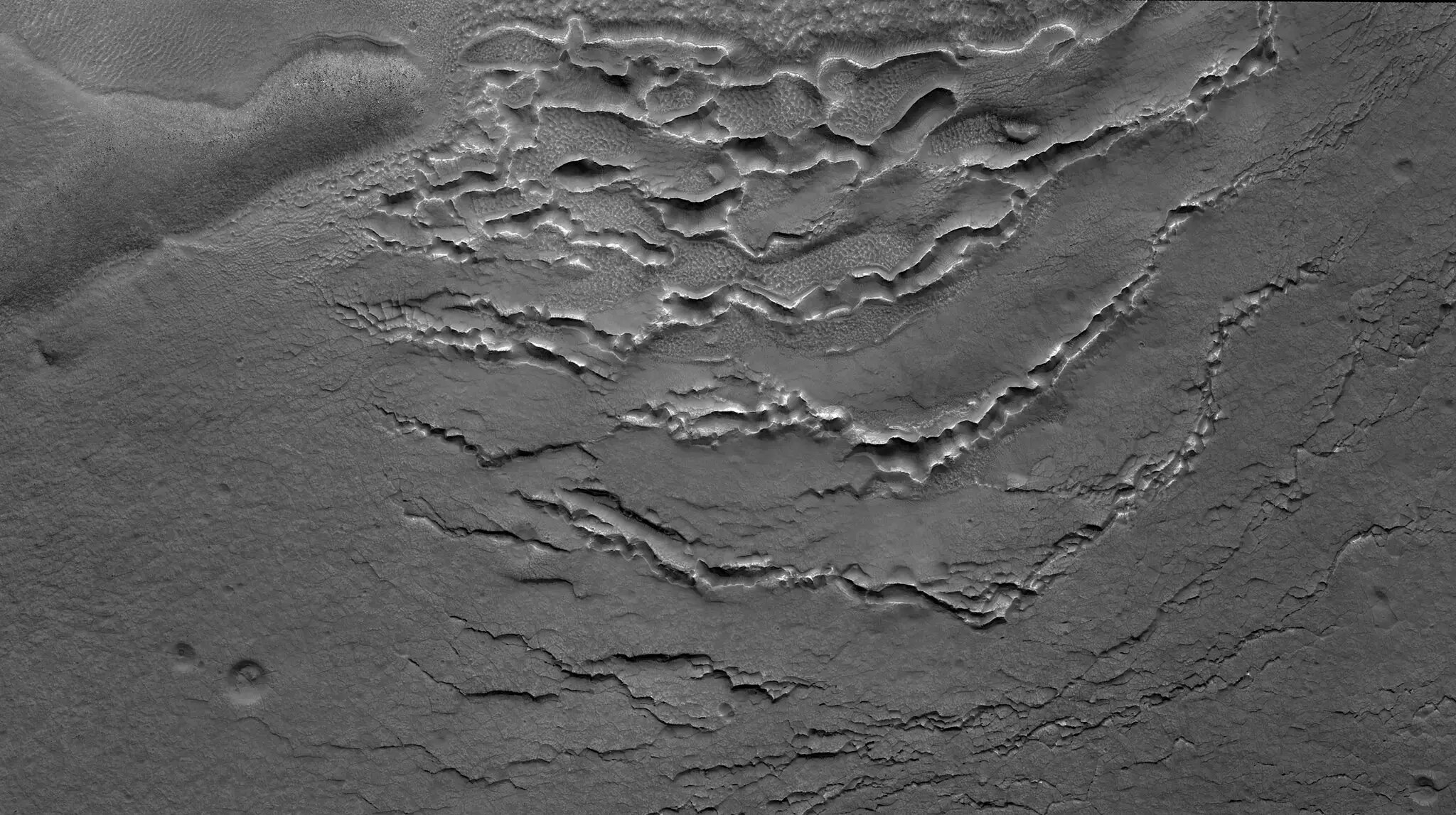
Life on Mars? Australian rocks may hold clues for Nasa rover Rocks in the Australian Outback dating back 3.5 billion years may help scientists work out whether there has ever been life on Mars. Researchers studying the Australian rocks say only ancient microbes could have shaped them the way they are…more
-BBC
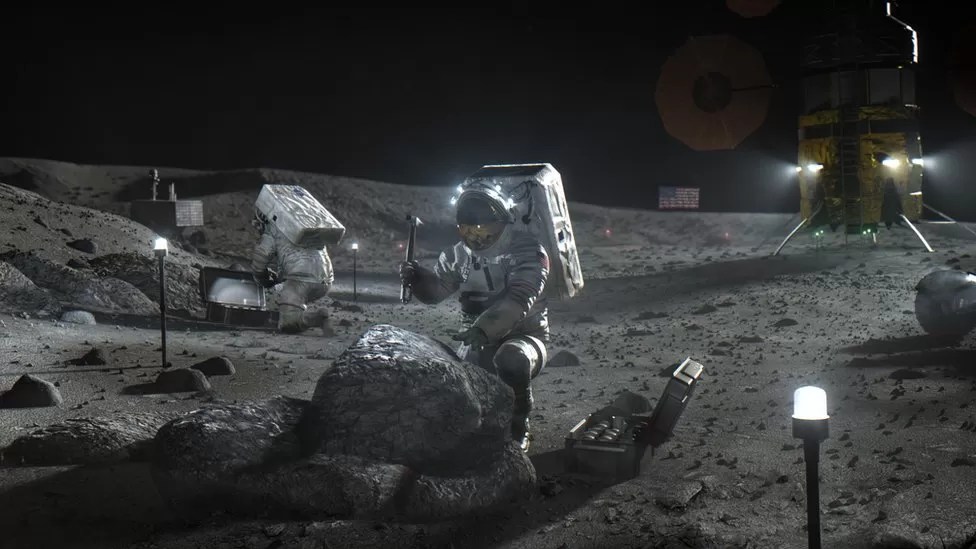
Water on the Moon could sustain a lunar base Having dropped tantalising hints days ago about an “exciting new discovery about the Moon“, the US space agency has revealed conclusive evidence of water on our only natural satellite. This “unambiguous detection of molecular water” will boost Nasa’s hopes of establishing a lunar base…more
-NASA
The Ethiopian scientist on the search for water on the moon Without water there can be no life. Whether humans are on the Earth or elsewhere in the universe, that axiom remains the same. Nasa’s Artemis 1 rocket was finally launched this week – the start of an ambitious space exploration programme that is designed to take humans back to the moon and beyond…more
-NYT
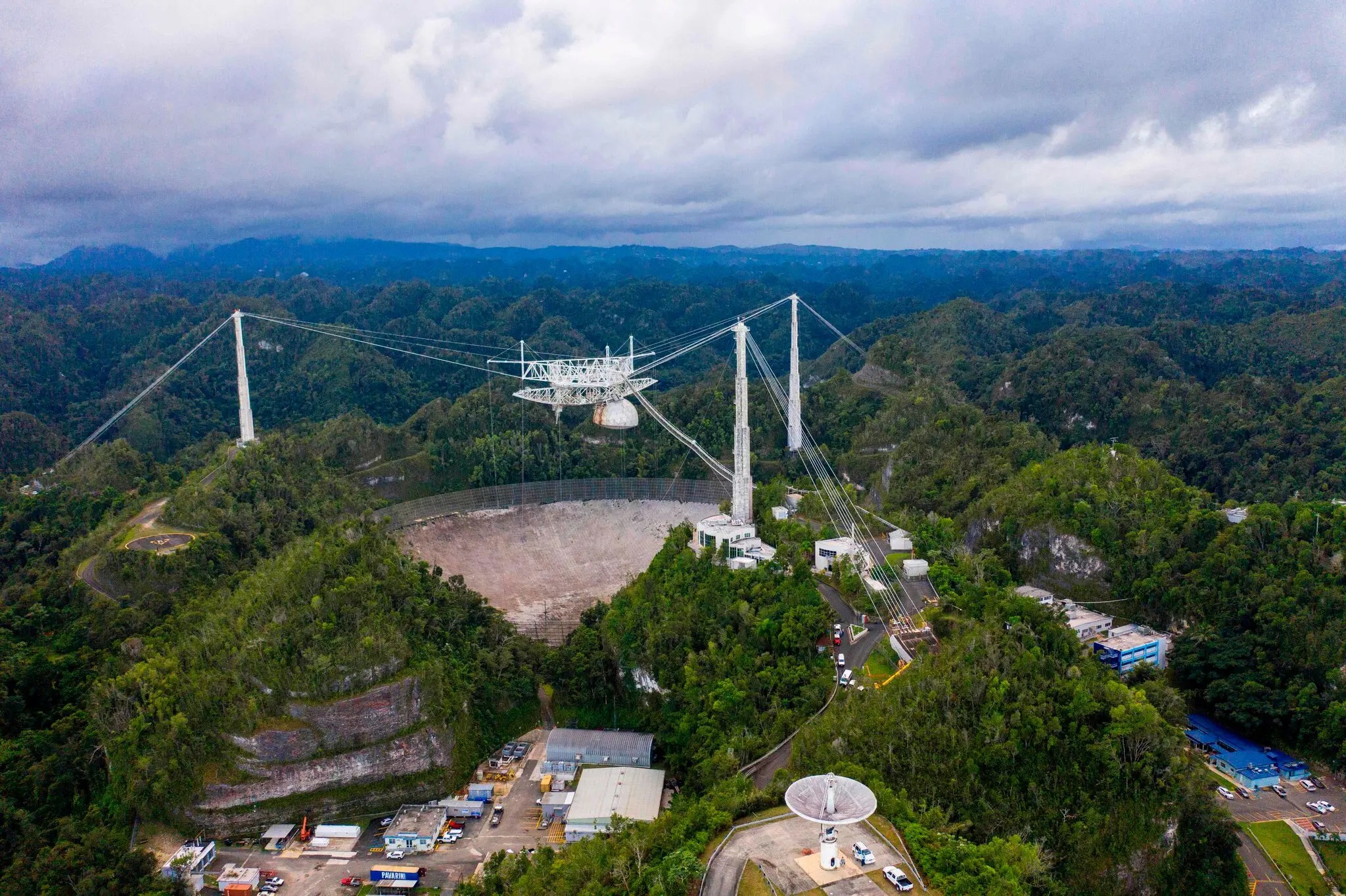
Requiem for a Telescope When the giant Arecibo Observatory in Puerto Rico collapsed in December 2020, it punched a hole in astronomy. For half a century Arecibo was the mightiest telescope on the planet. One thousand feet wide, it listened to radio signals from the stars — as well as from pulsars, planets, asteroids and more — for any hints of intelligent life…more
-NYT
House-Hunting on Mars Has Already Started The neighborhood is a wild card, and moving there is bound to be expensive. But one of the best options for shelter when humans finally make it to the red planet will be subterranean caves. These rocky hollows, which exist in droves on both Earth and the moon, are natural buffers against the harsh conditions of Mars…more
-NYT
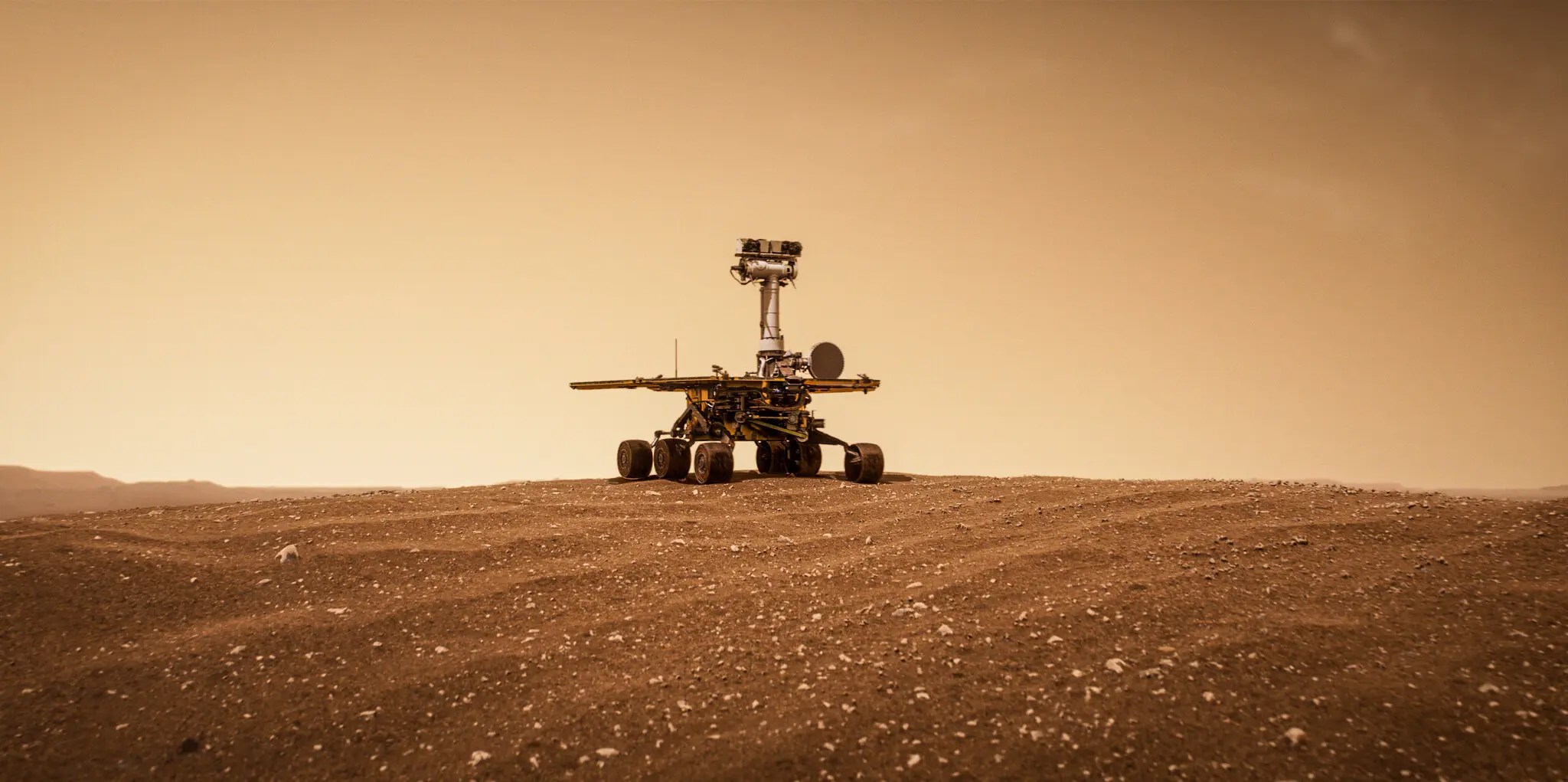
‘Good Night Oppy’ Review: Life (Kind of) on Mars NASA’s Opportunity Rover landed on Mars in January 2004 and chugged along for more than 14 years before giving out. (In February 2019, NASA declared the mission over.) Opportunity’s anticipated time in service — a span that Steve Squyres, the principal investigator for the mission, is heard likening in “Good Night Oppy” to a warranty…more
-NASA
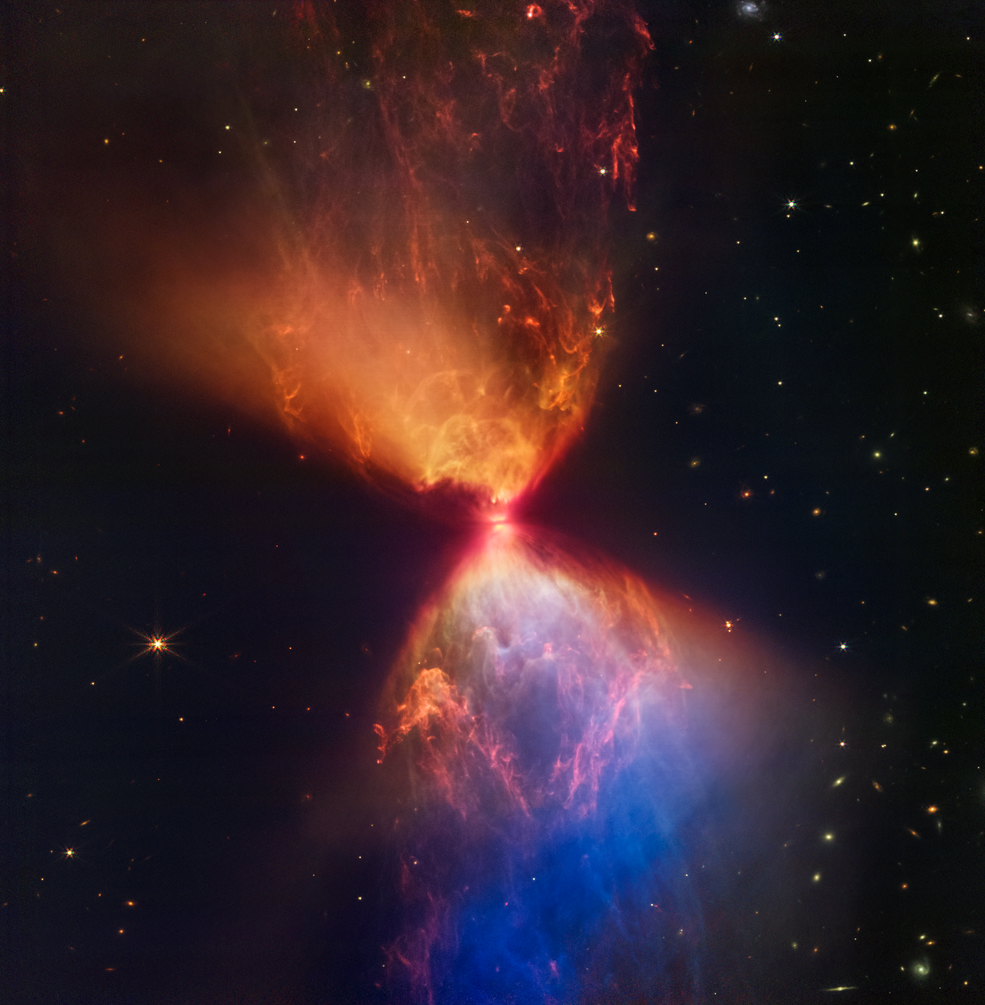
NASA’s Webb Catches Fiery Hourglass as New Star Forms NASA’s James Webb Space Telescope has revealed the once-hidden features of the protostar within the dark cloud L1527, providing insight into the beginnings of a new star. These blazing clouds within the Taurus star-forming region are only visible in infrared light, making it an ideal target for Webb’s Near-Infrared Camera (NIRCam)…more
-BBC
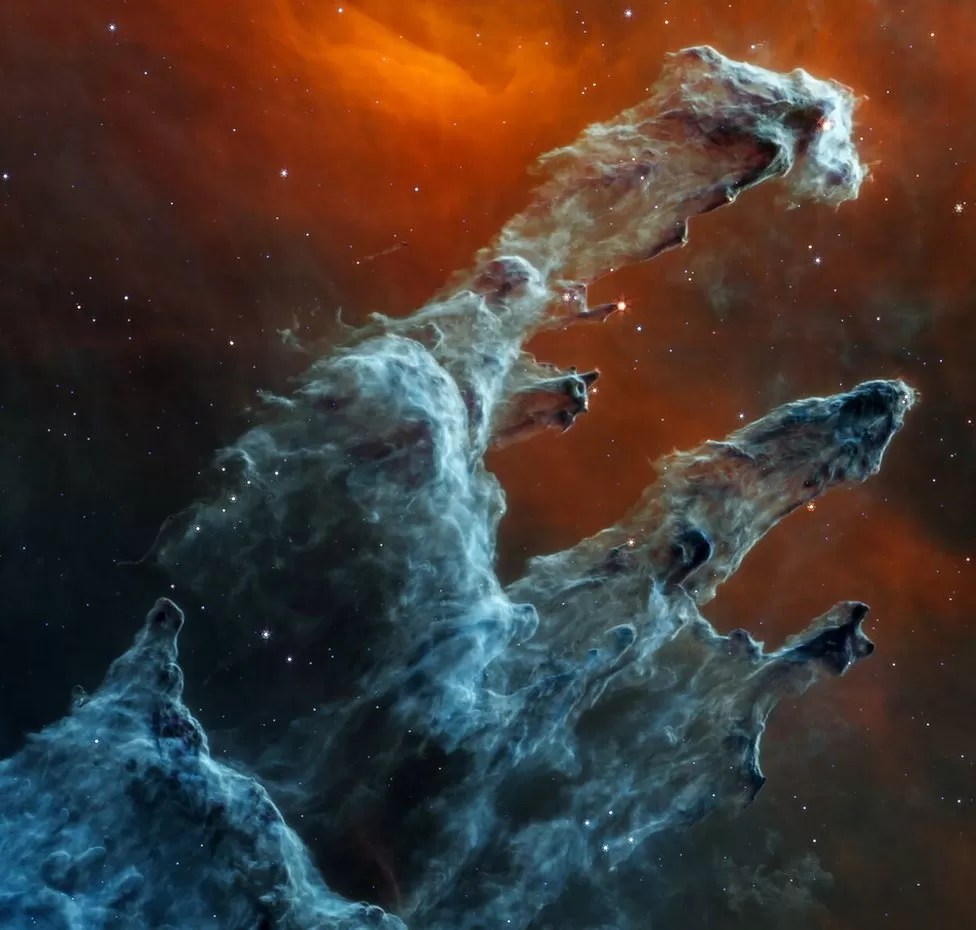
James Webb telescope’s ghostly ‘Pillars of Creation’ Why satisfy yourself with one course when you can have a double helping? The US space agency Nasa has issued a second image of the famous “Pillars of Creation” taken by the new super space telescope, James Webb. This week we get a rendering of the active star-forming region as seen by Webb’s Mid-Infrared Instrument (MIRI)…more
by Rex Parker, PhD director@princetonastronomers.org
Return to Peyton Hall, Nov 8 (7:30pm). At long last we will meet again in person at Princeton University’s Peyton Hall auditorium for our next get together on Nov 8. Peyton has been the home of Princeton Astrophysics for over 55 years. An interesting history of Peyton presented by Prof. Ed Jenkins in Dec 2016 recalls some of the famed astronomers who have graced its halls. See this link: https://www.youtube.com/watch?v=91inLzBk-pQ
Since we’ll be back on home turf, it’s appropriate that the guest speaker will be Prof. Michael Strauss, Chair of the Dept of Astrophysical Sciences at Princeton. See the article below from Victor for more information on the talk. The University asks us to park (for free) in the new garage at 148 Fitzrandolph Rd, at the corner of Faculty and Fitzrandolph Rd. This is fitting, as the new garage is where Fitzrandolph Observatory was in the olden days. Important: arrive about 15 minutes early, as parking and walking to Peyton will take a good 15 minutes; see the walking map in Victor’s article below. It’s essential to be aware of the COVID policy, below. For those who cannot attend in person, Ira and Dave are working on setting up the tech for a Zoom “hybrid” meeting format from the auditorium. But if you can attend, we really want to see you there in person on Nov 8!
Princeton’s COVID policy. AAAP members and public attending our meeting at Peyton Hall must abide by Princeton’s current rules. The University requires all visitors to be either fully vaccinated, have recently received and be prepared to show proof of a negative COVID test, or agree to wear a face covering when indoors and around others. Conveners of meetings and hosts may continue to ask for proof of vaccine or attestations, though they are no longer required. See the full policy here: https://covid.princeton.edu/visitors
Lunar south pole observing challenge. The Artemis lunar rocket launch date has been reset for Nov 14. The lunar south pole observing challenge remains right in front of us. The degree of difficulty is surprisingly high because most phases of the moon do not present the area close to the south pole to earthly observers – the pole is over the horizon. Lunar libration presents the south pole craters to our view only a couple of nights each month. See my articles in the last 2 month’s Sidereal Times for more information on the south polar region and the ongoing challenge.
The November 2022 meeting of the AAAP will take place IN PERSON on Tuesday, November 8th at 7:30 PM. As usual, the meeting is open to AAAP members and the public.
Hybrid Meeting
You may choose to attend the meeting in person or participate via Zoom or YouTube as we’ve been doing for the past few years. (See How to Participate below for details). Participants who choose to participate virtually will be able to log in to the meeting as early as 7:00 pm to chat informally with others who log in early. We’ve had some security concerns during a past broadcast, so we are re-instituting the Zoom waiting room. Please be patient for the host to recognize you and grant you entry into the meeting. Be aware that you must unmute yourself to be heard by other participants.
For the Q&A session, you may ask your question using Zoom’s chat feature or you may unmute yourself and ask your question directly to the speaker. To address background noise issues, we are going to follow the rules in the table below regarding audio. If you are not speaking, please remember to mute yourself. You are encouraged, but not required, to turn your video on.
Meeting Event
~Time
Participant Can Speak?
Participant Can Self-Unmute?
Pre-meeting informal chatting
7:00 – 7:30
Start All on Mute
Yes
Director Rex’s General Remarks
7:30 – 7:40
Start All on Mute
Yes
Program Chair Victor’s Speaker Introduction
7:40 – 7:45
Start All on Mute
Yes
Speaker Presentation: Prof. Michael StraussThe First Black Holes in the Universe:Searching for the Highest-Redshift Quasars
7:45 – 8:45
No
No
Q&A Session
8:45 – 9:00
Start All on Mute
Yes
Biobreak/Book signing
9:00 – 9:20
Yes
Yes
“Unjournal Club” – No presentation scheduled
N/A
Start All on Mute
No
Business Meeting
9:20 – 9:50
Start All on Mute
Yes
Director’s remarks/Informal chatting
9:50 – 10:00
Start All on Mute
Yes
Getting to Peyton Hall
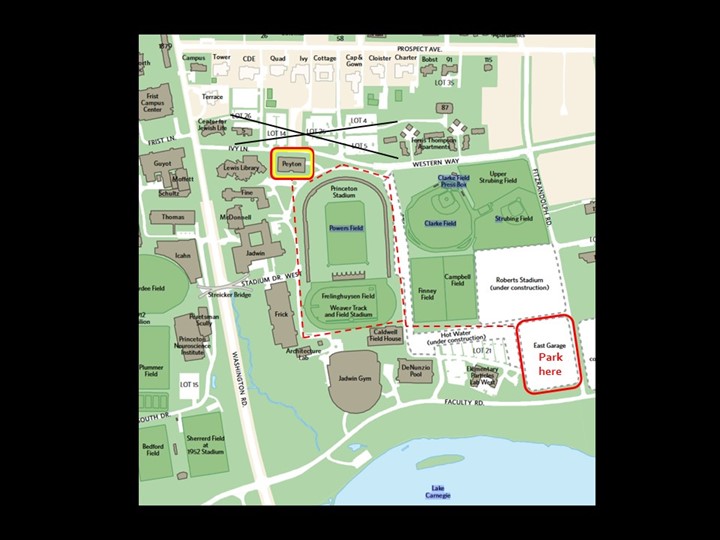
The parking lots across the street (Ivy Lane) from Peyton Hall are now construction sites, unavailable for parking. We’ve been advised by the administration of the astrophysics department that we should park in the new enclosed parking garage off Fitzrandolph street and walk around the stadium and athletic fields. Here’s a map of the campus and walking routes from the parking garage to Peyton Hall. The map shows the recently completed East Garage. Not shown is an access road Sweet Gum that connects from Faculty Road to an entrance at the lower left corner of the garage. Stadium Road connects from Fitzrandolph Road to another entrance at the opposite corner (and higher level) of the garage.
Recent reconnaissance visits to campus show that the walk from the parking garage to Peyton Hall takes about 15 minutes. We will post small signs marking the path.
“Meet the Speaker” dinners
Along with our return to Peyton Hall, we are re-instituting our “Meet the Speaker” dinners at Winberie’s Restaurant & Bar at One Palmer Square. The restaurant has a meeting room that accommodates up to 30 people. I have reserved this room for 5:45 pm on meeting night. Please contact me by phone or email if you are planning to attend.
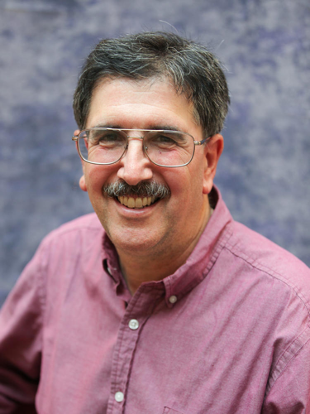
Featured Speaker: Michael Strauss, PhD
Professor and Chair,
Department of Astrophysics, Princeton University
strauss@astro.princeton.edu
The First Black Holes in the Universe: Searching for the Highest-Redshift Quasars A quasar, we now know, is a galaxy in which gas is falling into the central supermassive black hole. The glowing of that gas before it passes the event horizon is so energetic that it can outshine the rest of the galaxy. Prof. Strauss will describe the search for the most distant, and thus highest-redshift, quasars in the universe, corresponding to a time less than a billion years after the Big Bang. Using a wide variety of telescopes, Dr. Strauss and his colleagues are exploring the properties of these quasars with the aim of understanding how the black holes formed and grow and the relationship between them and the galaxies in which they reside. The James Webb Space Telescope promises to give more insights to the question: How did a black hole with a mass of over a billion solar masses grow in less than a billion years after the Big Bang?
Michael Strauss, PhD Michael Strauss is professor and chair of the Department of Astrophysical Sciences at Princeton University. He earned his PhD from the University of California at Berkeley in 1989, and did postdoctoral stints at Caltech and the Institute for Advanced Study before coming to Princeton. His research uses wide-field surveys of the sky to study the nature and evolution of galaxies and quasars, and to measure the large-scale structure of the universe to explore fundamental questions of cosmology. He has served as Vice President of the American Astronomical Society, Deputy Project Scientist for the Sloan Digital Sky Survey, and Chair of the Science Advisory Committee of the Vera Rubin Observatory.
“Welcome to the Universe” – Book Signing The universe is awesome. That’s very much preaching to the choir in this club, but to the public at large, that can be a tough sell. Empowering undergraduates to understand the universe was the purpose astrophysicist and director of undergraduate studies Neta Bahcall had in mind when she selected tonight’s guest speaker Michael Strauss, his Princeton colleague J. Richard Gott and science explainer and director of the Hayden Planetarium Neal deGrasse Tyson to devise and teach an undergraduate course to non-science majors at Princeton University. The course became enormously popular, and eventually the basis of several books giving a tour of the universe from an astronomical point of view. In due course (couldn’t resist), Princeton colleague (and AAAP member) Robert Vanderbei came on board to help visualize astronomical phenomena in three dimensions. At November’s meeting, a representative of Labyrinth Books will be selling copies of “Welcome to the Universe…” in three of its variations, and Profs. Strauss and Vanderbei will be on hand to sign them.
How to Participate if you are attending via Zoom:
Please make sure you have Zoom installed on your computer. You do not need a Zoom account or to create one to join the meeting. Nor are you required to use a webcam.
Please see below for the link to the meeting, or visit our website.
AAAP webcast: This month’s AAAP meeting, beginning with Rex’s opening remarks and ending at the beginning of the business meeting, will be webcast live on YouTube and recorded for subsequent public access on AAAP’s YouTube channel. Be aware that your interactions during this segment, including questions to our guest speaker, may be recorded for posterity.
Join YouTube Live to listen to the speaker using the link below –
This session will be recorded and saved on YouTube. Send me an email at program@princetonastronomy.org if you have any concerns.
“Unjournal Club”
There is no “Unjournal Club” presentation scheduled this month. As you may know, guest speakers receive a baseball cap with the AAAP logo embroidered upon it as a “thank you” for making a presentation to us. We’re expanding the hat giveaway to members who contribute an “Unjournal Club” presentation to encourage participation.
We hope to make these short presentations a regular feature of our monthly meetings. We’d like to know what members are doing or what members are thinking about in the broad range of topics encompassed by astronomy. A brief ten-minute (or so) presentation is a good way to introduce yourself and the topics you care about to other club members. If you are interested in presenting a topic of interest, please contact either director@princetonastronomy.org or program@princetonastronomy.org.
A look ahead at future guest speakers:
December 13, 2022
Ira Polans, former Program Chair of AAAP Rising nearly 400 feet above the desert floor in a remote section of ancient Anasazi territory in New Mexico is a sacred Native American site that a thousand years ago revealed the changing seasons to Anasazi astronomers. Ira will present a documentary film about the “Sun Dagger” and talk about indigenous people of New Mexico. Note that this film is solely for viewing by in-person members, as copyright restrictions will not permit broadcasting it on the internet.
January 10, 2023 Virtual meeting
Alyssa Pagan, Space Telescope Science Institute Alyssa works to process the JWST images that have been leaving us sockless. She’ll talk about JWST and her work turning its data into images. This meeting will be virtual only, while renovations to Peyton Hall’s lecture hall are completed.
February. 2023
Jenny Greene, Princeton University Professor of Astrophysics Jenny recently wrote an article on middleweight black holes for Sky & Telescope. She will discuss the contents of her article.
March 14, 2023
Joe DePasquale, Space Telescope Science Institute Joe is Senior Data Imaging Developer in the Office of Public Outreach at the Space Telescope Science Institute. A colleague of Alyssa’s, Joe will describe his work turning JWST data into images.
April-May, 2023
TBA
June 13, 2023
Bill Murray, AAAP’s Outreach Director and staffer at NJ State Museum planetarium Bill will give his traditional planetarium show at the New Jersey State Museum in Trenton.
As always, members’ comments and suggestions are gratefully accepted and much appreciated.
The meeting was convened on Zoom by Director Rex Parker at 1929. He briefly described his agenda items:
Next month we return to Peyton Hall. Michael Strauss, Department Chair of Astrophysics at Princeton University, invited us back and will be our in-person speaker on November 8.
The Lunar South Pole Challenge is still alive, noting that it is turning out to be even more challenging than he thought. The NASA Artemis Program is targeting the south pole due to water being discovered in Permanently Shaded Regions there, but that area is barely viewable even when the Moon librates, or wobbles upward a bit. Members are challenged to view or image as near to Shackleton Crater as we can.
Program Chair Victor Davis introduced Speaker Dr. Avi Loeb at 2034 and he began his talk, “The Galileo Project: In Search of Technological Interstellar Objects,” with 79 people logged onto Zoom. The Galileo Project has been formed at Harvard University with non-government funds. It intends to make the search for objects that are signatures of extraterrestrial technology fully transparent and scientific. Much of his talk was based on his book, Extraterrestrial: The First Sign of Intelligent Life Beyond Earth. He makes a compelling case for Oumuamua being other than a rock, and whether or not one buys into his conclusion he well makes the point that if we are always expecting to see a rocky asteroid or icy comet, we will never be able to see anything else. He is very troubled about how mainline science only funds “safe” research and that stifles curiosity and outside-the-box thinking in young researchers. Furthermore, social media promotes herd mentality. He said that he is willing to risk his reputation, as a soldier might lay upon barbed wire to allow others to cross unharmed. He finds manned exploration unfeasible and advocates sending herds of self-replicating AI astronauts into the galaxy.
Questions ran from 2030 to 2100, then the meeting reconvened at 2105 with 56 attending on Zoom.
The AAAP was organized in 1962, and we have met very nearly every month since. Some ideas for how to commemorate our 60th Anniversary have been put forward, but more are being sought. Please send ideas to Surabhi at editors@princetonastronomy.org.
The AAAP Merchandise Shop now has “Anniversary” logo items that were very cleverly designed. The words “Since 1962” have been added, so that it celebrates our longevity from this time forward. The logo does not “date” things to 2022. The link to the shop is found under the Members tab on the website.
Back to Peyton Hall for November, but Ivy Lane itself and the parking lots we used before the pandemic have been consumed by extensive campus construction that is expected to last years. Peyton Hall is no longer accessible from the north. The nearest parking is now the Stadium Drive Garage off Faculty Road, a fifteen-minute walk away. While that may limit participation by some, we feel we need to try. Renewing a connection to either the university or the IAS is important to maintaining our prestige. Subsequent visits have confirmed that we can accomplish hybrid (in-person plus Zoomed) meetings, although the exact hardware needed has yet to be finalized. The auditorium will be unavailable to us in January because its equipment is being “brought up to campus standards.” We expect that to help. Maps and explanations will be added to the website before the meeting.
Director Rex Parker reissued his Lunar South Pole Challenge and described the difficulties of viewing and imaging the very bottom of the Moon. The lower left corner of the two-page star chart in Sky & Telescope magazine gives the date of the most favorable lunar libration for specific polar features. He recommends the Virtual Moon Atlas (https://ap-i.net/avl/en/start) for well-labeled lunar observation. He also recommends taking an image into PowerPoint to label it, then back to jpeg. Member Tom Swords recommends a source of libration information (https://www.astropical.space/moon/libration_calendar_2022.pdf) combined with lunar illumination, because if too little of the Moon is lit by sunlight, nothing will be visible near the pole.
Member Michael DiMario reported that students have taken up the Lunar South Pole Challenge with the mammoth Yerkes 40 inch f/19 refractor.
Member Lisa Ann Fanning reported capturing a nice image of Jupiter at opposition with her cellphone, noting that Live Mode is actually doing some stacking.
Member Bob Vanderbei showed an image he made with a new diffraction grating that separates the OIII and Ha spectra. It required a 35 minute exposure to show distinct, displaced blue and red images (respectively) of the Ring Nebula, M57. If you missed it, or want to explore his work further, go to https://vanderbei.princeton.edu/images/NJP/m57.html
Freehold resident Dave Bates is moving out of the area and has graciously donated his Orion SkyQuest XT12i IntelliScope to the club. It is an older version of the current Model #10020, a 12” Dobsonian-mounted Newtonian reflector telescope with push-to computer guidance. After something like a decade of idleness it was adjuste d and recollimated in a couple of sessions by Member Tom Swords and Observatory Co-Chair Dave Skitt and the hand controller function was validated. Final laser collimation has been offered by Outreach Chair Bill Murray. It is being stored in the observatory and will be used in the adjacent field during Public Nights. It is very different from the other instruments that we own, so at the present time there is no intention to either sell or loan the scope.
Book recommendations included The Pope of Physics: Enrico Fermi and the Birth of the Atomic Age by Gino Segre and Bettina Hoerlin, Starry Messenger: Cosmic Perspectives on Civilization by Neil deGrasse Tyson, and The End of Astronauts: Why Robots Are the Future of Exploration by Donald Goldsmith and Martin Rees.
Attendance had dwindled to 40 by 2145 and the meeting was adjourned at 2201.
Our membership currently numbers 186. Those who joined this calendar year number 51, with 25 of them joining since our June meeting. While 88 have renewed, 54 have failed to renew, giving us a 62% retention rate year-to-date. Renewal reminder emails are continuing to encourage members to praise what is working for them and call our attention to what we might do better. Very few respond to that request.











 Featured Speaker: Michael Strauss, PhD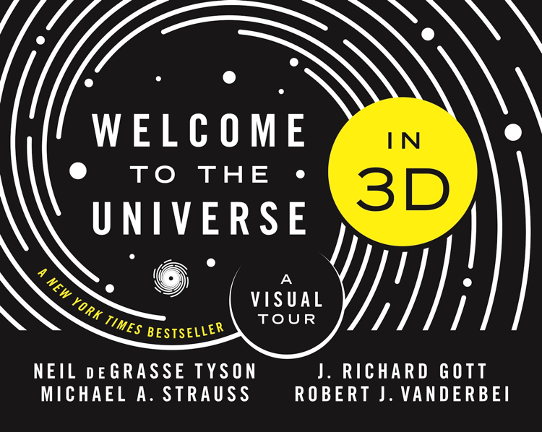



 Amateur Astronomers Association of Princeton