
compiled by Arlene & David Kaplan
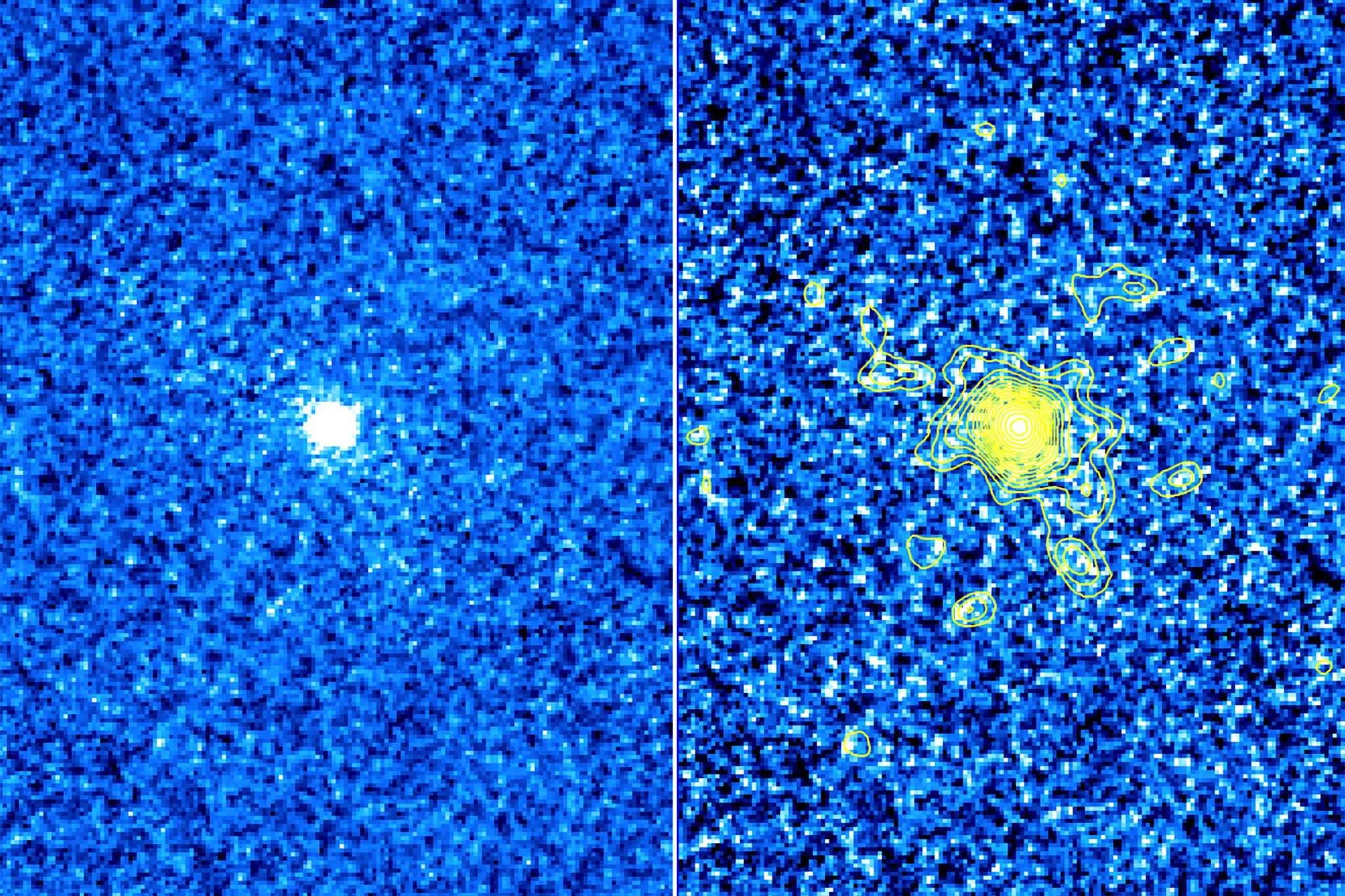
This Comet Stopped Spinning. Then It Started Rotating Backward. If you were standing on the surface of Comet 41P/Tuttle-Giacobini-Kresák nine years ago as it was getting closer to the sun, you might have been in for a shock. First, each day on the comet would have gotten drastically longer over a period of weeks, until the object’s rotation stopped dead — and then started going backward…more
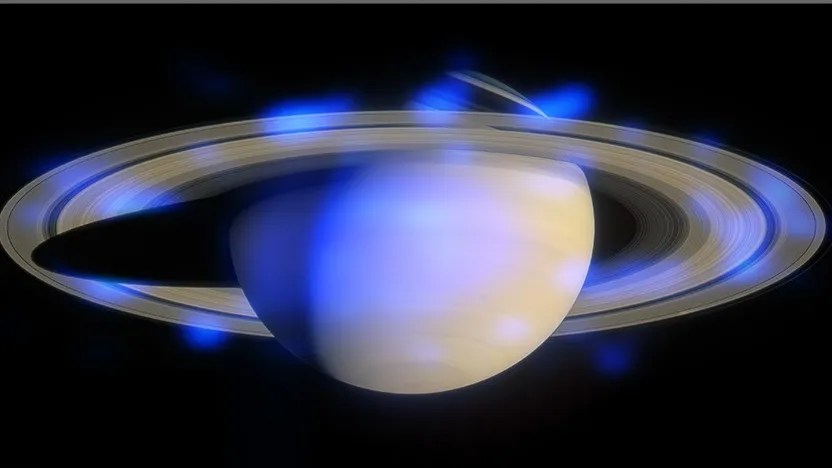
Real NASA space telescope data creates soundtracks for Jupiter, Saturn and Uranus NASA’s Chandra X-ray Observatory has transformed new telescope views of Jupiter, Saturn and Uranus from this month’s “planetary parade” into striking soundscapes — capturing everything from Jupiter’s crackling auroras to the sweeping arc of Saturn’s rings…more
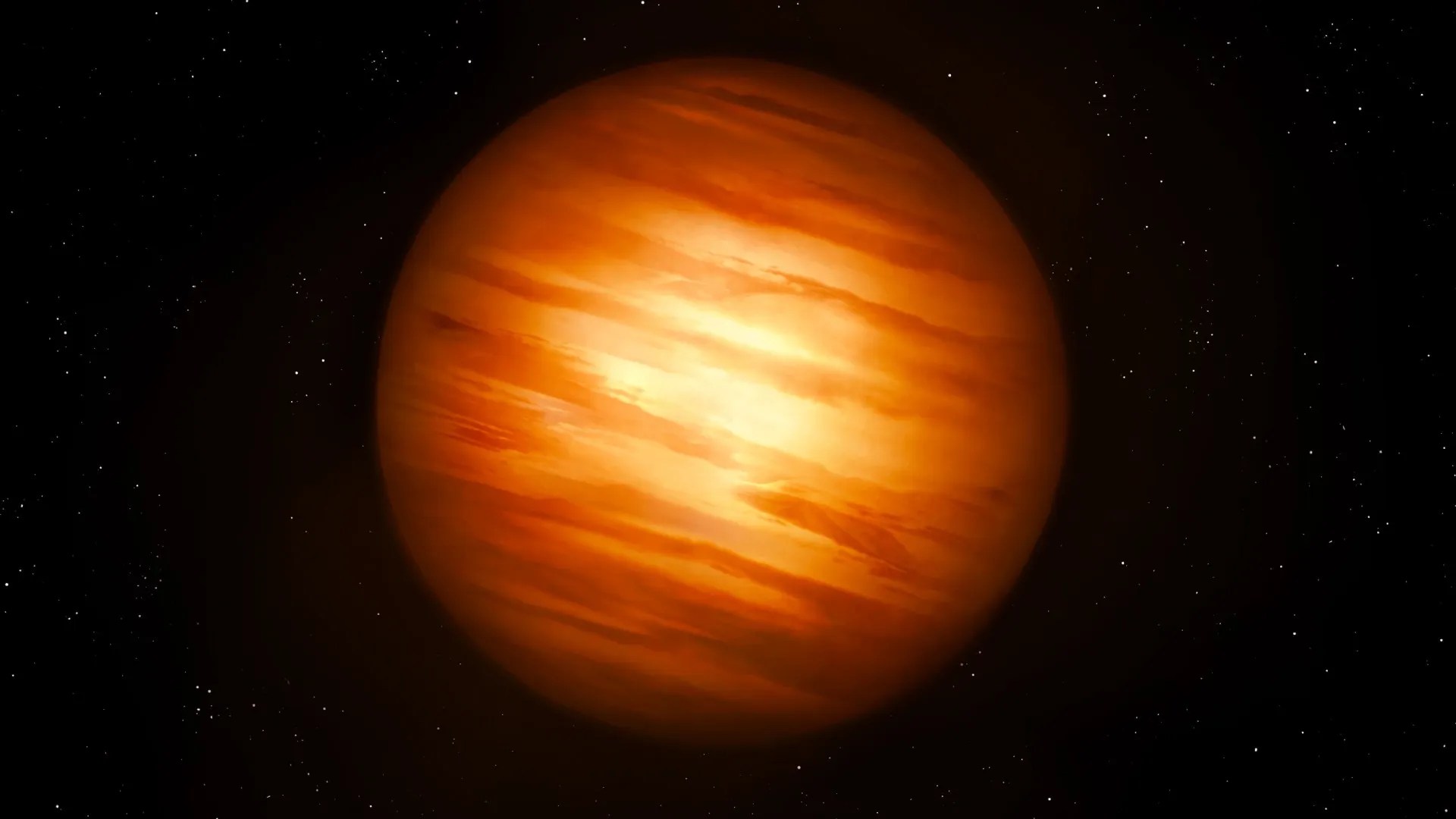
Could these weird stars just be overgrown planets? Many astronomical objects play by clear rules and fit into neat categories, but brown dwarfs (celestial objects too massive to be mere planets, but too small to be real stars) continue to refuse to cooperate. Astronomers recently studied a sample of 70 objects, ranging from Jupiter-mass planets to brown dwarfs that are right on the brink of stardom…more
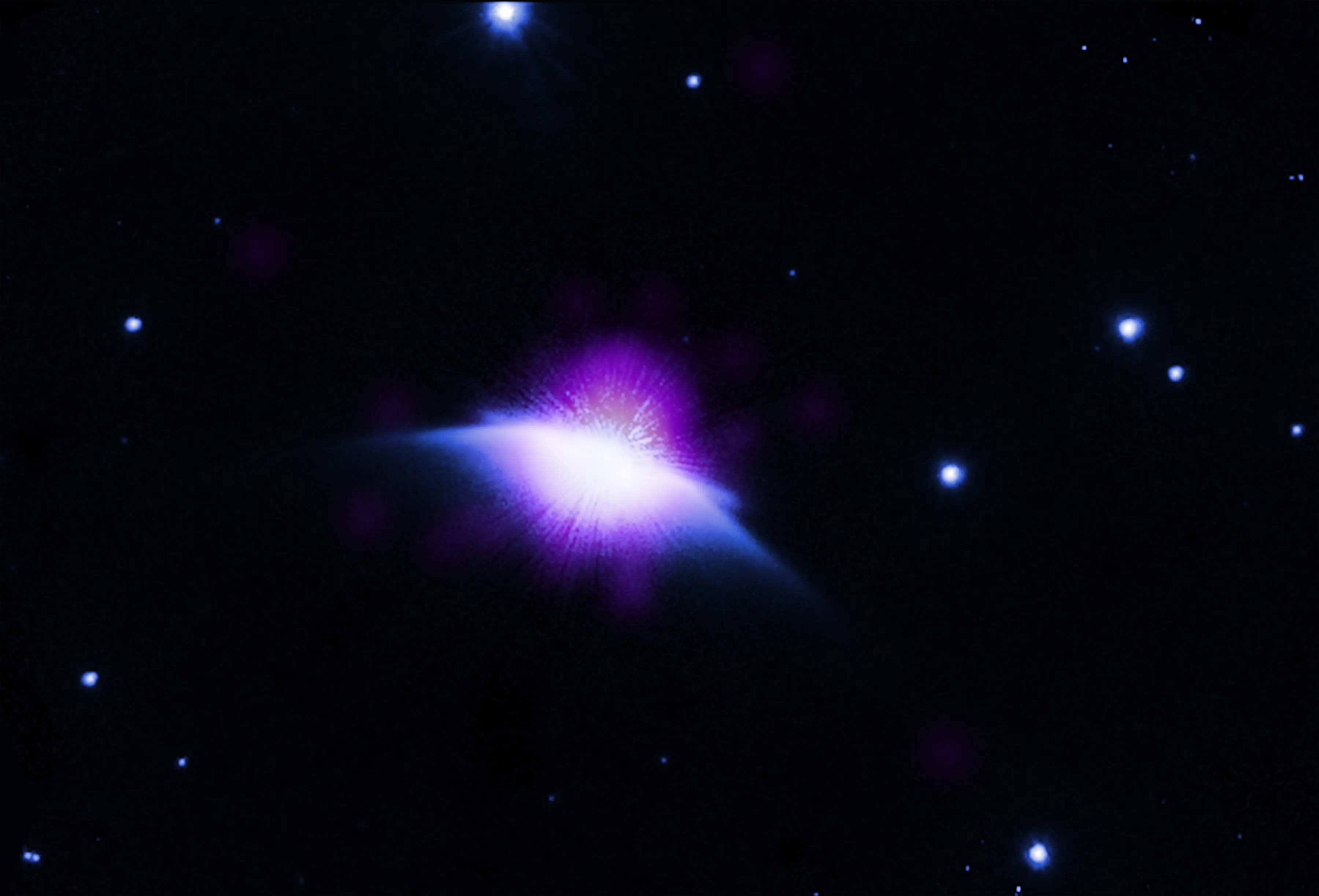
Young ‘Sun’ Caught Blowing Bubbles by NASA’s Chandra For the first time, a much younger version of the Sun has been caught red-handed blowing bubbles in the galaxy, by astronomers using NASA’s Chandra X-ray Observatory. The bubble – called an “astrosphere” – completely surrounds the juvenile star. Winds from the star’s surface are blowing up the bubble and filling it with hot gas as it expands…more
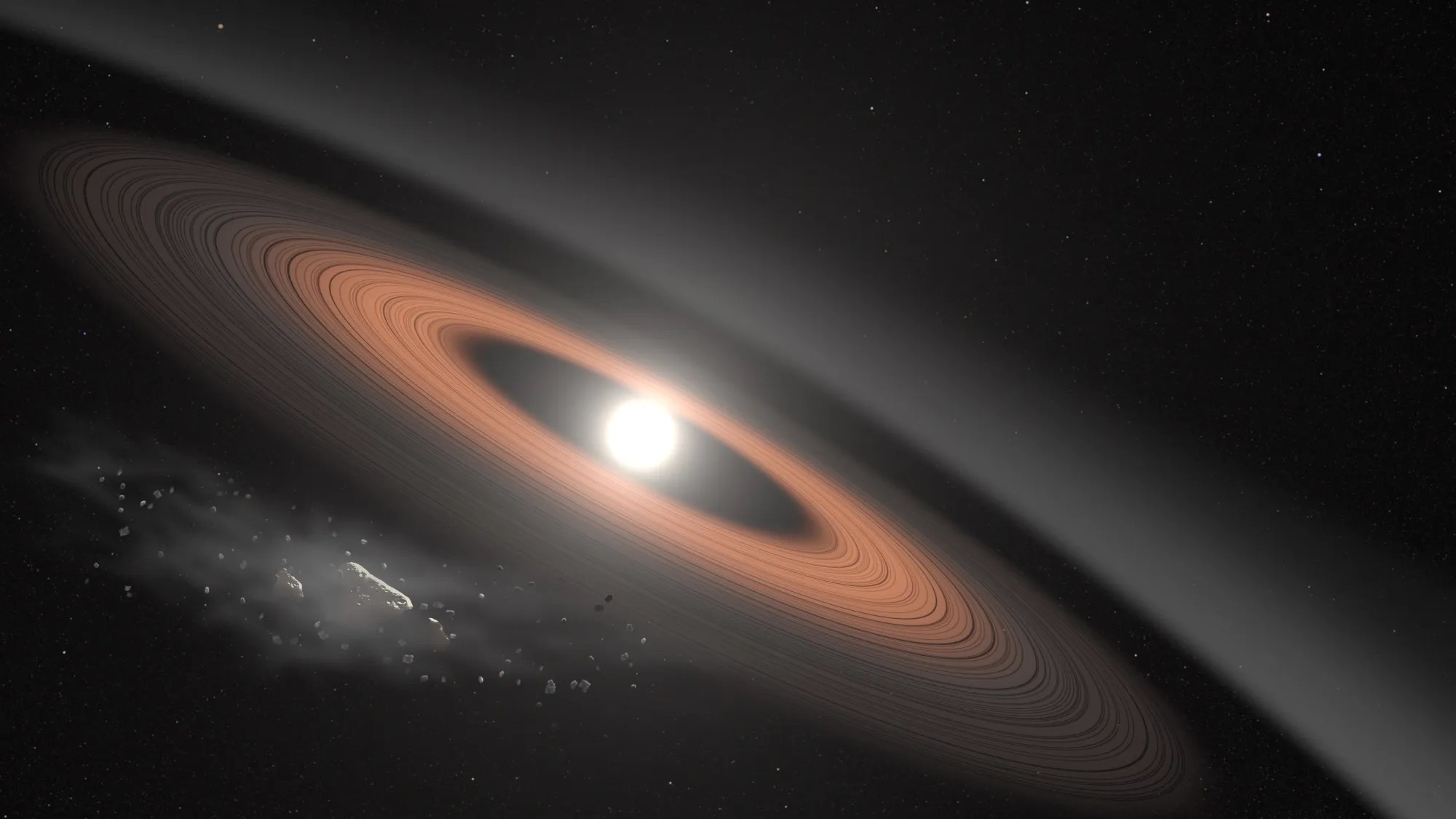
Citizen Scientist Finds Ancient White Dwarf Star Encircled by Puzzling Rings Since the Sun is so hot, how can it contain oxygen, carbon, and other elements without destroying them? If you were to take a random blob of gas and heat it to solar temperatures (roughly 10,000 degrees Fahrenheit [5,500 degrees Celsius] at the surface or over 27 million F [15 million C] in the core), two things would happen. …more
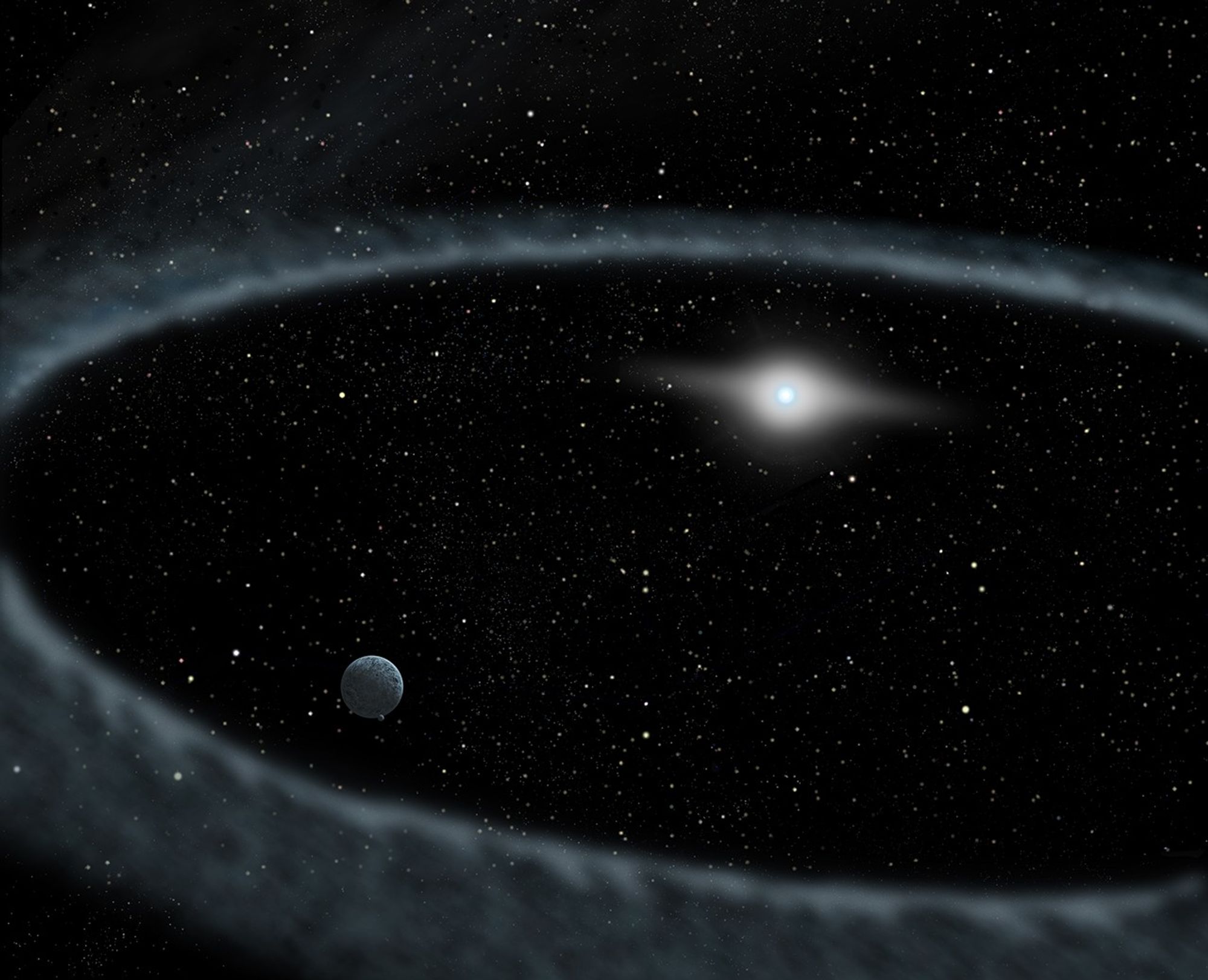
Elusive Planet Reshapes a Ring Around Neighboring Star NASA Hubble Space Telescope’s most detailed visible-light image ever taken of a narrow, dusty ring around the nearby star Fomalhaut (HD 216956), offers the strongest evidence yet that an unruly and unseen planet may be gravitationally tugging on the ring. Hubble unequivocally shows that the center of the ring is a whopping 1.4 billion miles (15 astronomical units) away from the star….more
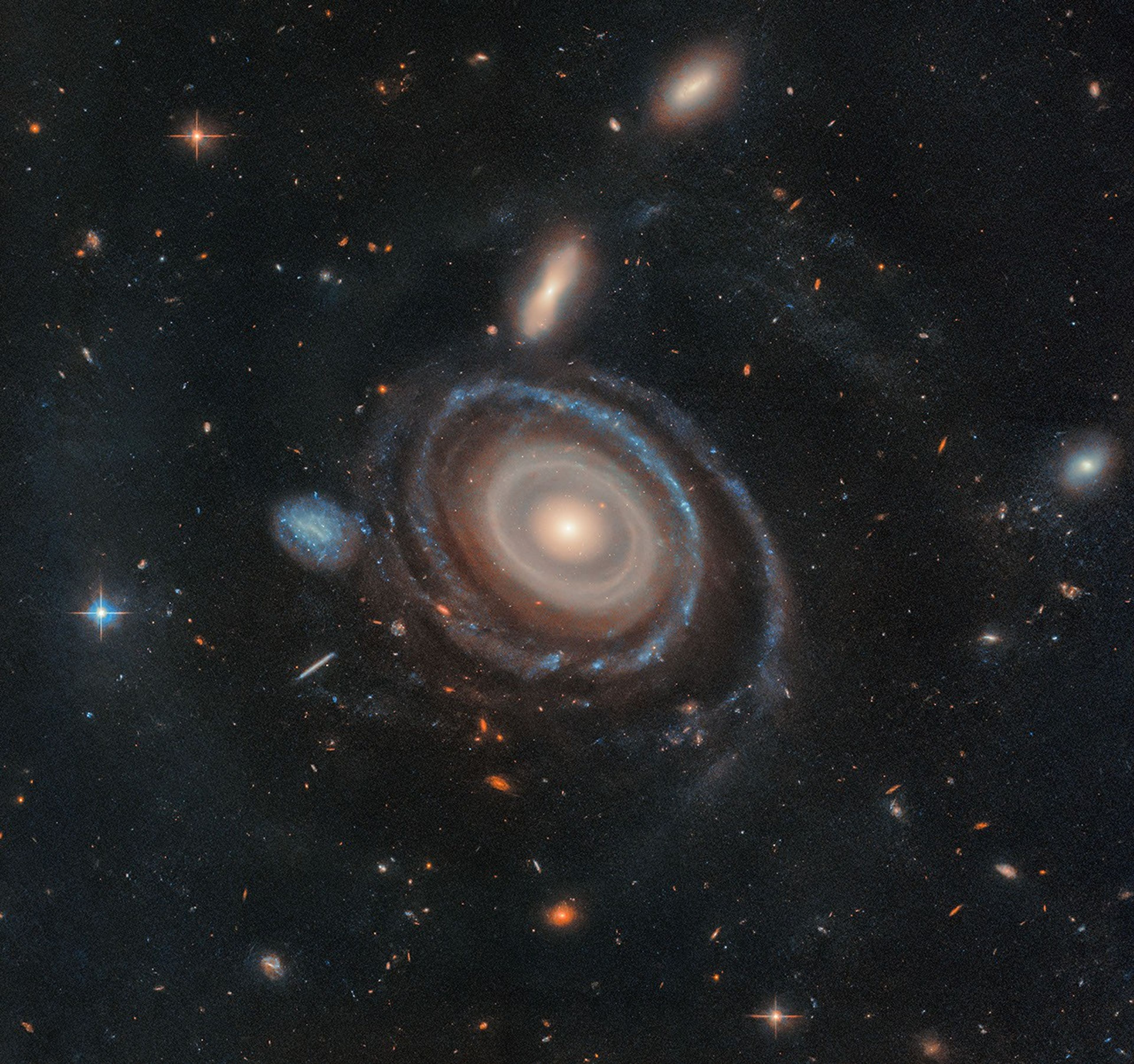
Straight Shot: Hubble Investigates Galaxy with Nine Rings NASA’s Hubble Space Telescope has captured a cosmic bullseye! The gargantuan galaxy LEDA 1313424 is rippling with nine star-filled rings after an “arrow” — a far smaller blue dwarf galaxy — shot through its heart. Astronomers using Hubble identified eight visible rings, more than previously detected by any telescope in any galaxy, and confirmed…more
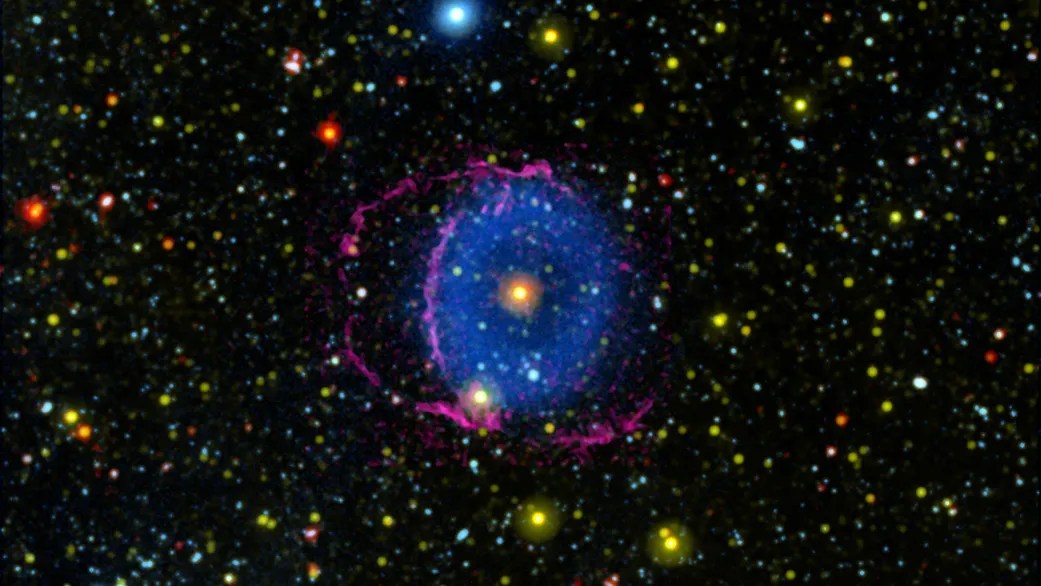
16-Year-Old Cosmic Mystery Solved, Revealing Stellar Missing Link The Blue Ring Nebula, which perplexed scientists for over a decade, appears to be the youngest known example of two stars merged into one. In 2004, scientists with NASA’s space-based Galaxy Evolution Explorer (GALEX) spotted an object unlike any they’d seen before in our Milky Way galaxy: a large, faint blob of gas with a star at its center. In the GALEX images, the blob appeared blue…more
NASA Reveals New Details About Dark Matter’s Influence on Universe With the Webb telescope’s unprecedented sensitivity, scientists are learning more about dark matter’s influence on stars, galaxies, and even planets like Earth. Scientists using data from NASA’s James Webb Space Telescope have made one of the most detailed, high-resolution maps of dark matter ever produced…more
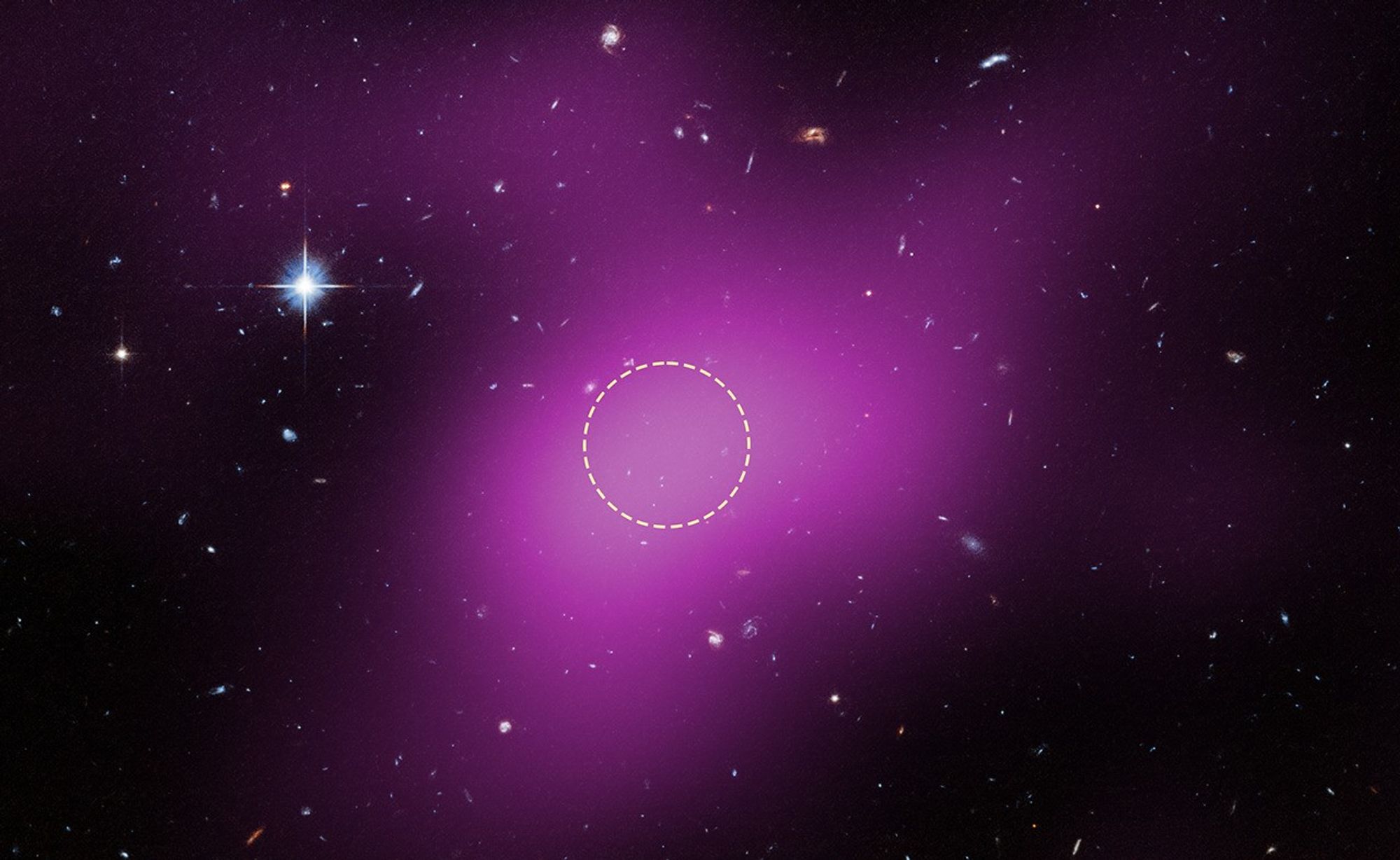
NASA’s Hubble Examines Cloud-9, First of New Type of Object Dark matter doesn’t emit light, it doesn’t absorb light and it doesn’t even block it, passing through ordinary matter like a ghost through walls (I’m very proud of that sentence.) Yet this invisible substance makes up roughly 85% of all matter in the universe, and its gravitational influence has shaped everything from galaxy clusters millions of light years across down to the rocky planet beneath our feet…more
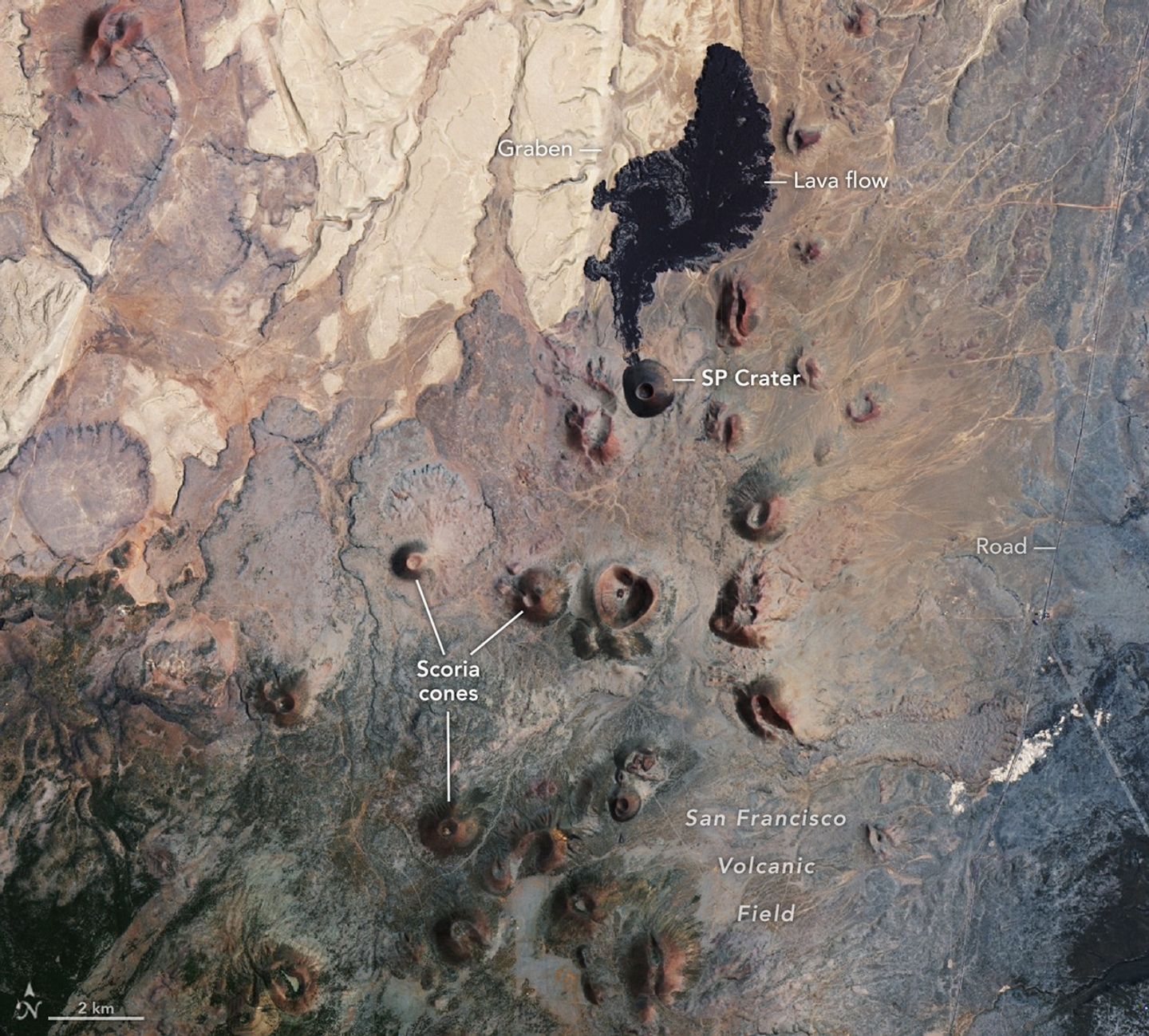
Scoria Cones on Earth and Mars Since the 1970s, planetary geologists have known that volcanic features cover large swaths of Mars. Early Mariner 9 images revealed massive shield volcanoes and lava plains on a scale unlike anything on Earth. Olympus Mons, the tallest volcano in the solar system, stands nearly three times higher than Mount Everest. Alba Mons, the planet’s widest volcano, spans a distance comparable to the length of the continental United States….more
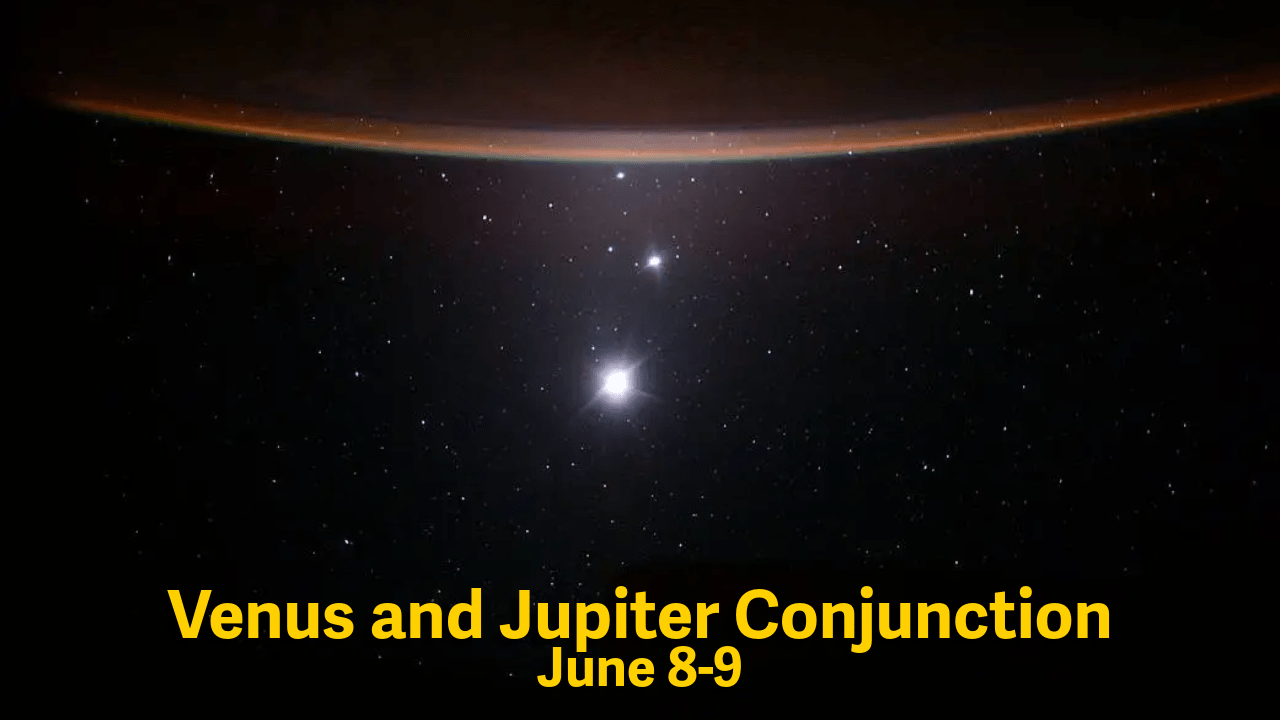
Most Notable 2026 Astronomical Events: A Year of Watching the Skies This year will be busy for avid skywatchers, with some incredible opportunities to view meteor showers, planets, and the Moon in the night sky. In 2026, we will also mark the 20th anniversary of NASA Marshall Space Flight Center’s Observatory. Originally established as an engine test site in 1958, it was converted to a solar observatory in 1968 to study the sun…more

 Amateur Astronomers Association of Princeton