
compiled by Arlene & David Kaplan
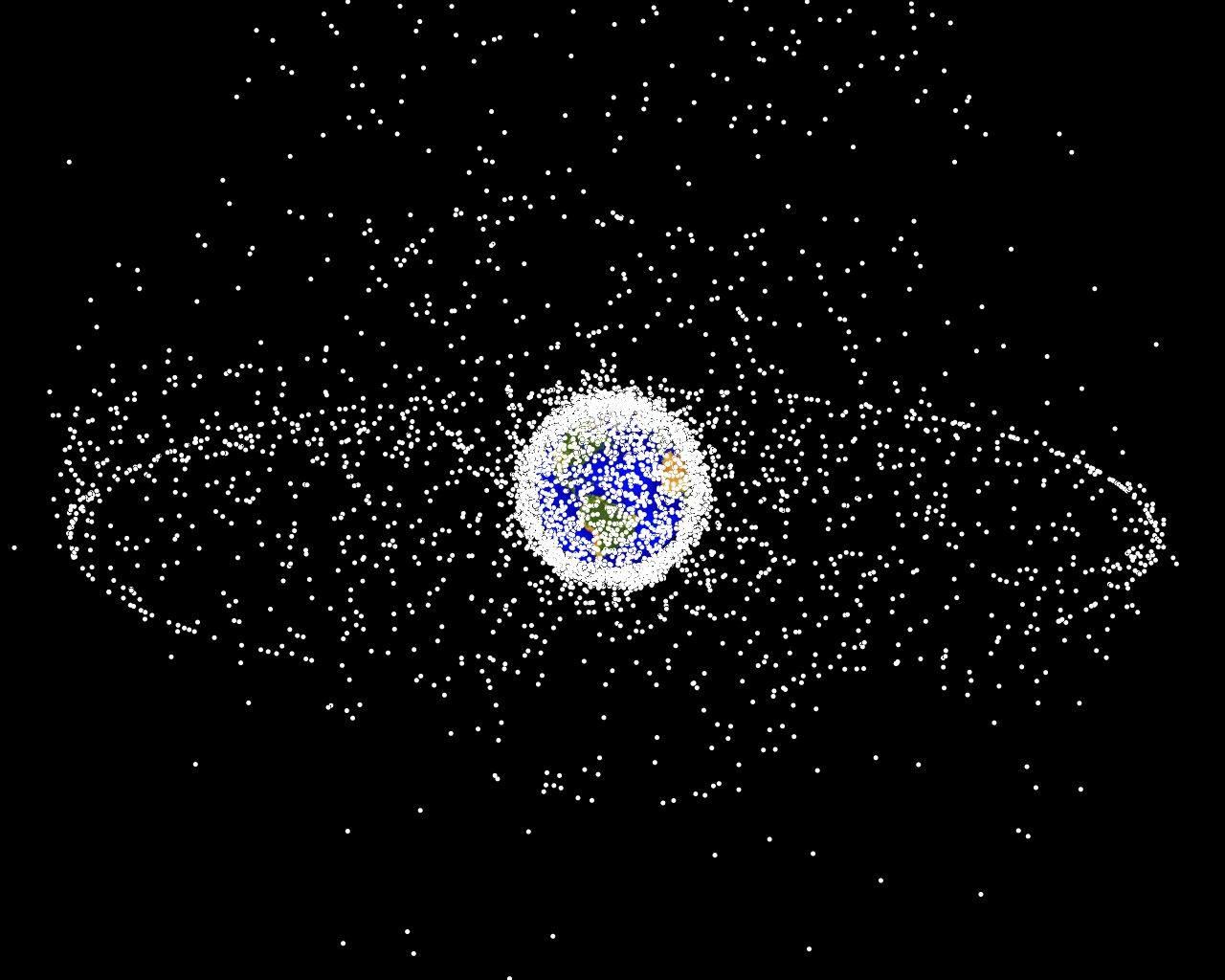
Now we can track space junk as it falls to Earth Seismometers — equipment designed to pinpoint earthquakes — are now being used to track the thousands of pieces of human-made objects abandoned in Earth’s orbit. Some of those items pose a risk to humans when they fall to the ground. To locate possible crash sites, Benjamin Fernando…more
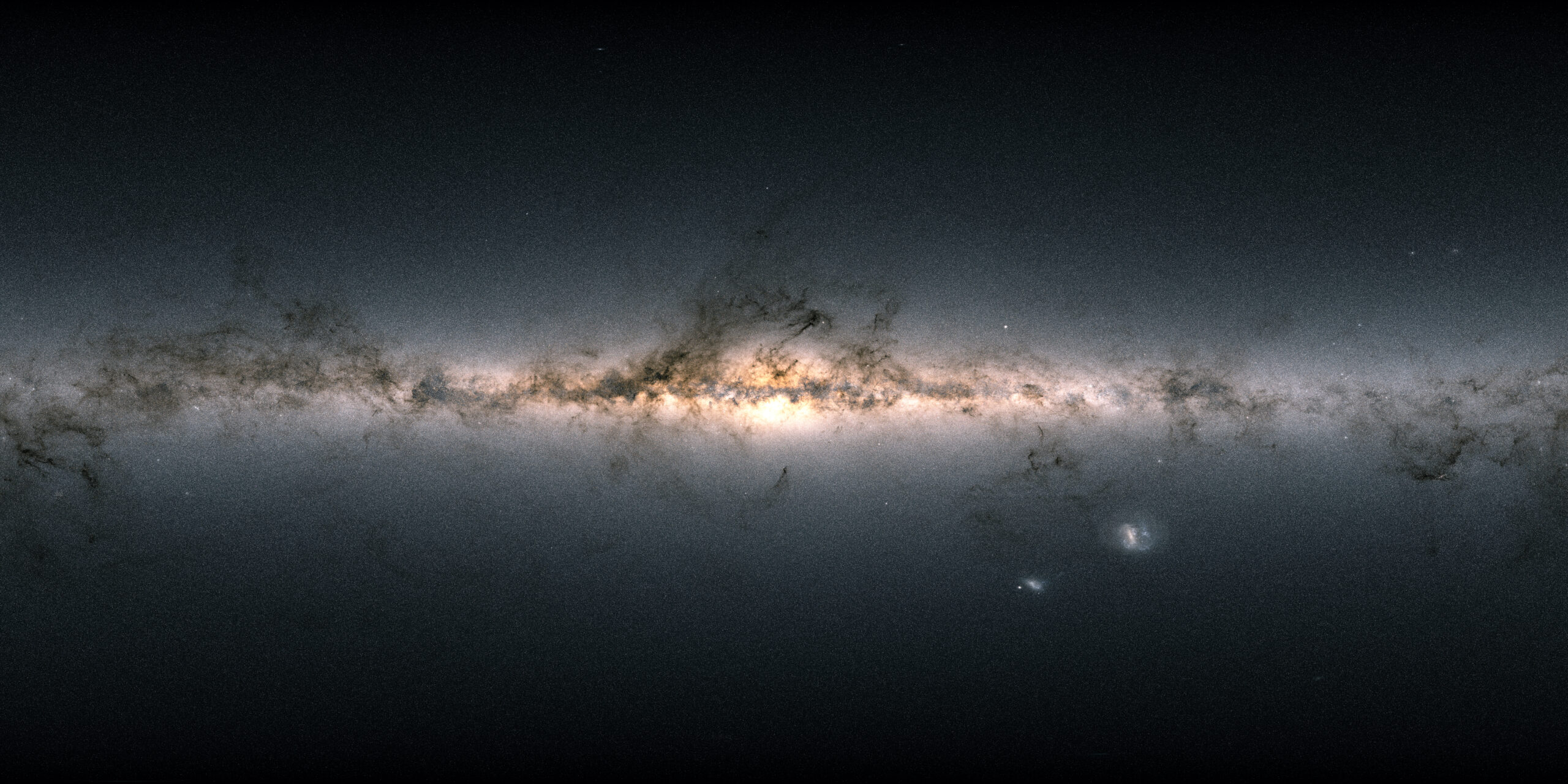
How Gaia revealed the Milky Way For more than a decade, Gaia mapped the brightness, motion, and composition of 2 billion stars. Its legacy is just beginning. On Jan. 15, 2025, the Gaia spacecraft took its last image. Then the craft ran a final round of engineering tests, fired its thrusters to leave Earth behind, and slipped into an orbit around the Sun, finally turning off on March 27…more
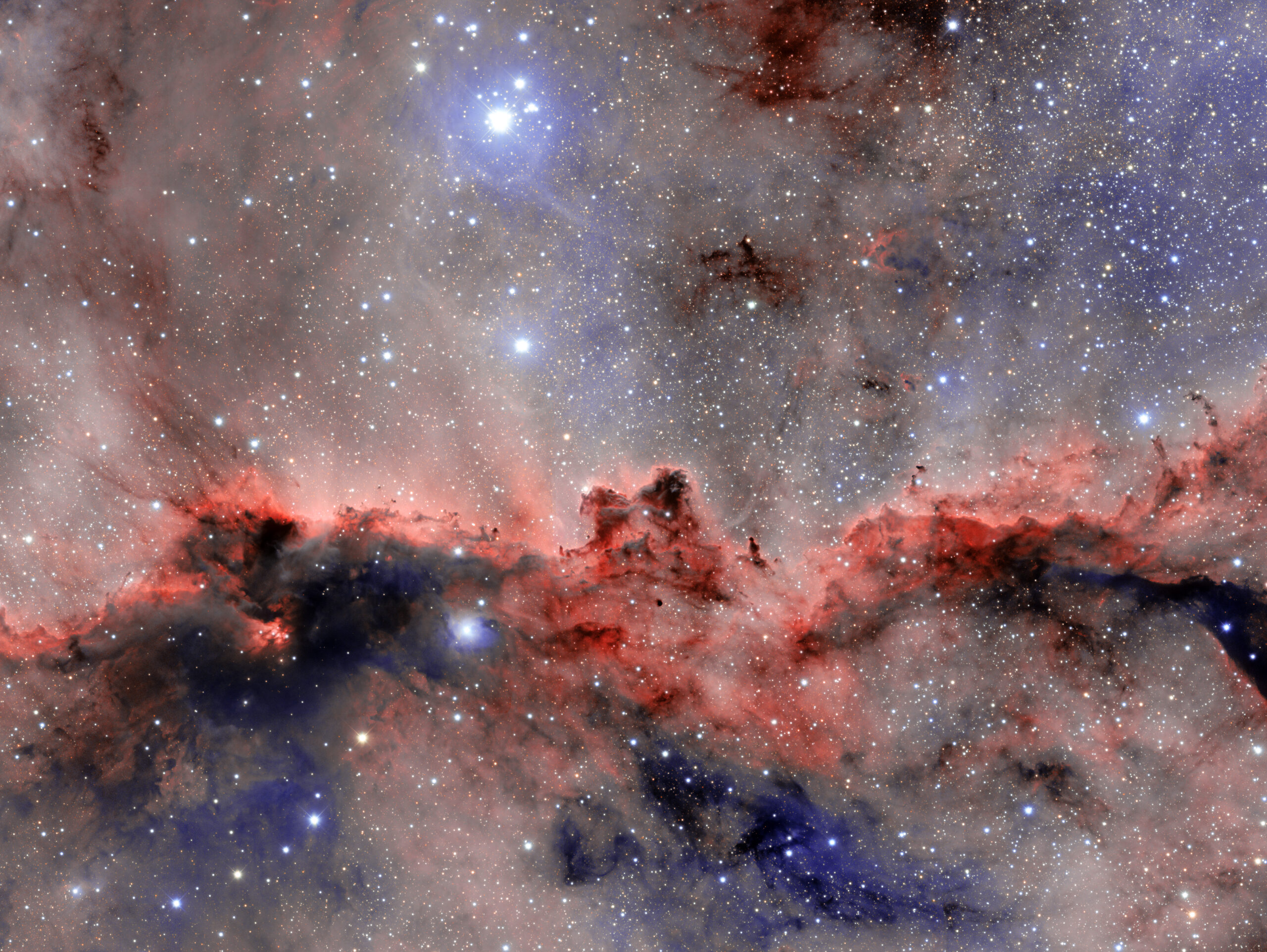
NGC 6188: A nebula or a dragon fight to the death? The Fighting Dragons of Ara, also called the Rim Nebula and cataloged as NGC 6188, comprises dark, star-forming clouds and bright young suns. The Milky Way’s plane cuts through the northwestern corner of Ara the Altar, blessing this southern constellation with a surplus of deep-sky delights….more
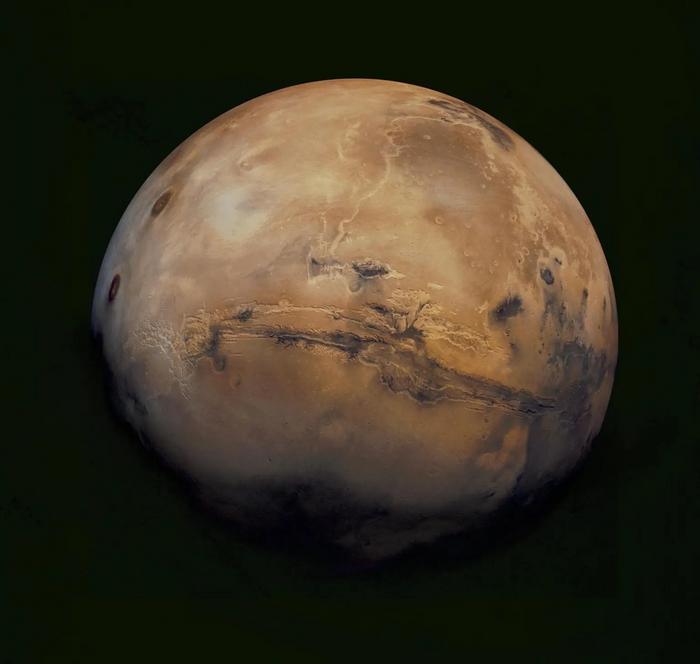
Has Mars had an effect on Earth’s climate? Stephen Kane, a professor of planetary astrophysics at UC Riverside, was skeptical when he read recent studies that showed the gravitational pull from Mars being connected to Earth’s long-term climate patterns. These studies suggested that sediment layers on the floor of our oceans have recorded climate cycles influenced by the Red Planet despite its distance from Earth and small size…more
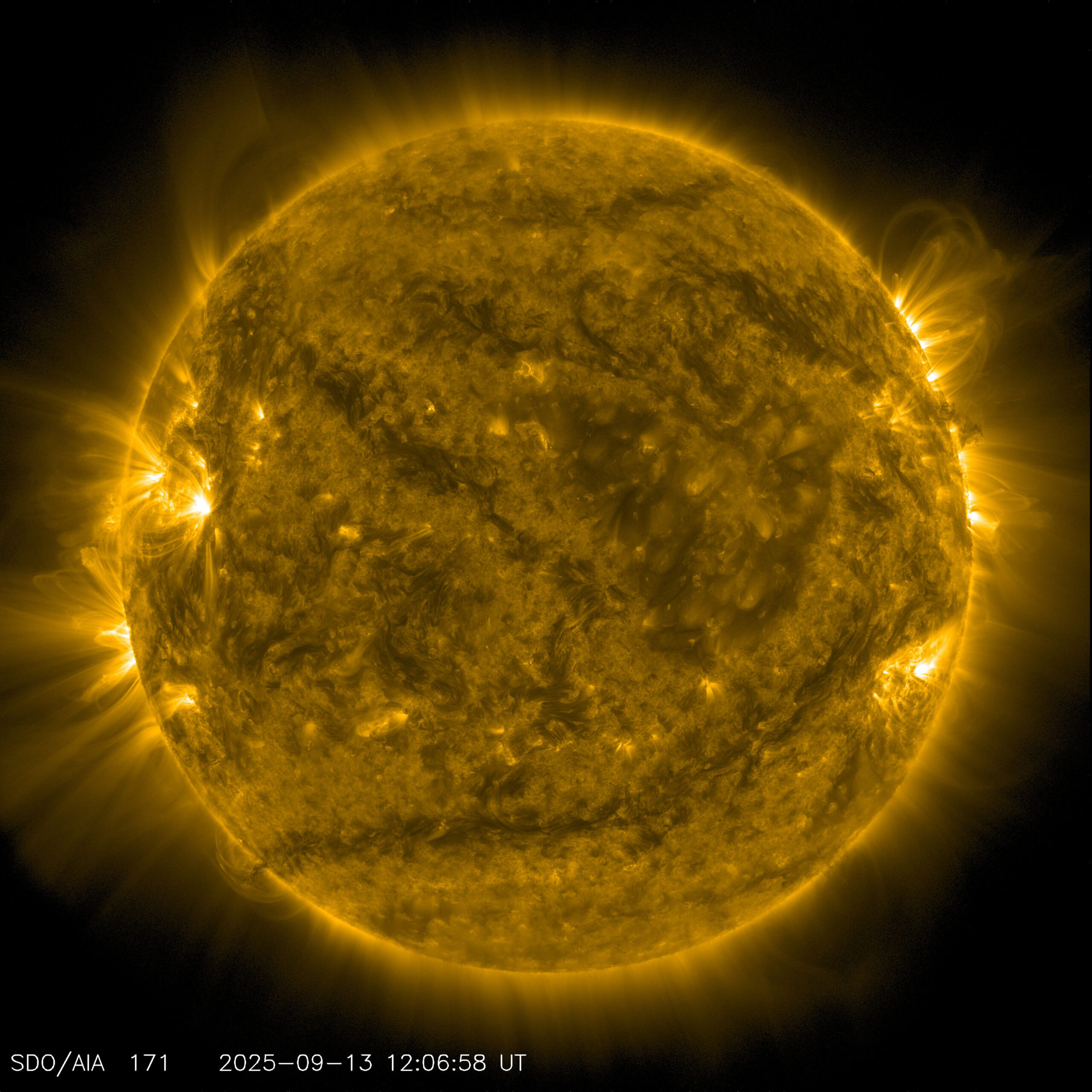
How can the Sun contain so many elements without its heat destroying them? Since the Sun is so hot, how can it contain oxygen, carbon, and other elements without destroying them? If you were to take a random blob of gas and heat it to solar temperatures (roughly 10,000 degrees Fahrenheit [5,500 degrees Celsius] at the surface or over 27 million F [15 million C] in the core), two things would happen. …more
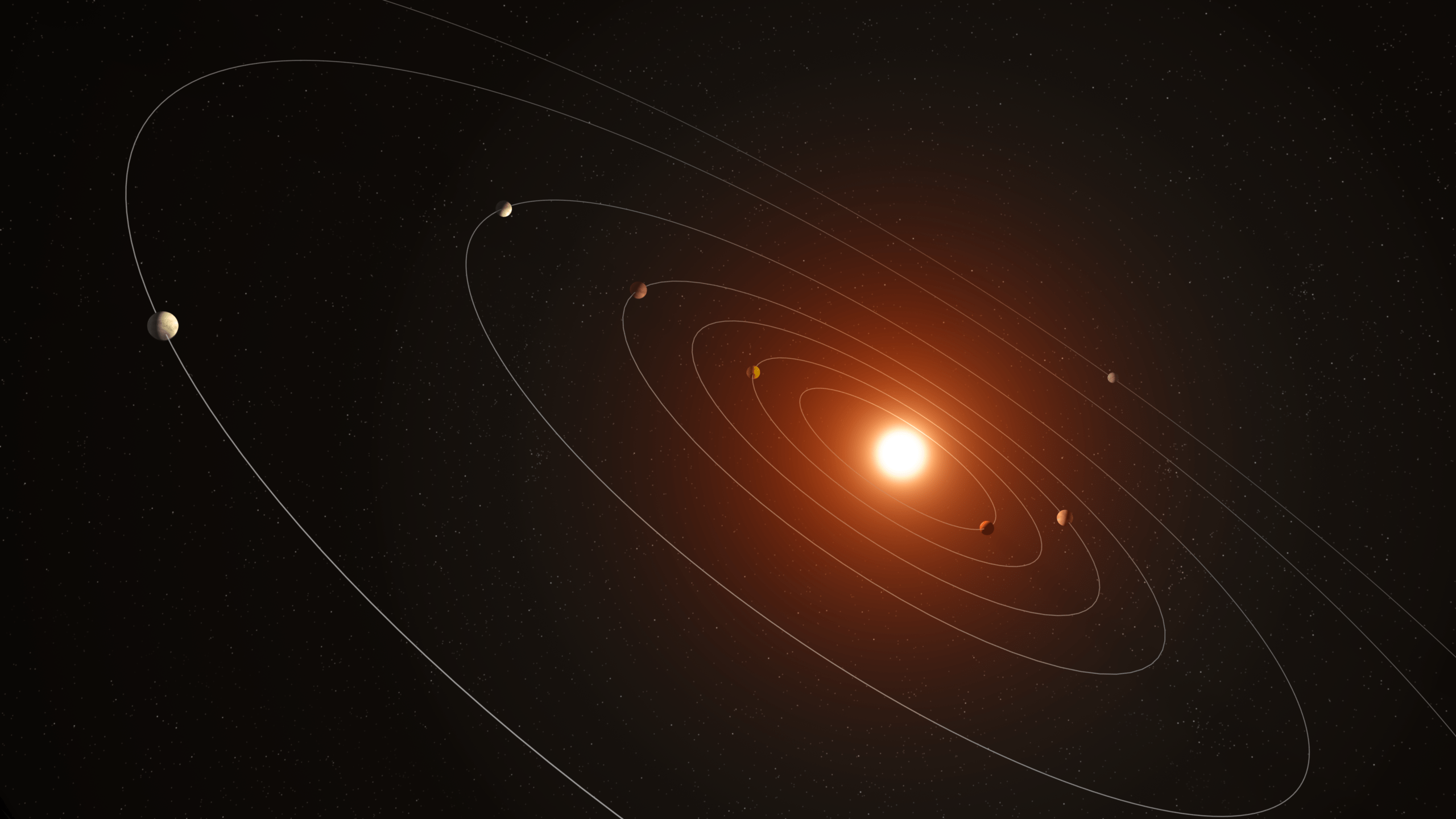
Why don’t planets fall into the stars they orbit if they’re constantly being pulled by gravity? This is a brilliant question because the notion of an orbit is counterintuitive. We know that massive objects (really, any objects with mass) gravitationally attract other massive objects; Newton’s law of universal gravitation is firmly established on this point…more
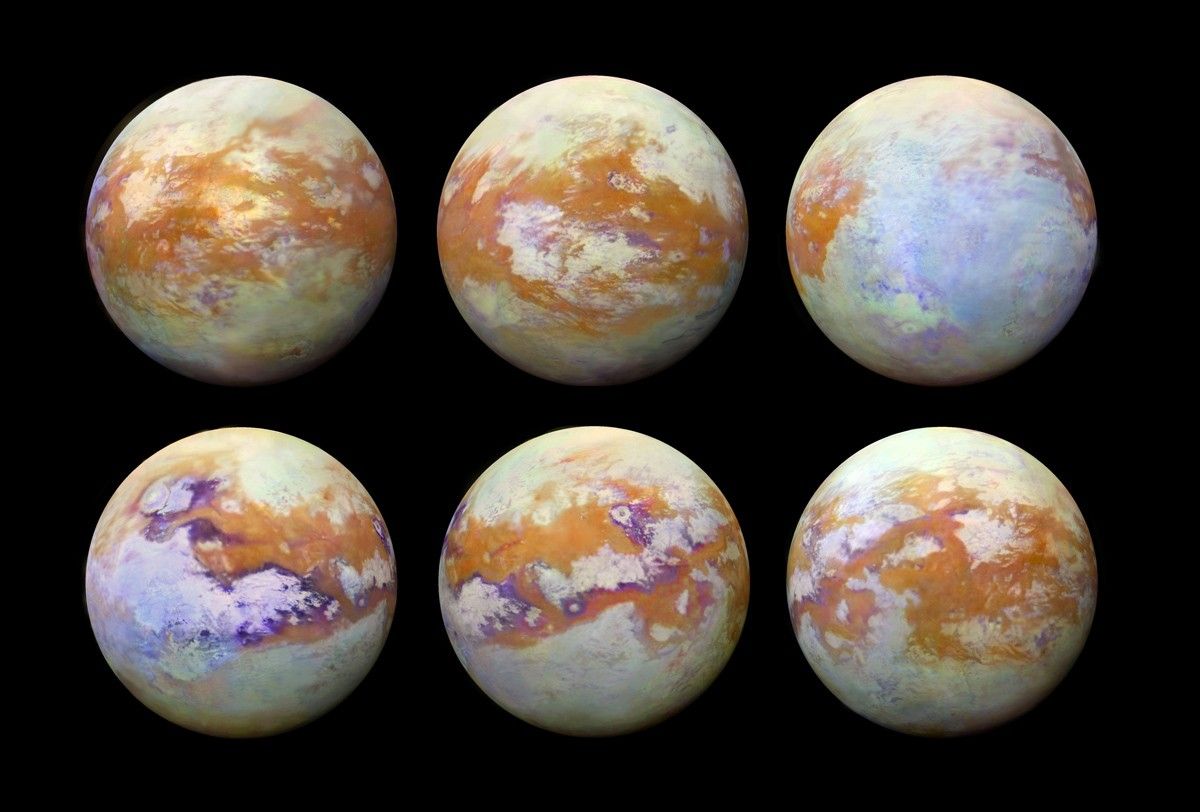
Does Titan have an ocean or not? The Cassini-Huygens mission, which launched in 1997 and arrived at Saturn in 2004, sent back lots of data. Some of it led scientists to think that Titan, the Ringed Planet’s largest moon, had a large underground ocean of liquid water. But recent reanalysis of the data indicates that under its surface ice, Saturn instead hosts a large region of slush…more
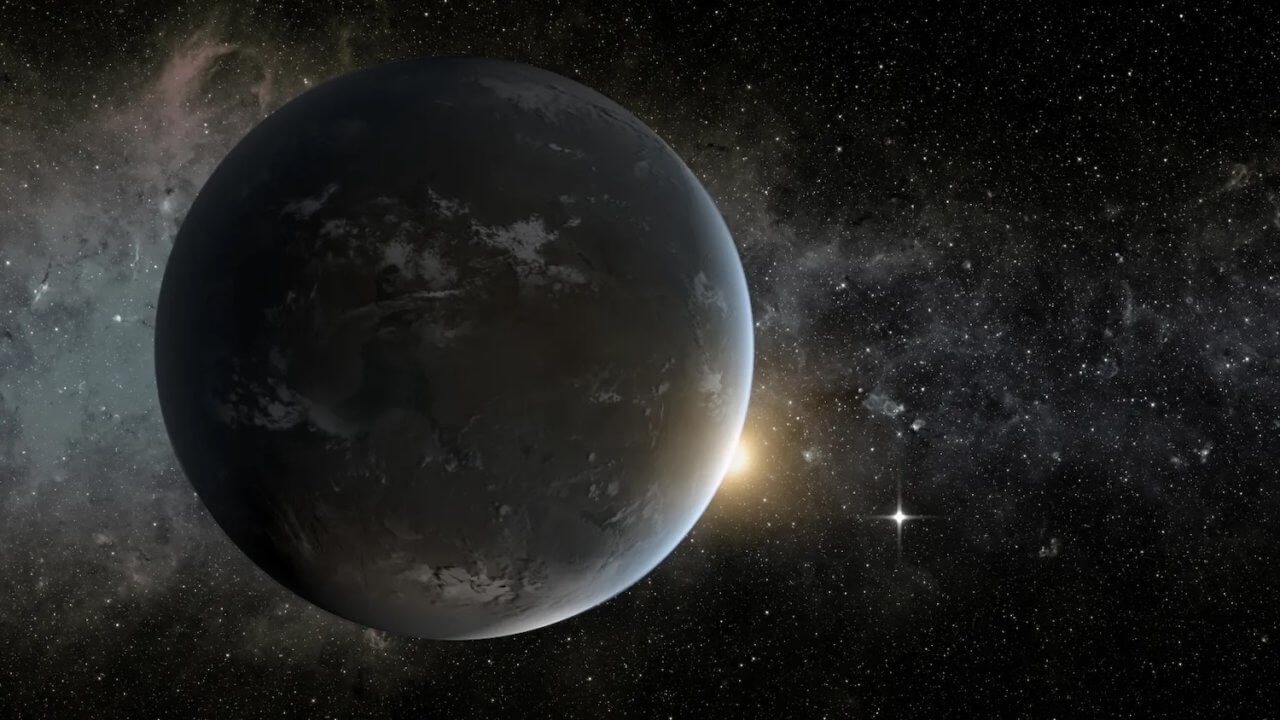
Which stars near the Sun have the best chance to host life? A new survey led by Sebastián Carrazco-Gaxiola, an astronomy graduate student at Georgia State University, has identified a large number of stars around which Earth-like planets could orbit. Such planets, researchers think, could be places where life might develop. Carrazco-Gaxiola shared the results at the 247th meeting of the American Astronomical Society (AAS), which was held in Phoenix, Arizona, earlier this month….more

Intermittent Black Hole Jets Are Like A ‘Cosmic Volcano’ When astronomers look out into the cosmos, they see supermassive black holes (SMBH) in two different states. In one state, they’re dormant. They’re actively accreting only a tiny amount of matter and emit only faint, weak radiation. In the other, they’re more actively accreting matter and emitting extremely powerful radiation. These are normally called active galactic nuclei (AGN)…more
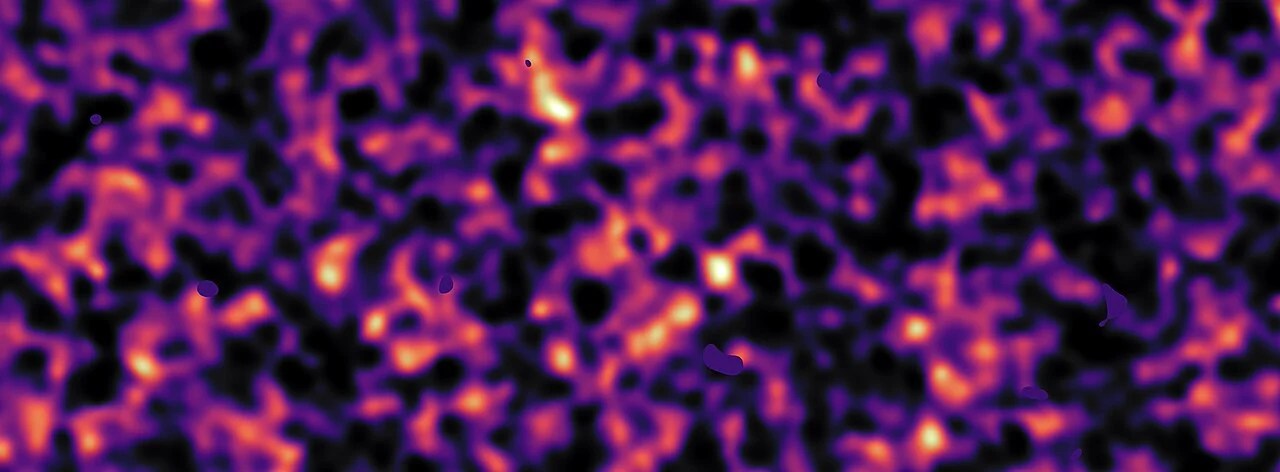
Mapping the Invisible Dark matter doesn’t emit light, it doesn’t absorb light and it doesn’t even block it, passing through ordinary matter like a ghost through walls (I’m very proud of that sentence.) Yet this invisible substance makes up roughly 85% of all matter in the universe, and its gravitational influence has shaped everything from galaxy clusters millions of light years across down to the rocky planet beneath our feet…more
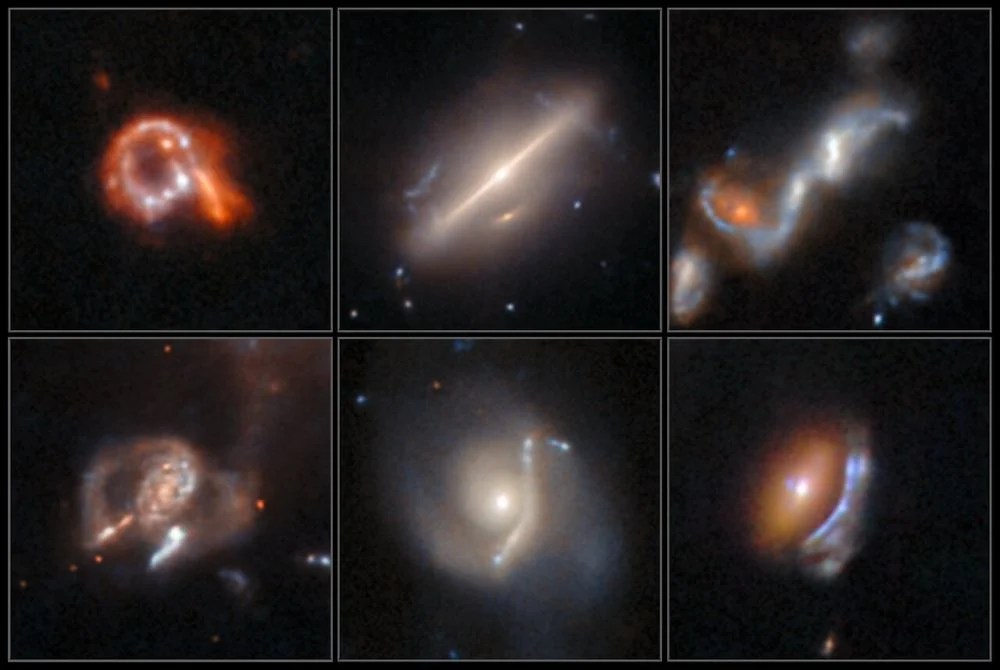
Researchers Use AI To Find Astronomical Anomalies Buried In Archives AI faces daily criticism from people worried about its ill-effects. But the type of AI that draws this ire are Large Language Models (LLMs). There are other types of AI with specialized functions that don’t make it onto the front pages. Combing through vast troves of astronomical data is a perfect task for AI that is unlikely to be replicated by human minds…more
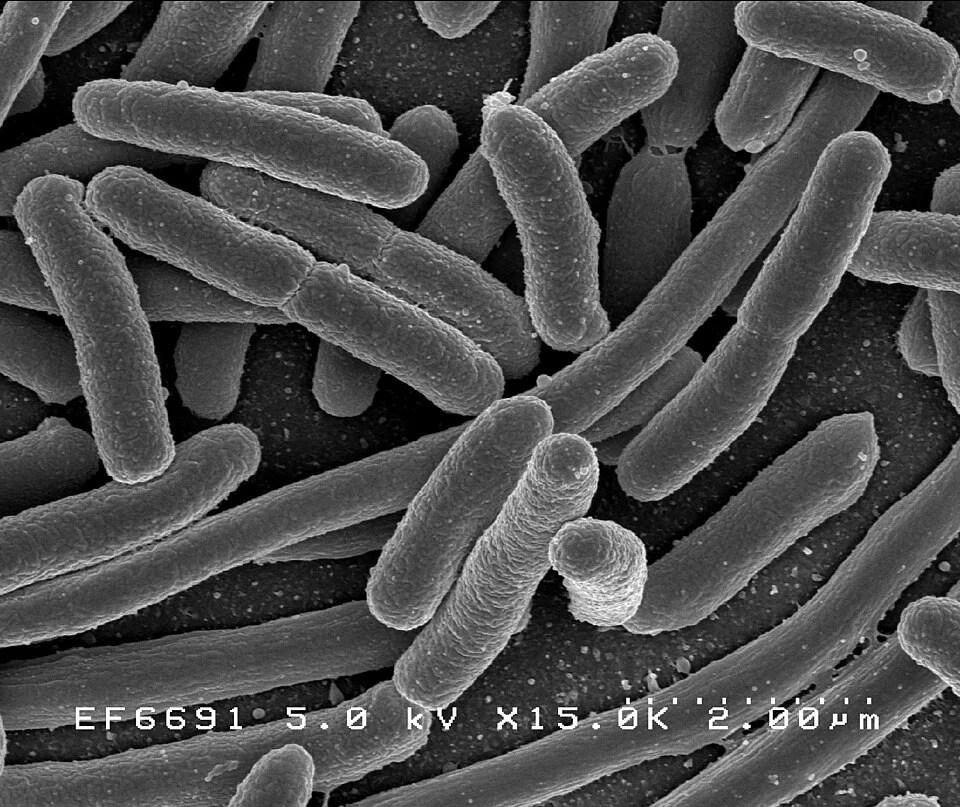
The Unexpected Evolution Aboard the ISS Bacteria and the viruses that infect them have been locked in an evolutionary battle for billions of years. Bacteria evolve defences against viral infection and viruses develop new ways to breach those defences. This process shapes microbial ecosystems across Earth, from ocean depths to soil communities. But what happens when you take that battle to space?…more

 Amateur Astronomers Association of Princeton