
compiled by Arlene & David Kaplan
How NASA’s Roman Space Telescope Will Chronicle the Active Cosmos NASA’s Nancy Grace Roman Space Telescope will pair space-based observations with a broad field of view to unveil the dynamic cosmos in ways that have never been possible before. “Roman will work in tandem with NASA observatories such as the James Webb Space Telescope and Chandra X-ray Observatory, which are designed…more
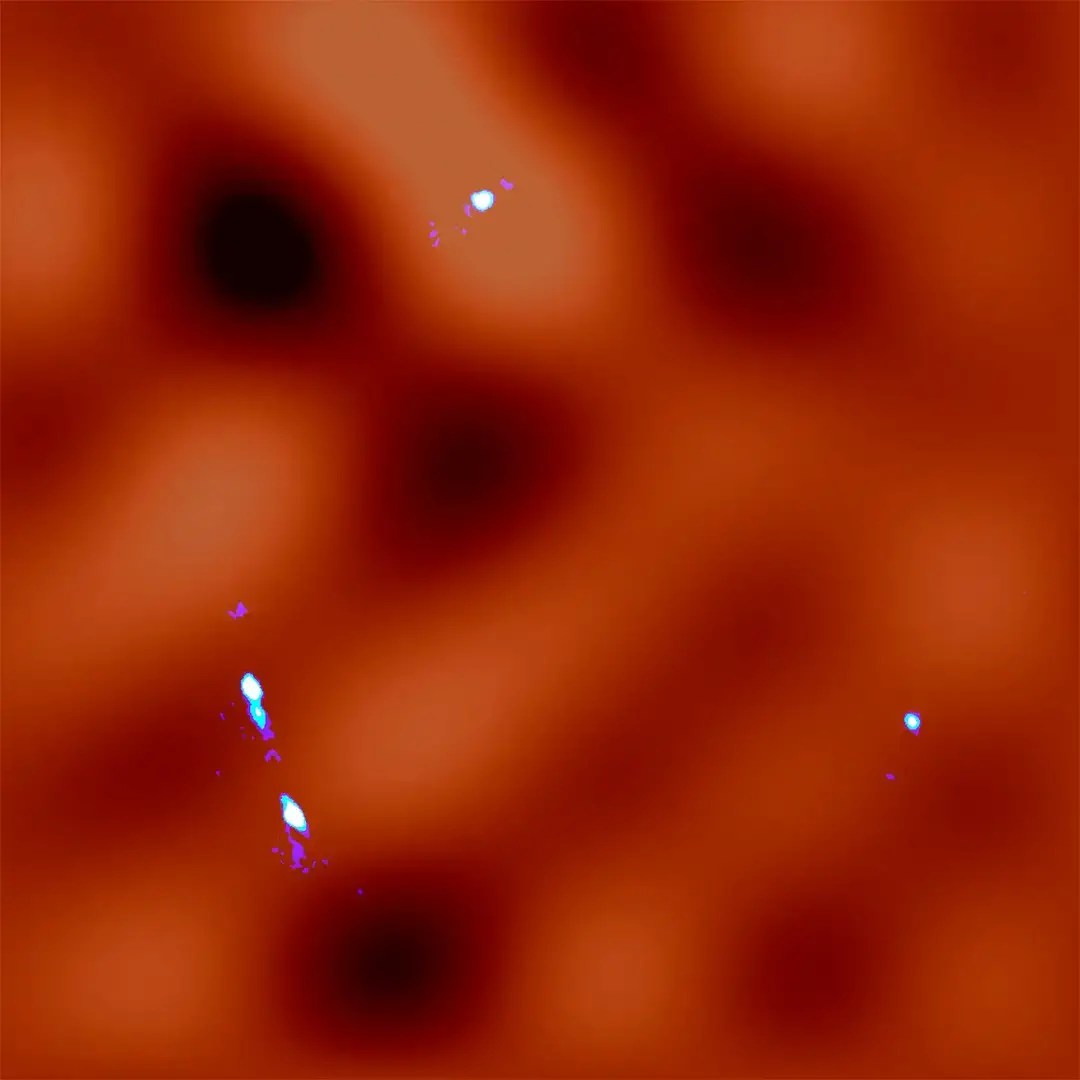
Cosmic Clarity: Gravitational Lensing Reveals the Fine Fabric of Dark Matter A team of researchers has used the gravitational lensing of the MG J0414+0534 system, observed with ALMA, to map dark matter distribution in unprecedented detail, confirming theories of cold dark matter and paving the way for further discoveries about the universe’s dominant but elusive component…more
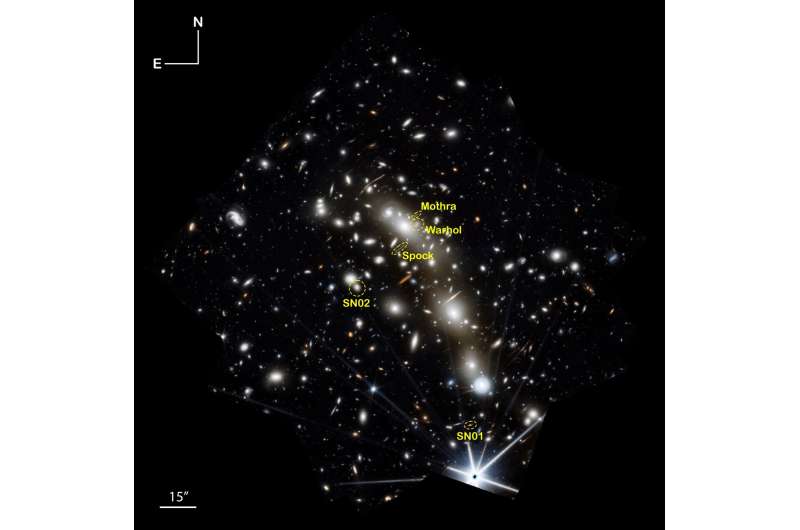
Scientists find 14 new transient objects in space by peering through the ‘Christmas Tree Galaxy Cluster’ An international team of scientists, led by University of Missouri’s Haojing Yan, used NASA’s James Webb Space Telescope (JWST) to discover 14 new transient objects during their time-lapse study of galaxy cluster MACS0416—located about 4.3 billion light years from Earth—which they’ve dubbed “The Christmas Tree Galaxy Cluster.”…more
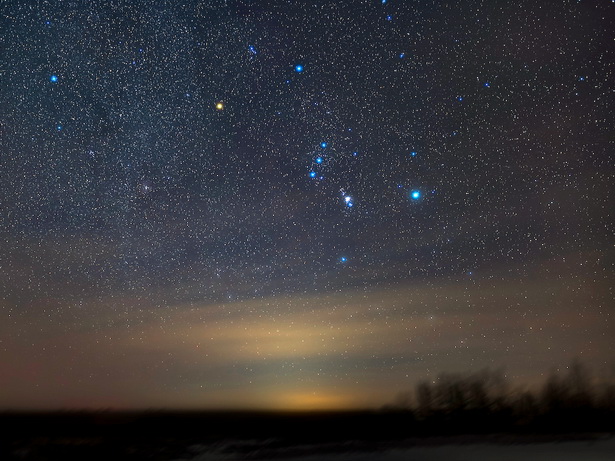
Asteroid will cover Betelgeuse, may reveal its visible surface Astronomers are gearing up for an unusual celestial event: an asteroid’s occultation, or total covering, of an iconic star. Imagine your favorite constellation without one of its brightest stars. For a brief moment on December 12th, this may happen to Orion, at least for viewers in a narrow stretch from central Asia and southern Europe to Florida and Mexico….more

Dozens Of Massive ‘Runaway’ Stars Found Fleeing The Milky Way The Milky Way can’t hold onto all of its stars. Some of them get ejected into intergalactic space and spend their lives on an uncertain journey. A team of astronomers took a closer look at the most massive of these runaway stars to see if they could find out how they get ejected….more

One step closer to unveiling dark matter with ARRAKIHS The ARRAKIHS consortium, for which EPFL has the science lead, has just successfully passed the mission definition review of the project, a very important first milestone towards full completion of the mission preparation. ARRAKIHS is a satellite selected by ESA to address the nature of dark matter, to be launched in 2030…more
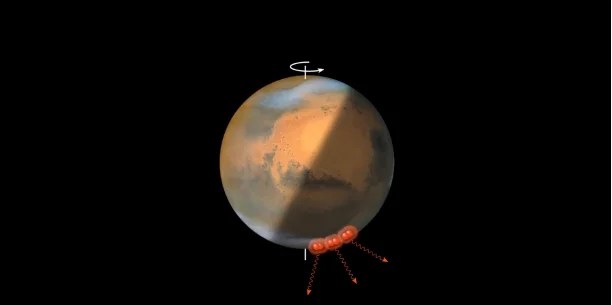
European satellite spots mysterious glow coming from Mars A European Space Agency satellite has detected a mysterious glow coming from Mars. Measured in the visible spectrum with the NOMAD-UVIS instrument on board the European Space Agency (ESA) Trace Gas Orbiter (TGO) satellite, the unexpected glow emanates from the night side of Mars and was observed in the planet’s upper atmosphere…more
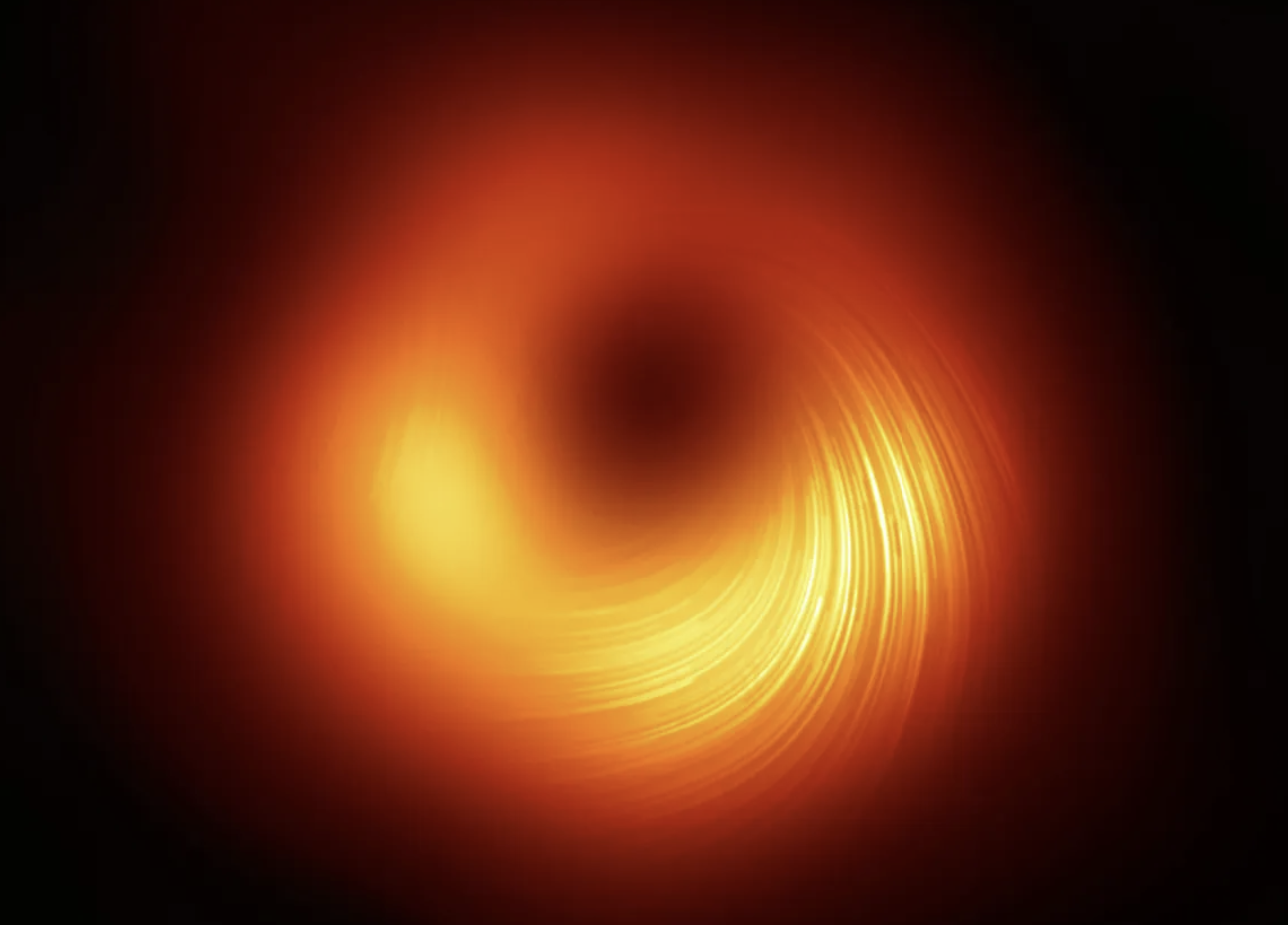
1st black hole ever imaged by humans has twisted magnetic fields and scientists are thrilled Spiraling light at the edge of a distant supermassive black hole could help matter escape from being consumed by this cosmic titan. The supermassive black hole of M87 — also known as M87* — has a mass equal to around 6.5 billion suns. It especially came to the public’s attention in 2019 when an image of M87*, captured by the Event Horizon Telescope (EHT)…more
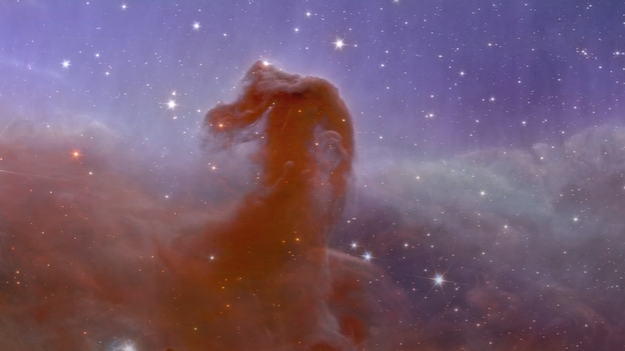
Euclid ‘dark universe’ telescope captures 1st full-color views of the cosmos (images) On Tuesday (Nov. 7), astronomers hailed the Euclid telescope’s ability to capture stunning intricacies of the universe in remarkably few hours as they revealed the mission’s first portfolio of full-color images. “We have never seen astronomical images like this before, containing so much detail,” René Laureijs, Euclid project scientist, said in a statement…more
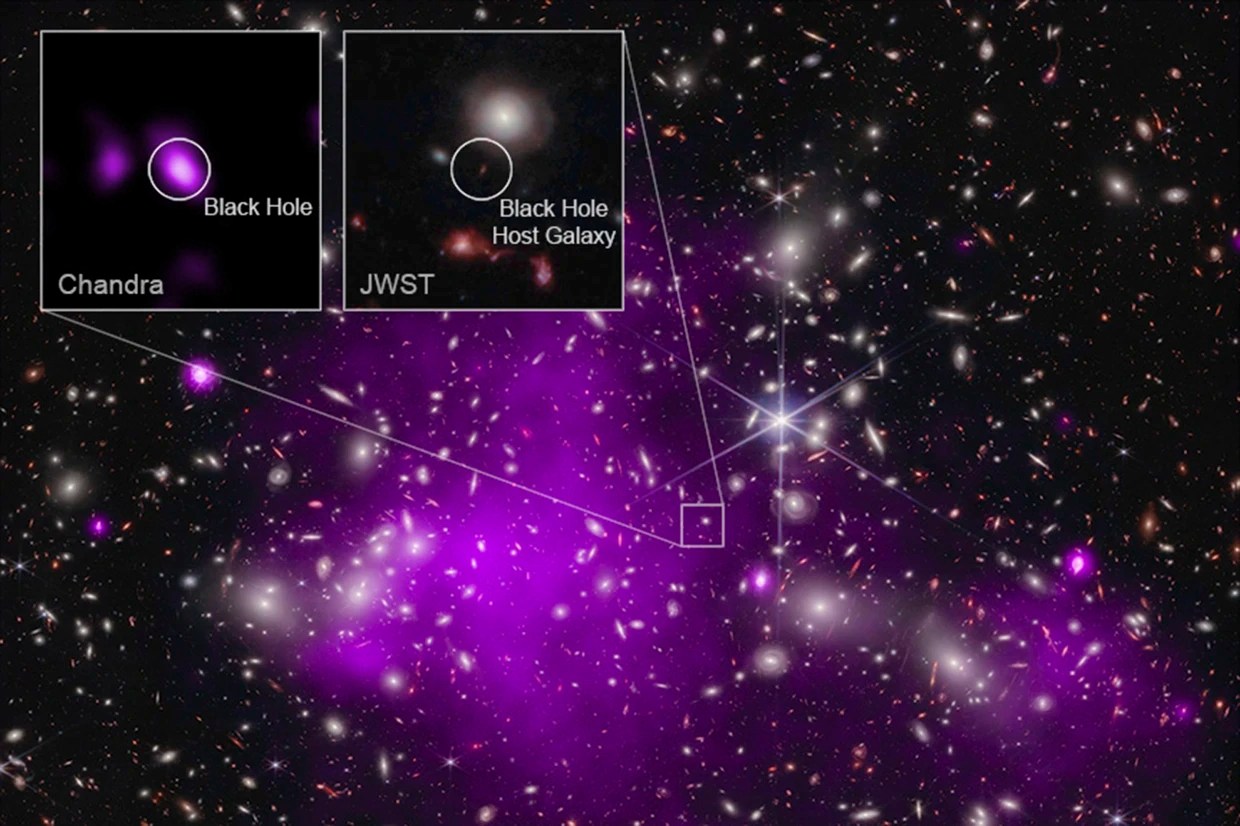
Oldest black hole discovered dating to 470 million years after the Big Bang Scientists have discovered the oldest black hole yet, a cosmic beast formed a mere 470 million years after the Big Bang. The findings, published Monday, confirm what until now were theories that supermassive black holes existed at the dawn of the universe…more

 Amateur Astronomers Association of Princeton