
compiled by Arlene & David Kaplan
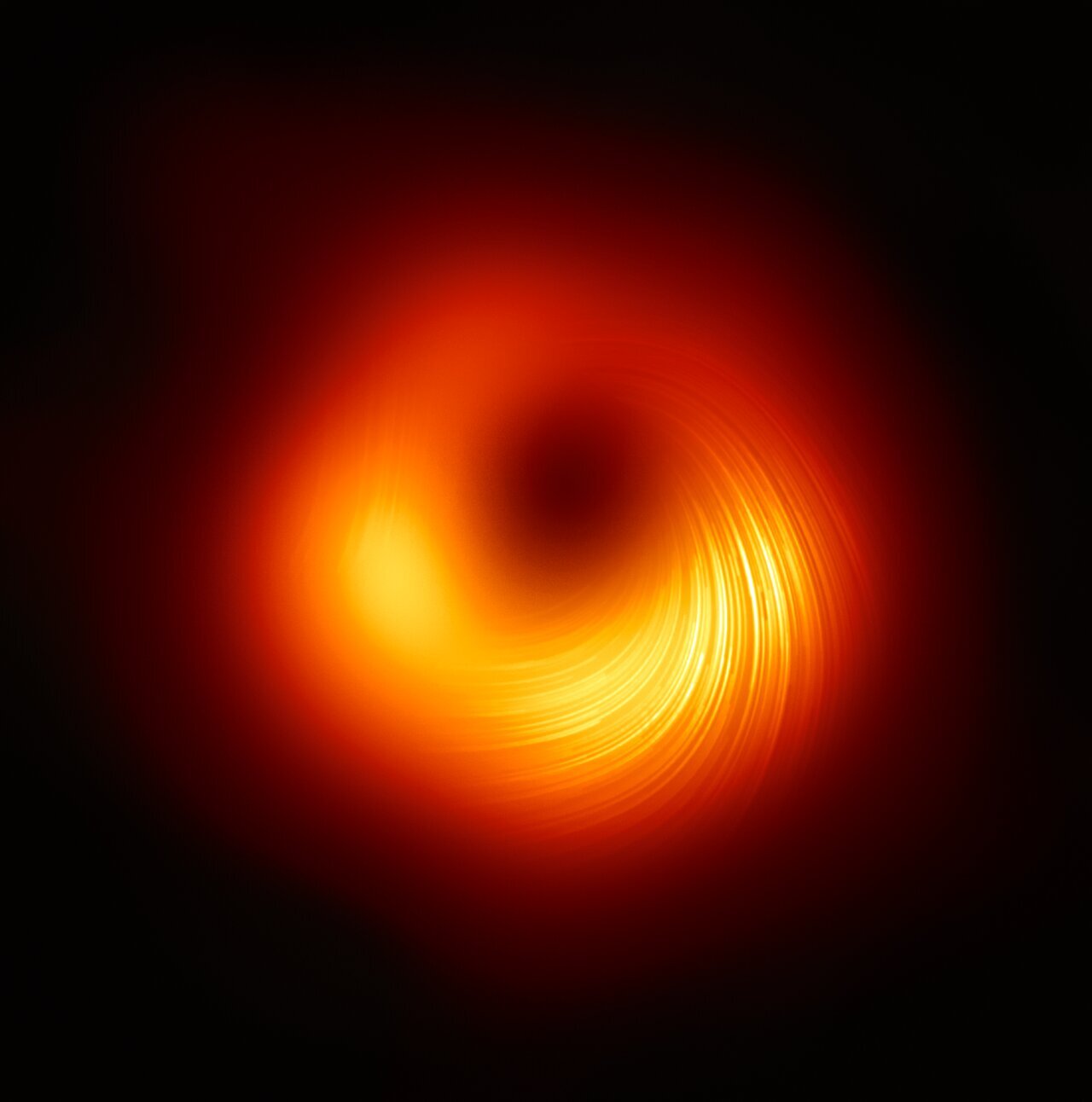
The Most Intimate Portrait Yet of a Black Hole
The Event Horizon Telescope collaboration, an international team of radio astronomers that has been staring down the throat of a giant black hole for years, on Wednesday published what it called the most intimate portrait yet of the forces that give rise to quasars, the luminous fountains of energy that...more
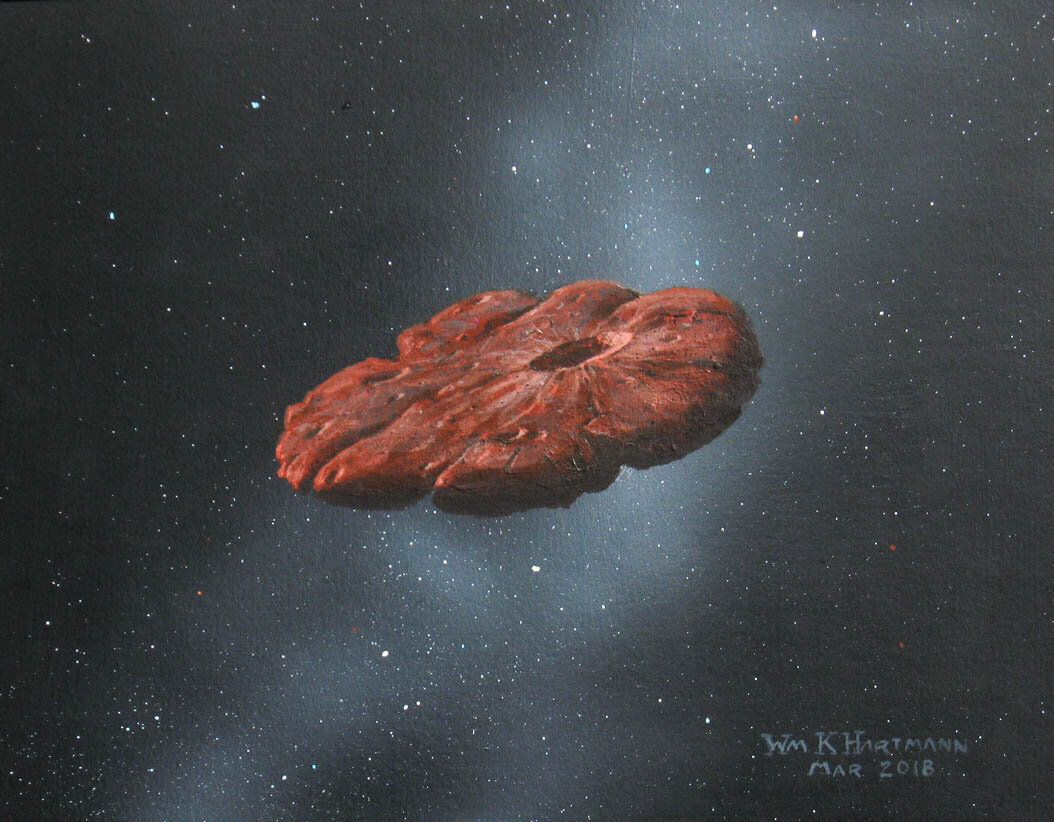
Why Oumuamua, the Interstellar Visitor, Looks Eerily Familiar One of the great shaggy-dog mysteries of the sky continues to mesmerize astronomers. That would be the nature of a strange interloper, Oumuamua, that came zooming through the solar system in 2017. Interstellar comet? Cosmic iceberg? Alien space wreck?…more
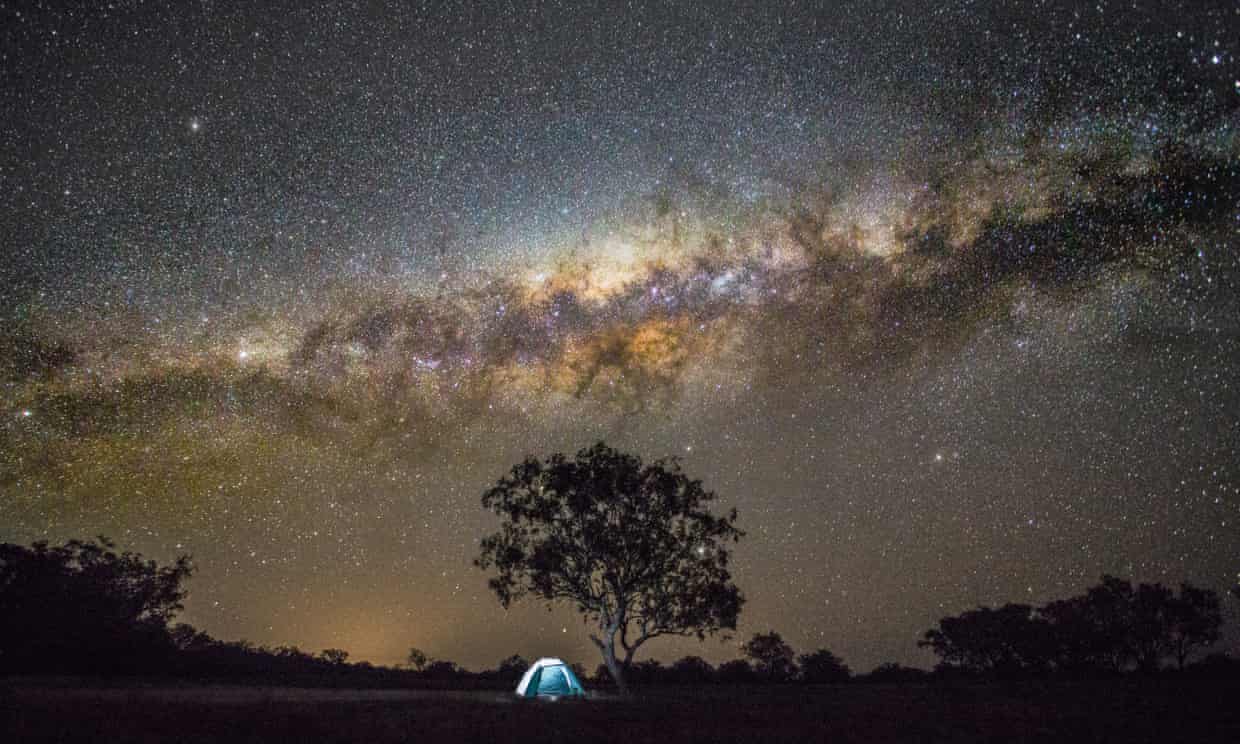
Light pollution from satellites’ poses threat’ to astronomy Artificial satellites and space junk orbiting the Earth can increase the brightness of the night sky, researchers have found, with experts warning such light pollution could hinder astronomers’ ability to make observations of our universe....more
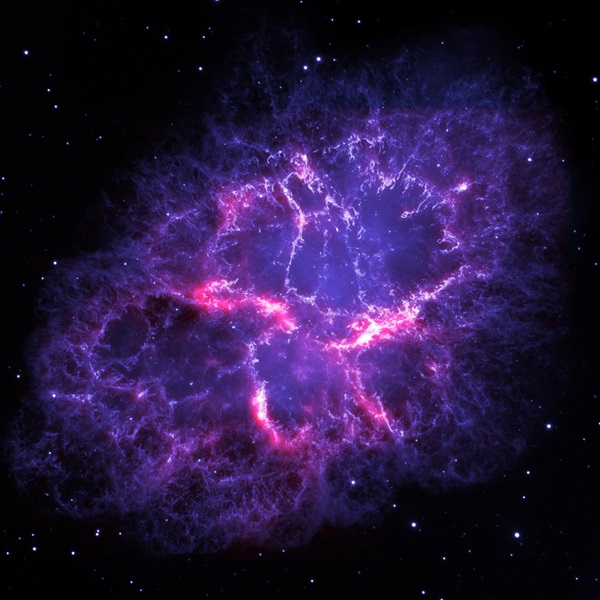
Space is the place for impossible molecules Molecules containing noble gases shouldn’t exist. By definition, these chemical elements — helium, neon, argon, krypton, xenon and radon — are the party poopers of the periodic table, huddling in the rightmost column and refusing to make molecules. Indeed, no one has ever seen any naturally occurring noble gas molecules on Earth. Earlier this decade, though, astronomers accidentally discovered one of these aloof elements in molecules in space….more
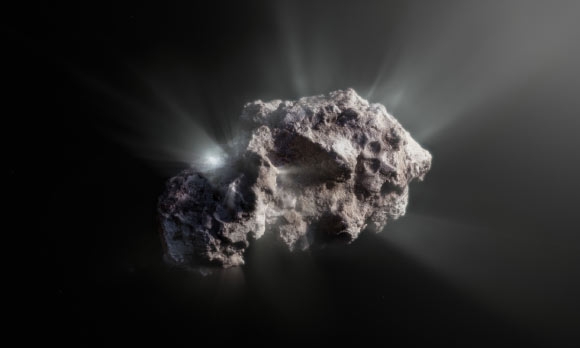
Interstellar Comet 2I/Borisov is One of Most Pristine Comets Known 2I/Borisov, also known as C/2019 Q4, was discovered on August 30, 2019 by Gennady Borisov, an amateur astronomer from Crimea, Ukraine. Its orbital eccentricity shows that the object is not gravitationally bound to the Solar System, making it the first unambiguous case of a comet arriving from interstellar space…more
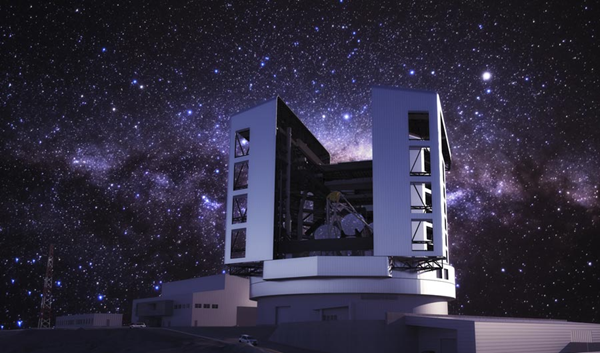
These giant mirrors will help astronomers see to the edges of the universe When completed, the Giant Magellan Telescope being built in Chile’s Atacama Desert will gather images of the universe that are 10 times sharper than those produced by the Hubble Space Telescope. It will snap photos of distant planets and search them for signs of life, reveal the masses and compositions of infant galaxies and analyze how stars are born and die….more
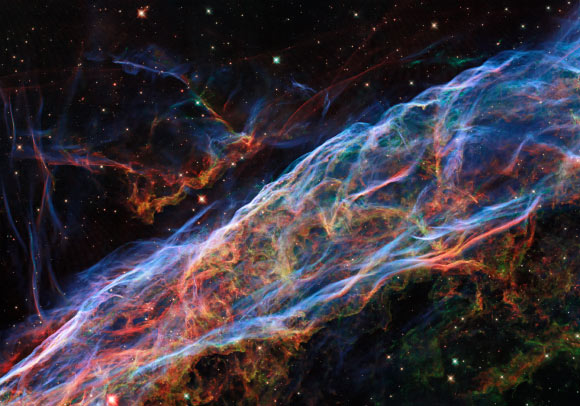
Hubble Team Releases Reprocessed Image of Veil Nebula A small portion of the Veil Nebula, which is part of a supernova remnant called the Cygnus Loop, was featured in previous Hubble photos, but now new processing techniques have been applied, bringing out fine details of the Veil Nebula’s delicate threads and filaments of ionized gas. The Cygnus Loop is a large donut-shaped nebula….more
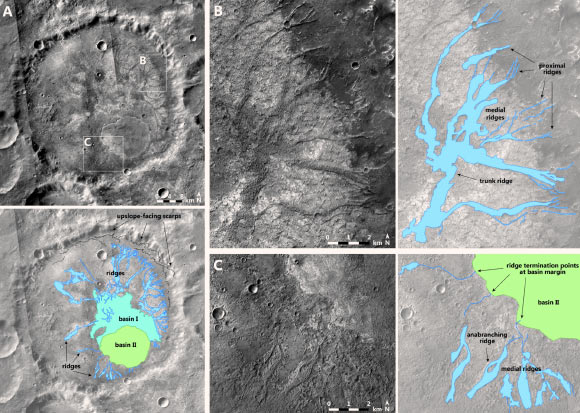
New Type of Paleolake Spotted on Mars A 54-km- (33.5-mile) diameter Noachian-aged crater with neither inlet nor outlet channels is distinct from previously documented crater basin lakes on the planet, according to new research from Brown University. The newly-discovered ‘closed-source drainage basin’ crater is located in the southern highlands of Mars. It contains unusually well-preserved stream beds…more
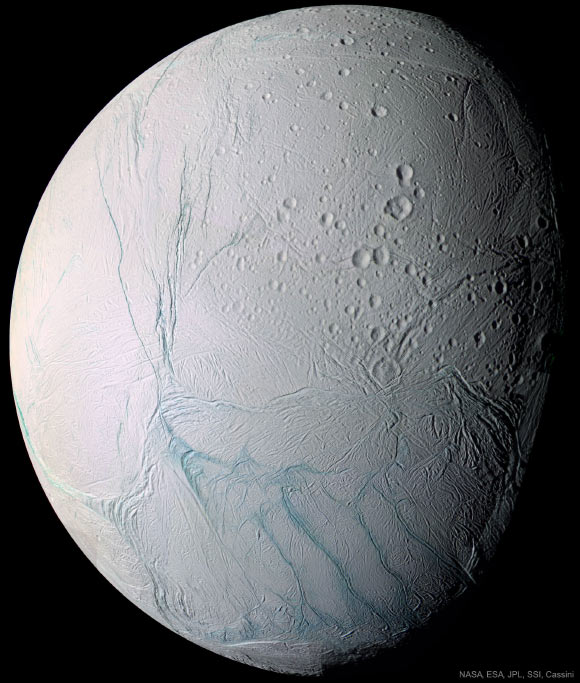
Subsurface Ocean of Enceladus Has Currents, New Theory Suggests A novel theory proposed by planetary scientists from Caltech and NASA’s Jet Propulsion Laboratory challenges the current thinking that the saltwater global ocean of Enceladus, the sixth largest moon of Saturn, is homogenous. In 2014, NASA’s Cassini spacecraft discovered evidence of a large subsurface ocean on Enceladus and sampled water from geyser-like eruptions…more

 Amateur Astronomers Association of Princeton