My first foray into the “dark side” of astroimaging …
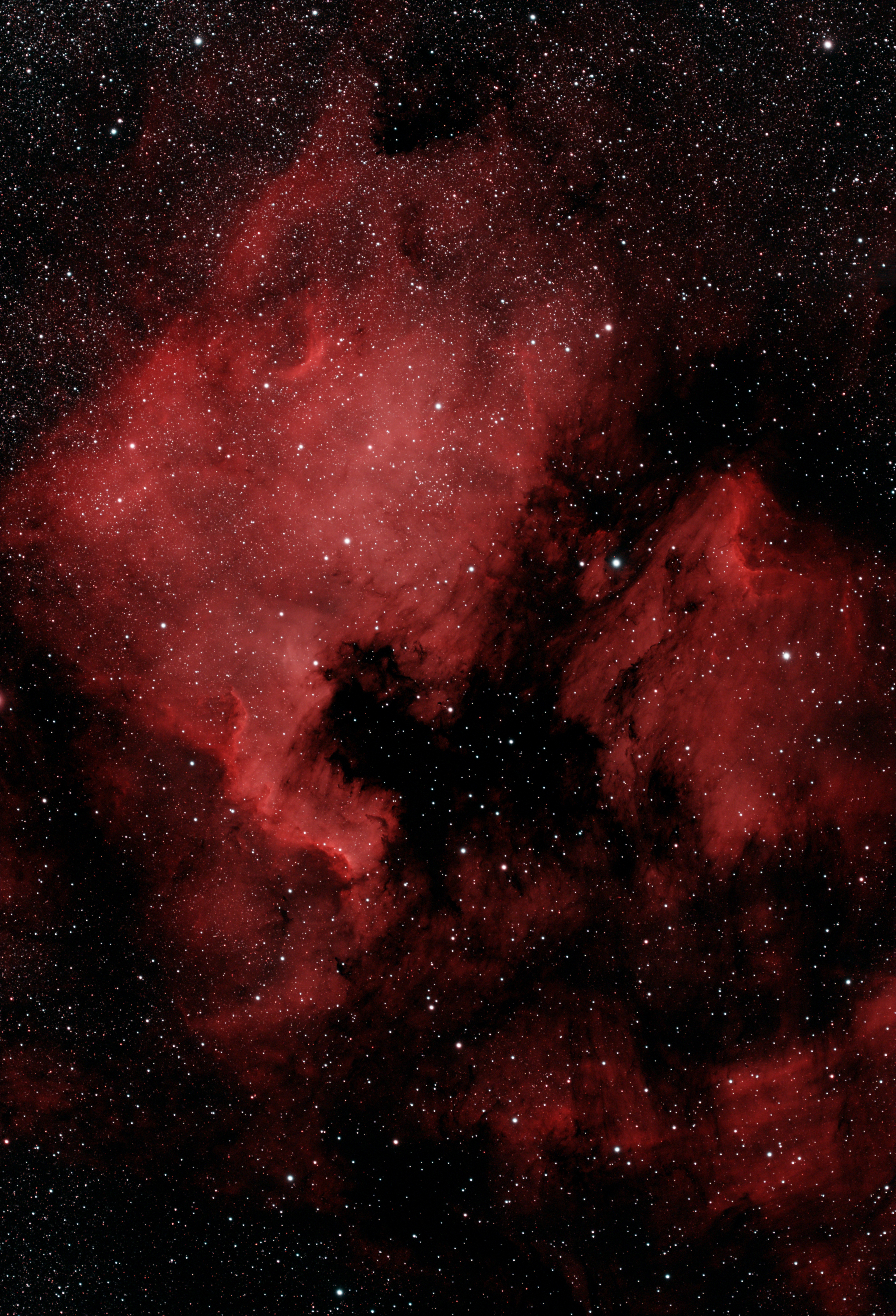
The image of the North America Nebula (NGC 7000) and the Pelican Nebula (IC 5070) below, was taken at my home in MA in September with my portable imaging rig.
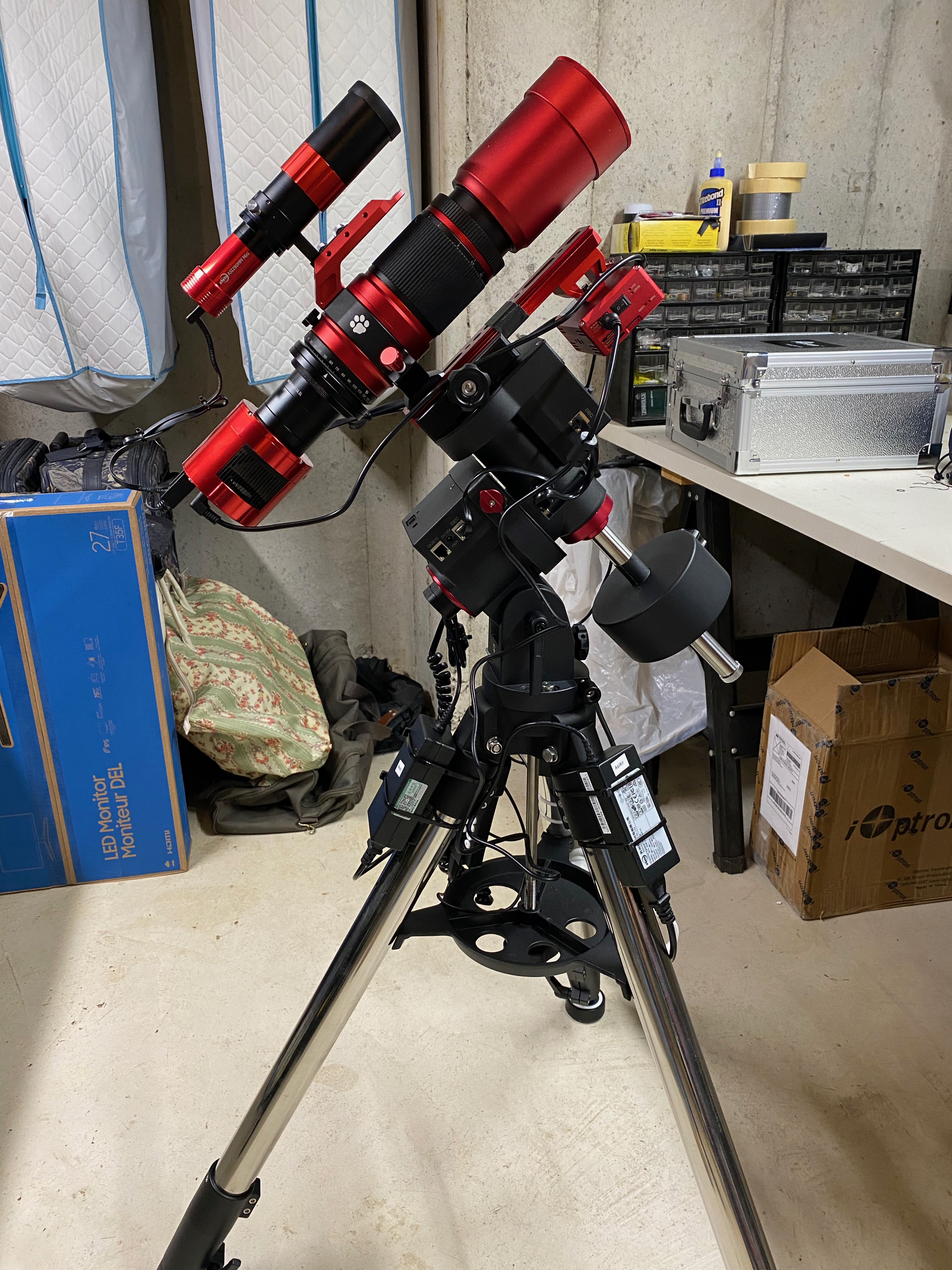
Here are the details: North America Nebula (NGC 7000) and the Pelican Nebula (IC 5070) 25 5 min. subs (Total 2 hours 5 min. integration) Calibrated with darks, flats and bias RedCat 51 petzval refractor (51 mm f/4.9) ZWO ASI294MC Pro (cooled to -10° C) Optolong L-Enhance filter IOptron GEM28 mount Processed in Photoshop
I’m just learning how to use Photoshop for astronomical image processing. The image was processed using a few stretches and black point setting.
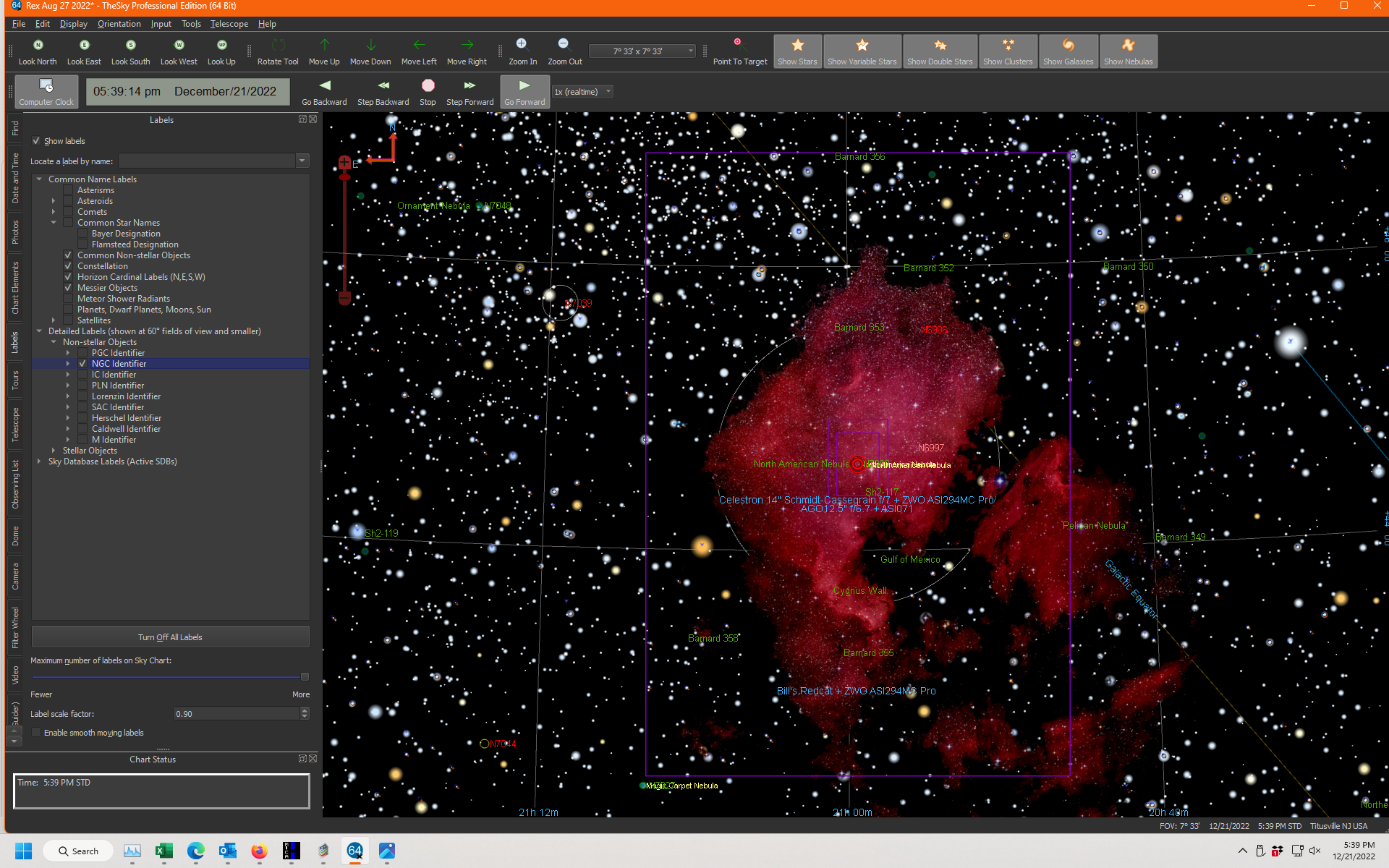
I was curious about how wide, so I put Bill’s specs into TheSkyX along with the club’s C14/ASI294 and my AGO12.5”/ASI071. The latter are those two tiny purple rectangles in the middle, Bill’s FoV is the big purple rectangle (4.4 x 3 degrees).
Here’s another Christmas present for AAAP astro imagers –
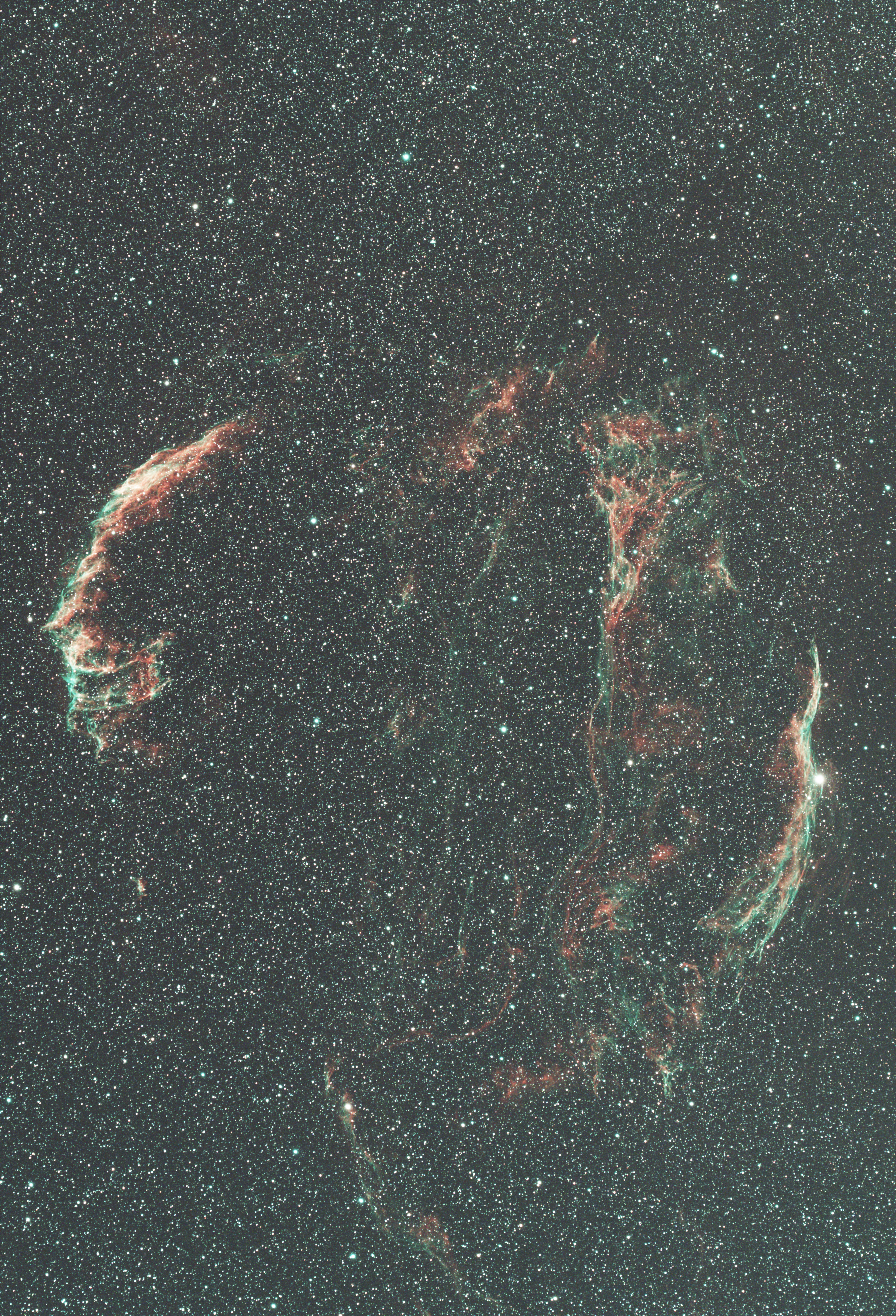
The image below is of the Veil Nebula (NGC 6992-5 on the left and NGC 6960 on the right with Pickering’s Triangular Whip, NGC 6979, in the middle) was also taken at my home in MA in September with my portable imaging rig. Here are the details:
Veil Nebula (NGC 6992 6996 6979 6960) 18 5 min. subs (Total 1 hour 30 min. integration) Calibrated with darks, flats and bias RedCat 51 petzval refractor (51 mm f/4.9) ZWO ASI294MC Pro (cooled to -10° C) Optolong L-Enhance filter IOptron GEM28 mount ASIair as controller Processed in Photoshop
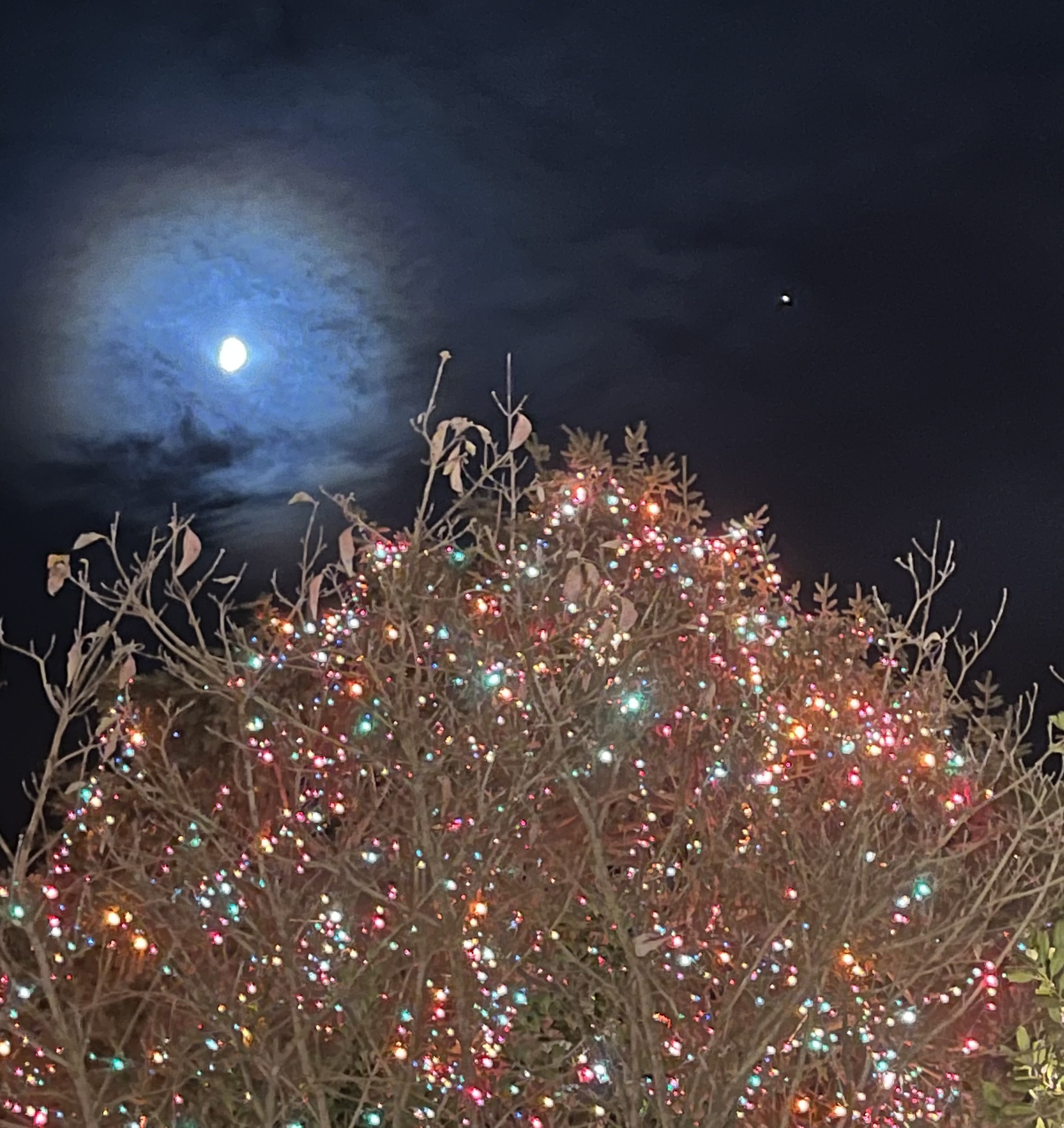
Having survived this December’s popular games of “cloud dodging” and “schedule Tetris,” I’m happy to share these photos which sum up December 2022! I hope everyone is having a great holiday season! Sending wishes for a happy and healthy New Year with many clear skies!
Artemis: Nasa’s Orion capsule breaks distance records The US space agency’s Orion capsule has reached a key milestone on its demonstration mission around the Moon. The ship is uncrewed on this occasion, but if it completes the current flight without incident…more
-BBC
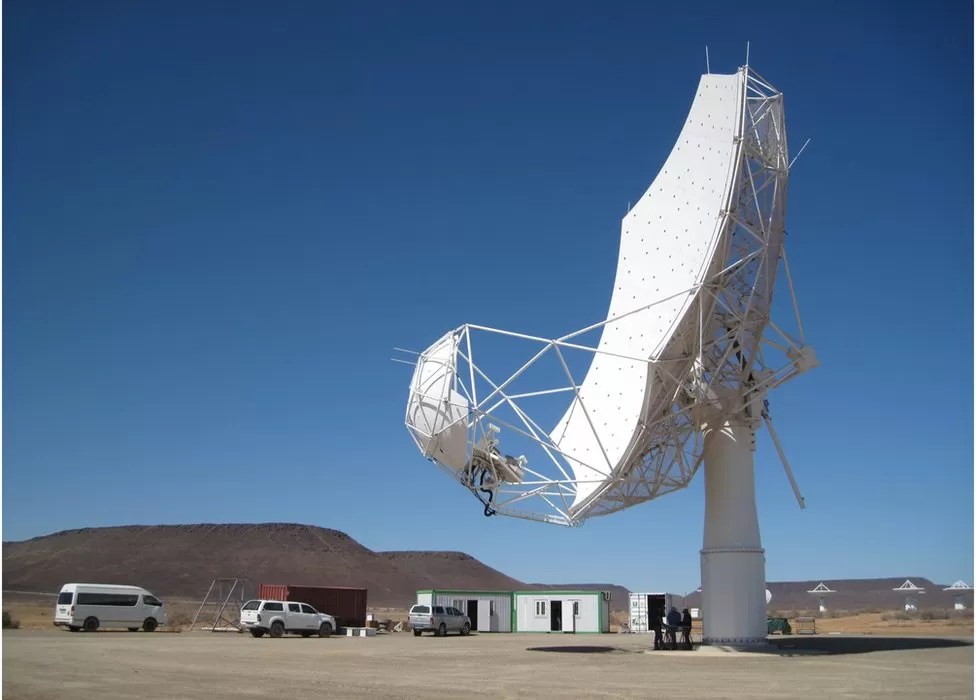
SKA: Construction to begin on world’s biggest telescope One of the grand scientific projects of the 21st Century begins its construction phase on Monday. The Square Kilometre Array (SKA) will be the largest radio telescope in the world when completed in 2028…more
-NYT
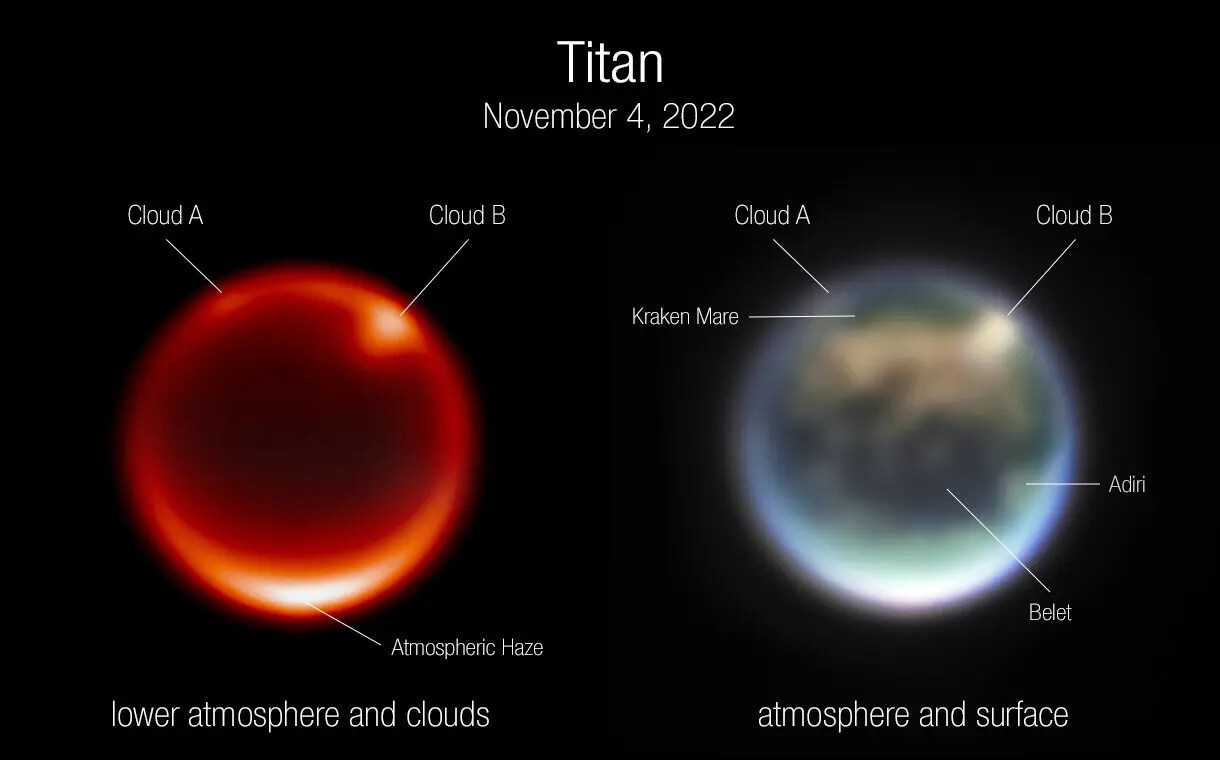
Telescopes Team Up to Forecast an Alien Storm on Titan Saturn’s largest moon came under the gaze of NASA’s powerful Webb space observatory, allowing it and another telescope to capture clouds drifting through Titan’s methane-rich atmosphere. …more
-BBC
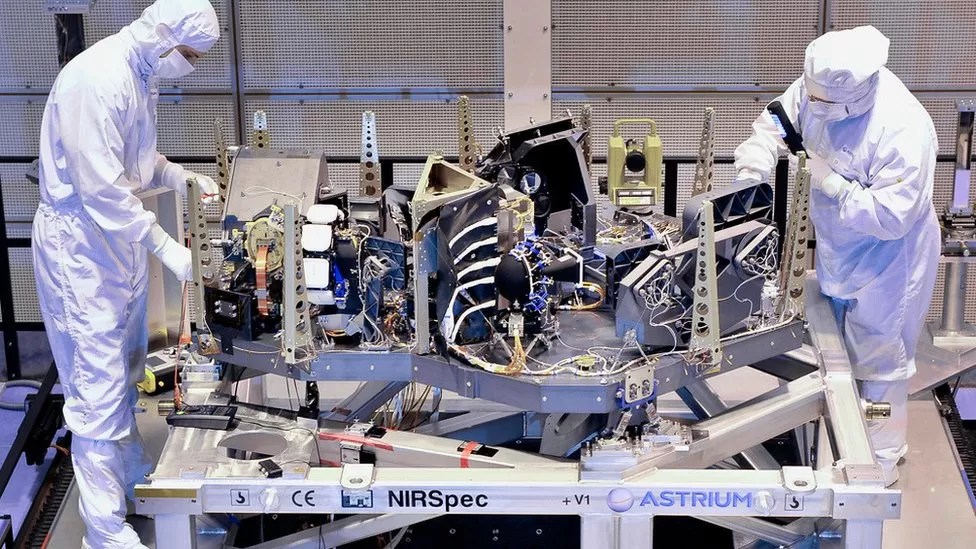
James Webb Space Telescope ‘fingerprints’ earliest galaxies It’s not much to look at – just a little red blob with the rather quirky name of JADES-GS-z13-0. But this faint smudge, imaged by the James Webb Space Telescope, is the “most distant galaxy” so far confirmed by gold-standard…more
-NASA
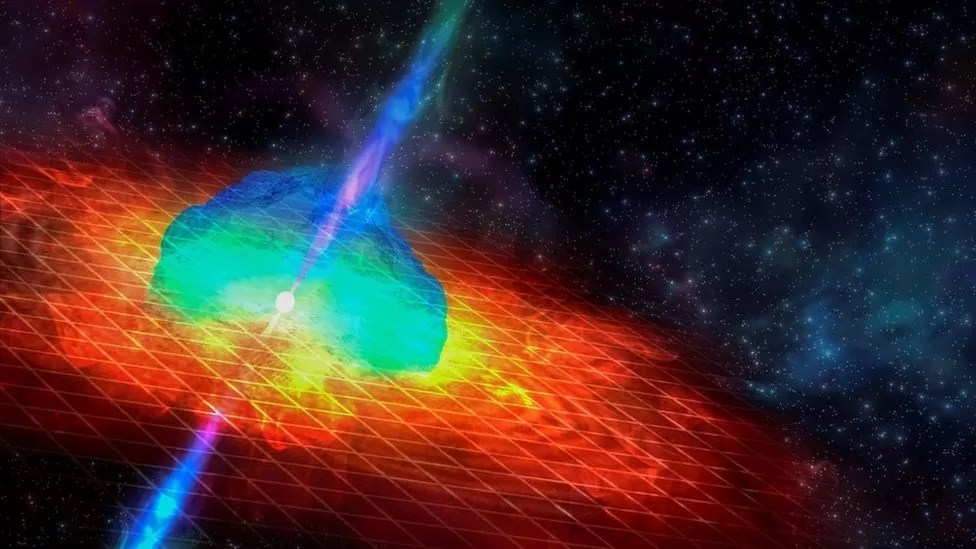
Remarkable space blast identified as black hole collision The event, a gamma-ray burst, was detected by a space telescope and a NASA observatory. A team of scientists including University of Leicester physicists described the minute-long blast as a rare cosmic event…more
-NYT
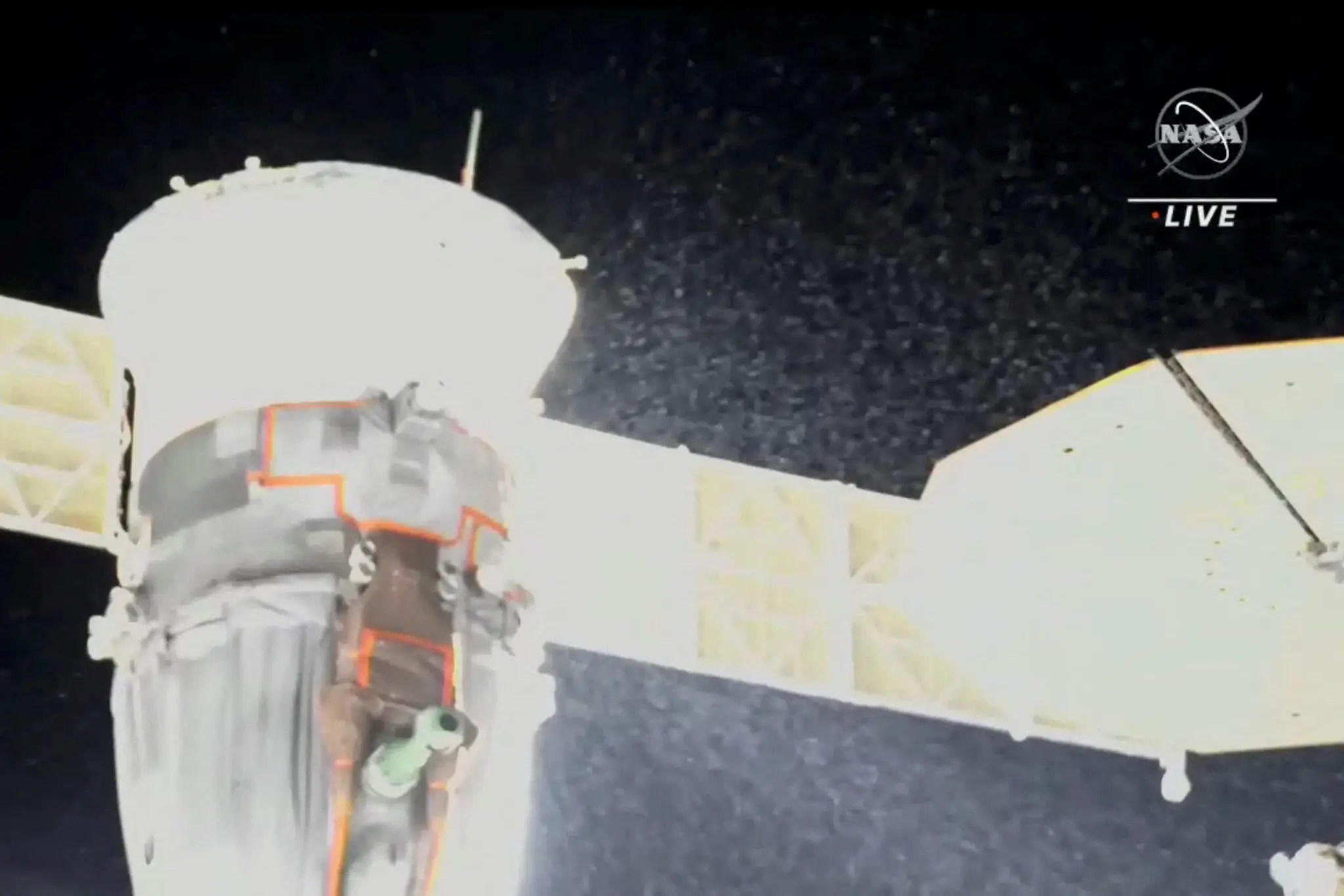
Russian Spacewalk Is Canceled Because of Coolant Leak A spacewalk by two Russian astronauts aboard the International Space Station was canceled at the last minute after mission controllers noticed a spray of white particles leaking from an attached spacecraft. The problem, NASA said later, was a coolant leak…more
-NYT
Give Thanks for the Winter Solstice. You Might Not Be Here Without It. On Dec. 21, or Wednesday this year, the sun will hug the horizon. For those of us in the Northern Hemisphere, it will seem to barely rise — hardly peeking above a city’s skyline or a forest’s snow-covered evergreens — before it swiftly sets…more
-NYT
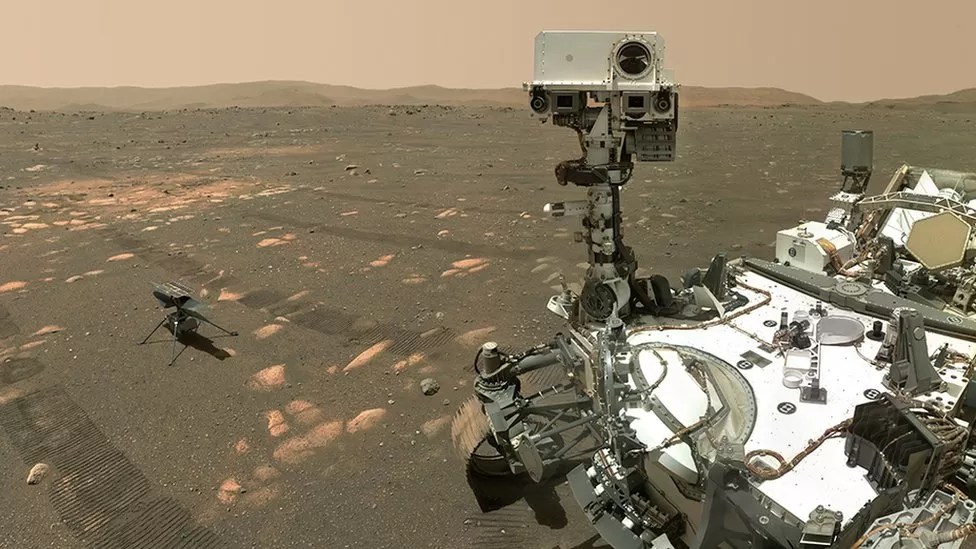
Perseverance: Nasa Mars rover to lay down rocks for Earth return The American space agency’s Mars rover Perseverance will this week begin dropping samples of rock on to the surface of the Red Planet. It’s a major milestone in the quest to find out whether there is life on Mars…more
-NASA
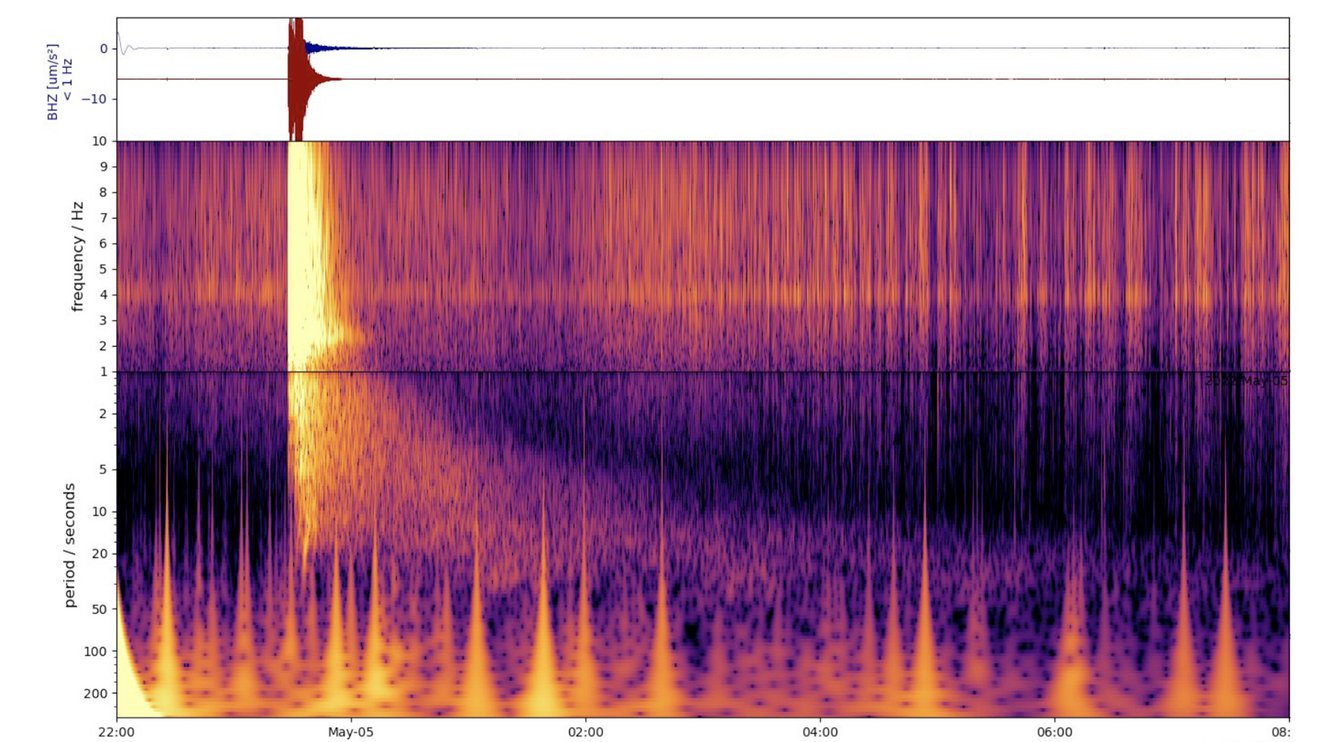
NASA’s InSight Records Monster Quake on Mars Estimated to be magnitude 5, the quake is the biggest ever detected on another planet. NASA’s InSight Mars lander has detected the largest quake ever observed on another planet: an estimated magnitude 5 temblor that occurred on May 4, 2022…more
-BBC
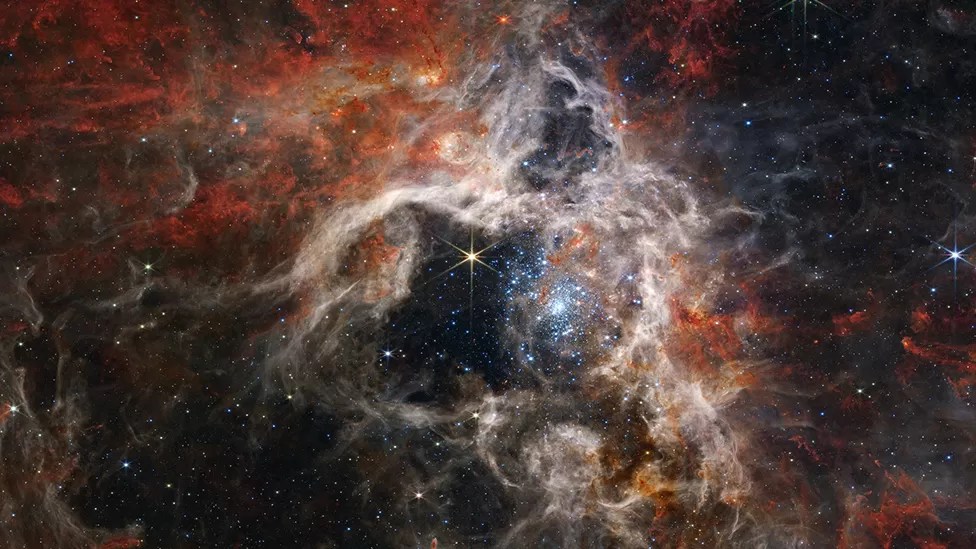
James Webb telescope’s ghostly ‘Pillars of Creation’ It was the $10bn gift to the world. A machine that would show us our place in the Universe. The James Webb Space Telescope was launched exactly a year ago, on Christmas Day. It had taken three decades to plan, design and build…more
Director Rex Parker is traveling. He will be out for December’s meeting
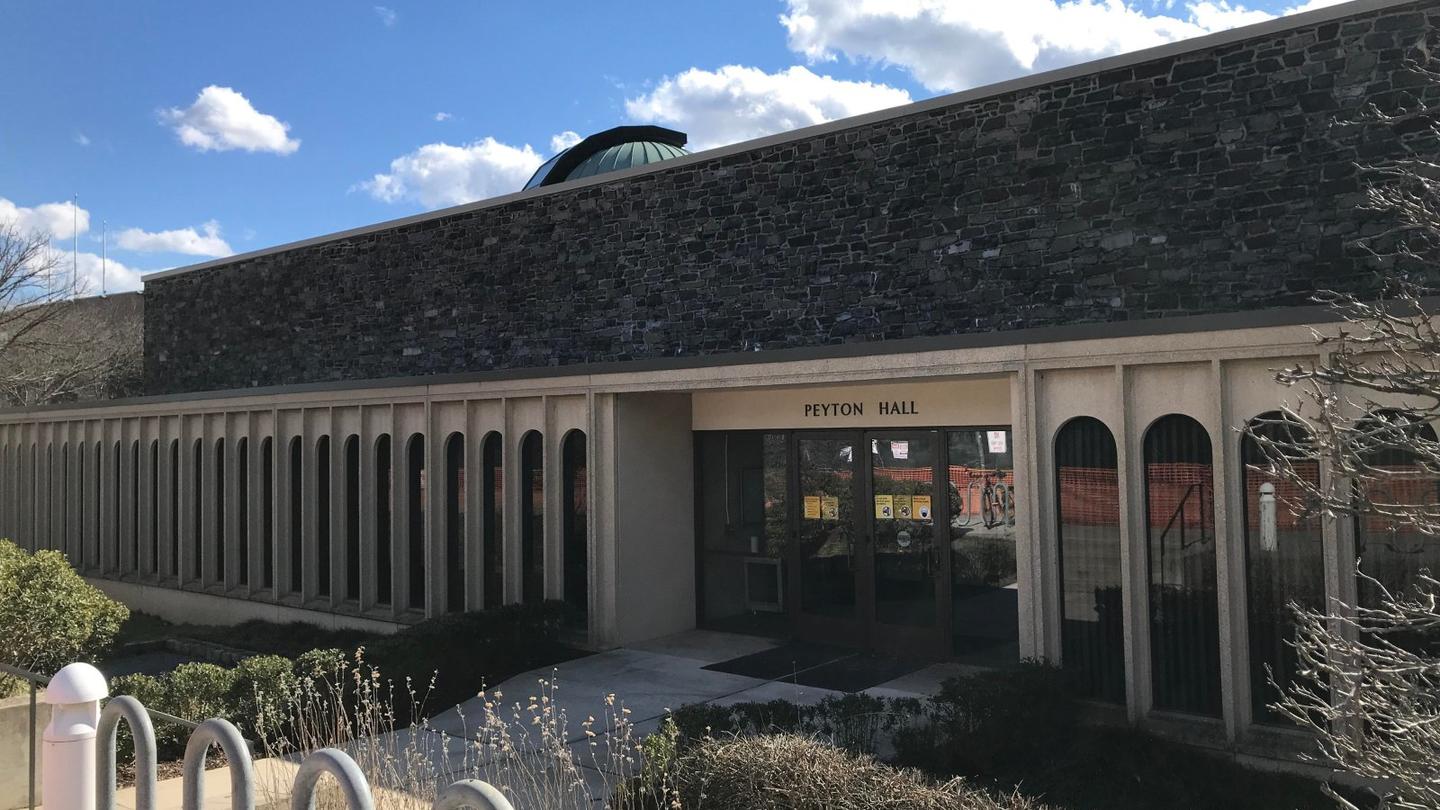
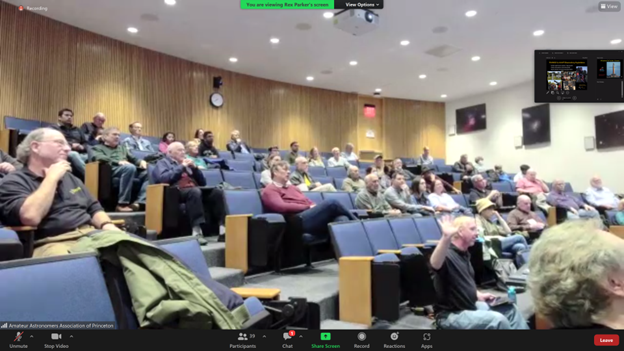
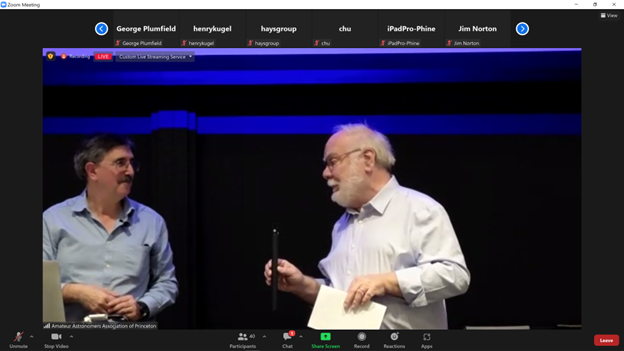
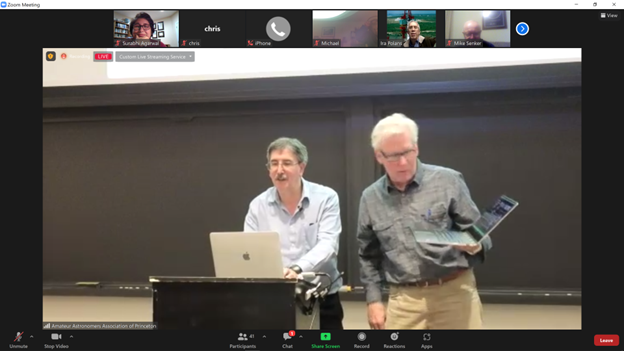

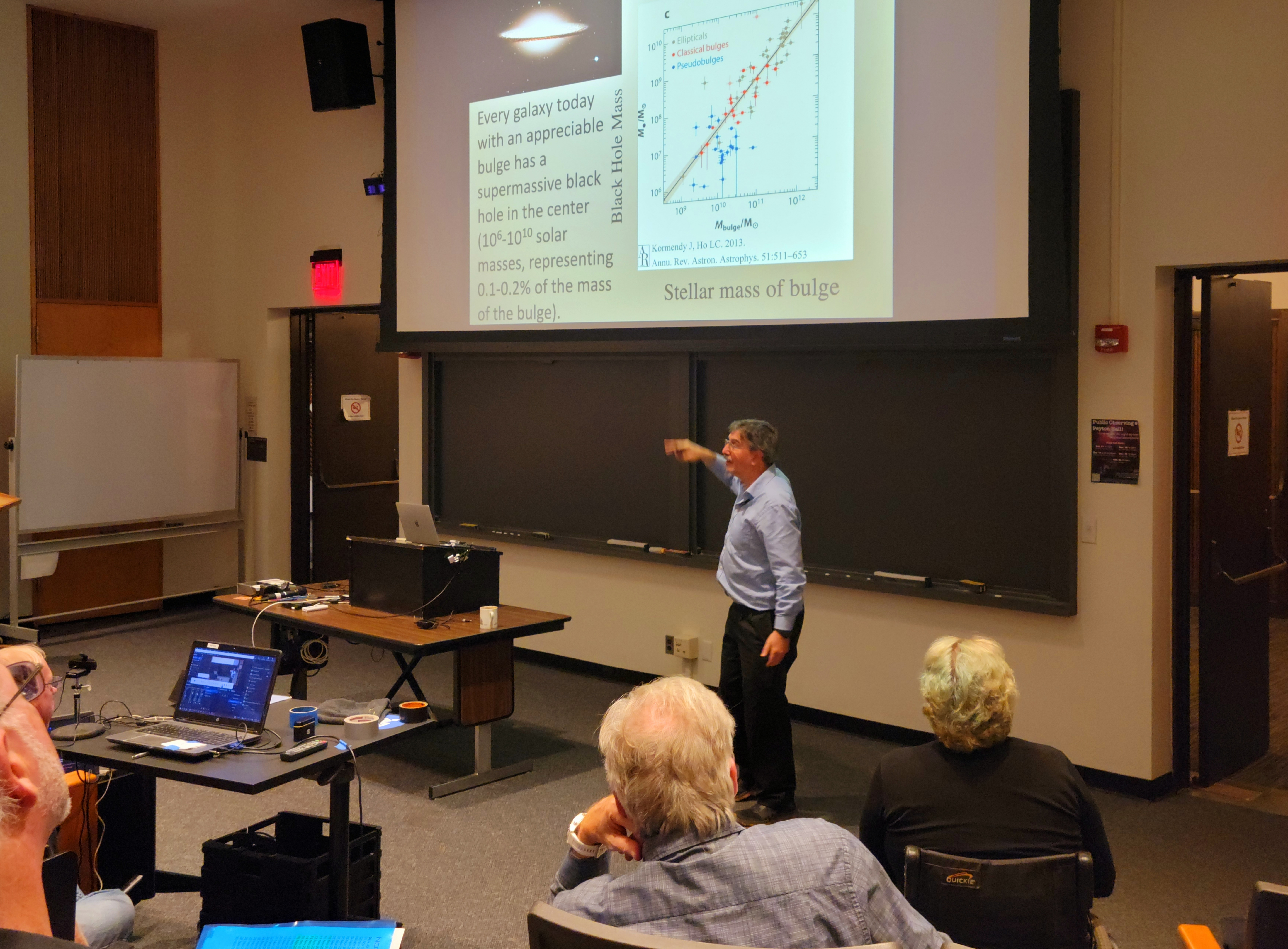
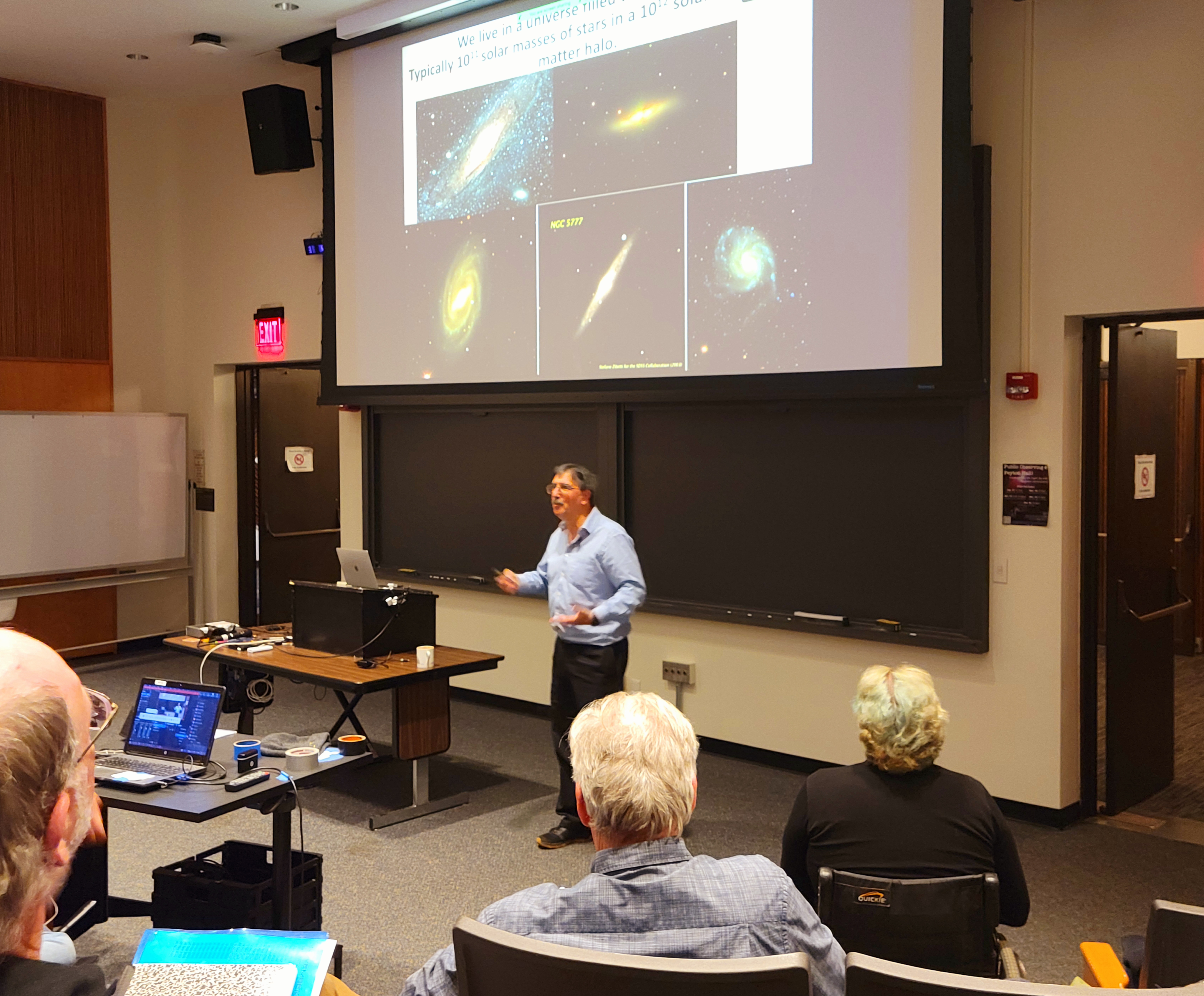
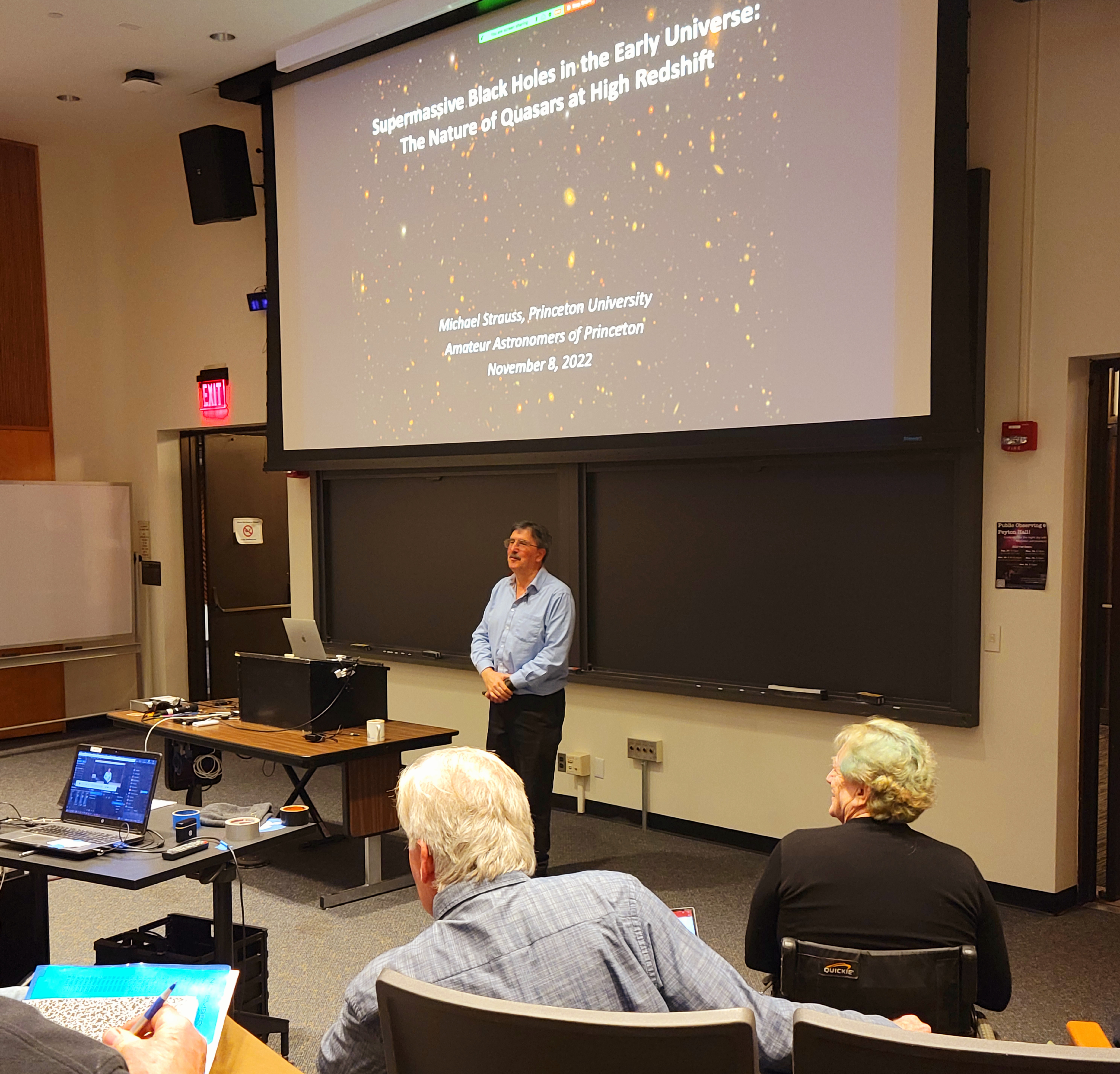
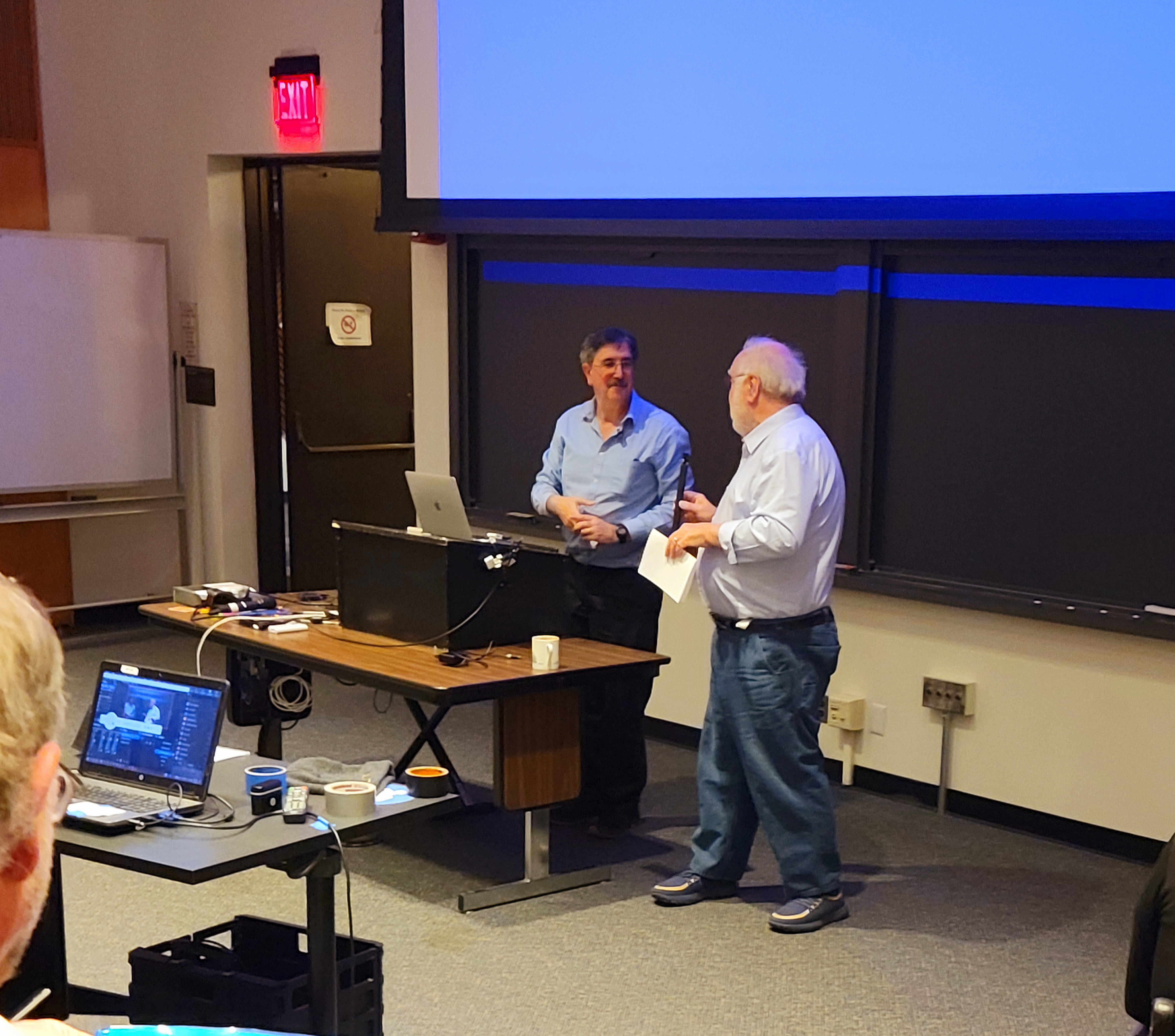
AAAP’s Return to Peyton Hall, Nov 8. At long last AAAP members met again in person at Princeton University’s Peyton Hall auditorium on Nov 8. Peyton has been the home of Princeton Astrophysics for over 55 years.
Director Rex pointed to an interesting history of Peyton presented by Prof. Ed Jenkins in Dec 2016 in his column last month. See this link: https://www.youtube.com/watch?v=91inLzBk-pQ
Photo credits: Debra Mayes in person at Peyton & Surabhi Agarwal via Zoom
AAAP Revisits Peyton Hall on the Campus of Princeton University
The December 2022 meeting of the AAAP will take place IN PERSON on Tuesday, December 13th at 7:30 PM. As usual, the meeting is open to AAAP members and the public.
Hybrid Meeting
You may choose to attend the meeting in person or participate via Zoom or YouTube as we’ve been doing for the past few years. (See How to Participate below for details). Participants who choose to participate virtually will be able to log in to the meeting as early as 7:00 pm to chat informally with others who log in early. We’ve had some security concerns during a past broadcast, so we are re-instituting the Zoom waiting room. Please be patient for the host to recognize you and grant you entry into the meeting. Be aware that you must unmute yourself to be heard by other participants.
For the Q&A session, you may ask your question using Zoom’s chat feature or you may unmute yourself and ask your question directly to the speaker. To address background noise issues, we are going to follow the rules in the table below regarding audio. If you are not speaking, please remember to mute yourself. You are encouraged, but not required, to turn your video on.
Director Rex Parker will be out of town (out of the country, in fact) for December’s meeting, so Assistant Director Larry Kane will guide the meeting.
Meeting Event
Participant Can Speak?
Participant Can Self-Unmute?
Pre-meeting informal chatting
Start All on Mute
Yes
Assistant Director Larry Kane’s General Remarks
Start All on Mute
Yes
Program Chair Victor’s Speaker Introduction
Start All on Mute
Yes
Speaker Presentation: Prof. Prof. Joshua Winn Exoplanets: Science and Science Fiction
No
No
Q&A Session
Start All on Mute
Yes
Business Meeting
Yes
Yes
Assistant Director’s remarks/Informal chatting
Start All on Mute
Yes
Getting to Peyton Hall
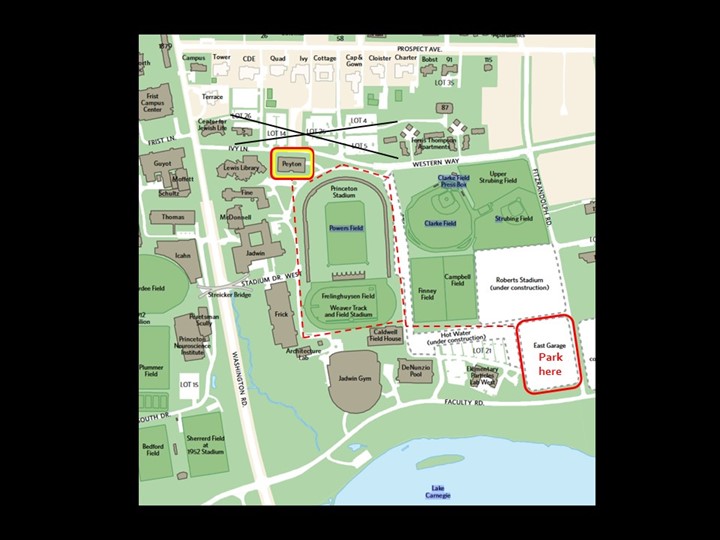
The parking lots across the street (Ivy Lane) from Peyton Hall are now construction sites, unavailable for parking. We’ve been advised by the administration of the astrophysics department that we should park in the new enclosed parking garage off Fitzrandolph street and walk around the stadium and athletic fields. Here’s a map of the campus and walking routes from the parking garage to Peyton Hall. The map shows the recently completed East Garage. Not shown is an access road Sweet Gum that connects from Faculty Road to an entrance at the lower left corner of the garage. Stadium Road connects from Fitzrandolph Road to another entrance at the opposite corner (and higher level) of the garage.
Recent reconnaissance visits to campus show that the walk from the parking garage to Peyton Hall takes about 15 minutes. We will post small signs marking the path.
“Meet the Speaker” dinners
Along with our return to Peyton Hall, we are re-instituting our “Meet the Speaker” dinners at Winberie’s Restaurant & Bar at One Palmer Square. The restaurant has a meeting room that accommodates up to 30 people. I have reserved this room for 5:45 pm on meeting night. Please contact me by phone or email if you are planning to attend.
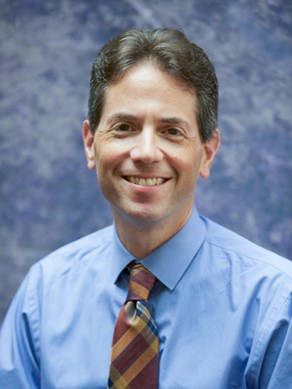
Professor of Astrophysical Sciences Director of Graduate Studies, Princeton University jnwinn@princeton.edu
Exoplanets: Science and Science Fiction
For centuries, people have wondered whether the stars in the sky harbor planets of their own. Astronomers began discovering such “exoplanets” in the 1990s, and by this point, more than 6,000 are known. One reason to study exoplanets is to learn about the process of planet formation; another is to seek planets that might be suitable for life as we know it. This presentation will concentrate on a less scientific reason: to try ‘confirming’ science fiction. Does the universe really contain lava-covered planets, planets with two Suns, planets near black holes, and other worlds familiar from science fiction?
Joshua Winn, PhD Josh Winn’s research goals are to explore the properties of planets around other stars, understand how planets form and evolve, and make progress on the age-old question of whether there are other planets capable of supporting life. His group uses optical and infrared telescopes to study exoplanetary systems, especially those in which the star and planet eclipse one another. He was a Participating Scientist in the NASA Kepler team and is a Co-Investigator and Architect of the ongoing Transiting Exoplanet Survey Satellite mission. Over the years, he and his group have also pursued topics in stellar astronomy, tidal evolution, planetary dynamics, radio interferometry, gravitational lensing, and photonic bandgap materials.
How to Participate if you are attending via Zoom:
Please make sure you have Zoom installed on your computer. You do not need a Zoom account or to create one to join the meeting. Nor are you required to use a webcam.
Please see below for the link to the meeting, or visit our website.
Topic: AAAP December Meeting-Dr. Joshua Winn of Princeton will speak on “Exoplanets: Science and Science Fiction.” Time: Dec 13, 2022 07:00 PM Eastern Time (US and Canada)
AAAP webcast: This month’s AAAP meeting, beginning with Rex’s opening remarks and ending at the beginning of the business meeting, will be webcast live on YouTube and recorded for subsequent public access on AAAP’s YouTube channel. Be aware that your interactions during this segment, including questions to our guest speaker, may be recorded for posterity.
Join YouTube Live to listen to the speaker using the link below –
This session will be recorded and saved on YouTube. Send me an email at program@princetonastronomy.org if you have any concerns.
“Unjournal Club”
There is no “Unjournal Club” presentation scheduled this month. As you may know, guest speakers receive a baseball cap with the AAAP logo embroidered upon it as a “thank you” for making a presentation to us. We’re expanding the hat giveaway to members who contribute an “Unjournal Club” presentation to encourage participation.
We hope to make these short presentations a regular feature of our monthly meetings. We’d like to know what members are doing or what members are thinking about in the broad range of topics encompassed by astronomy. A brief ten-minute (or so) presentation is a good way to introduce yourself and the topics you care about to other club members. If you are interested in presenting a topic of interest, please contact either director@princetonastronomy.org or program@princetonastronomy.org.
A look ahead at future guest speakers:
January 10, 2023 Virtual meeting
Alyssa Pagan, Space Telescope Science Institute Alyssa works to process the JWST images that have been leaving us sockless. She’ll talk about JWST and her work turning its data into images. This meeting will be virtual only, while renovations to Peyton Hall’s lecture hall are completed.
February. 2023
Jenny Greene, Princeton University Professor of Astrophysics Jenny recently wrote an article on middleweight black holes for Sky & Telescope. She will discuss the contents of her article.
March 14, 2023
Joe DePasquale, Space Telescope Science Institute Joe is Senior Data Imaging Developer in the Office of Public Outreach at the Space Telescope Science Institute. A colleague of Alyssa’s, Joe will describe his work turning JWST data into images.
April 11, 2023
Ira Polans, former Program Chair of AAAP Rising nearly 400 feet above the desert floor in a remote section of ancient Anasazi territory in New Mexico is a sacred Native American site that a thousand years ago revealed the changing seasons to Anasazi astronomers. Ira will present a documentary film about the “Sun Dagger” and talk about indigenous people of New Mexico. Note that this film is solely for viewing by in-person members, as copyright restrictions will not permit broadcasting it on the internet.
May 9, 2023
Gary Rendsburg, Distinguished Professor of Jewish Studies and History at Rutgers. Prof. Rendsburg will talk about “The Jewish Calendar,” with emphasis on its astronomical connections to lunar months, intercalated month to adjust to the solar year, festival days, and new moon observances.
June 13, 2023
Bill Murray, AAAP’s Outreach Director and staffer at NJ State Museum planetarium Bill will give his traditional planetarium show at the New Jersey State Museum in Trenton.
As always, members’ comments and suggestions are gratefully accepted and much appreciated.
Solar Observing in Millington, NJ Save the date: April 23, 2023 – Long Hill Township Street Fair. Each year I set up solar telescopes at the Long Hill Township street fair. This is the town I live in, and although I realize it’s a bit of a schlep for many AAAP members, I’d be delighted to have the participation of my fellow astrobuddies. There are lots of kids with sticky fingers and unhealthy food, and I always have a good time. My participation is weather dependent, so please check in with me if you’re thinking about coming out.
Director Rex Parker convened the meeting at 1937 in the Peyton Hall auditorium and on Zoom. We are thrilled to have been invited back to the Princeton University campus for the first time since the pandemic. Our hope is to make all our meetings hybrid by Zooming the in-person gathering.
Rex briefly shared his agenda items:
Still seeking ideas to celebrate our 60th.
Anniversary logos are available on AAAP merchandise.
Artemis program overview.
Lunar South Pole water ice – challenge
At 1946 Program Chair Victor Davis introduced speaker Dr. Michael Strauss, Professor and Chair, Department of Astrophysics, Princeton University. His topic was The First Black Holes in the Universe: Searching for the Highest Redshift Quasars.
NOTE: The recording of this and other AAAP talks can be found on the AAAP YouTube page at
During and after the break authors Drs. Strauss and Vanderbei held a book signing.
The meeting was reconvened at 2018.
The Lunar South Pole Challenge is even more difficult than originally anticipated
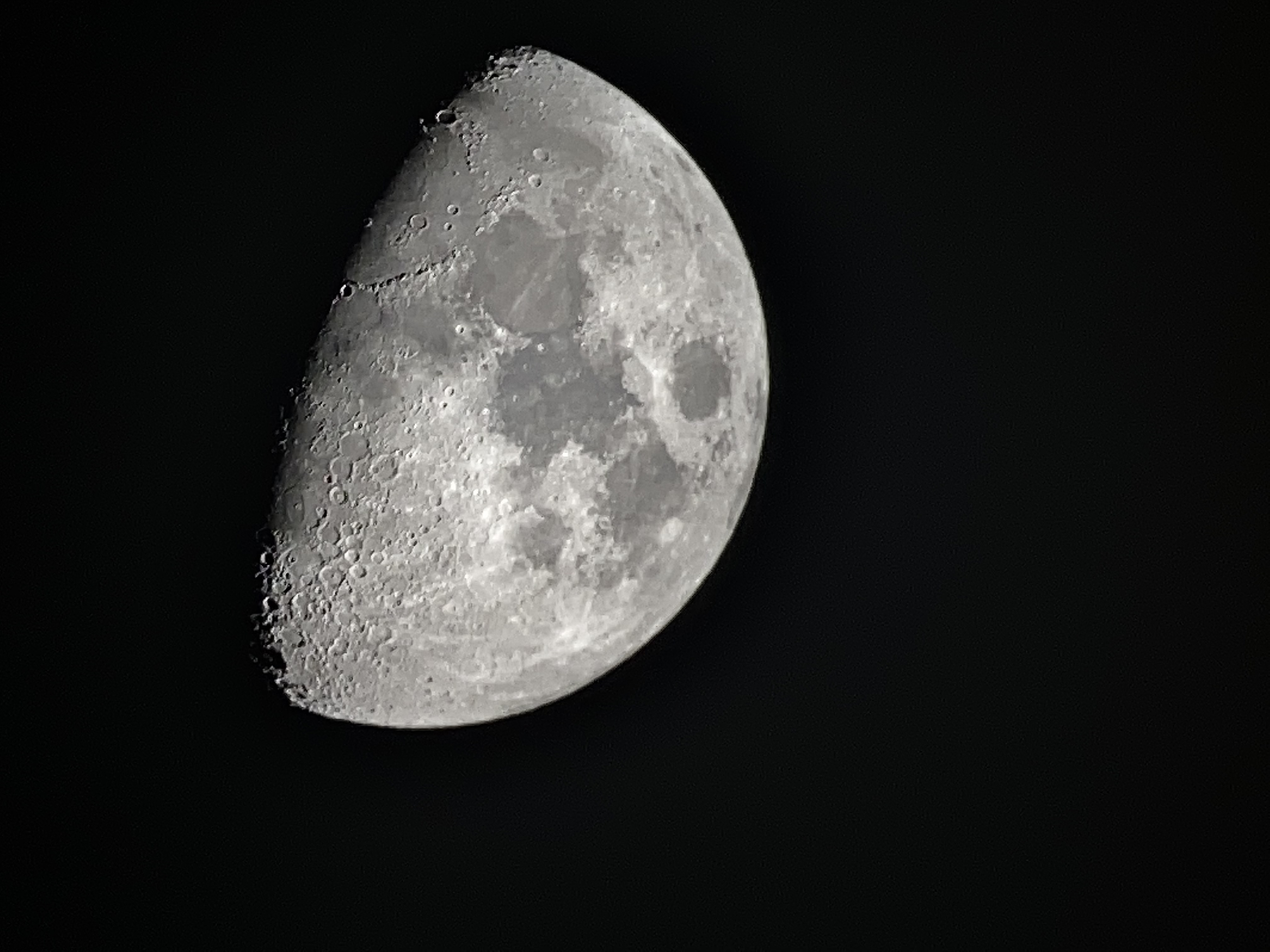
Rex shared his image
Member Tom Swords shared his image and that SkySafari can point to named craters
Rex reviewed some of the sights now in the night sky and demonstrated the miracle that the Optolong L-Extreme filter can achieve with planetary nebulas and recommended them as targets at this time of year. He noted that the Abell catalog of planetary nebulas is included in TheSkyX (and in SkySafari).
Outreach Chair Bill Murray reported that:
We opened the observatory on Saturday October 15 to host some 120 scouts. Their leaders metered the boys through very effectively, so we were never overwhelmed.
About a half dozen AAAP members took scopes to offer a star gazing evening to a couple dozen campers in Mercer Meadows on October 29.
He found skies as dark or darker than Cherry Springs when attending the Almost Heaven Star Party in West Virginia but pointed out that it is a camping-only venue.
Recommended viewing is the 2016 Ed Jenkins presentation on the history of Peyton Hall:
Recommended reading: American Prometheus: The Triumph and Tragedy of J. Robert Oppenheimer The Making of the Atomic Bomb
One can follow the work and writings of Avi Loeb, or speaker last month, on medium.com: https://avi-loeb.medium.com/
Dr. Jim Green, recently retired from NASA, spoke to us here in Peyton Hall in 2016. He has authored a paper recommending a framework for evaluating and reporting evidence of extraterrestrial life. The abstract is available for free at https://www.nature.com/articles/s41586-021-03804-9, but he responded to my correspondence with a copy of the full article. Please email secretary@princetonastronomy.org if you would like a copy.
We will hopefully meet here again in December.
The meeting was adjourned at 2200.
We had 60 attendees in the room and 40 online.
Our membership currently numbers 191 of which 53 have joined this calendar year, 27 since the June meeting. We have had 107 renewals while 55 have allowed their membership to expire, giving us a 66% retention rate.
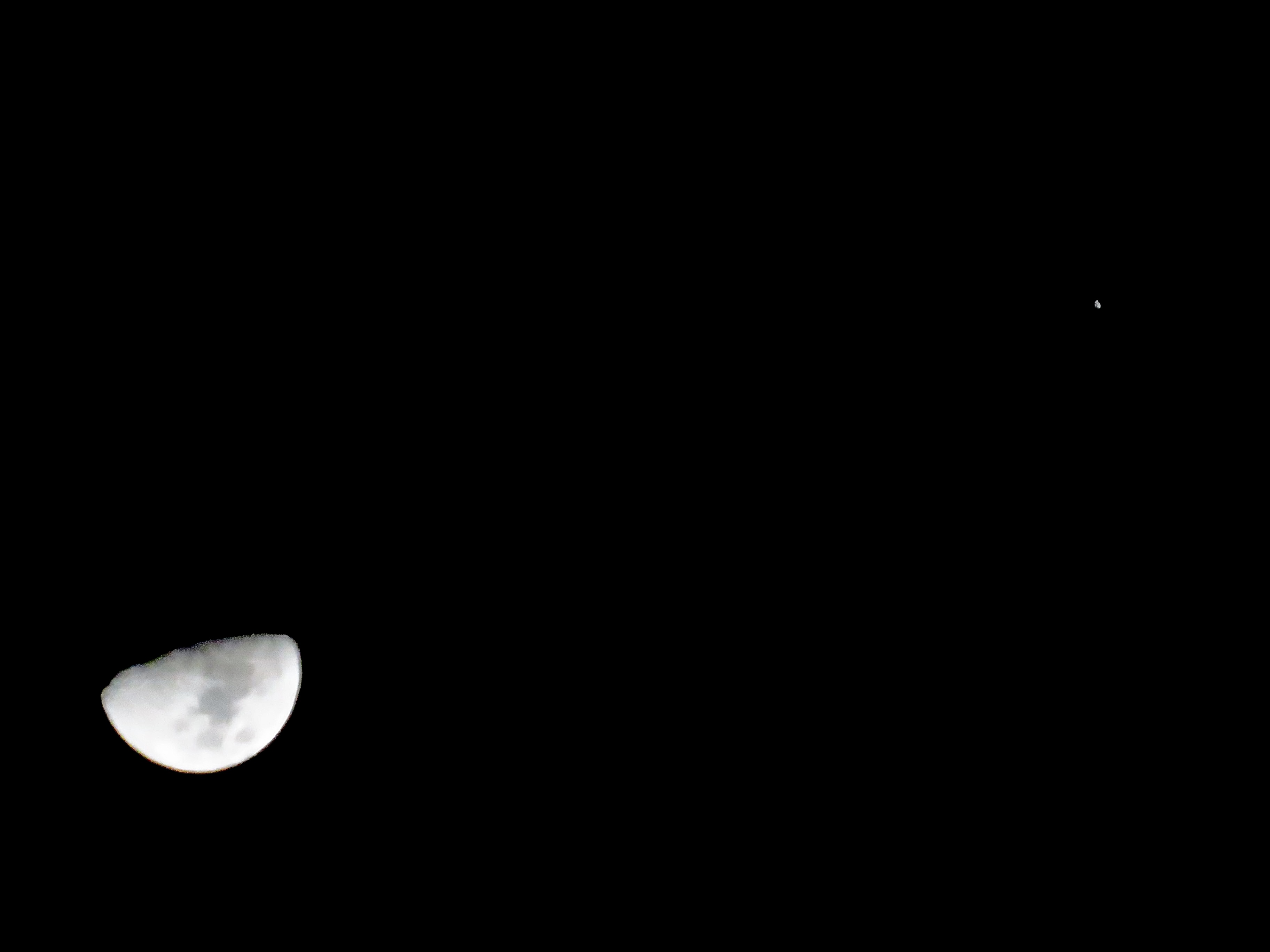
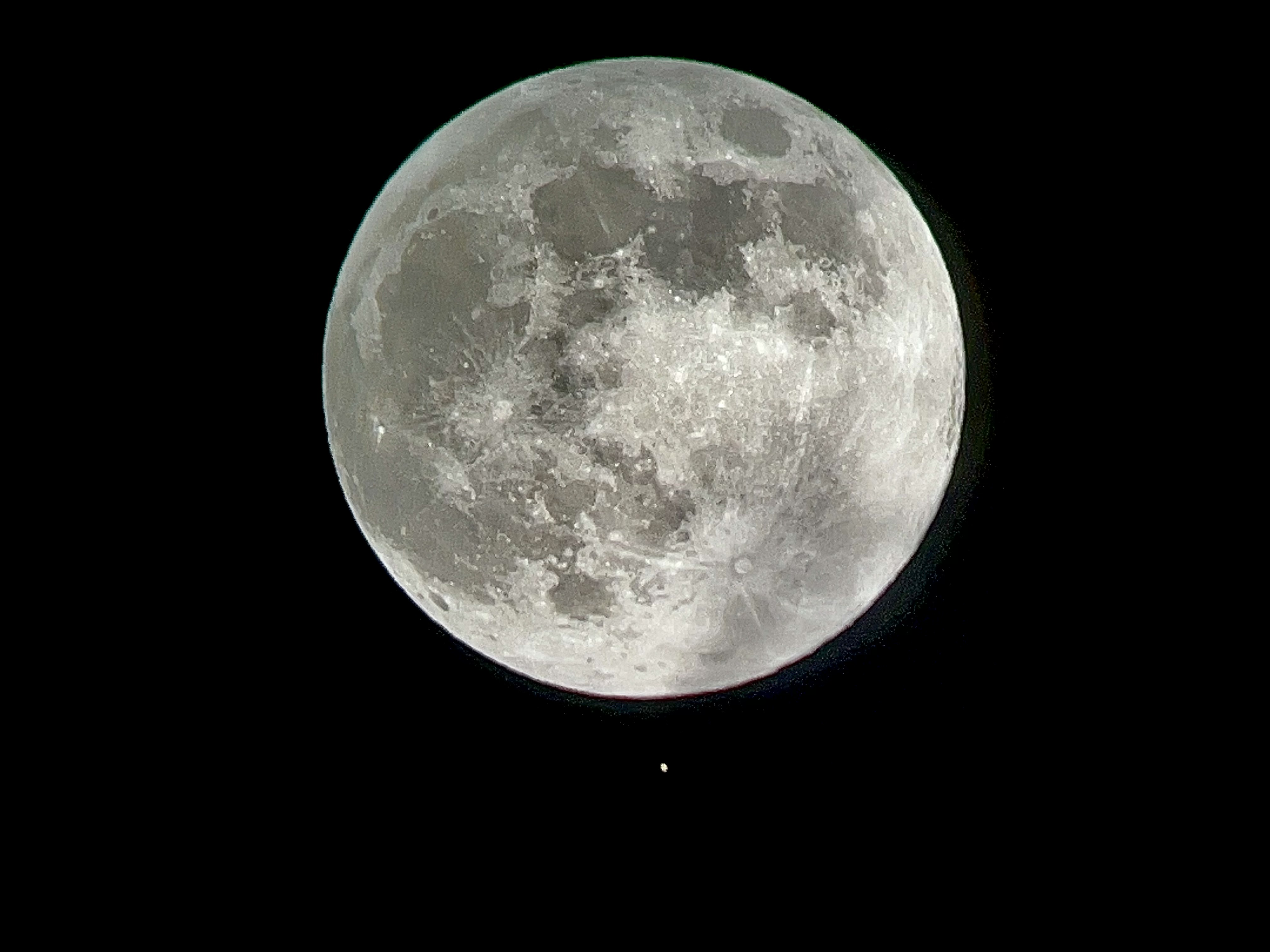
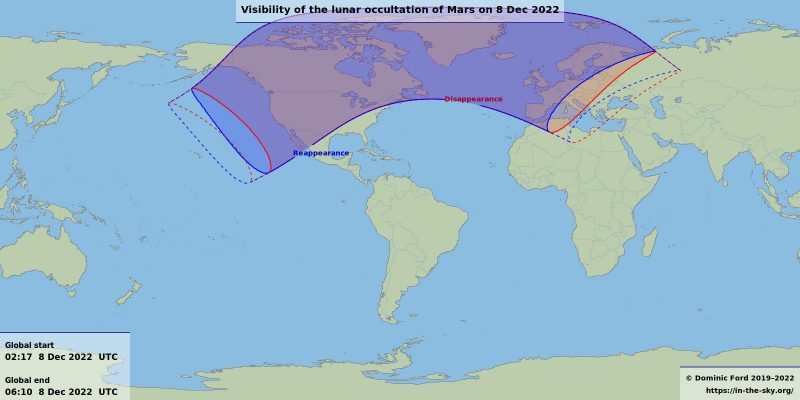
I wanted to alert those interested that there is a potentially spectacular observing event on the evening of Wed. Dec. 7th.
On that evening: 1. The Moon is full at 11:08 PM 2. Mars is at opposition less than 2 hours later at 12:36 AM on the morning of the 8th. 3. The two will be very, very close – about 11 PM the Moon will skim 1′ (about 5 Mars diameters) above Mars. 4. This is a very rare occurrence. For most of the country Mars will actually be occulted by the Moon but unfortunately not here in NJ. The Moon and Mars are very high (71° altitude) so if you can see straight up you should be able to see them.
We can meet in person (at the observatory) to view this event or since is late in the evening midweek we can set up a virtual EAA session to view it. Either way, we will send information out to members once the Observatory Chair decides.
Very powerful ground based optical telescopes are found mostly in Chile and Hawaii. Some in the Canary Islands. There is an observatory nestled in the foothills of Himalayas in an Indian town called Nainital. Called ARIES (Aryabhatta Research Institute of Experimental sciencES) and located about 7000 feet above sea level, getting about 200 clear nights a year on an average, it is a good site for optical astronomy. Thanks for the pointer which Surabhi has provided, I did not know of this scientific institution before.
Named for Aryabhatta, an Indian astronomer and a mathematician who lived in the fifth and sixth centuries AD. Aryabhatta lived before the Islamic golden age when the mantle of mathematics was carried forward by the Arabs. Incidentally, India’s first satellite launched in 1975 was also named in Aryabhatta’s honor.
The observatory was established more than fifty years back on Manora peak near Nainital. Starting with smaller telescopes, bigger ones were set up as time progressed. Due to the increasing light pollution as the town of Nainital grew, the new location about 15 miles away as the crow flies, about 35 miles away by road, Devasthal (meaning God’s place) was developed. Two such latest telescopes are established in Devasthal. Both these facilities, along with their telescopes, are managed by ARIES.
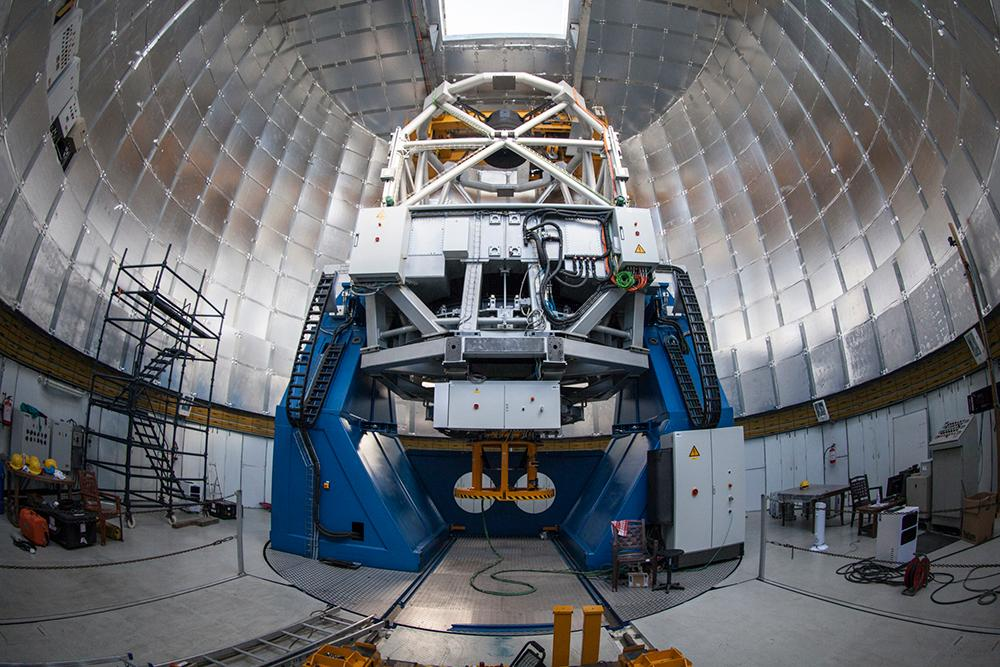
The 3.6 meters reflector telescope called DOT (Devasthal Optical Telescope) saw the first light in 2016. It is considered as the largest reflector telescope in Asia. The optics has been built in collaboration with the Belgian firm Advanced Mechanical and Optical System (AMOS). It features an optical spectrograph, a CCD imager and a near-infrared spectrograph. The telescope also has active optics containing a wavefront sensor and pneumatic actuators which compensates for small distortions in the shape of the 4.3 tonne mirror due to gravity or atmospheric aberrations. The picture shown below, courtesy ARIES, shows the DOT housed in a dome.
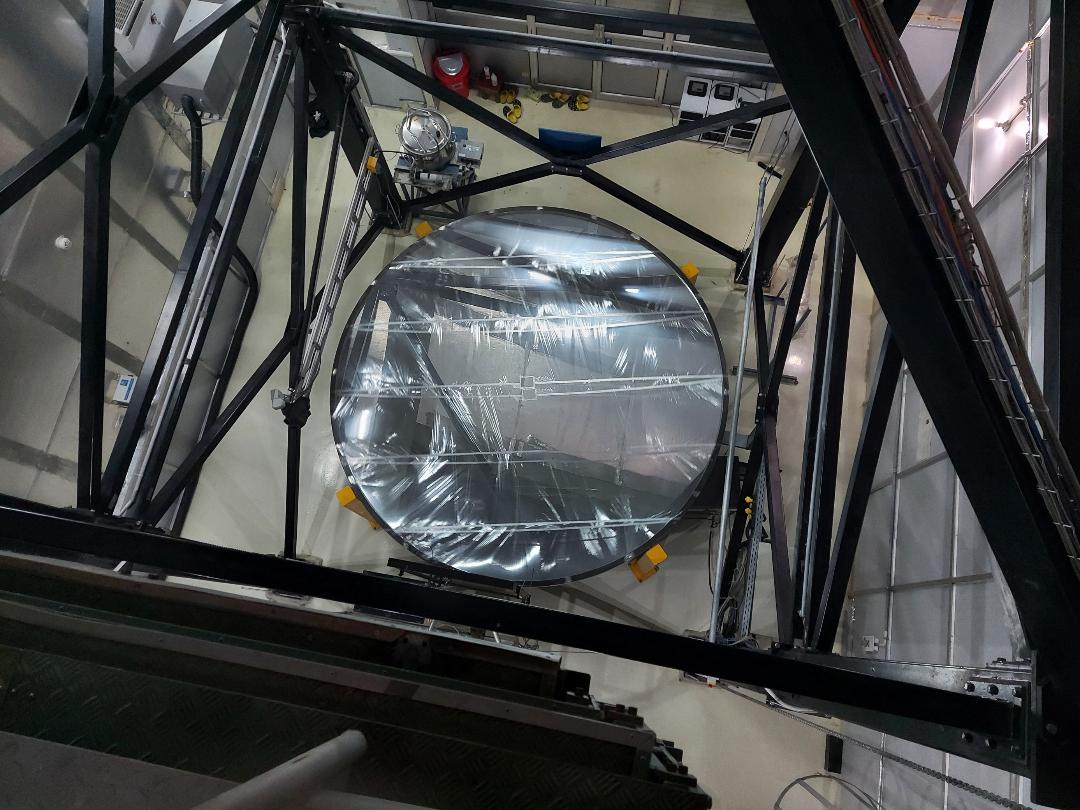
Second telescope is the 4 meter International Liquid Mirror Telescope (ILMT). It saw its first light recently in May 2022. It has a dish containing a reflecting liquid metal, which is essentially mercury. This dish sits on an air bearing. I never heard of such a liquid based telescope before. Given below is the picture, courtesy ARIES, of the liquid dish with a protective cover.
This telescope is very useful for gravitational lensing studies as well as for extragalactic objects like quasars, supernovae, galactic clusters etc. The picture given below, courtesy ARIES, shows a few galaxies with NGC 4274 in the top right corner. Gravitational lensing means that an object behind a massive object will present itself as a displaced image like a ring around the foreground object, or shifted to the right or left of the foreground object. Gravity bends the light coming from the background object and causes these distortions.
Although these telescopes pale in comparison with the 8-10 meter telescopes of Chile and Hawaii, there is a clear progression towards bigger and sophisticated telescopes. The future does bode well. Given the international collaborations happening with ARIES, consortiums could build bigger telescopes in the Himalayas. The altitude and the geography are comparable to Hawaii and Chile. And another place to add to my bucket list to visit !















 Amateur Astronomers Association of Princeton