
compiled by Arlene & David Kaplan
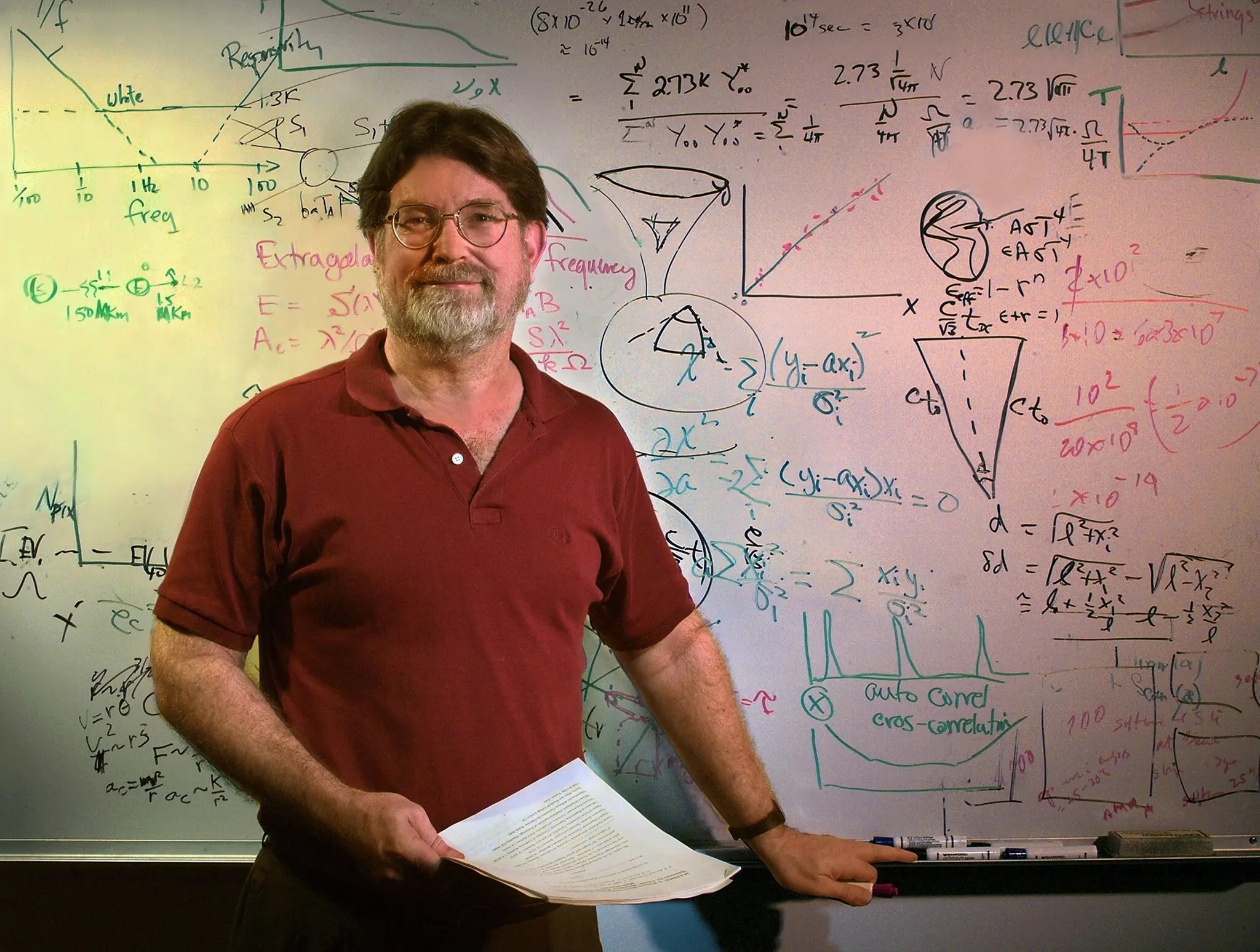
George F. Smoot, Who Showed How the Cosmos Began, Is Dead at 80 George F. Smoot, an American physicist and Nobel laureate who helped elucidate the story of cosmic creation, providing evidence of what he called the primordial seeds that grew into galaxies and galaxy clusters, died on Sept. 18 at his home in Paris….more
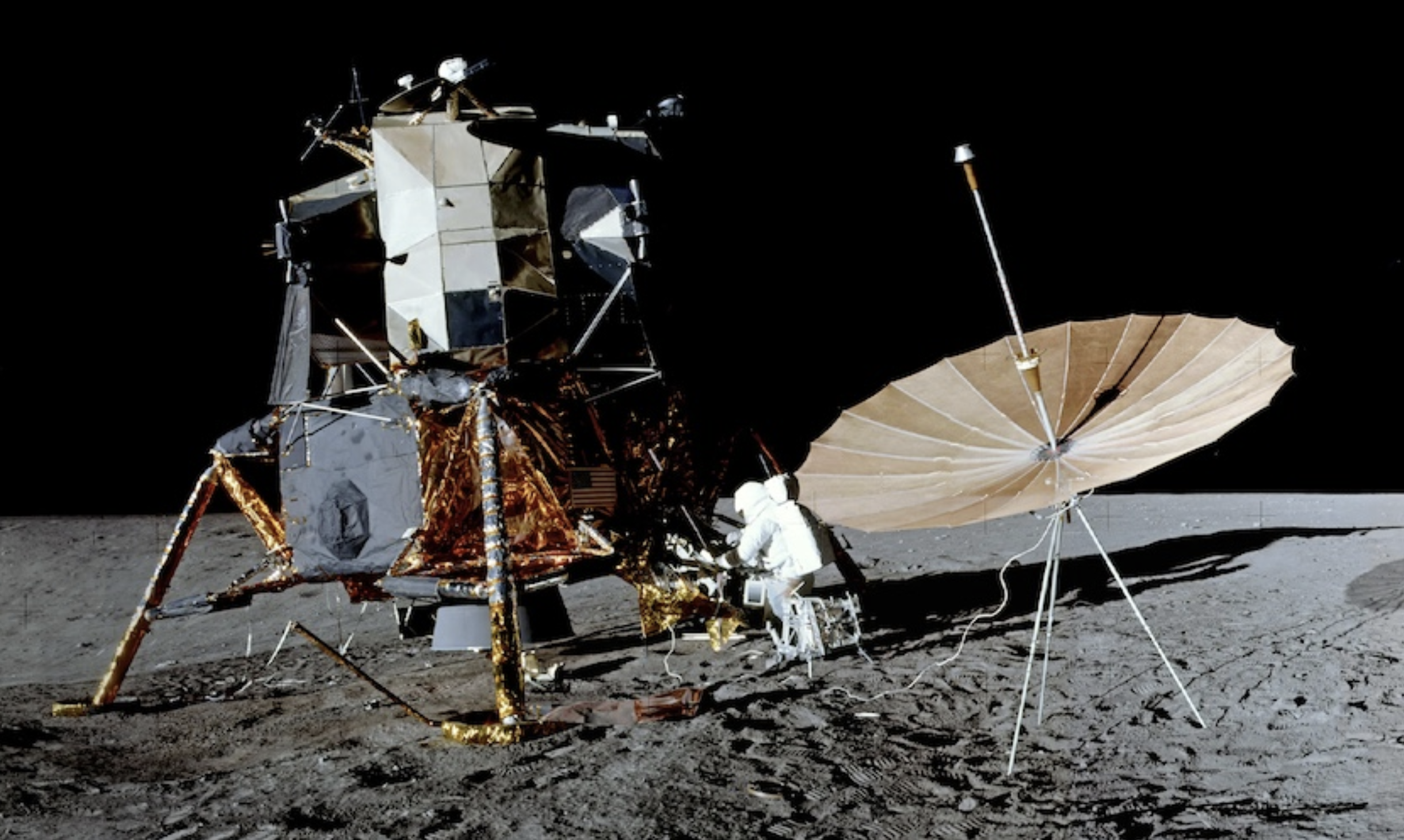
How Lunar Photography Brought the Heavens Down to Earth The darkness we expected. What we had underestimated was the silence: the quiet of the vacuum, disturbed only by our breath and the radio in our ears. We brought quite a bit of gear. There are only two of us up here, the third and fourth men on the moon…more
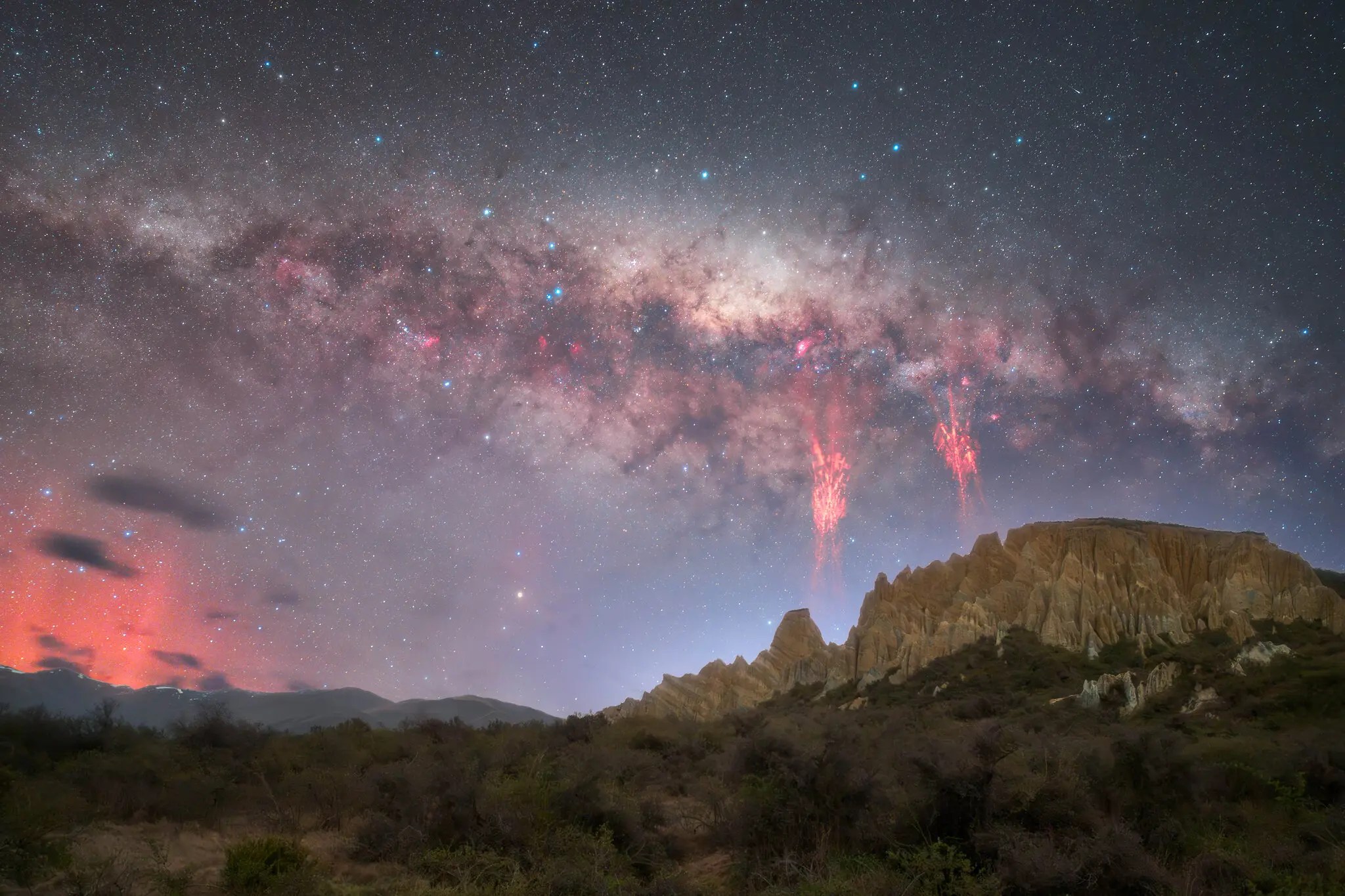
Take a Look at Rare Photos of Red Lightning in New Zealand About 150 miles southwest of Christchurch, New Zealand, far away from the light pollution in urban centers, three photographers planned to capture the Milky Way galaxy over the clay cliffs outside Ōmārama on the night of Oct. 11….more

An Army of Robot Telescopes in Texas Makes the Stars Feel Closer Than Ever During the day, this patch of land in sparsely populated Central Texas is not remarkable. Eleven buildings, nearly identical, look like bland, oversize backyard sheds. Several large R.V.s are parked nearby. Not long ago, cows grazed here….more
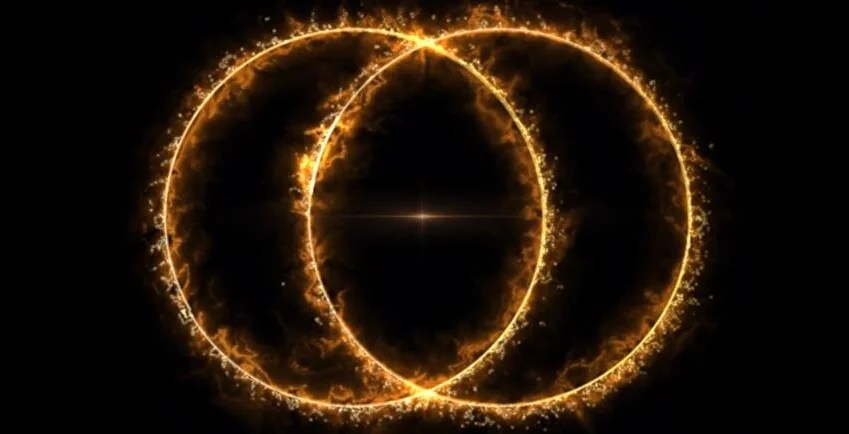
Astronomers discover most powerful “odd radio circle” twins ever detected Deep in outer space, astronomers have discovered another “odd radio circle” — the latest in a short list of mysterious rings that surround distant galaxies — and researchers say this one is particularly peculiar. “Odd radio circles,” or ORCs, are enormous and unexplained phenomena that can only be detected using radio telescopes…..more

SpaceX launches 11th test flight of giant Super Heavy-Starship rocket SpaceX launched its Super Heavy-Starship rocket on Monday for the 11th time, marking another successful test flight that built upon previous launches. Elon Musk, SpaceX founder and CEO, briefly made an appearance on the company’s livestream ahead of the launch, saying it was the first time that he was going to be outside to watch the rocket. ….more
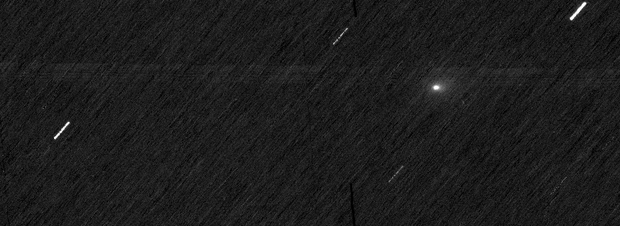
Interstellar comet passing by Mars seen in rare images A rare interstellar comet — only the third ever confirmed to enter our solar system — was photographed last week, closely approaching Mars, the European Space Agency said Tuesday. The images taken on Friday by two Mars orbiters show a bright, fuzzy white dot of the comet, also known as 3I/ATLAS,…more
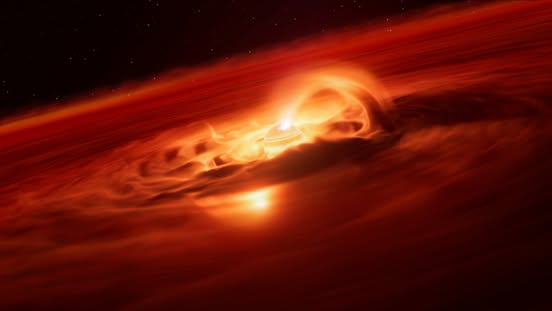
Mysterious “rogue planet” spotted gobbling 6 billion tons of gas and dust a second A mysterious “rogue planet” has been observed gobbling 6 billion tons of gas and dust a second — an unprecedented rate that blurs the line between planets and stars, astronomers said Thursday. Unlike Earth and other planets in our solar system, which orbit the sun, rogue planets float freely through the universe untethered to a star…..more

Unprecedented views of largest star-forming region in our galaxy captured by Webb telescope NASA’s powerful James Webb Space telescope has revealed a colorful spread of stars and cosmic dust in the Milky Way’s most active star-forming region. The telescope was studying Sagittarius B2, a massive molecular cloud, NASA said in a news release…more

Space weather satellites blast off to collect information on solar storms A cluster of space weather satellites blasted off Wednesday morning to cast fresh eyes on solar storms that can produce stunning auroras but also scramble communications and threaten astronauts in flight. The three satellites soared from Kennedy Space Center shortly after sunrise on the same SpaceX rocket….more
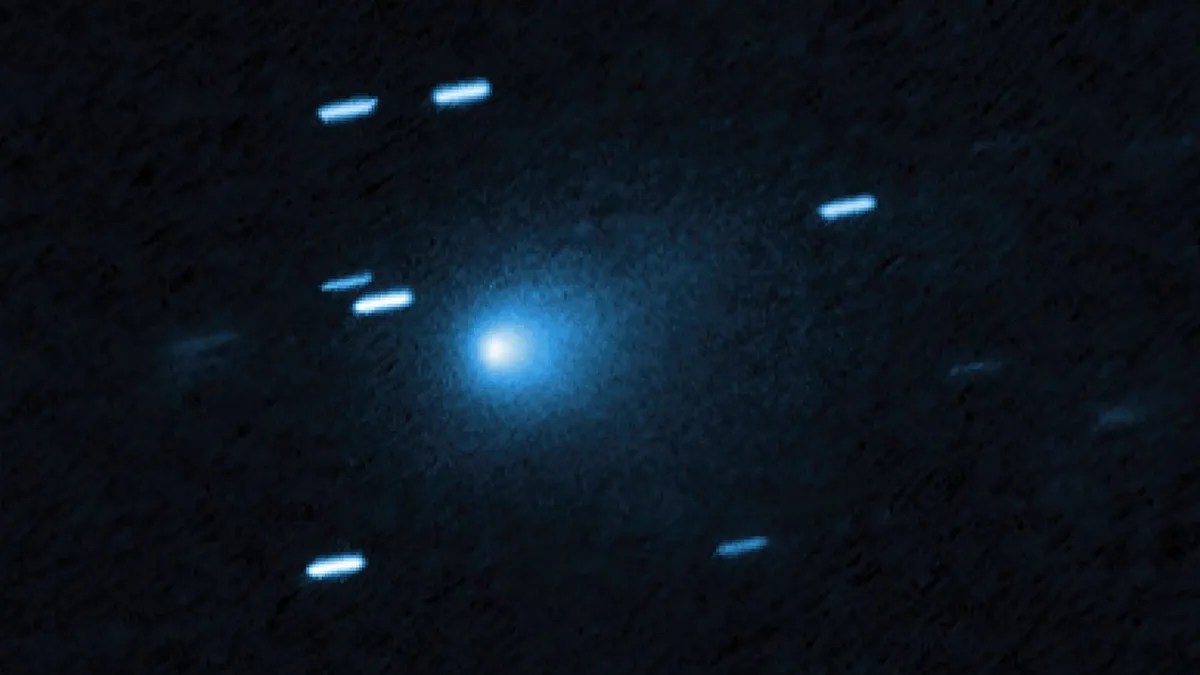
You won’t see intertsellar comet 3l/ATLAS zoom closest to the sun on Oct. 30 – but these spacecraft will The interstellar comet 3I/ATLAS is just a day away from perihelion, which is its closest point to the sun and the time around which it is expected to be most active. Although 3I/ATLAS is currently hidden from view from Earth, flying behind the sun, spacecraft elsewhere in the solar system still have the comet in their sights…more

 Amateur Astronomers Association of Princeton