
compiled by Arlene & David Kaplan

Something Very Tiny Is Following Earth Around the Sun The Earth stands alone in the solar system as a habitable world, as far as we know. But that doesn’t mean we don’t get visitors, most often in the form of (usually harmless) asteroids. Some even choose to stick around for a while, gaining a moonlike status….more
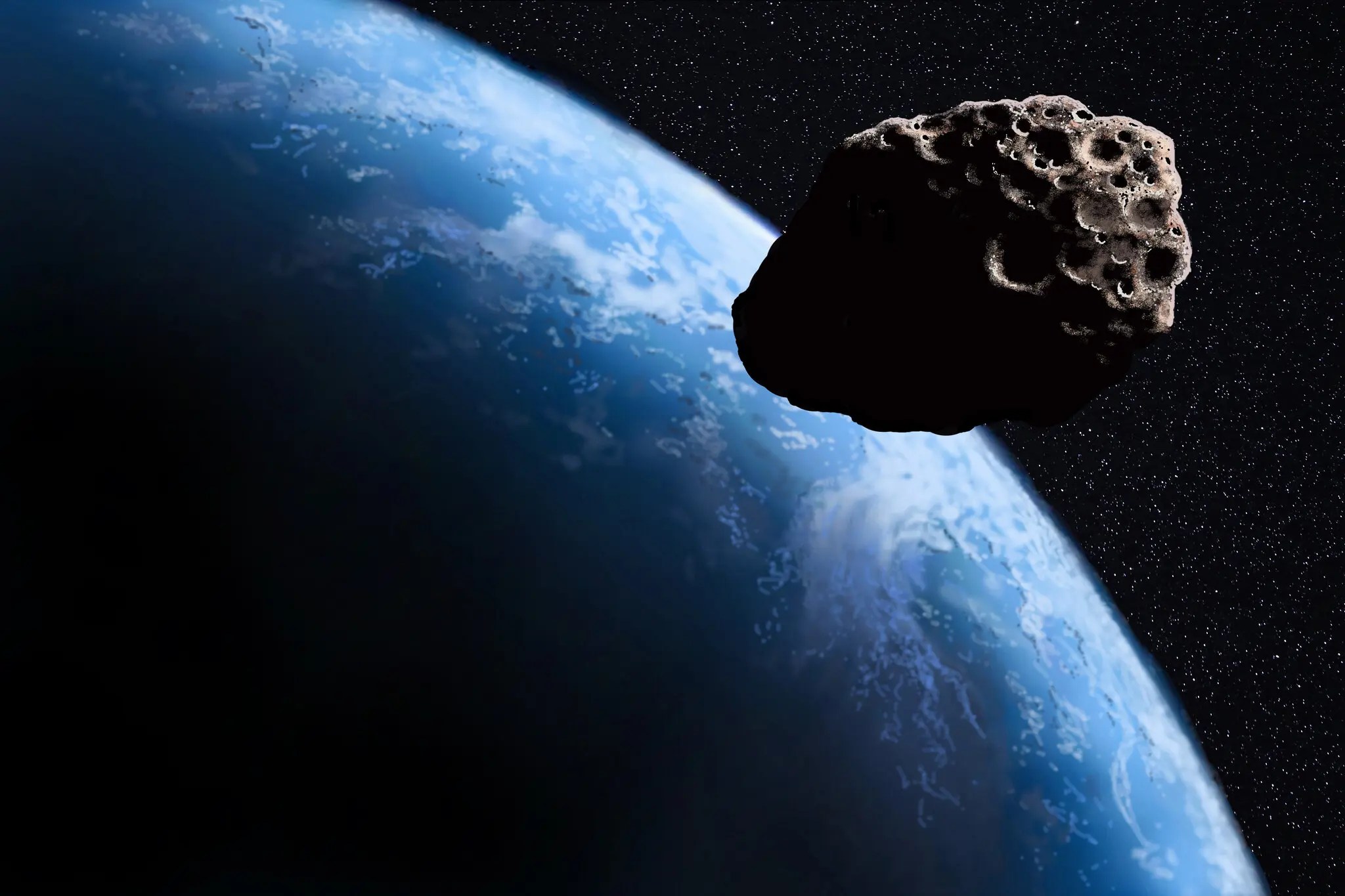
A Forgotten Cosmic Impact Was Hidden in a Museum’s Glass Shards Every few million years, give or take, a sizable asteroid slams into our planet. Researchers have now found evidence of such a cataclysm roughly 11 million years ago, thanks to shards from a more recent Earthly encounter with a giant space rock…more

What a Signal in a Failed Star’s Clouds Means for the Search for Life On a brown dwarf dozens of light years from Earth, astronomers have detected trace amounts of phosphine, a molecule that on this planet is produced by living things. This discovery is not life, the astronomers say. Any life as we know it would be impossible to sustain in such an environment…..more
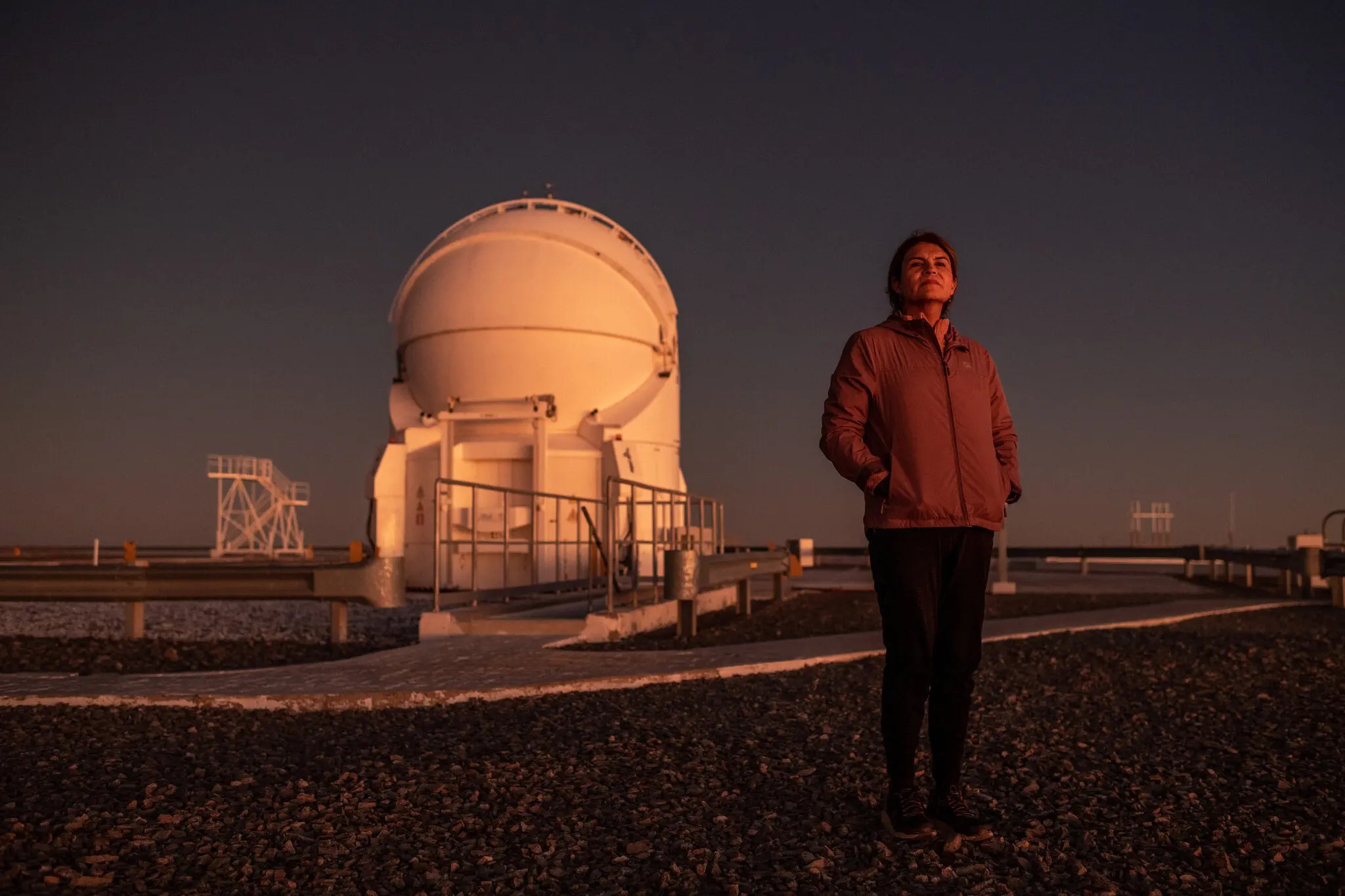
A Defender of Darkness in the Darkest Place on Earth When night falls in the Atacama Desert, in northern Chile, brilliant constellations shine down on the dry plains. So perfect was the inky blackness that the Indigenous people who live here believed they could make out the forms of animals in the dark spaces between the bright stars…..more

What is Betelgeuse? Inside the Strange, Volatile Star A blazing red supergiant shining brilliantly in the night sky, Betelgeuse is a star that has captured humanity’s awe and attention for centuries. The “right shoulder” in the constellation Orion (or left shoulder, as seen from Earth), Betelgeuse (or Alpha Orionis) is one of the brightest stars in the night sky and one of the largest stars ever discovered. But there is more to this ultra-bright stellar monster than meets the eye…..more

In a Rock on Mars, NASA Sees ‘Clearest Sign of Life’ So Far Life, especially the microbes too small to see, has left an indelible mark on rocks on Earth, creating minerals that would otherwise not be there. If some of those minerals turn up in rocks on Mars, is that not good evidence that life once existed there, too?….more

Happy Birthday, LIGO. Now Drop Dead. The space around It’s been 10 years since astronomers first felt the universe tremble. At 4 a.m. on Sept. 14, 2015, in both the desert of eastern Washington State and the backwoods of Louisiana, two beams of light began quivering in distant synchrony as the space through which they were traveling stretched and shrank at a rate of 250 times a second….more

Hopeful Hint of an Earthlike Atmosphere on a Distant Planet Around 40 light-years from Earth, seven rocky worlds orbit a cool, red star named Trappist-1. Some of these planets may be habitable to life as we know it, which has led astronomers to point the James Webb Space Telescope at each member of the septuplet. To date, they have been left disappointed: Several of the planets appear to be bare rocks exposed to the horrific void of space….more
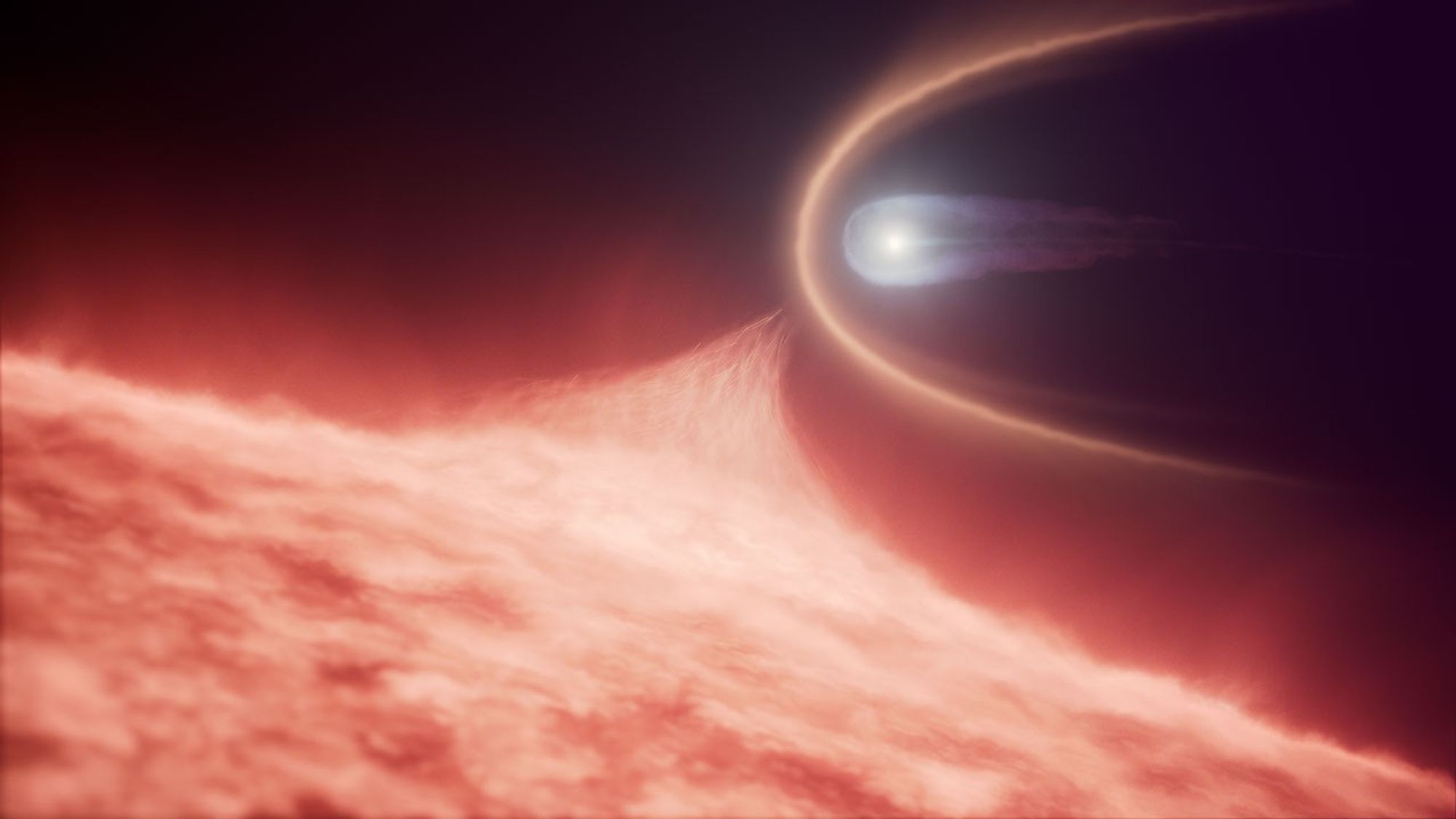
NASA’s Hubble Uncovers Rare White Dwarf Merger Remnant An international team of astronomers has discovered a cosmic rarity: an ultra-massive white dwarf star resulting from a white dwarf merging with another star, rather than through the evolution of a single star. This discovery, made by NASA’s Hubble Space Telescope’s sensitive ultraviolet observations, suggests these rare white dwarfs may be more common than previously suspected…more

NASA’s Apollo Samples, LRO Help Scientists Forecast Moonquakes As NASA prepares to send astronauts to the surface of the Moon’s south polar region for the first time ever during the Artemis III mission, scientists are working on methods to determine the frequency of moonquakes along active faults there. Faults are cracks in the Moon’s crust that indicate that the Moon is slowly shrinking as its interior cools over time. The contraction from shrinking causes the faults to move suddenly,….more

 Amateur Astronomers Association of Princeton