
compiled by Arlene & David Kaplan

Possible Planet Is Spotted Around Neighboring Alpha Centauri Star Alpha Centauri has gripped the imaginations of sci-fi aficionados for decades. Only four light-years from Earth, the three-star system inspires fictional alien worlds and journeys through interstellar space….more
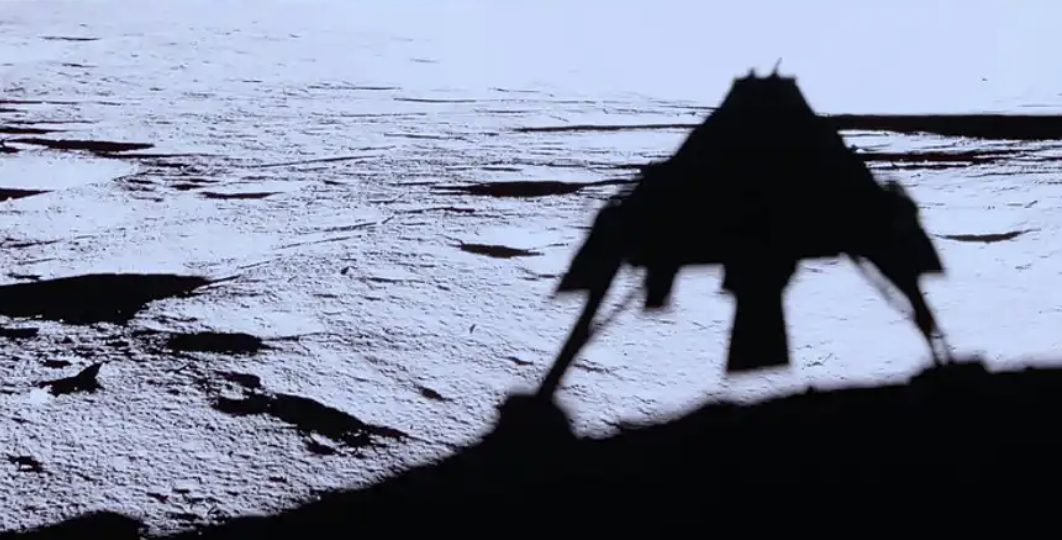
A Lunar Lander’s Busy Day Blue Ghost just completed its mission, which lasted a full lunar day — two Earth weeks — on the near side of the moon. The spacecraft, about the size of a small car, conducted a series of experiments. It drilled three feet into the lunar soil, took X-ray images of the magnetic bubble that surrounds and protects Earth and sought a mysterious yellow glow at sunset….more

Hints of Life on Exoplanet Recede Even Further In April, a team of scientists based at the University of Cambridge claimed that a planet orbiting a distant star bore a possible signature of life. The announcement kicked up a fierce debate among astronomers, with many skeptics arguing that the evidence was too ambiguous….more

Why This Pennsylvania City Put Its Streetlights on a Dimmer One recent night in July, Denny Robinson, a project manager for the City of Pittsburgh, stood on a street corner in the North Side, lit up by newly installed streetlights, fiddling with his phone. “Let’s dim it down to 24 percent,” Mr. Robinson said, sliding his thumb across the phone’s screen….more

When Betelgeuse Explodes, It’s Going to Take Out Another Star Betelgeuse, a colossal tangerine-red star, is barreling toward annihilation. The stellar body is pronounced “Beetlejuice,” like the guy in the afterlife whose name you’re not supposed to say thrice. And at some point soon, in galactic terms, it is expected to explode as a supernova, setting the night sky ablaze…..more
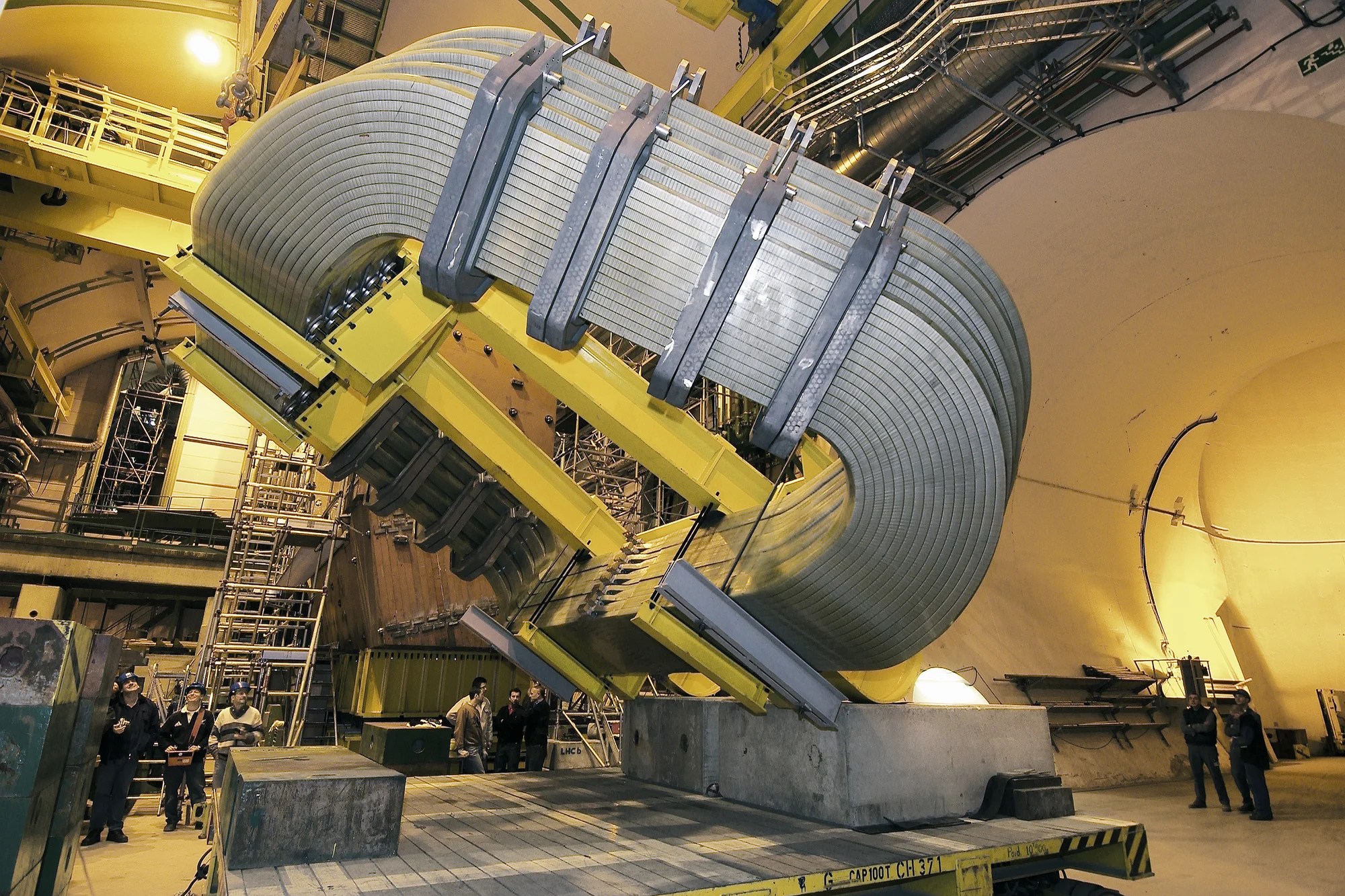
Mysterious Antimatter Physics Discovered at the Large Hadron Collider Matter and antimatter are like mirror opposites: they are the same in every respect except for their electric charge. Well, almost the same—very occasionally, matter and antimatter behave differently from each other, and when they do, physicists get very excited…more

New Clue to How Matter Outlasted Antimatter at the Big Bang Is Found Understanding why matter and antimatter behave differently is key to understanding why there is a universe at all. Now physicists have discovered the latest example of a subtle difference between the stuff that makes up galaxies, stars, planets and us, and its evil-twin opposite….more

Roman Named after NASA’s first chief astronomer, the ‘mother of the Hubble Space Telescope,’ the Nancy Grace Roman Space Telescope will have a field of view at least 100 times larger than Hubble’s, potentially measuring light from a billion galaxies in its lifetime. This observatory will also be able to block starlight to directly see exoplanets and planet-forming disks…more
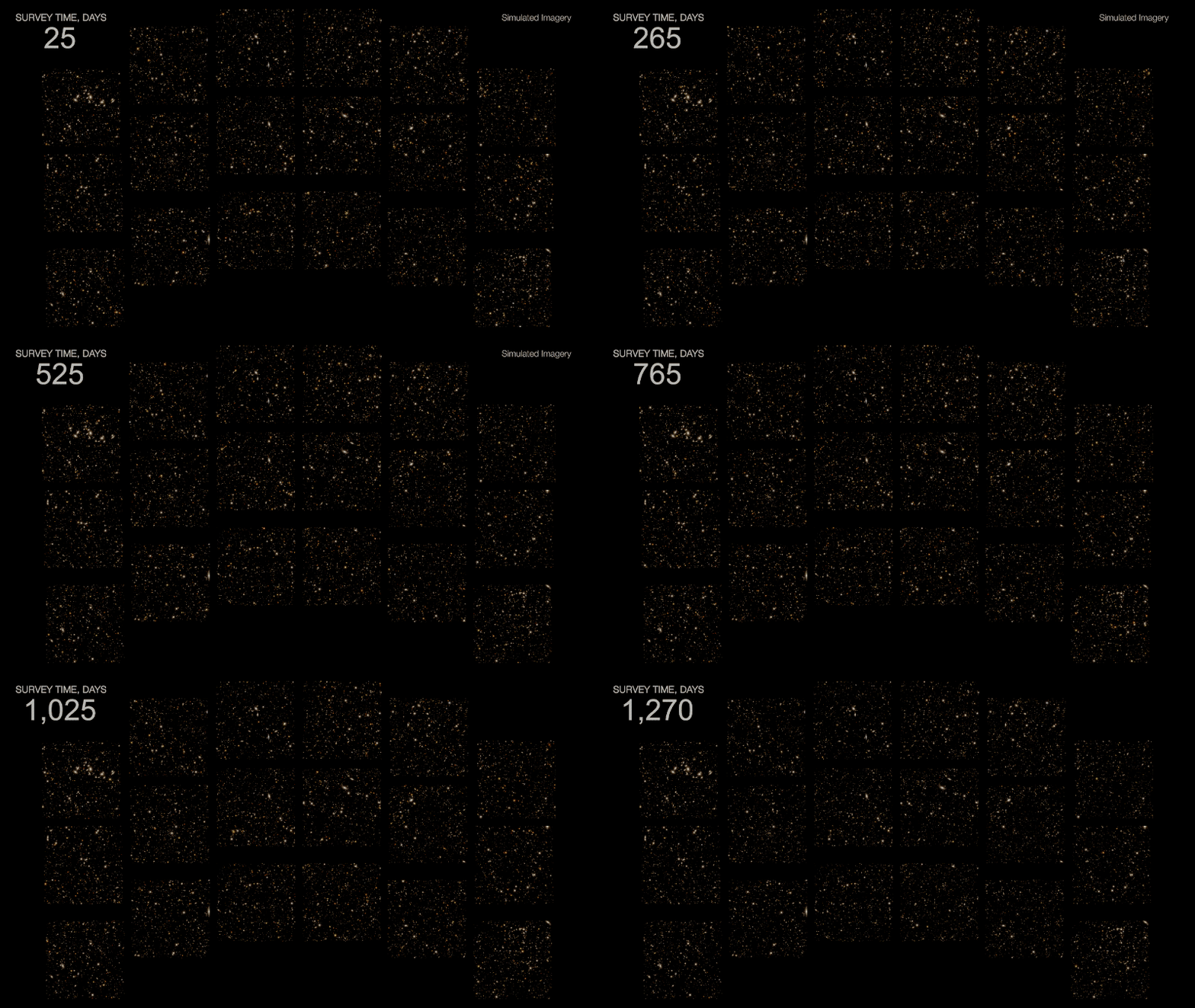
One Survey by NASA’s Roman Could Unveil 100,000 Cosmic Explosions Scientists predict one of the major surveys by NASA’s upcoming Nancy Grace Roman Space Telescope may reveal around 100,000 celestial blasts, ranging from exploding stars to feeding black holes. Roman may even find evidence of some of the universe’s first stars, which are thought to completely self-destruct without leaving any remnant behind.,..more

Earth Is Spinning Faster and Days Are Getting Shorter, for Now It wouldn’t be summer without the stretched out days. The dawns break early and the dusks come late, affording more time for lazy beach trips and long barbecues under the slow curve of the sun. But when it comes to the full astronomical day — a single rotation of planet Earth in which the hour hand moves twice around a standard clock — some of this year’s shortest are happening in July and August….more

 Amateur Astronomers Association of Princeton