
compiled by Arlene & David Kaplan
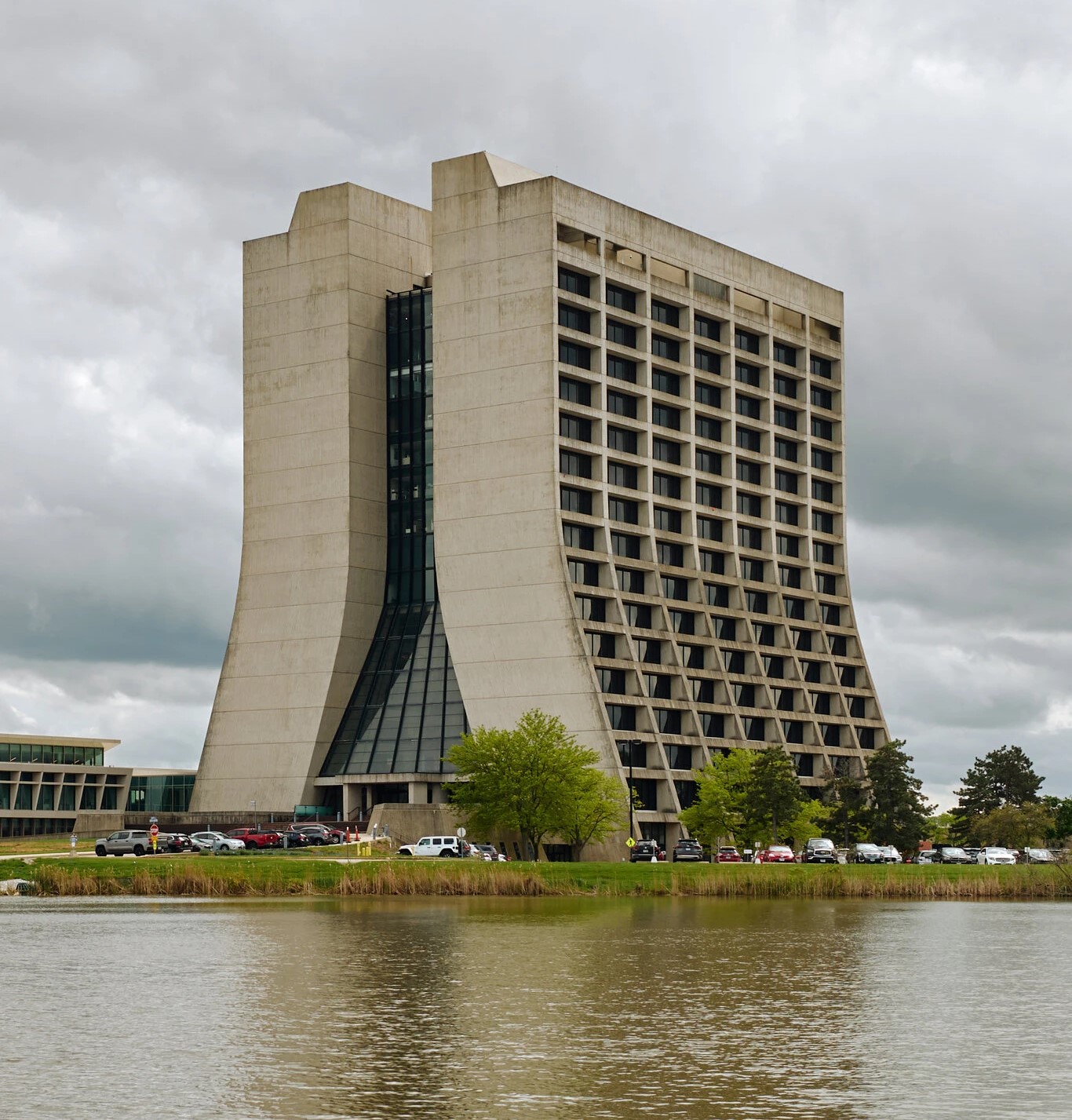
Mining for Neutrinos, and for Cosmic Answers Every morning, two dozen miners and engineers pack into a cage-like elevator for an 11-minute descent into the bowels of South Dakota’s Black Hills. At the bottom, a mile beneath the surface, the cage door lifts and the workers file down a rocky, twisting corridor. At its end lies the result of three years of labor: two empty caverns…more

The Moon’s Most Shadowy Places Can’t Hide From NASA’s New Camera. How is it possible to take a picture of a place where the sun never shines?Hint: A giant electronic flash is not practical.These new views are the fruits of ShadowCam, an instrument that NASA provided for Danuri, a South Korean orbiter that arrived at the moon in December….more

Scientists Seeking Life on Mars Heard a Signal That Hinted at the Future At sunset on a late summer weekend in 1924, crowds flocked to curbside telescopes to behold the advanced alien civilization they believed to be present on the surface of Mars. “See the wonders of Mars!” an uptown sidewalk astronomer shouted in New York City on Saturday, Aug. 23….more
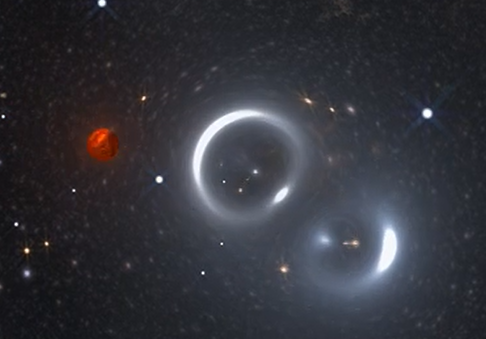
A ‘Speedy Little Star’ May Be on Course to Escape Our Galaxy In his spare time, Tom Bickle, an astronomy student in Southampton, England, likes to blast heavy metal while combing through time-lapses of the night sky, hunting for traces of a hypothesized ninth planet and other hidden objects lurking in the outskirts of our solar system. It was on one such occasion that…more
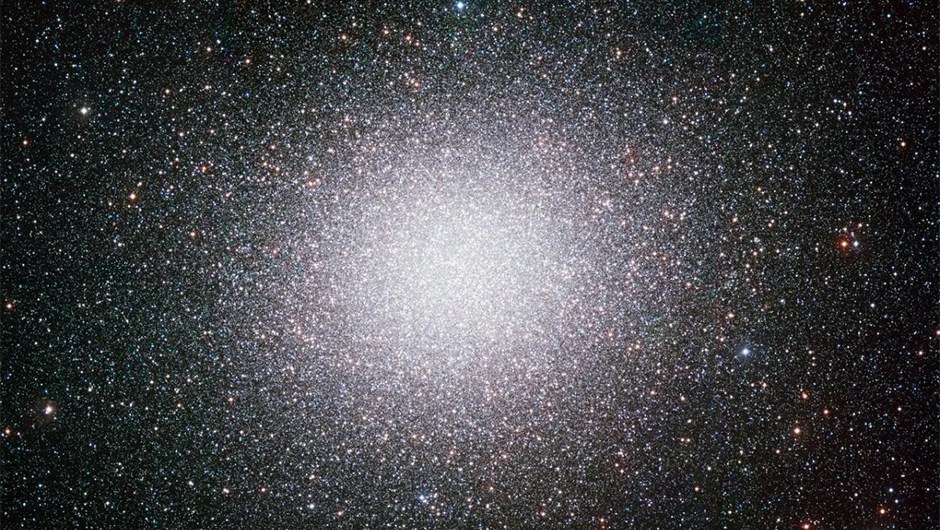
Key missing link in black hole evolution could lie within the Omega Centauri star cluster, Hubble data shows The bright, huge globular star cluster Omega Centauri may have a black hole within it, according to a study made using the Hubble Space Telescope. Astronomers looked at over 500 Hubble images of the globular cluster and detected seven stars that are moving incredibly fast within the innermost region…..more

Unusual Origin Found for Asteroid That Killed the Dinosaurs Scientists have discovered new evidence that the rock that slammed into Earth 66 million years ago, abruptly ending the age of dinosaurs, was a bit of an oddball. The nature of this apocalyptic object, known as the Chicxulub impactor, has inspired intense debates, including a long-running dispute over whether it was a comet or…more
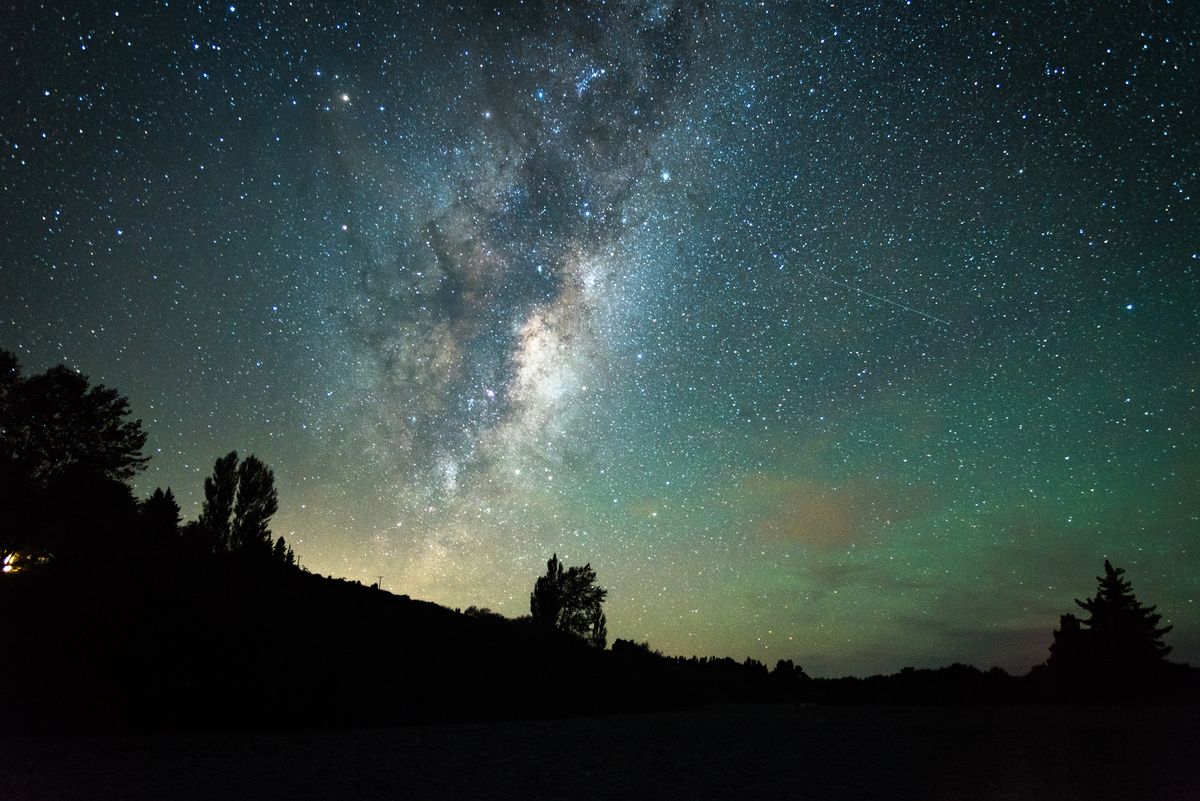
Satellites are making the night sky brighter — as a launch site, New Zealand has a duty to combat light pollution New Zealand’s rapidly growing space industry, driven by private ventures, faces challenges with light pollution affecting Indigenous astronomy. Balancing economic growth and environmental protection is crucial….more

Astronomers discover oldest known eclipse reference in 6,000-year-old Hindu text When astronomers combed through an ancient Hindu text known as the Rig Veda, they discovered that it referenced a total solar eclipse that occurred roughly 6,000 years ago — making it the oldest known mention of an eclipse. The Rig Veda, a collection of sayings and hymns from various religious and philosophical schools…more

Heaviest antimatter particle ever discovered could hold secrets to our universe’s origins Scientists have spotted the heaviest antimatter nucleus ever detected lurking in a particle accelerator. The antimatter heavyweight, called antihyperhydrogen-4, is made up of an antiproton, two antineutrons and one antihyperon (a baryon that contains a strange quark). Physicists found traces of this antimatter among particle tracks from 6 billion collisions …more

Astronomers see star devoured by black hole, surviving and coming back for seconds. And there’s a twist…A star that almost had a lucky escape after an encounter with a black hole has become the cosmic behemoth’s second course. What’s more, the team are using their observations to predict when the black hole will feast again. The study concerns a supermassive black hole 50 million times more massive than the Sun at the centre of a galaxy 860…more
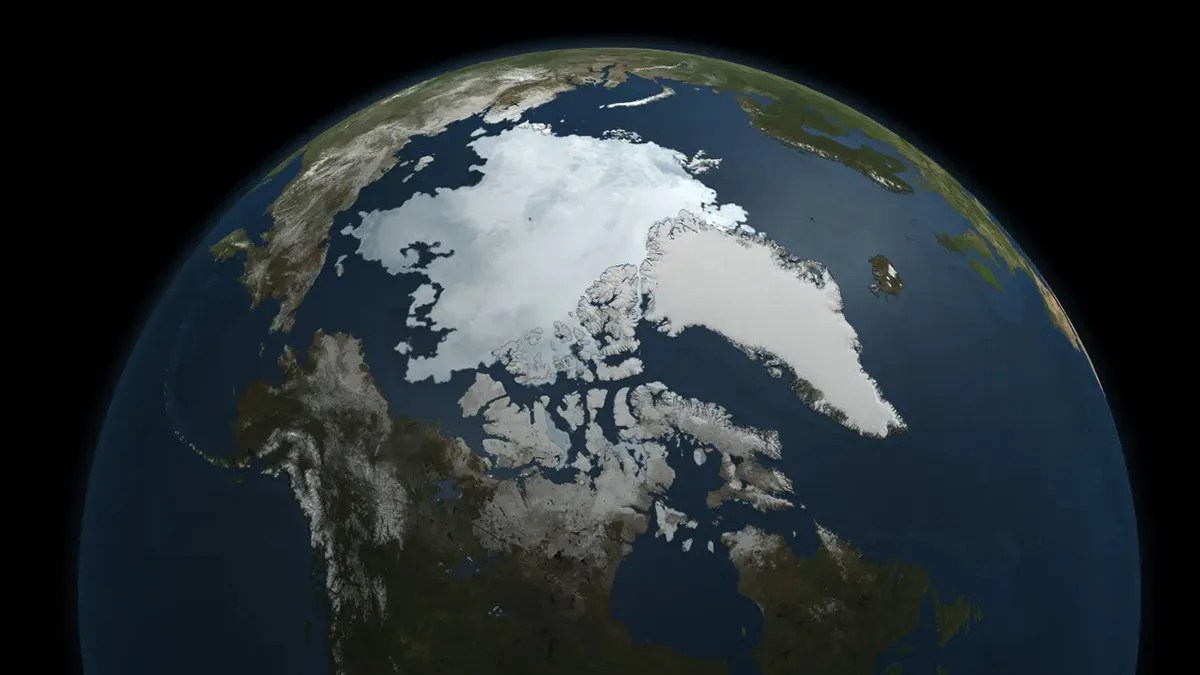
Climate change is slowing Earth’s spin and making its days longer, NASA-funded study shows Earth’s days are getting longer as the planet’s spin slows down, and the melting of ice by human-caused climate change is partly to blame, say researchers. A NASA-funded study used over 120 years of data to show how melting glaciers and ice sheets, dwindling groundwater and rising seas are affecting Earth’s spin axis and lengthening its days….more

 Amateur Astronomers Association of Princeton